The Ultimate Guide to Sit-Ups: Proper Form, Expert Tips, and Mistakes to Avoid
When I was in elementary school and started dreaming about getting abs, I would rush home and do as many sit-ups as possible. At the time, it was the only ab exercise I knew.
That experience is common. Sit-ups are one of the most familiar core exercises in the world, and many of us first learn them at a very young age. They are the classic abdominal move almost everyone has tried.
However, like any exercise, sit-ups can easily be done with poor technique. Repeating the same movement over and over can reinforce bad habits, especially if no one ever taught you the right form. Whether you are new to training or coming back after a break, it helps to refresh your technique and learn how to activate your abs correctly.
Even experienced exercisers can benefit from reviewing the basics and exploring new variations to get better results.
This guide will help you learn how to perform sit-ups properly, build real core strength, and avoid the common errors that reduce effectiveness or increase injury risk.
Also worth reading:
- 10 Best Compound Exercises to Get Shredded
- Reverse Crunch to Work Your Lower Abs
Why Should You Do Sit-Ups?
One simple answer: because they have been recommended for generations for a reason.
Sit-ups can support muscle development across different stages of life and may help preserve muscle mass as you age. Research has even suggested that older women who were able to perform more sit-ups experienced less age-related muscle loss, known as sarcopenia. That can translate into better mobility, more independence, and a longer, healthier life.
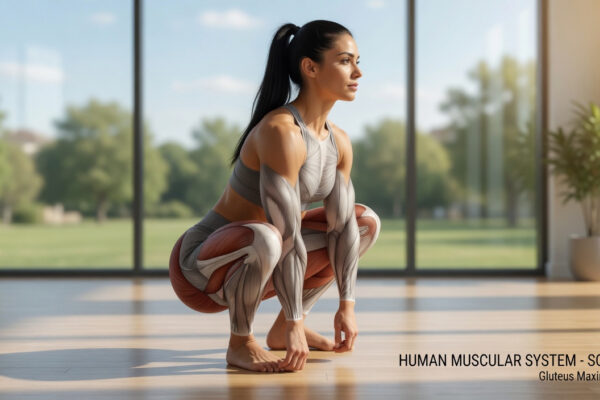
Sit-ups are useful for athletes, recreational exercisers, and anyone who wants a stronger midsection. Done well, they help develop the core and target key muscles such as the:
- Rectus abdominis
- Transverse abdominis
- Obliques
A stronger core can improve athletic performance, balance, posture, and everyday movement.
That said, sit-ups are not perfect for everyone. They are often criticized because, when performed incorrectly, they can place too much stress on the hip flexors and lower back instead of the abdominal muscles. This can negatively affect posture and increase discomfort.
Which Muscles Do Sit-Ups Work?
Sit-ups use your body weight to strengthen and tone multiple areas at once, making them a convenient and versatile addition to your workout routine. You do not need any special equipment, which makes them especially practical for home training.
The primary muscles activated during sit-ups include:
- Rectus abdominis
- Transverse abdominis
- Obliques
They also recruit supporting muscles such as the:
- Hip flexors
- Chest muscles
- Neck muscles
- Lower back
- Glutes
Because sit-ups involve a larger range of motion than crunches or static core exercises, they can challenge more muscle groups in a single movement.
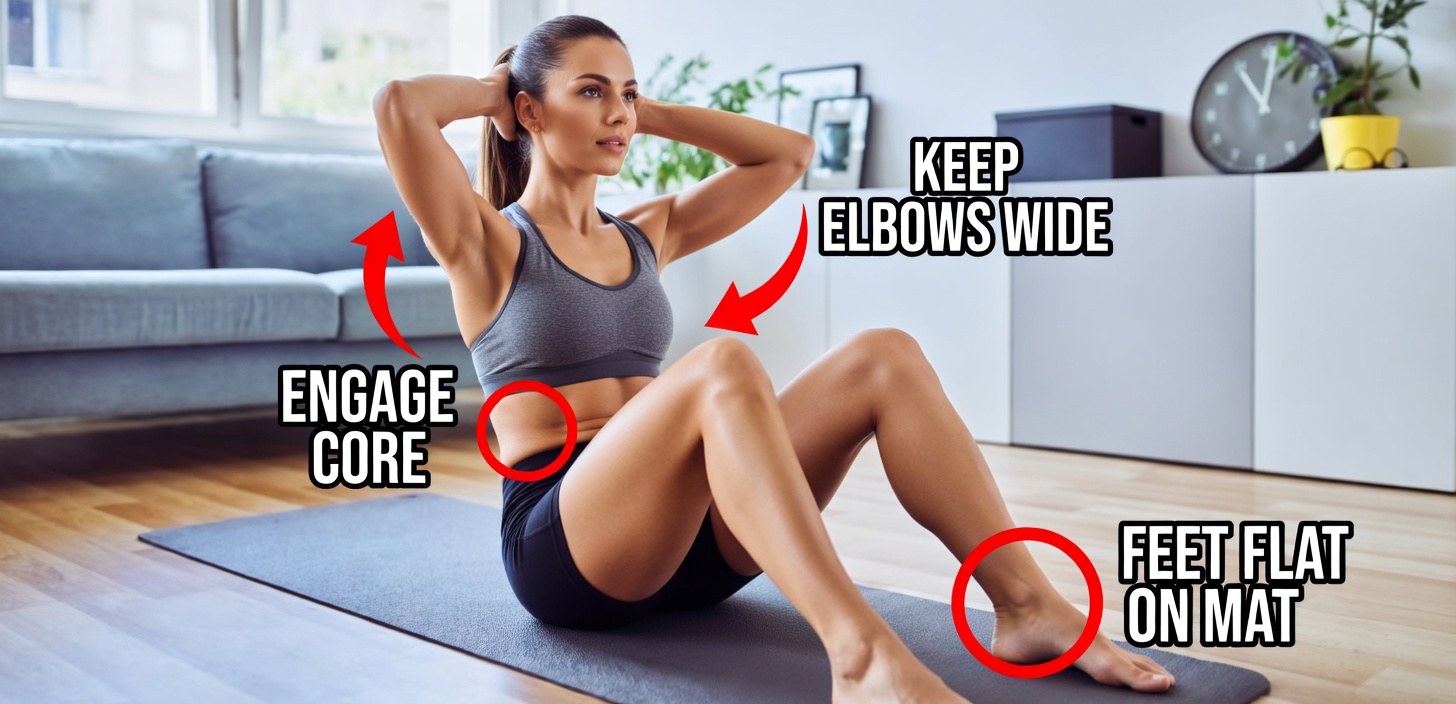
How to Do Sit-Ups Correctly
There is no benefit in doing endless repetitions if your form is poor. Incorrect sit-ups may feel easier, but they are less effective and can place unnecessary strain on your body.
The goal is to let your core control the movement, not momentum.
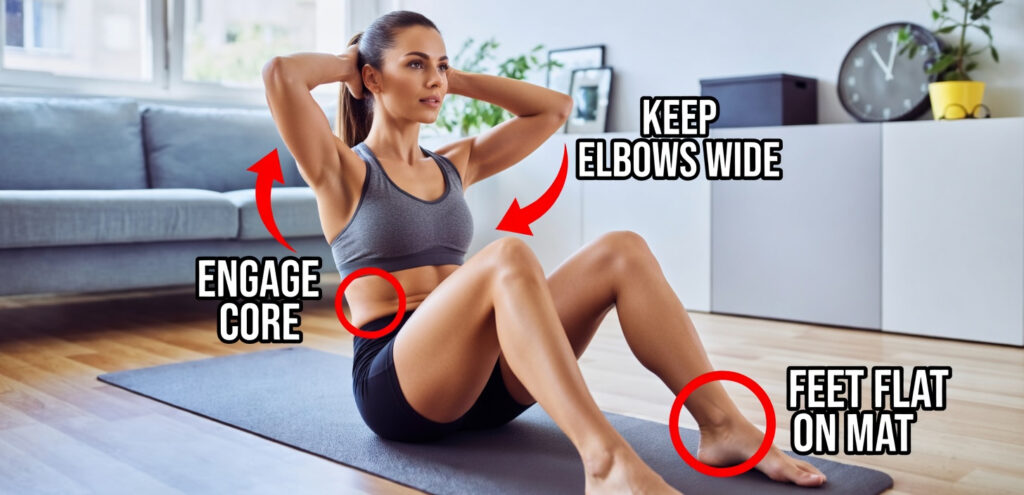
Keep these basics in mind throughout every repetition:
- Keep your feet planted firmly on the floor
- Keep your legs together
- Move with control rather than speed
Step-by-Step Sit-Up Instructions
- Lie flat on your back.
- Bend your knees and keep your feet flat on the floor.
- Place your fingers lightly behind your head.
- Keep your thighs together and align your elbows roughly with your ears or slightly forward.
- Lift your upper body until you reach an inclined seated position.
- Focus on tightening your abs as you rise.
- Lower yourself back down slowly and with control.
- Inhale when you are in the starting position and exhale as you lift and contract your abdominal muscles.
Important Form Reminder
Do not thrust your head forward or pull with your arms. Your hands should stay in place only to support your head. The movement should come from your core, not from swinging or yanking yourself upward.
An Easier Sit-Up Option for Beginners
If you are just starting out, full sit-ups may feel difficult. That is completely normal. Proper sit-up form requires a certain level of core strength and control, so beginners often benefit from a modified version first.
Modified Sit-Up Adjustment
Try this simple change:
- Cross your arms over your chest and place your hands on your shoulders, or hold your arms in front of your body at about a 90-degree angle
This adjustment reduces strain and makes it easier to focus on form. Start slowly and prioritize quality over speed. It is far better to perform a few correct repetitions than many sloppy ones.
How Many Sit-Ups Should You Do Per Day?
Sit-ups can help strengthen and define the abdominal muscles, especially the rectus abdominis, while also engaging the transverse abdominis and obliques.
According to the American College of Sports Medicine, a practical guideline is:
- 8 to 12 repetitions
- 3 sets
- 3 times per week
If your technique is solid, this is enough to begin seeing benefits in your core strength and muscle tone.
Doing excessive numbers of sit-ups is not necessarily better. In fact, too many repetitions can increase the risk of lower back strain, especially with full sit-ups.
Because sit-ups heavily involve the hip flexors, it is also important to stretch the hips regularly to prevent them from becoming overly tight.
Common Sit-Up Mistakes to Avoid
If you want stronger abs and better core stability, avoid these frequent mistakes.
1. Sitting Up Too High
Many people think a bigger movement means a better workout, but that is not always true. Focus on the tension in your abs rather than trying to come all the way upright.
If you sit too high, the tension on your abs can decrease, and the movement may start to feel like a rest position instead of productive work.
2. Pulling Your Neck or Head With Your Hands
Your hands are there to support your head, not to drag your body upward. Pulling on your neck creates unnecessary strain and can lead to pain or injury.
Your abdominal muscles should be doing the work.
3. Keeping Your Legs Straight
Sit-ups should not be done with straight legs. If your knees are not bent, you may place too much stress on the base of the spine.
Always keep your knees bent and your feet grounded to maintain a safer, more effective position.
4. Letting Your Feet Rock or Lift
Your feet should stay stable throughout the exercise. If they bounce or rise off the floor, you are likely losing control and relying too much on momentum.
When Sit-Ups May Not Be the Best Choice
Sit-ups can be uncomfortable for some people, especially when done on a hard floor. A rigid surface may press against the lower back and spine, increasing discomfort as your back curves through the movement.
If you already experience lower back pain, traditional sit-ups may not be the right exercise for you. In that case, it is smarter to choose safer alternatives that still train the core, such as:
- Planks
- Crunches
- Swiss ball ab exercises
A Swiss ball can be especially helpful because it supports the natural curve of the spine and allows a fuller range of motion without placing as much pressure on the lower back.
Sit-Up Variation: The V-Up
If regular sit-ups are becoming too easy or too repetitive, the V-up is a more advanced option that increases intensity.
This variation challenges both the upper and lower abs at the same time and adds arm movement for a more dynamic core workout. It is an excellent choice for anyone looking to build a stronger, more powerful midsection.
How to Perform a V-Up
- Lie flat on your back with your arms extended overhead.
- Keep your palms facing upward.
- Simultaneously lift your arms, legs, and torso.
- Reach toward your toes as your body forms a V shape.
- Make sure the movement begins from your trunk rather than from swinging your limbs.
- Lower back down with control.
- Begin the next repetition as soon as you return to the starting position.
Final Thoughts
Sit-ups remain one of the most recognizable abdominal exercises for a reason. They can help strengthen your core, improve muscle endurance, and support better movement throughout daily life.
The key is performing them with proper form. Keep your feet grounded, let your abs lead the motion, avoid pulling on your neck, and do not chase speed over control.
If traditional sit-ups do not feel right for your body, there are plenty of other core exercises that can help you build strength safely. But if you commit to learning the right technique, sit-ups can still be a valuable tool in your fitness routine.