The Truth About “Lower Ab Exercises”
If you are searching for the best ab exercises to isolate and tone your lower abs, there is something important to understand first: that idea is largely a myth.
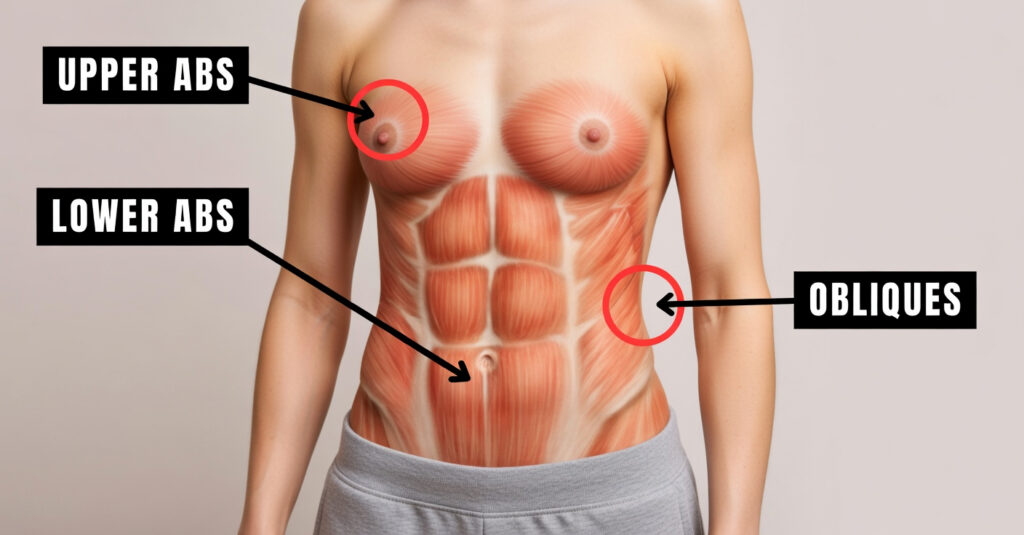
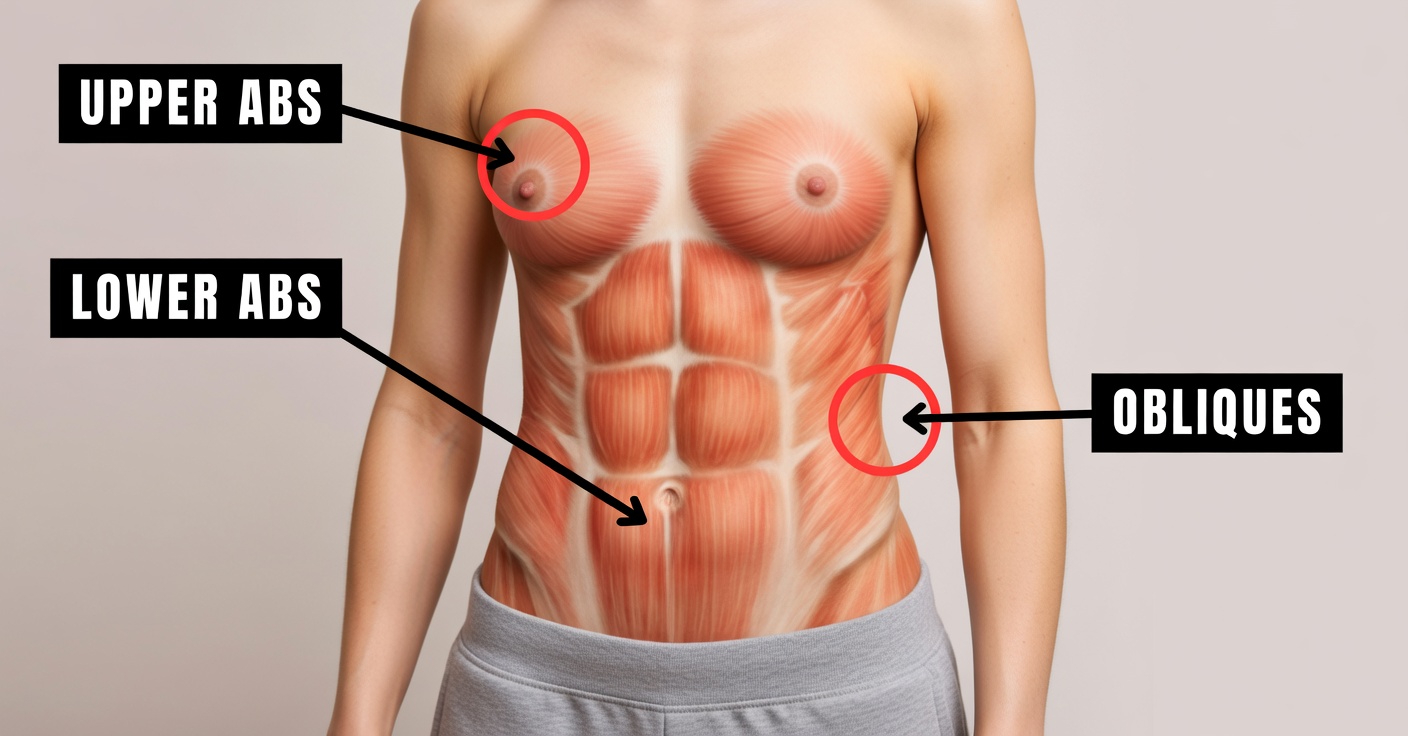
Your abdominal muscles do not work as completely separate upper and lower sections. Instead, they contract together as a unit.
That means any exercise you do for your abs trains the entire abdominal wall to some extent, rather than targeting only one small area.
In this guide, you will learn why the term lower abs is misleading, what really helps you build visible abs, and a short but challenging workout routine designed to strengthen your core and help you work toward that defined six-pack look.
You May Also Like
- Lower Ab Workout: Shred Your Lower Abs With These 6 Killer Moves
- 17 Must-Do Ab Workouts for Men to Build Six-Pack Abs
- 5 Best Core Exercises for More Strength and Stability
What People Mean by “Lower Abs”
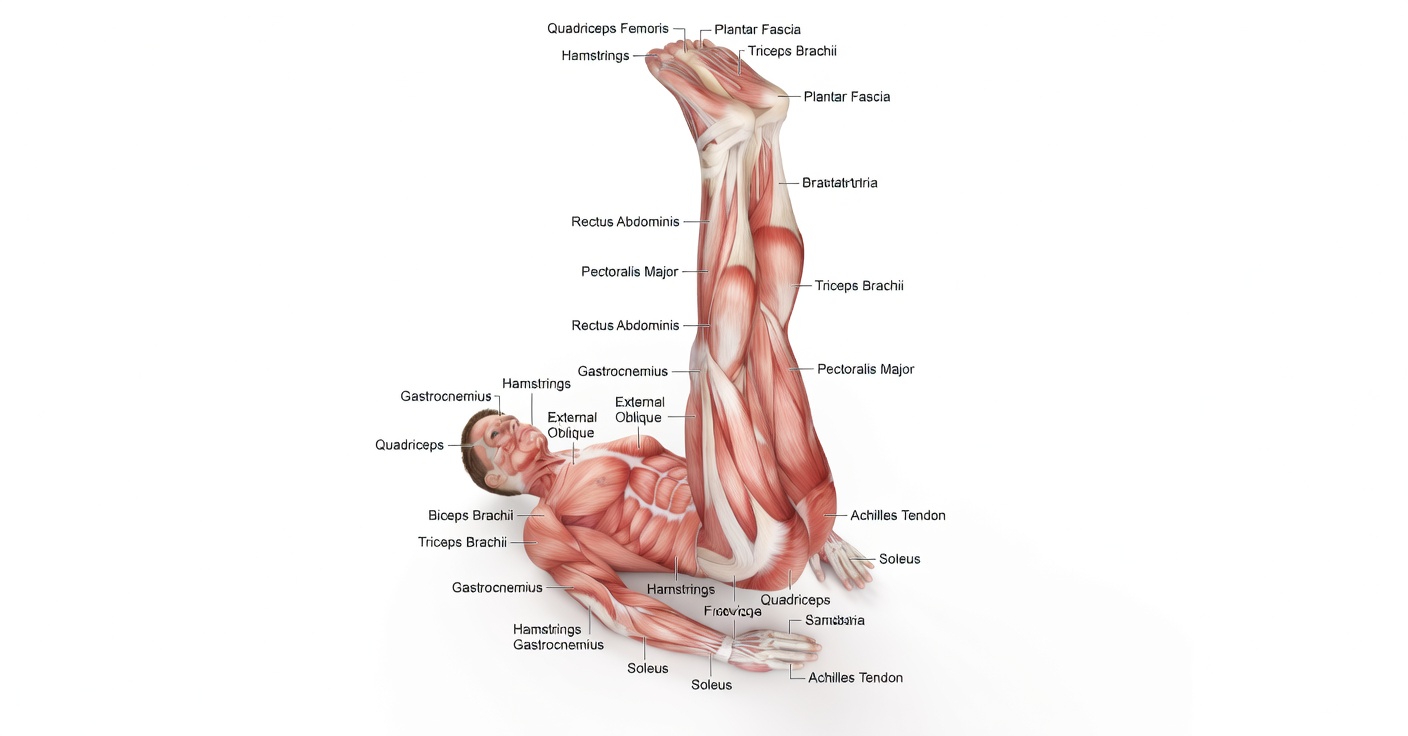
When most people talk about their abs, they are usually referring to the rectus abdominis.
This is the long muscle that runs down the front of your torso. Even though people often describe it as having “upper” and “lower” abs, it is actually one continuous muscle. During exercises like crunches, sit-ups, and similar movements, the whole rectus abdominis is involved.
A simple way to understand this is to compare it to a bicep curl.
Imagine doing one full curl with perfect technique. Then imagine your next repetition only goes halfway up. You are still using the same bicep muscle on both reps. The difference is only the range of motion, not a completely different section of the muscle.
The same principle applies to abdominal training. Partial sit-ups, leg raises, or other variations may change how the abs are challenged, but they do not isolate a separate “lower ab” muscle.
Why Core Strength Matters
Strong abs are not just about appearance. A powerful core plays a major role in:
- Balance
- Spinal support
- Posture
- Athletic performance
- Daily movement
Whether you are walking, sitting, lifting, or playing sports, your core is constantly helping stabilize your body.
For example, activities like golf require excellent core strength and control. Even ordinary tasks become easier and safer when your abdominal muscles and surrounding stabilizers are well developed.
So while many people start ab training for aesthetic reasons, the health and performance benefits are just as valuable.
How to Actually Get Visible Abs
This is the part many people do not want to hear, but it is the truth: if your goal is to see more ab definition, fat loss is usually the biggest factor.
Ab workouts can absolutely make your core stronger and help shape the muscles. But if a layer of body fat covers them, those abs will not be easy to see no matter how many crunches you do.
To reveal your abs, the most effective strategy is usually a combination of:
- Regular exercise
- A calorie deficit
- A sustainable nutrition plan
A calorie deficit means consuming fewer calories than your body burns. This is a key part of reducing body fat.
So yes, training matters. But if you want defined abs, diet is essential.

Diet and Training Work Together
The best approach to building visible abs is not choosing between nutrition and exercise. You need both.
- Exercise strengthens and develops the abdominal muscles
- Diet helps reduce the fat covering those muscles
If you are unsure how to create a safe and effective fat-loss plan, consider working with a:
- Nutritionist
- Doctor
- Certified personal trainer
Professional guidance can help you build a plan that matches your body, goals, and lifestyle.
The Ultimate Ab Workout for Core Definition
When paired with a smart diet, this fast-paced ab routine can help build a stronger, more defined midsection.
It is short, intense, and highly effective.
What You Need
- Some open floor space
- A timer
- A pull-up bar or something sturdy to hang from
- Water
How Long It Takes
- About 15 minutes per workout
- Perform it 2 to 4 times per week
Workout Format
This routine uses a timed circuit structure:
- Work for 45 seconds
- Rest for 15 seconds
- Move straight into the next exercise
- Complete 3 total rounds
Get ready for a serious core challenge.
1. Windshield Wipers
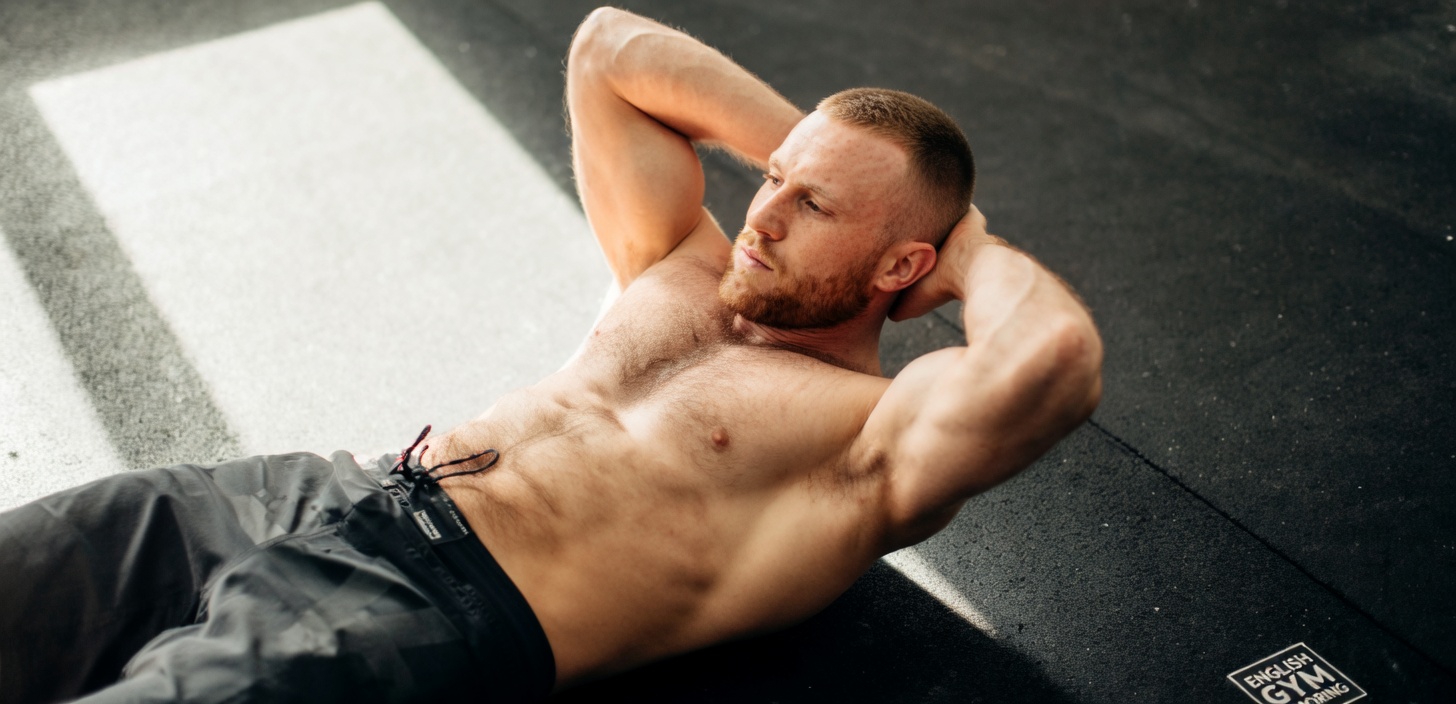
Windshield Wipers, often called just Wipers, are excellent for training the obliques and improving control through the hips and trunk. They can also be modified based on your fitness level.
Target Muscles
- Obliques
- Hip muscles
How to Do It
- Lie on your back with your arms extended out to the sides in a T-shape.
- Keep your legs straight and lift them as high as you comfortably can.
- Without letting your right shoulder leave the floor, lower both legs in an arc toward the left side.
- Stop just before your feet touch the floor.
- Reverse the movement slowly and bring your legs over to the right side.
- Continue moving side to side like windshield wipers.
Key Tip
Keep your lower back pressed into the floor as much as possible. This increases abdominal engagement and helps reduce stress on the spine.
2. Side Crunches with Leg Lift
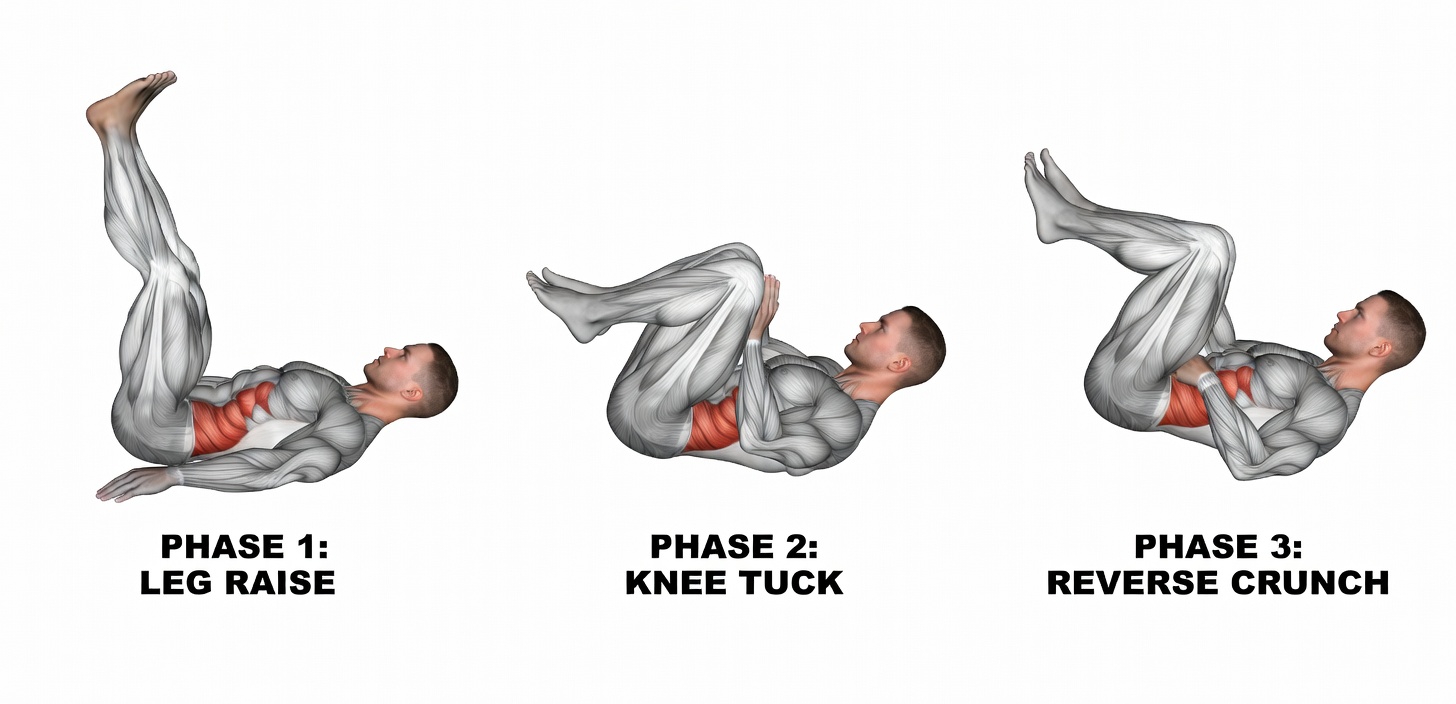
This variation of the side crunch adds a leg lift, which brings in the obliques, hip abductors, and several muscles that support balance and spinal control.
Target Muscles
- Obliques
- Hip abductors
- Spinal stabilizers
How to Do It
- Lie on your right side.
- Place your left hand behind or on the side of your head.
- Raise both legs while lifting your upper body off the floor at the same time.
- Think about bending your body inward from the side.
- Lower slowly back to the starting position.
- Perform the move for half the interval, then switch sides.
Key Tip
Use control rather than speed. The smaller base of support makes this exercise more challenging than it looks.
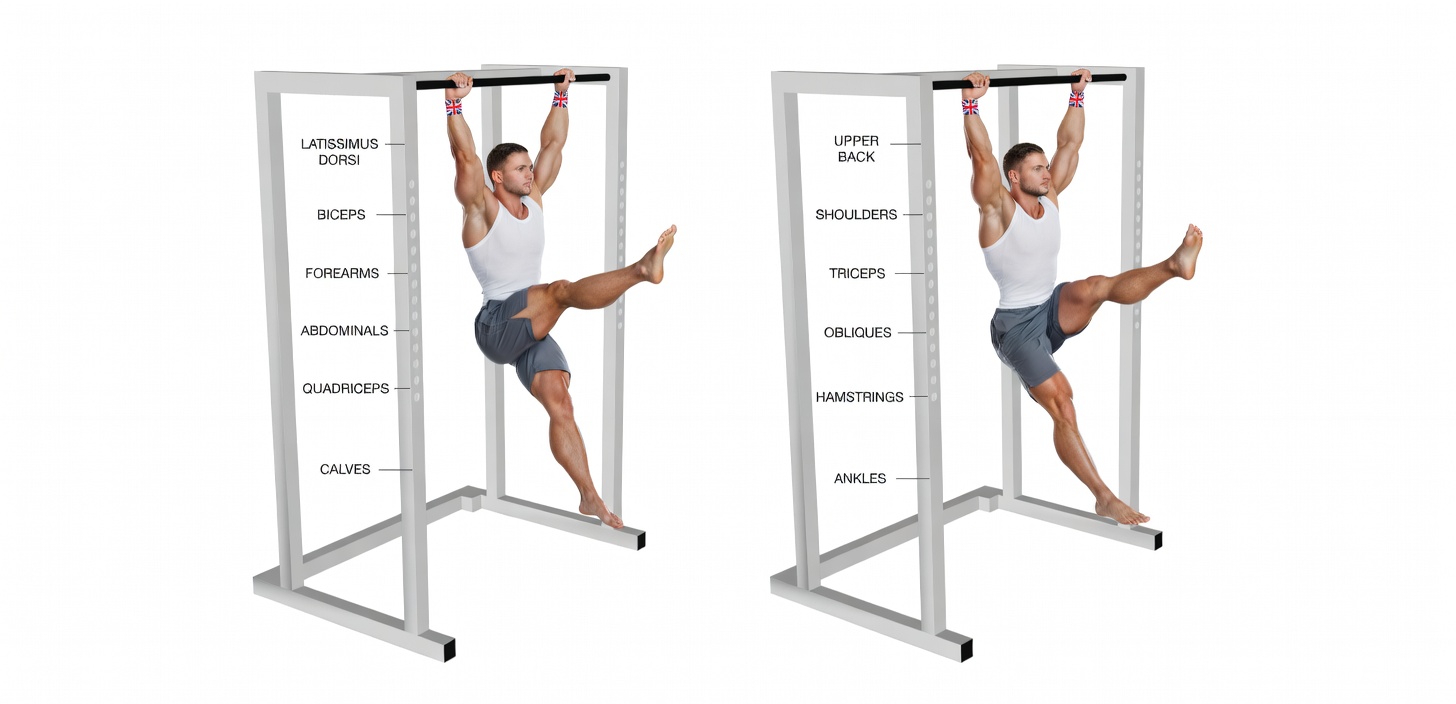
3. Hanging Flutter Kicks
This exercise is a favorite in gymnastics and calisthenics because it develops abdominal strength while also demanding grip, shoulder stability, and upper-body control.
Target Muscles
- Rectus abdominis
- Obliques
- Full-body stabilizers
How to Do It
- Hang from a pull-up bar with both hands.
- Lift your right leg as high as you can without bending the knee excessively.
- As you lower the right leg, raise the left leg.
- Continue alternating in a quick, controlled flutter motion for the full set.
Key Tip
If your grip starts to fail, try different hand positions such as:
- Overhand grip
- Underhand grip
- Mixed grip
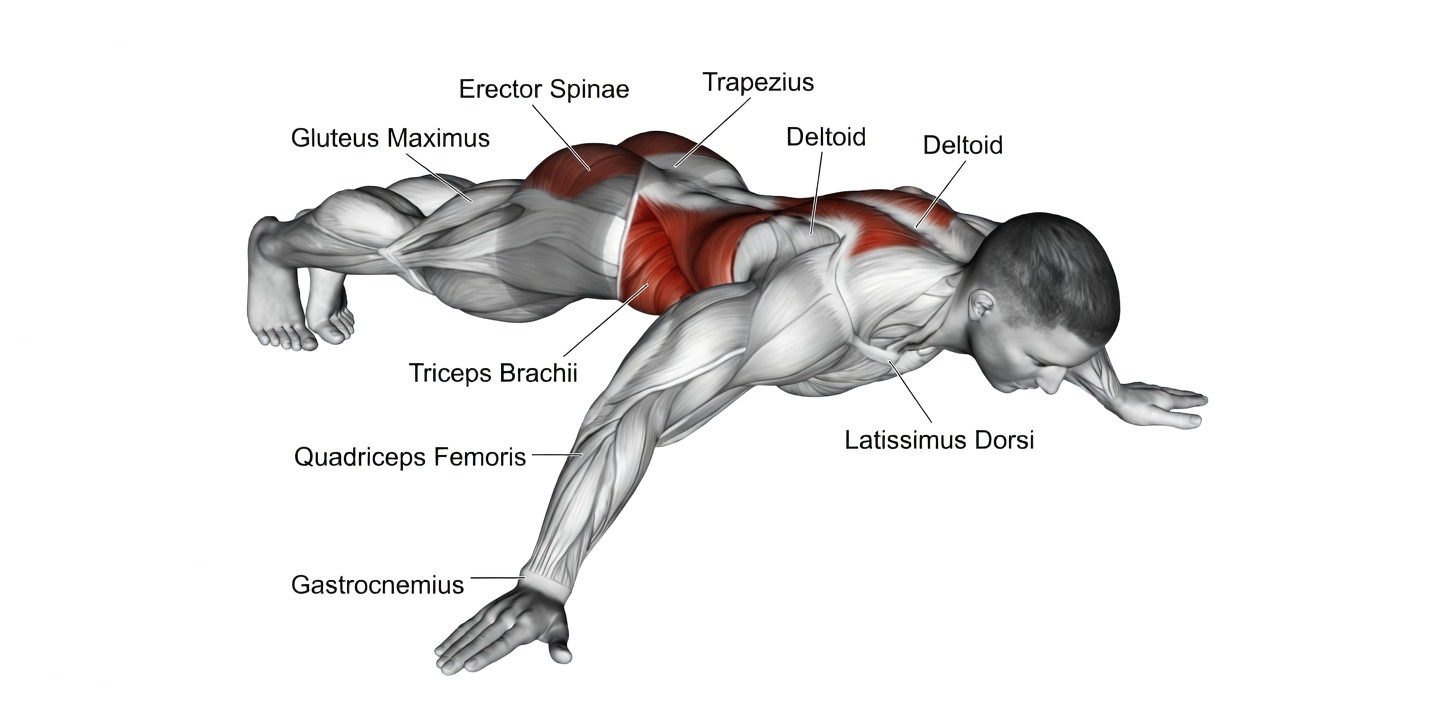
4. Iron Cross Plank
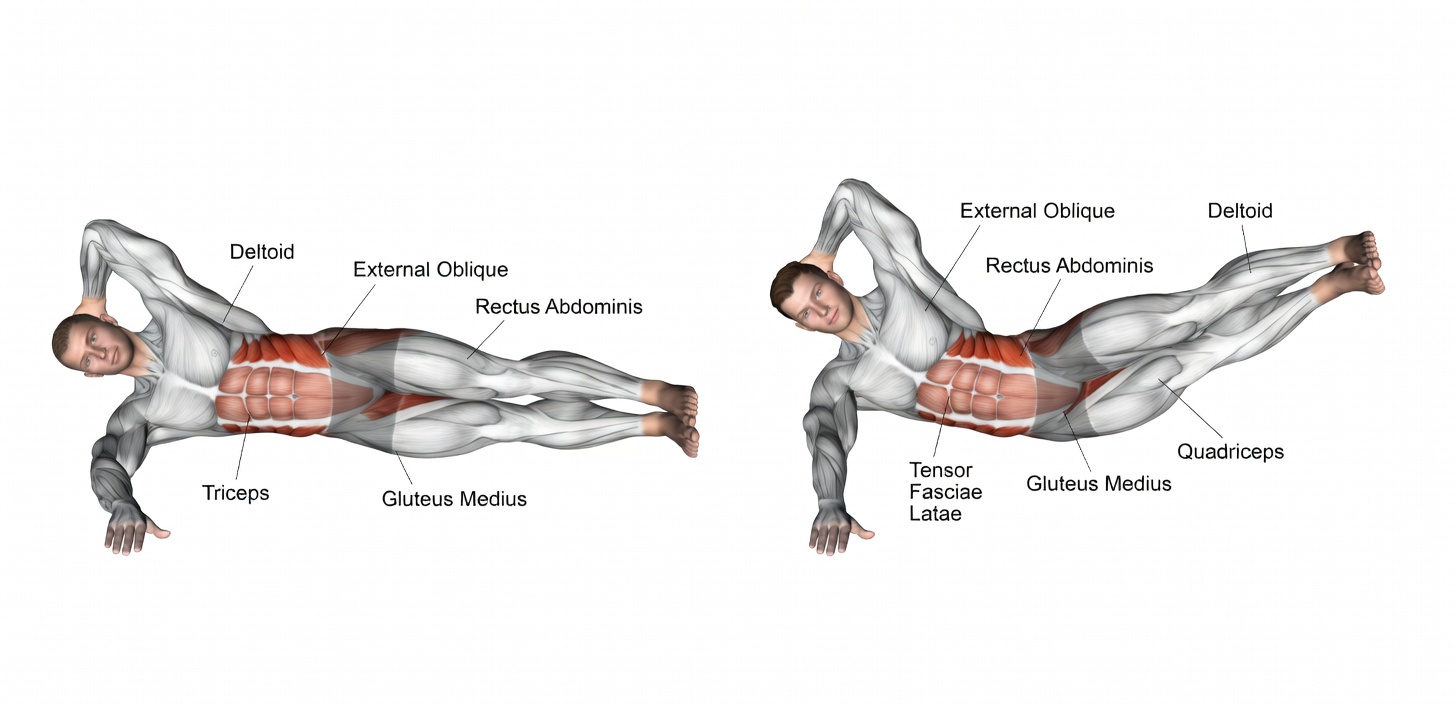
The Iron Cross Plank is a demanding plank variation that challenges the abs, chest, shoulders, and deep stabilizing muscles around the spine.
Target Muscles
- Rectus abdominis
- Spinal stabilizers
- Pectorals
- Shoulders
How to Do It
- Place your hands on the floor much wider than shoulder width.
- Step your feet back into a plank position.
- Keep your body in a straight line from head to heels.
- Brace your abs, squeeze your glutes, and avoid letting your hips sag.
- Hold the position for the full 45 seconds.
Key Tip
Maintain a flat back the entire time. If your hips drop or rise too high, the exercise becomes less effective.
How to Get the Best Results
To make this routine more effective, focus on consistency and quality.
Follow These Tips
- Train your abs 2 to 4 times per week
- Keep your form strict on every rep
- Pair the workout with a calorie-controlled diet
- Prioritize sleep and recovery
- Stay patient and track progress over time
Remember, stronger abs do not automatically mean visible abs. If your goal is a lean, defined stomach, body-fat reduction needs to be part of the plan.
Final Takeaway
There is no secret exercise that isolates only the lower abs. Your abdominal muscles function together, and every effective ab movement trains the core as a whole.
If you want a stronger, more sculpted midsection, focus on:
- Smart ab training
- Total core strength
- Fat loss through nutrition
- Consistency over time
Stick with the workout above, support it with a solid diet, and you will be far more likely to build the strong, defined abs you are aiming for.