Anterior Pelvic Tilt: What It Is and How to Correct It
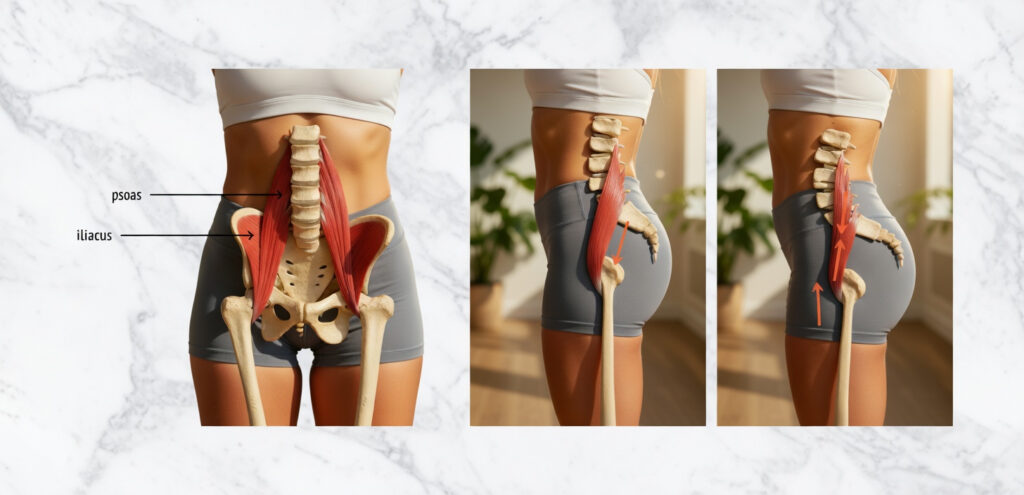
Anterior pelvic tilt is a forward tilt of the pelvis that can affect the alignment of your whole body. When the pelvis rotates forward, it changes your posture and may place extra strain on other areas.
This posture change can create a curve in the spine and lead to a position where the upper body leans forward. Over time, it may contribute to lower back pain, knee and hip pain, poor posture, and hip rotations.
What Causes Anterior Pelvic Tilt?
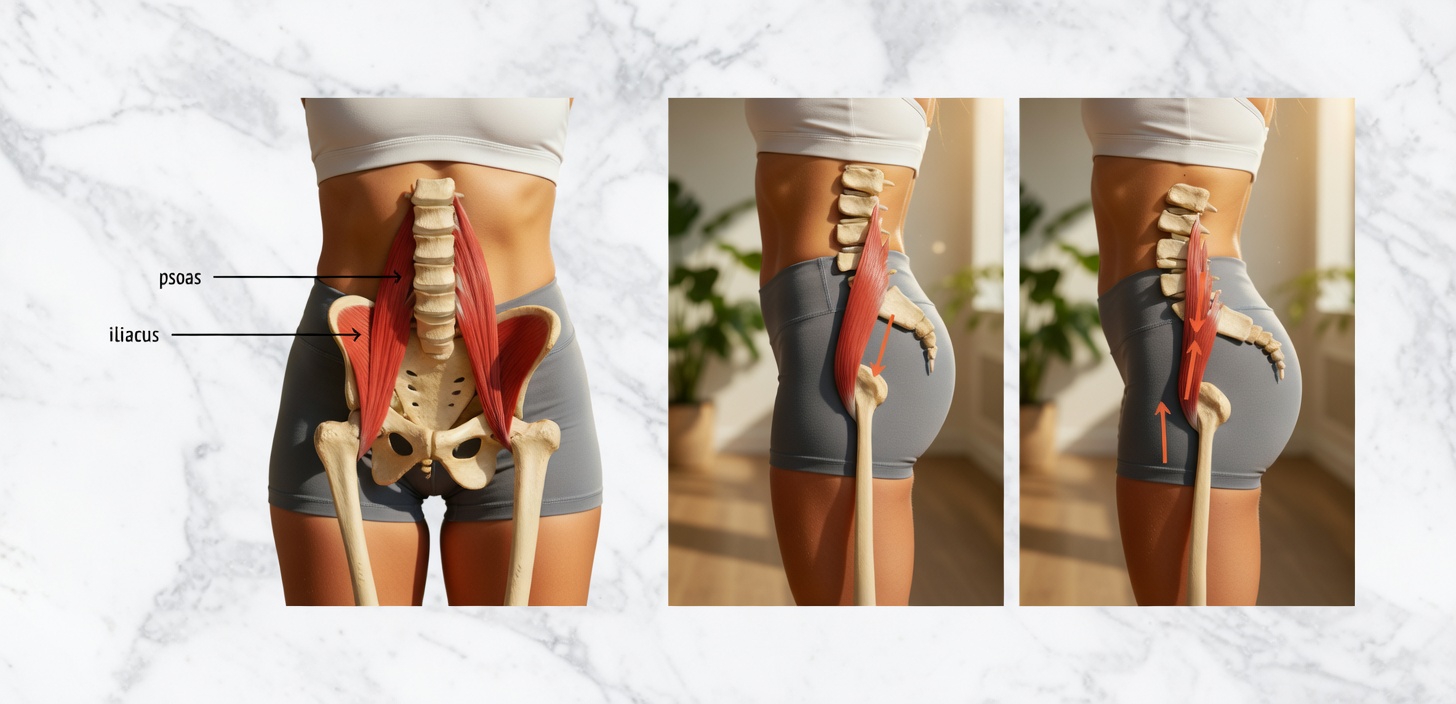
Anterior pelvic tilt is commonly linked to a muscle imbalance. Tight or weak muscles in the lower body can pull the pelvis forward and change its angle.
Too much sitting and a sedentary lifestyle often play a role as well. When this happens regularly, the pelvis may move away from a neutral, pain-free position.
How to Help Fix a Tilted Pelvis
The good news is that there are simple exercises you can do at home to help your pelvis move back toward a more neutral position. These movements focus on strengthening key muscles and improving control through the hips and core.
1. Donkey Kicks
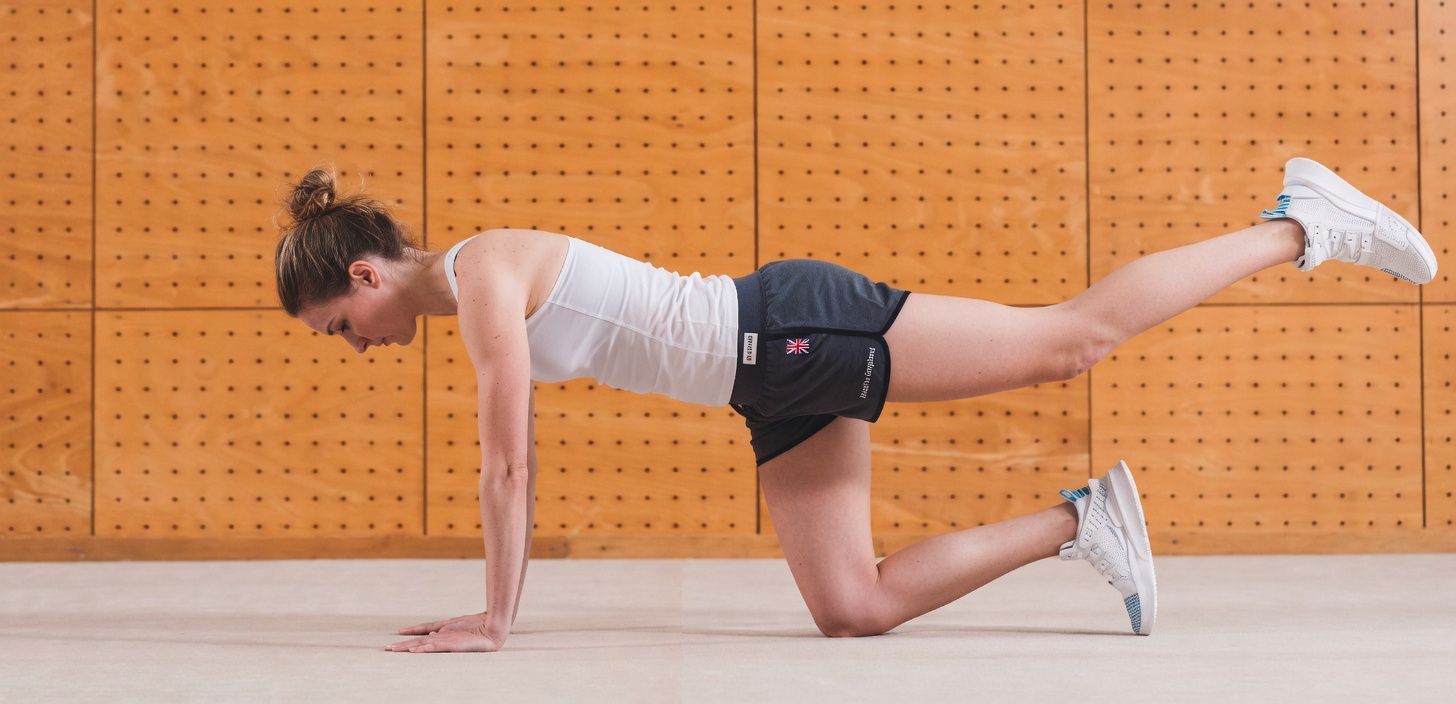
Donkey kicks are a lower-body exercise that helps strengthen the abdominals while lengthening the back and gluteus muscles.
How to do donkey kicks
- Begin in a tabletop position with your hands and knees on the floor or a yoga mat.
- Place your wrists directly under your shoulders and your knees under your hips.
- Keep your cervical spine neutral and engage your core.
- As you exhale, lift your right knee back until the leg is fully extended and your thigh is parallel to the floor.
- Your heel should point toward the ceiling.
- If you cannot lift that high, that is okay. Do not hyperextend or move so far that your hips lose their neutral position.
- Inhale as you return to the starting position.
- Repeat on the other side for 10 to 12 reps per side.
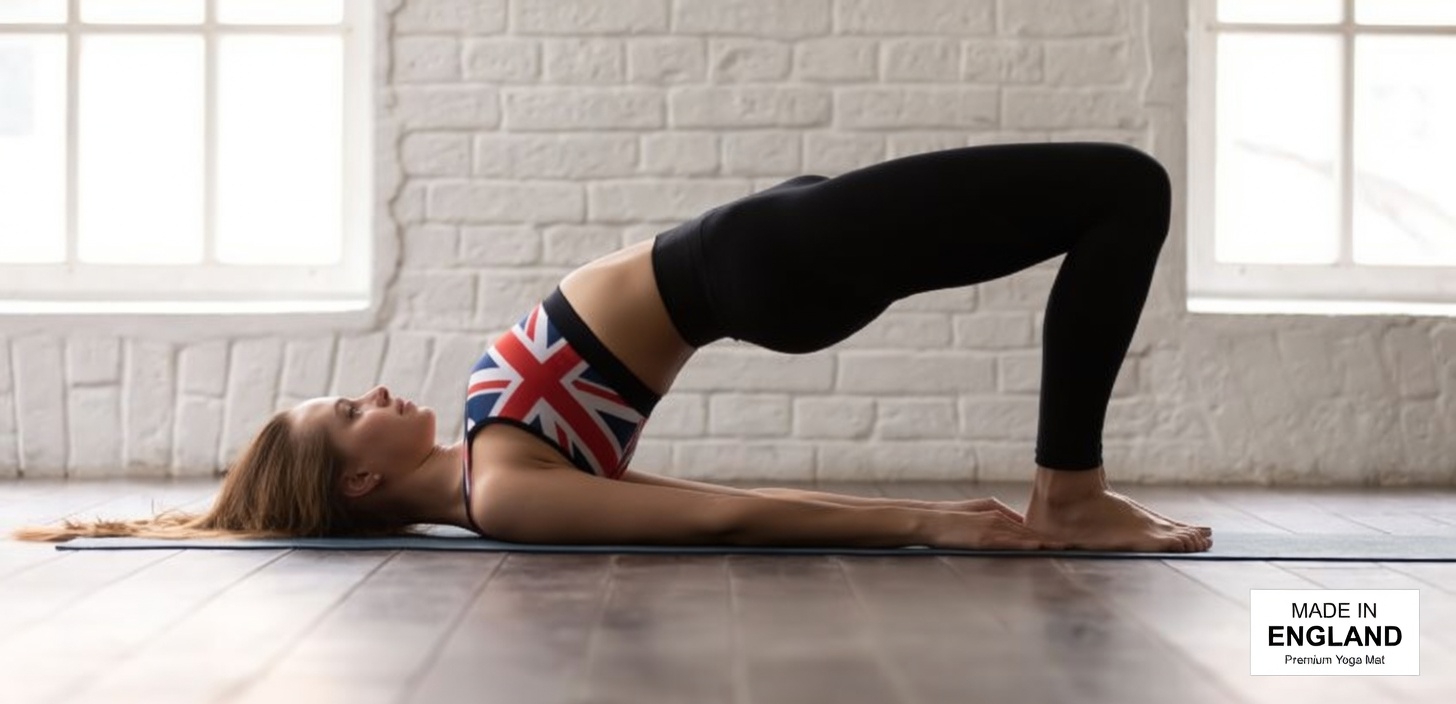
2. Glute Bridge
The glute bridge is a beginner-friendly move that strengthens the glutes and hamstrings. It also helps open the hip flexors and stretch the back muscles.
How to do glute bridges
- Lie on your back on a yoga mat.
- Bend your knees and place your feet flat on the mat.
- Keep your feet and knees about hip-width apart.
- Rest your arms by your sides with your palms facing down.
- Squeeze your glutes and press your pelvis upward to lift your hips off the floor.
- Pause when your knees form a straight line with your shoulders.
- Keep your back flat and avoid overextending.
- Lower down and return to the starting position.
- Repeat 8 to 10 times.
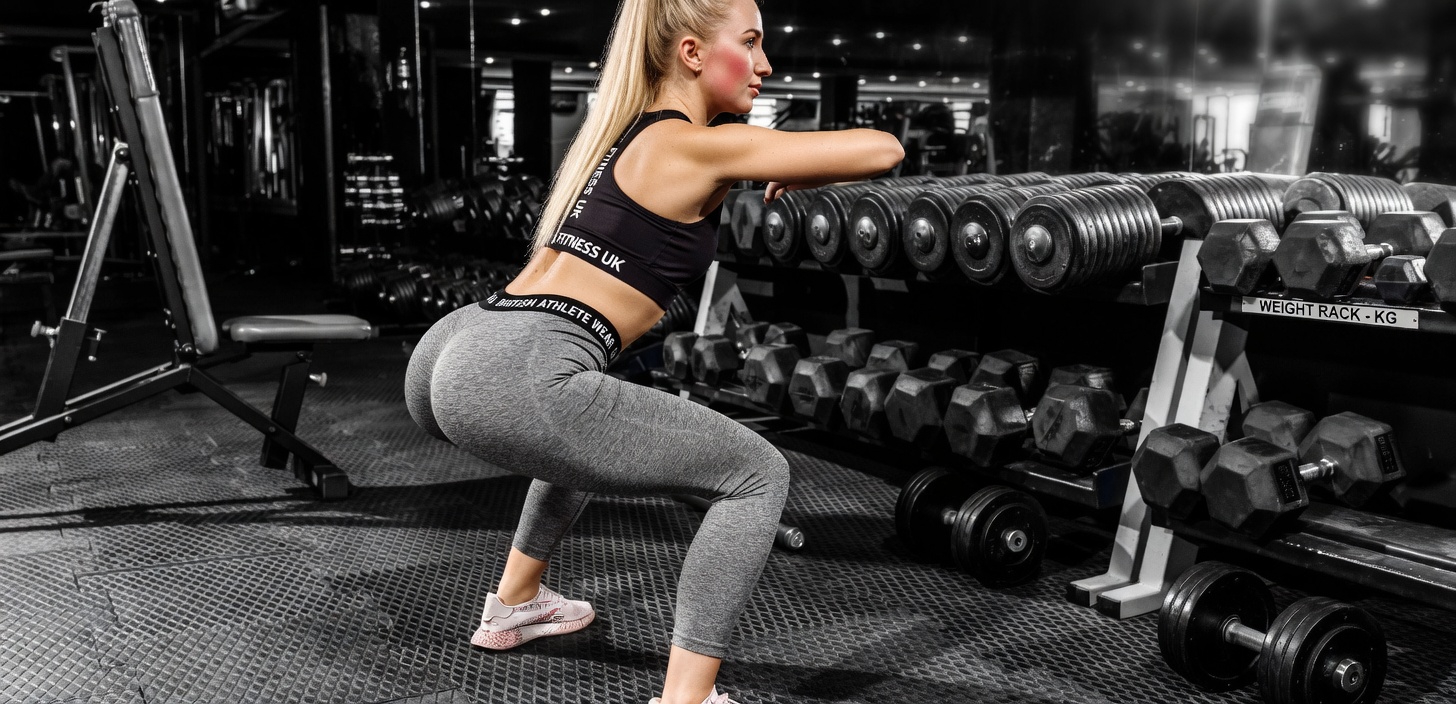
3. Squat
Squats build strength in the glutes, hamstrings, quads, and core. They are also a functional exercise that supports better movement during everyday activities such as walking and running.
How to do squats
- Stand tall with your feet shoulder-width apart.
- Place your hands on your waist or hold them straight out in front of your chest.
- Tighten your core and hinge at the hips.
- Slowly bend your knees and lower yourself until your thighs are parallel to the ground.
- As you lower, keep your chest up and your back neutral.
- Retract your shoulder blades to help maintain your posture.
- At the bottom of the movement, avoid letting your knees pass your toes.
- Take a deep breath and return to standing.
- Perform 10 to 12 reps.
Final Thoughts
Anterior pelvic tilt can affect posture and lead to discomfort in the lower back, hips, and knees. Since it is often related to muscle imbalance, too much sitting, and a sedentary lifestyle, exercises like donkey kicks, glute bridges, and squats may help support a more neutral pelvic position.
Consult a healthcare professional before making changes.