How to Lose 30 Pounds in a Month Safely and Keep the Weight Off
If you want to know how to lose 30 pounds quickly without putting your health at risk, the key is to focus on a realistic, structured plan.
Dropping 30 pounds is a major goal. It is possible for some people, but it usually requires careful planning, daily consistency, and healthy lifestyle changes rather than extreme shortcuts.
Successful weight loss does not come from one single trick. It usually involves improving your sleep habits, changing the way you eat, reducing excess calories, and adding regular exercise to your routine.
The good news is that building better habits can help you lose weight and maintain your results over time. In this guide, you will learn practical strategies to help you lose 30 pounds and prevent regaining it later.
Related Weight Loss Topics
You may also be interested in:
- How to Lose 20 Pounds in a Month Fast and Safely
- How Long It Takes to Lose 20 Pounds
- How to Lose 50 Pounds as Fast as Possible
Here’s How to Lose 30 Pounds Fast and Safely
Below are some of the most effective habits to help you lose those extra 30 pounds in a healthier way.

1. Lower Your Calorie Intake
Weight loss still comes down to a simple principle: consuming fewer calories than your body uses.
One of the easiest ways to do this is to replace calorie-dense foods with meals that are rich in nutrients. Instead of relying on highly processed foods, choose more:
- Fruits
- Vegetables
- Legumes
- Whole grains
- Lean meats
- Minimally processed foods
These choices usually provide more vitamins, minerals, and fiber while containing fewer calories than most packaged snacks and convenience foods.
A simple place to start is by cutting back on items such as:
- Cookies
- Candy
- Crackers
- Chips
- Sweet baked goods
These foods are often high in calories, refined carbohydrates, and added sugar, while offering little nutritional value.
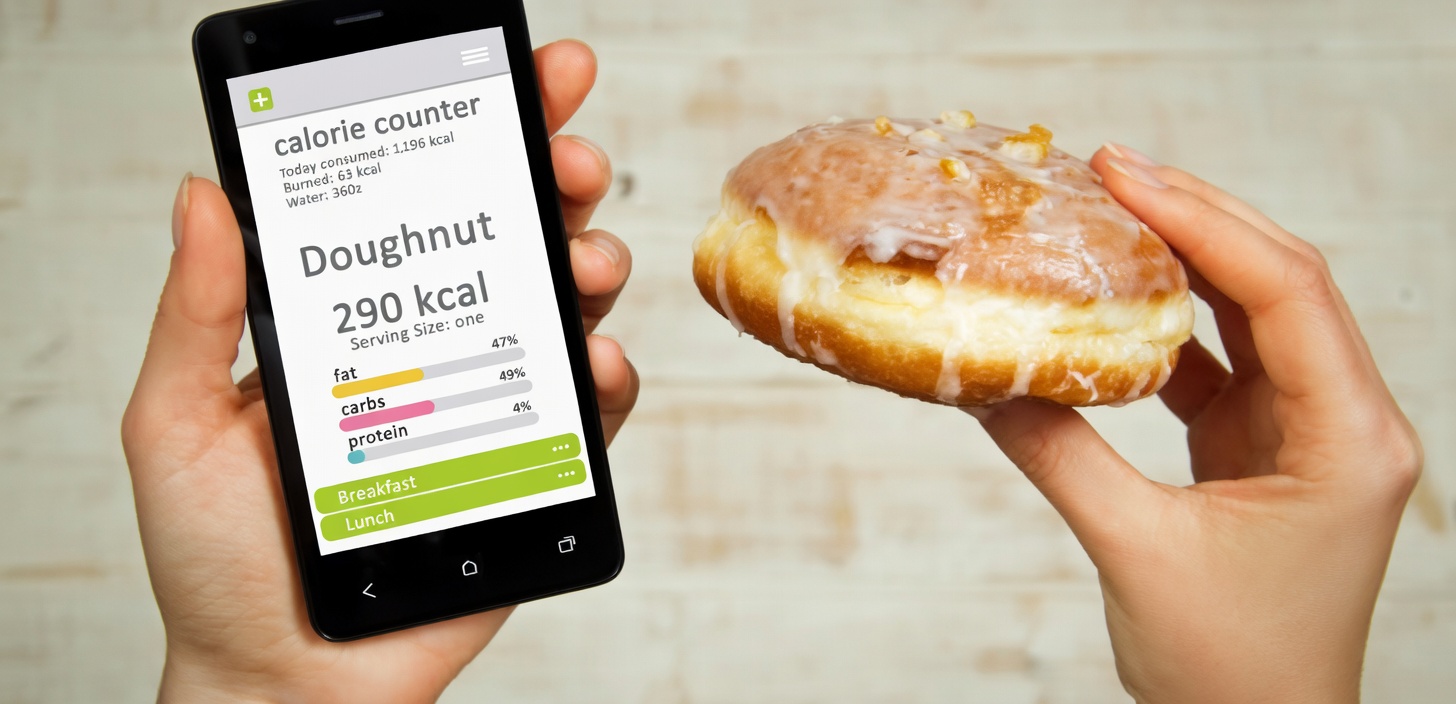
If you like tracking what you eat, you can use a food diary or a calorie-counting app. Your ideal calorie intake depends on factors such as age, sex, height, weight, and activity level.
In general, many women need around 1,600 to 2,200 calories per day, while many men need about 2,000 to 3,200 calories per day, depending on lifestyle and energy needs.
If you want a more personalized target for weight loss, consider speaking with a Registered Dietitian Nutritionist (RDN).
2. Start the Day With a High-Protein Breakfast
A nutritious breakfast can make a big difference when you are trying to lose weight.
Long-term success with weight loss often comes from consistent eating habits, and breakfast is a great place to begin. Research suggests that many people who lose significant weight and maintain that loss regularly eat breakfast.
Eating in the morning may help regulate hunger throughout the day and support better appetite control. But the type of breakfast matters just as much as the habit itself.
For weight loss, a breakfast rich in lean protein is often the best option. Aim for at least 10 to 15 grams of protein in your morning meal.
Good protein choices include:
- Eggs or egg whites
- Chicken or turkey
- Greek yogurt
- Cottage cheese
- Milk and other dairy foods
Plant-based protein sources include:
- Tofu
- Beans, such as black beans or pinto beans
- Lentils
- Nuts
- Seeds
You can add black beans to a breakfast bowl, stir nuts into oatmeal, or blend protein into a smoothie for an easy boost.
Best High-Protein Breakfast Ideas
The best breakfast is one you actually enjoy and can repeat consistently. Do not force yourself to eat foods you dislike just because they are considered healthy.
Here are some easy high-protein breakfast ideas:
- Oatmeal with peanut butter or protein powder
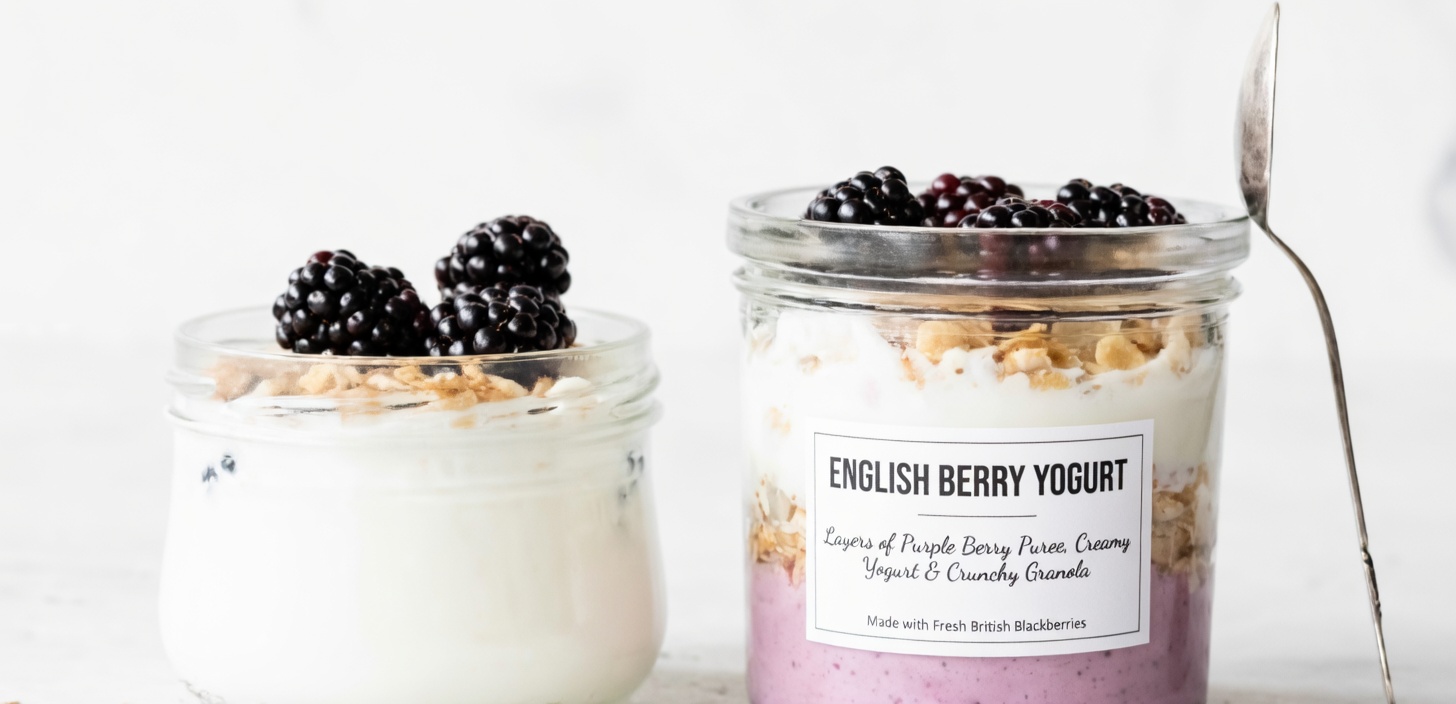
- Greek yogurt with berries and granola
- Cottage cheese with fruit
- A vegetable omelet
- A protein shake or smoothie with Greek yogurt or protein powder
- Tofu scramble with vegetables
- Half a bagel with smoked salmon and cream cheese
Healthy fats can also help keep you full longer. Good sources include:
- Salmon
- Mackerel
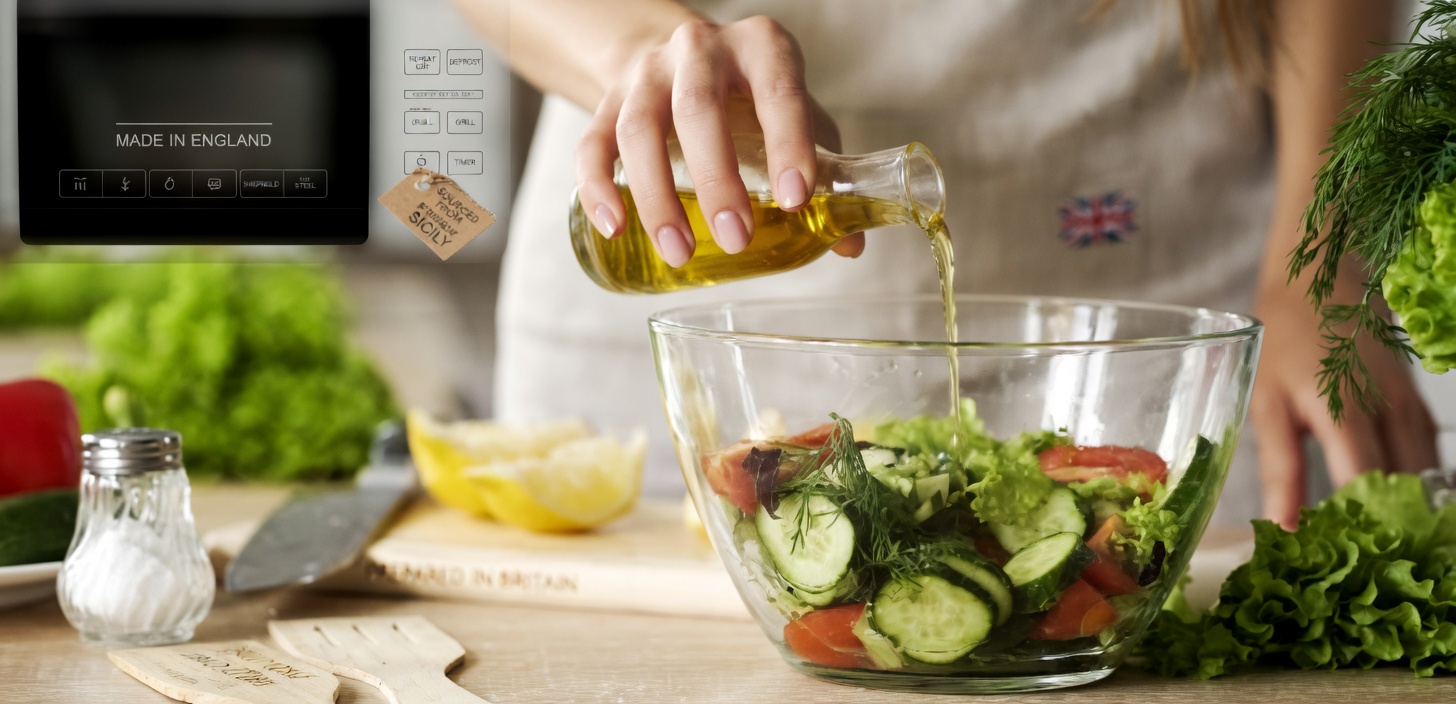
- Olive oil
- Nuts
- Seeds
- Other unsaturated fats
Meals that combine protein and healthy fat are often more satisfying, which can reduce the urge to snack between meals and help you reach your weight goal faster.
3. Cut Down on Processed Carbohydrates
Highly processed foods can make weight loss much harder.
Many snack products, including cookies, chips, crackers, and candy, are loaded with refined carbohydrates. These are some of the first foods to limit if you are trying to lose weight.
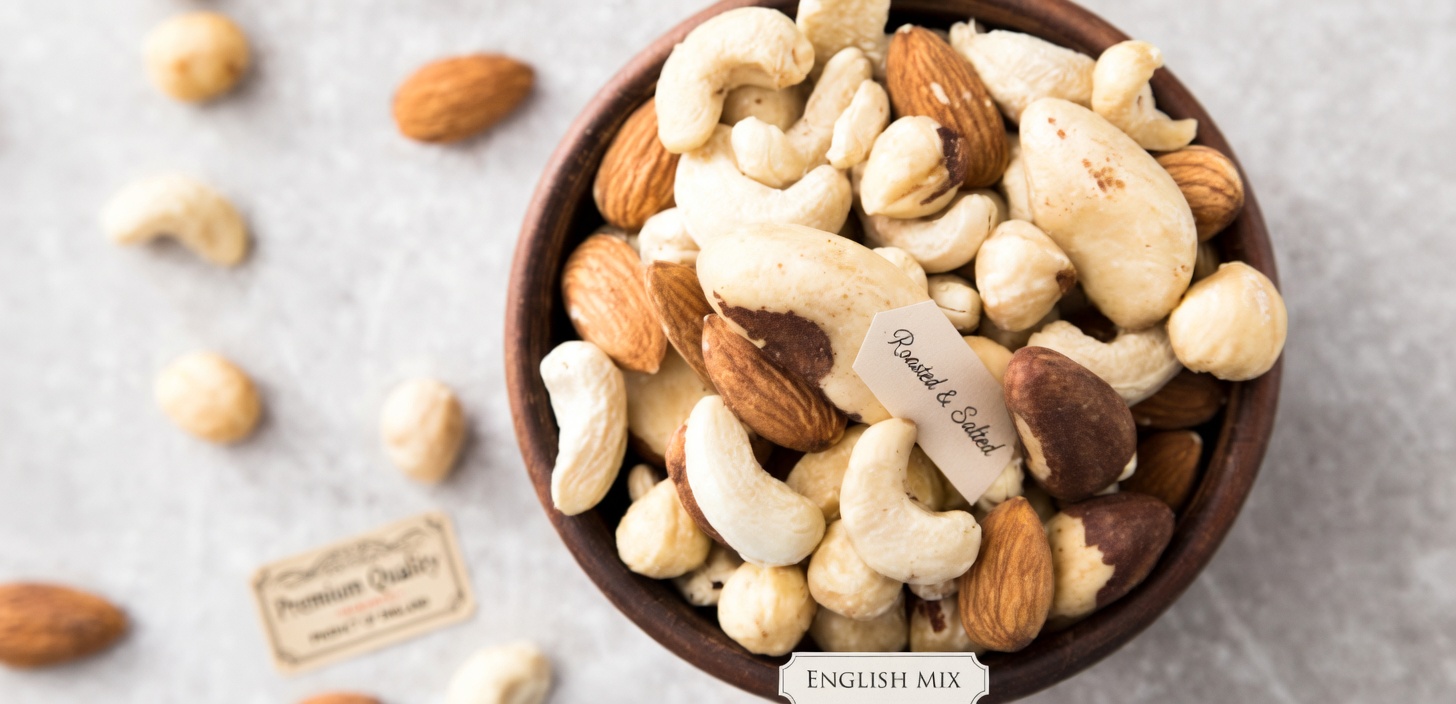
Carbohydrates themselves are not bad. In fact, they are an important part of a balanced diet. The problem is that processed carbs often come with:
- Added sugar
- Extra fats
- More calories
- Lower fiber
- Less nutritional value
Eating too many refined carbohydrates may contribute to weight gain and increase the risk of health issues such as obesity, type 2 diabetes, and heart disease.
A better approach is to replace processed snack foods with more natural carbohydrate sources, such as:
- Fruit
- Sweet potatoes
- Oats
- Whole-wheat bread
- Brown rice
- Whole grain pasta
4. Eat More Vegetables
You have probably heard this advice for years, and it is still true: eating more vegetables can support healthy weight loss.
For many people, vegetables are not the first thing they add to a meal plan, but they should be. They are packed with nutrients, naturally low in calories, and often high in fiber.
That means you can usually eat a satisfying portion without overloading on calories.
Adding more vegetables to your meals can help you:
- Feel fuller for longer
- Improve the quality of your diet
- Support healthy digestion
- Lower your risk of chronic disease
- Make calorie control easier
If you do not enjoy vegetables on their own, try mixing them into foods you already like. You can blend spinach into smoothies, add shredded zucchini to muffins, or stir vegetables into soups, sauces, and egg dishes.
5. Increase Your Fiber Intake
Fiber is important for digestive health, but it also plays a major role in fullness, metabolism, and weight management.
There are two main types of fiber:
- Insoluble fiber
- Soluble fiber
Insoluble fiber is found in foods such as:
- Wheat bran
- Nuts
- Seeds
- Beans
- Potatoes
- Green beans
Soluble fiber is found in foods such as:
- Oats
- Apples
- Lentils
- Barley

Soluble fiber is especially helpful for weight loss because it forms a gel-like substance in the digestive tract, which can slow digestion and help you stay full longer.
Both forms of fiber offer important health benefits. General daily fiber recommendations are:
- 25 grams per day for women
- 38 grams per day for men
- Or about 14 grams for every 1,000 calories consumed
As you increase fiber, make sure you also drink more fluids. This can help prevent discomfort such as bloating, nausea, or constipation.
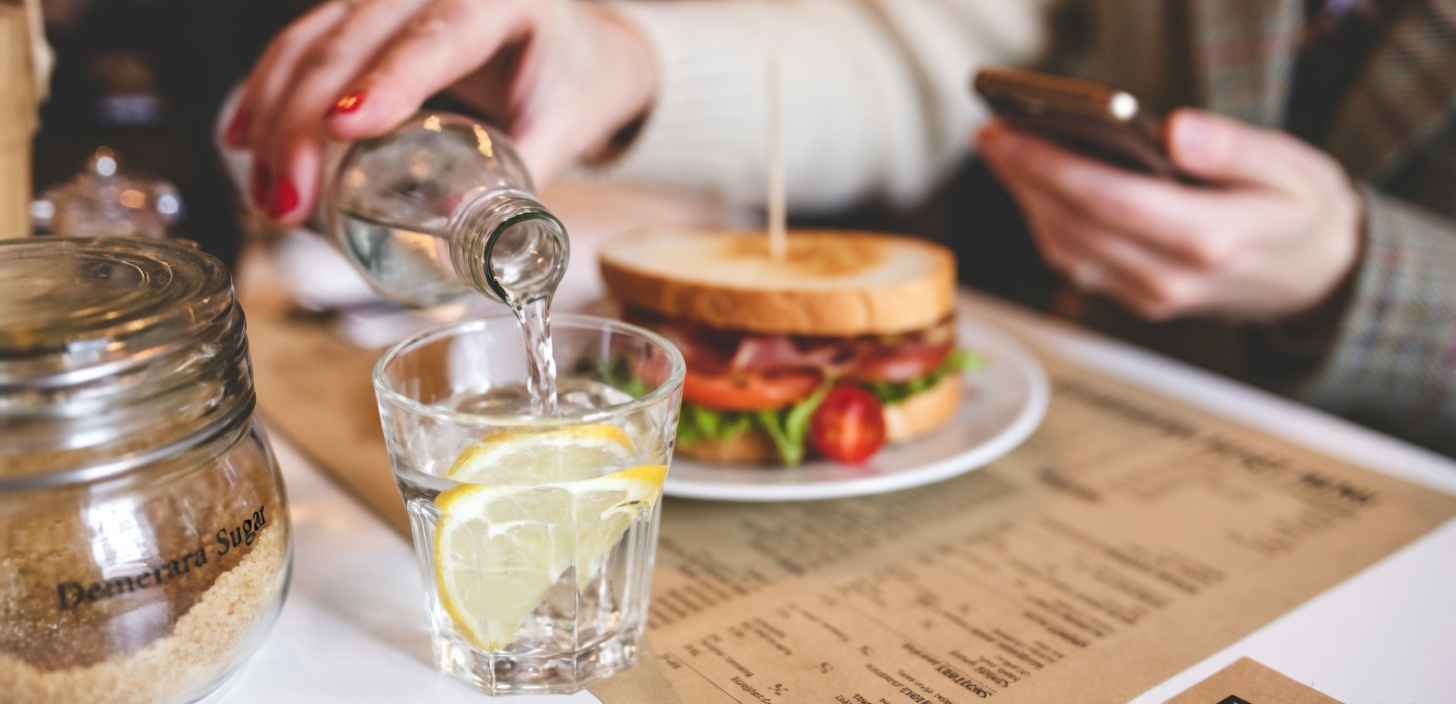
6. Drink Plenty of Water
Water may seem boring compared to flavored drinks, but it is one of the most useful tools for healthy weight loss.
Many popular beverages contain large amounts of sugar and extra calories. Soft drinks, sweetened coffees, energy drinks, and fruit-flavored beverages can all add up quickly.

Choosing water more often can help reduce your total calorie intake without much effort.
While fluid needs vary from person to person, a common goal is to drink at least 64 ounces of water a day.
If you struggle to drink enough water, try these simple strategies:
- Use a water tracking app
- Set reminders on your phone
- Carry a reusable water bottle
- Drink a glass before each meal
If plain water feels too bland, add natural flavor with ingredients such as:
- Cucumber
- Mint
- Lemon
- Berries
- Orange slices

7. Make Healthy Lifestyle Changes That Last
The steps above work best when they become part of your everyday routine. Losing 30 pounds is not only about eating less. It also means building habits that support your body in the long run.
Healthy lifestyle changes may include:
- Planning meals in advance
- Getting better sleep
- Managing stress
- Moving your body daily
- Preparing healthier snacks
- Staying consistent even when progress feels slow
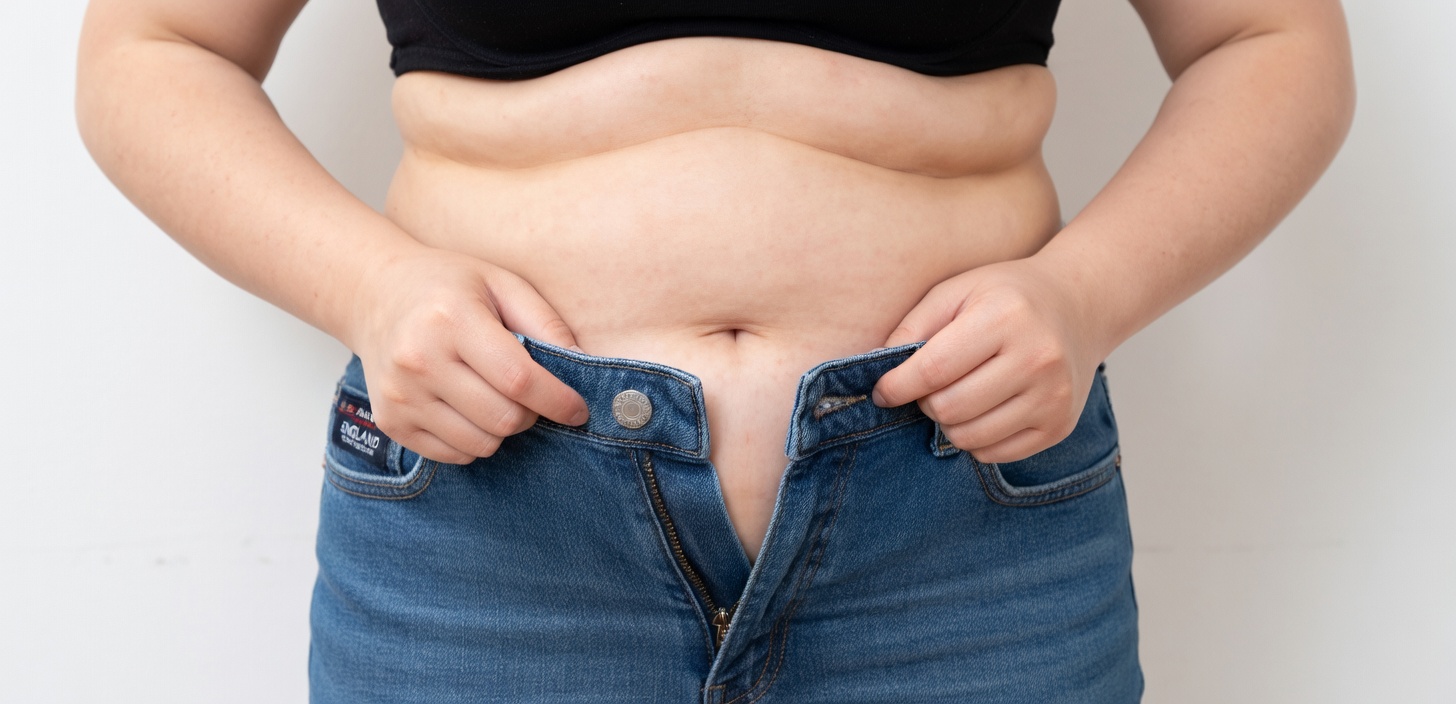
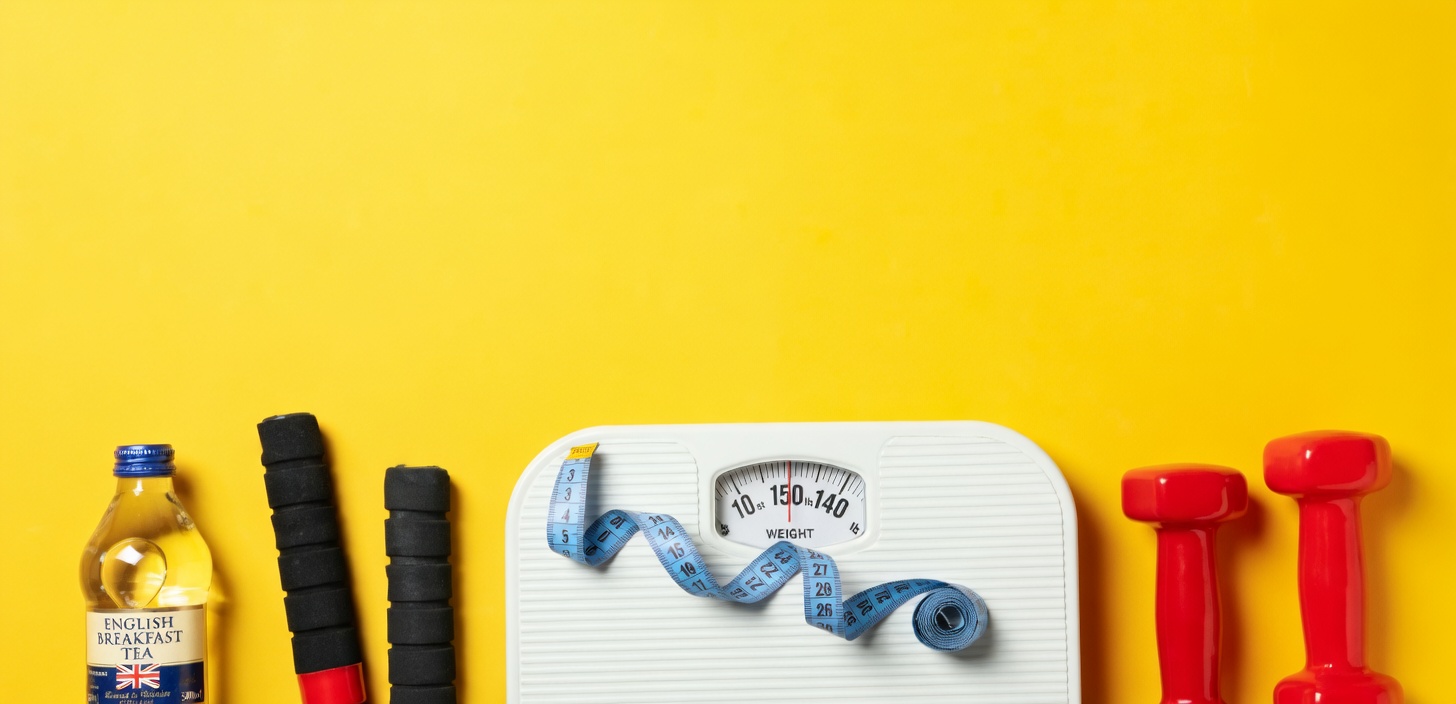
These changes are often what separate temporary weight loss from long-term success.
8. Add Regular Physical Activity
Nutrition plays a major role in weight loss, but exercise is also an important piece of the puzzle.
Physical activity can help you burn more calories, improve your mood, preserve muscle mass, and support long-term weight maintenance.
Good options include:
- Walking
- Jogging
- Cycling
- Swimming
- Strength training
- Home workouts
- Fitness classes
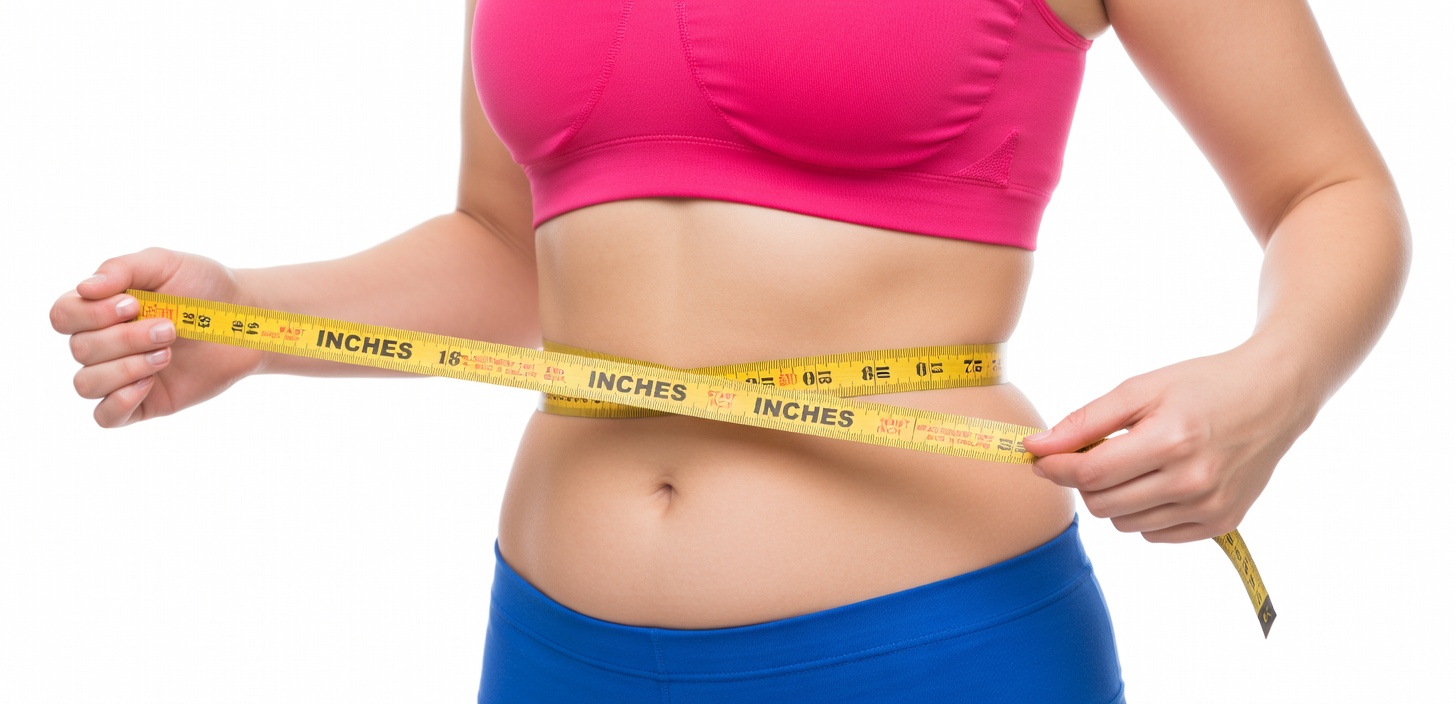
You do not need to start with intense workouts. Even moderate activity done consistently can make a difference. The most effective exercise plan is the one you can stick with.
A mix of cardio and strength training is often ideal for losing fat while maintaining muscle.
Final Thoughts on Losing 30 Pounds
If you want to lose 30 pounds fast and safely, focus on habits that are practical and sustainable.
To recap, your plan should include:
- Reducing daily calorie intake
- Eating a high-protein breakfast
- Limiting processed carbohydrates
- Eating more vegetables
- Increasing fiber
- Drinking more water
- Building healthier daily routines
- Exercising regularly
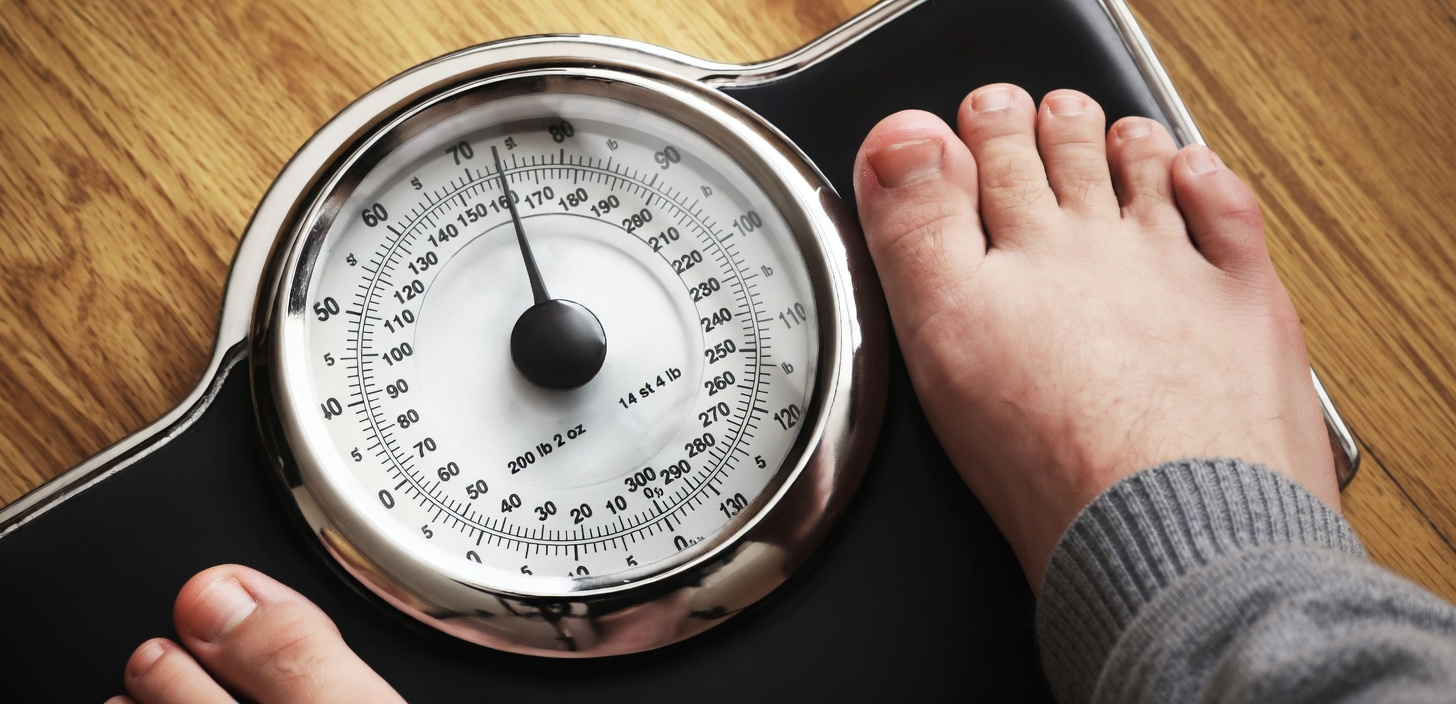
Losing 30 pounds takes commitment, patience, and consistency. Quick fixes rarely lead to lasting results. But when you make smart, healthy adjustments to your daily life, you can reach your target weight and keep it off for good.