Simple and Effective Ways to Lose Face Fat and Reduce Facial Puffiness
Slimming your face can feel challenging, especially because you cannot fully control where your body loses fat first.
Many people become frustrated by extra fullness in the face, whether it shows up as a double chin, round cheeks, or general puffiness.
The truth is that there is no instant trick for getting a slimmer face or a more defined jawline. However, healthy daily habits can make a noticeable difference over time.
Improving your lifestyle does more than reduce facial fullness. It can also support better skin, a healthier body weight, and stronger overall wellness.
The good news is that there are practical, natural strategies that may help your face appear leaner and less swollen.
In this guide, we’ll look at how to lose face fat and reduce puffiness with simple, realistic habits.
How to Lose Face Fat Naturally
In many cases, facial weight gain is linked to inflammation, fluid retention, increased body fat, or overall weight gain.
Some people are also naturally more likely to carry extra weight in the face. This may be influenced by:
- Genetics
- Bone structure
- A softer jawline
- Low physical activity
- An unbalanced diet

A diet high in ultra-processed foods can especially make matters worse. These foods often contribute to:
- Water retention
- Swelling
- Bloating
- Poor skin quality
While you cannot spot-reduce fat from only one part of your body, there are natural ways to support a slimmer-looking face.
Before spending money on cosmetic procedures such as Botox or facial liposuction, it makes sense to start with healthy lifestyle changes that can reduce face puffiness and support overall fat loss.
11 Simple Ways to Slim Your Face
1. Try facial exercises
Facial exercises are often suggested as a natural way to tone the muscles of the face and improve facial appearance.
Some research supports the idea that these exercises may help strengthen facial muscles. A 2014 review published in the Journal of Clinical & Diagnostic Research suggested that facial movements may improve muscle tone, although it did not directly confirm fat loss in the face.

Even so, facial workouts may help improve how firm and lifted your face looks, especially as skin loses elasticity with age and collagen production slows down.
Many trainers and beauty professionals recommend facial exercises to:
- Tone facial muscles
- Reduce the appearance of sagging
- Improve skin tightness
- Support a firmer look
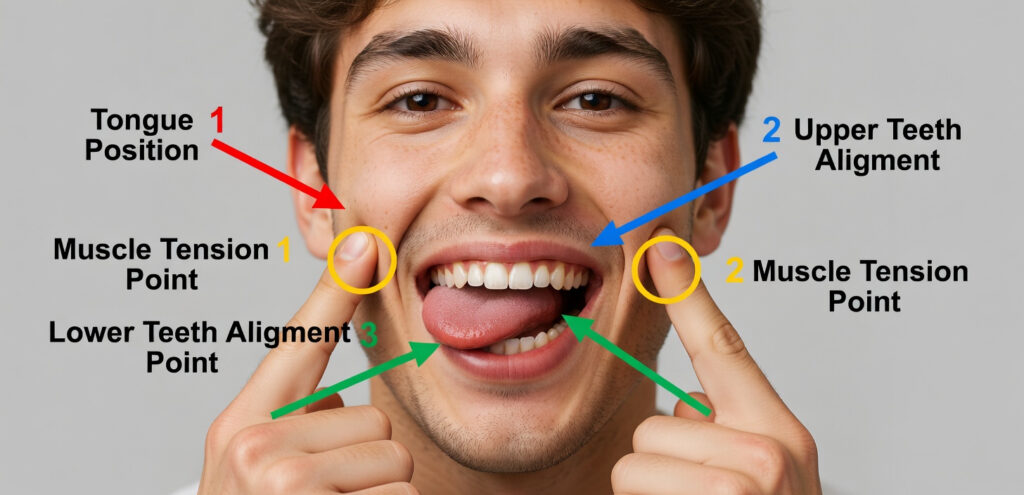
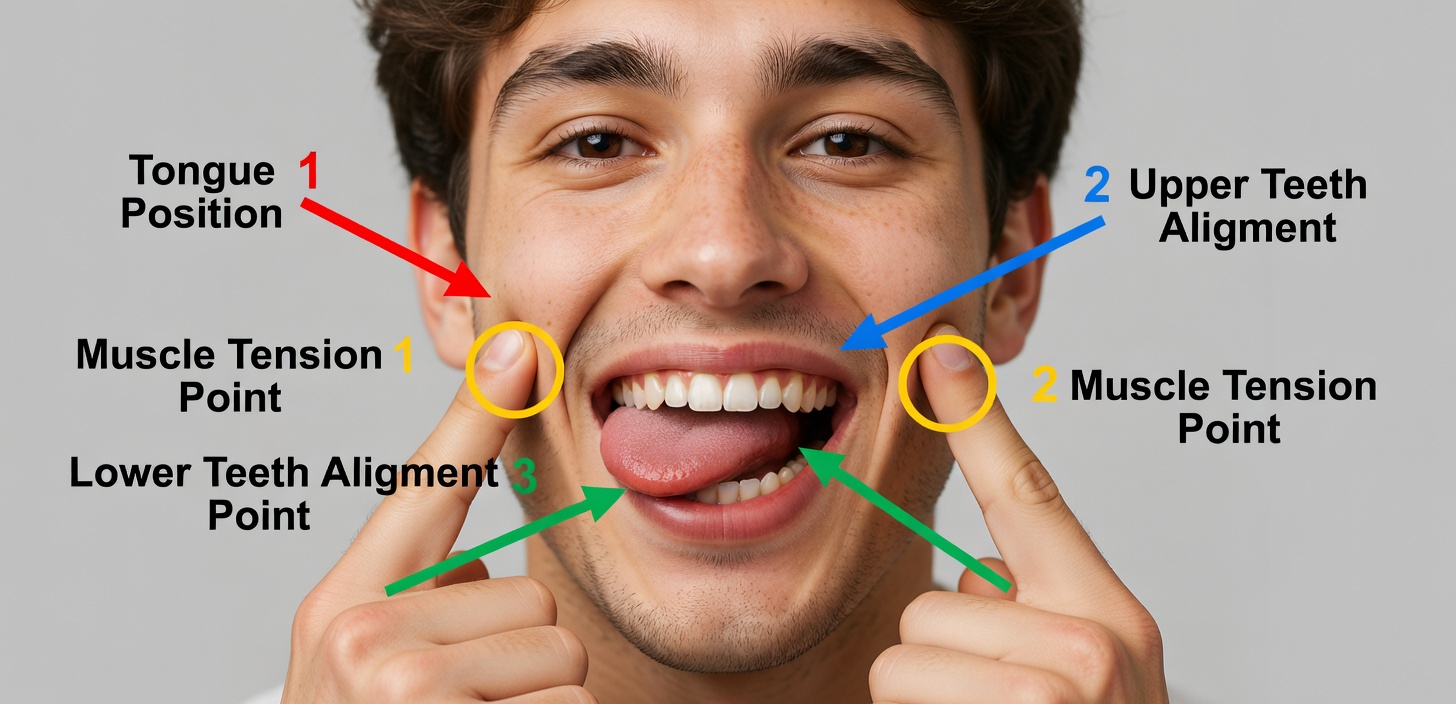
One well-known move is the cheek squeeze.
How to do the cheek squeeze
- Tilt your head back slightly so your chin points upward.
- Suck in your cheeks to make a fish-face shape.
- Hold for 5 seconds.
- Repeat up to 15 times.
This exercise may help build muscle tone in the cheeks and improve the overall appearance of the face.

Other tools and techniques are also popular. For example:
- Eye movements may help engage facial muscles
- A jade roller may reduce temporary puffiness around the face and eyes
- Devices such as Pao have been studied for their possible role in facial muscle development and rejuvenation
Although these methods may be promising, more research is still needed to confirm how effective facial exercises are for reducing a chubby face or double chin.
If you want a more personalized plan, consider speaking with a trainer or specialist who focuses on facial exercise routines.
2. Add cardio to your routine
One of the most common causes of excess fat in the face is overall body fat gain.
That means if you lose weight through regular exercise, your face may also become slimmer.
Cardio is especially helpful because it raises your heart rate and helps your body burn calories. When combined with strength training, it can be an effective approach for reducing body fat.
Benefits of cardio may include:
- Increased calorie burn
- Better fat loss
- Reduced inflammation
- Less water retention
- Improved overall fitness
These changes may help reduce facial puffiness and create a leaner look.
Good cardio options include:
- Jogging
- Running
- Cycling
- Dancing
- Brisk walking
Staying active consistently is often more important than choosing the “perfect” workout.
3. Drink more water
Hydration plays a major role in how your face looks.
When you are dehydrated, your body may hold on to extra water, which can make your face appear swollen or puffy.
A simple habit is to drink a glass of water first thing in the morning and continue drinking regularly throughout the day.
Drinking enough water may help:
- Reduce fluid retention
- Minimize swelling
- Support weight management
- Decrease unnecessary snacking
In fact, one small study found that drinking water before meals may reduce the number of calories eaten during that meal.
Water may also support metabolism, which can help increase the number of calories your body burns throughout the day.
4. Cut back on alcohol
Alcohol is often high in calories and low in nutritional value.
An occasional drink is unlikely to ruin your progress, but frequent or excessive alcohol intake can contribute to:
- Bloating
- Facial puffiness
- Weight gain
- Dry skin
- Hormonal imbalance

Over time, alcohol can also promote fat storage in other areas of the body, especially around the abdomen.
Heavy drinking may affect liver function as well, which can impact hormones and contribute to a tired, puffy appearance.
To keep alcohol from interfering with your goals, it may help to stay within moderate drinking guidelines:
- Women: up to 1 drink per day
- Men: up to 2 drinks per day
You can also make smarter choices by:
- Choosing lower-calorie mixers
- Avoiding oversized pours
- Picking wine or lighter options over high-calorie cocktails
5. Reduce refined carbohydrates
Refined carbs are a common part of many diets, but they can make weight management harder.
Foods such as crackers, white pasta, chips, pastries, and sweets are often highly processed and stripped of much of their original nutritional value.
These foods may contribute to:
- Weight gain
- Increased fat storage
- Blood sugar spikes
- Overeating
- More cravings

Although there is no direct proof that refined carbs specifically cause face fat, they can contribute to overall fat gain, which may also show up in the face.
Replacing refined carbs with more nutrient-dense options can support healthy weight loss and indirectly help slim your face.
Better carbohydrate choices include:
- Whole grains
- Oats
- Brown rice
- Quinoa
- Fruits
- Vegetables
A more balanced diet can also improve skin health and reduce bloating.
6. Get enough sleep
Sleep is one of the most overlooked factors in weight management and overall health.
Getting enough quality rest helps your body regulate hunger, energy levels, stress hormones, and recovery. All of these can influence body weight and, in turn, how much fullness appears in the face.
Poor sleep may contribute to:
- Increased cravings
- Weight gain
- Higher stress levels
- Fluid retention
- A tired, swollen appearance
For most adults, around 6 to 8 hours of quality sleep each night is commonly recommended.
Creating better sleep habits may help support a healthier weight and a less puffy face.
Helpful sleep habits include:
- Going to bed at the same time each night
- Limiting screen time before sleep
- Avoiding heavy meals late in the evening
- Cutting back on alcohol and excess caffeine
- Keeping your bedroom cool and dark

Key Takeaway
If you want to lose face fat and reduce puffiness, the best approach is not a quick fix but a healthier lifestyle overall.
The most effective strategies include:
- Doing facial exercises
- Adding regular cardio
- Staying hydrated
- Limiting alcohol
- Cutting down on refined carbs
- Getting enough sleep
These habits can help reduce bloating, improve skin appearance, and support total body fat loss, which may lead to a slimmer face over time.

Final Thoughts
A leaner face usually comes as part of broader healthy changes rather than one targeted solution.
While you may not be able to choose exactly where fat comes off first, staying consistent with smart nutrition, exercise, hydration, and recovery can make a real difference.
If your facial puffiness feels severe or persistent, it may be worth speaking with a healthcare professional to rule out any underlying cause.