4 Simple Steps to Lose Fat and Transform Your Body for Good
If you want to lose excess body fat and reshape your body, here’s the good news: it can be done. And the process does not have to be miserable, extreme, or complicated.
A lot of people chasing a body transformation search for one magic answer. They look for the latest supplement, a trendy detox, or an intense workout program that promises fast results. But the truth is much simpler.
There is no hidden trick, miracle pill, or powerful ritual that will instantly change your body.
Real transformation comes from practical, proven habits that improve your body from the inside out. These methods may not sound exciting, but they work.
If you’ve been putting in effort without seeing lasting results, it may be time to focus on the right foundation. Below is a 4-step strategy to help you lose fat, improve your physique, and create results that last, while still keeping balance in your life.
These are not shortcuts or weight loss gimmicks. But if you stay consistent, they can lead to long-term success.
Related Fitness Reads
- 7 Exercises That Will Transform Your Whole Body in Just 4 Weeks
- This 4-Move Resistance Band Workout Builds Full-Body Strength in Just a Month
- How to Build Muscle with Bodyweight Exercises in 22 Days
1. Build a Healthy Lifestyle First
Every fitness journey is different. Some people want to get leaner, while others want to build more muscle and strength.
No matter what your goal is, lasting progress begins with your lifestyle. That means making better food choices, moving more often, and creating habits that support your health.
One of the biggest factors in body transformation is nutrition. In many cases, your diet contributes to the majority of your results.
If your current routine is not helping you reach your goals, take an honest look at your daily habits. Small, consistent changes in the way you eat and live can make a huge difference.
Without changing your routine, you cannot expect your body, fitness level, or health to change either.
That brings us to the next step: nutrition.
2. Structure Your Diet Around Good Nutrition
If your goal is fat loss and body transformation, what you eat and drink matters a lot.
A well-structured diet built around nutrient-dense foods can support fat loss, energy, recovery, and overall health. It is also important to reduce empty liquid calories from sugary drinks and similar beverages.
To build a better diet, start by understanding the three main macronutrients:
- Protein
- Carbohydrates
- Fats
All three are essential. Each one plays a different role in keeping your body functioning properly and supporting your transformation goals.
Protein
Protein is vital for the body. It supports your hair, skin, nails, organs, muscles, bones, tendons, and blood components. It also helps maintain proper acid-base balance in the body.
For the average adult, the general recommendation is around 0.8 grams of protein per kilogram of body weight per day. For a person weighing 150 pounds, that equals roughly 54 grams of protein daily.
However, your ideal intake may vary depending on:
- Activity level
- Age
- Health status
- Fitness goals
Protein is especially popular in fat loss diets because your body uses energy to digest it, which can slightly increase calorie burn.
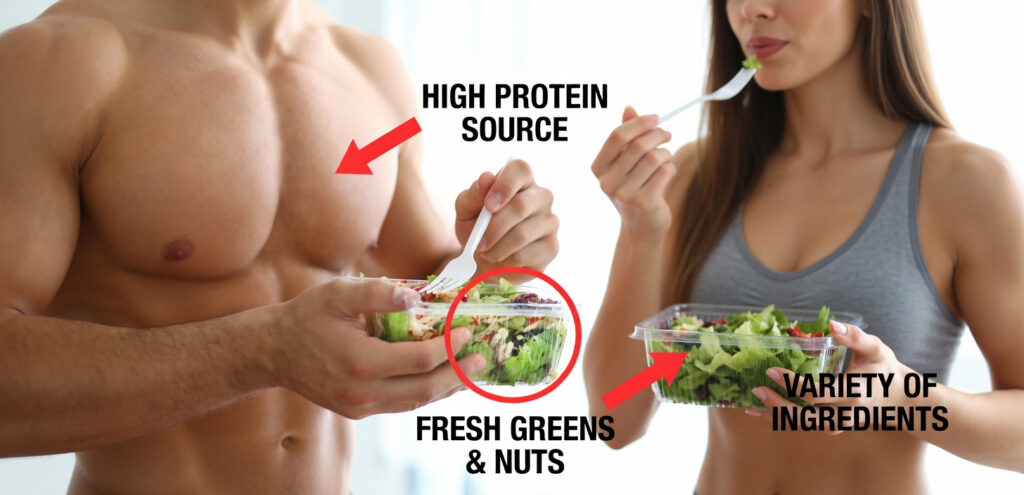
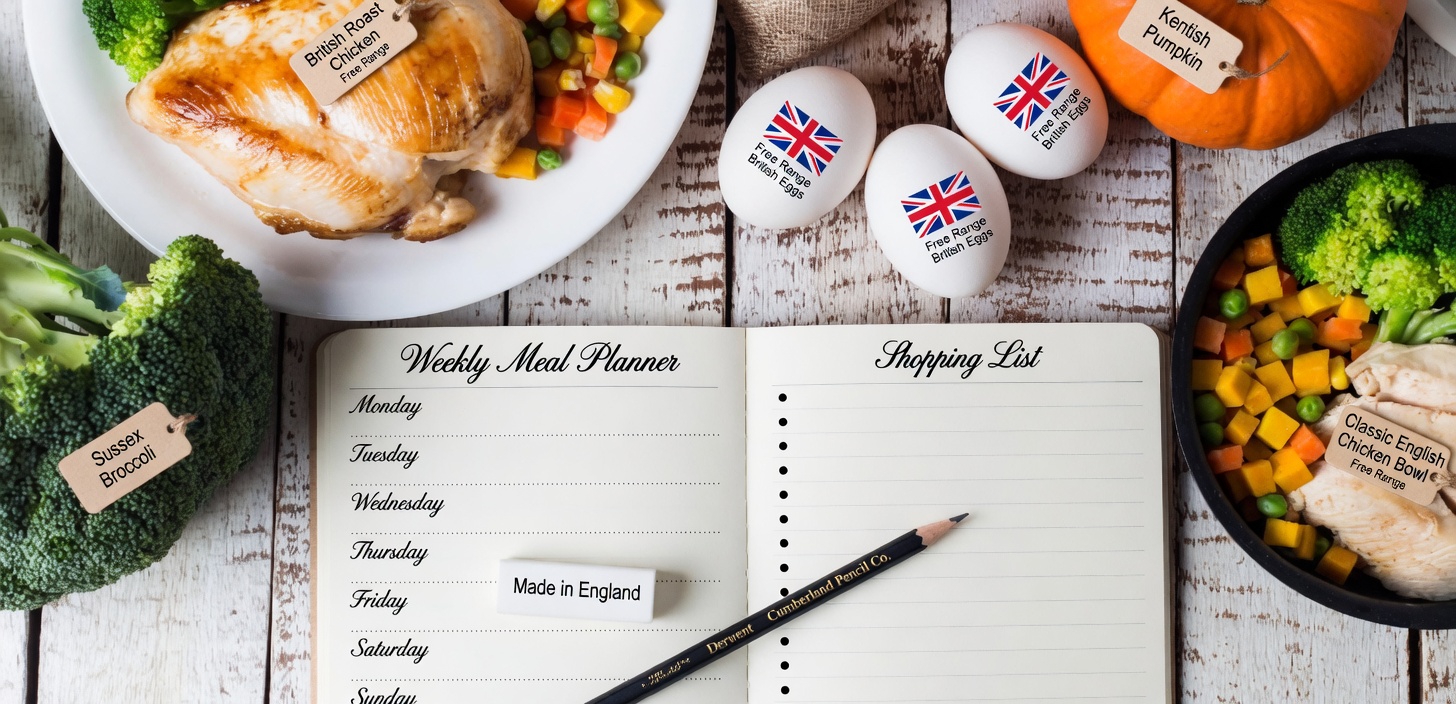
High-protein foods include:
- Beef
- Poultry
- Pork
- Eggs
- Yogurt
- Soybeans
- Fish
- Shellfish
- Beans
Healthy Fats
Fat is often misunderstood, but it is not the enemy. Healthy fats are important because they:
- Store energy
- Protect major organs
- Help your body absorb fat-soluble vitamins
A common guideline is to get 20% to 35% of your daily calories from fat.
The key is to focus on healthier fat sources, not highly processed or heavily saturated fats.
Good sources of healthy fats include:
- Avocado
- Nuts
- Olives
- Fish oil
Carbohydrates
Carbohydrates are your body’s main energy source. They fuel your muscles, organs, and brain, helping you stay active and function well throughout the day.
Although carb intake is often debated, the general recommendation is that 45% to 65% of your daily calories should come from carbohydrates.
As with protein and fat, the ideal amount may change based on your goal, age, and health needs.
For better nutrition, prioritize complex carbohydrates such as:
- Vegetables
- Fruits
- Other whole-food carb sources
These foods offer vitamins, minerals, and fiber, while simple carbs are often lower in nutrients and higher in empty calories.
How to Put Your Meals Together
A balanced diet should include all three macronutrients regularly.
For example:
- Dinner idea: baked broccoli and bell peppers with nut-crusted halibut
- Breakfast idea: chia pudding made with almond milk, topped with shredded coconut and fresh berries
The goal is to build meals around whole, nourishing foods that support both fat loss and long-term health.
3. Keep Your Calorie Balance in Check
Calorie balance is the relationship between the calories you consume and the calories you burn.
This matters because it affects whether you:
- Lose weight
- Gain weight
- Maintain your current weight
If you want to lose fat and transform your body, it helps to calculate how many calories you need each day to support that goal.
One of the easiest ways to estimate this is by using an online calorie calculator. By entering details like your:
- Current weight
- Goal weight
- Age
- Activity level
you can get a reasonable estimate of your daily calorie target.
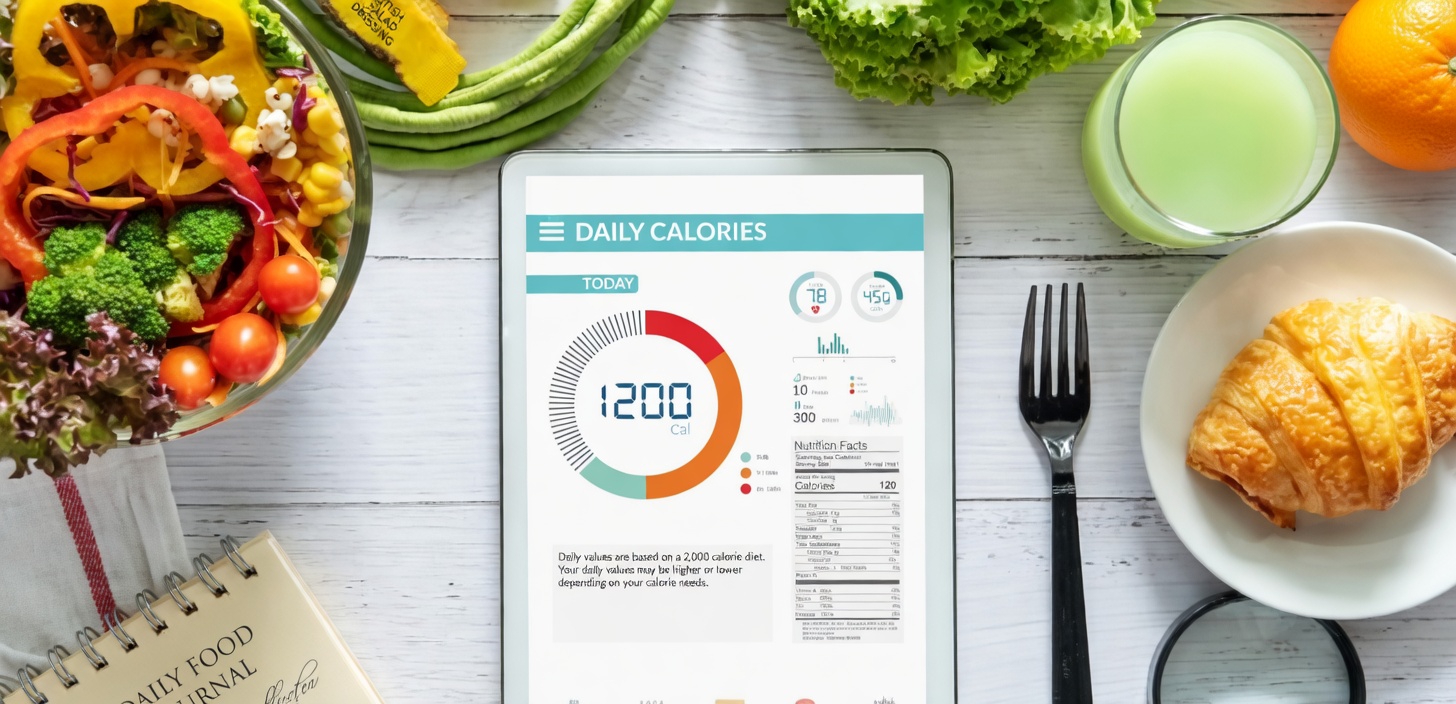
Once you know that number, you can divide your calories into macronutrients. A common macro range looks like this:
- Protein: 10% to 30% of total calories
- Carbohydrates: 45% to 65% of total calories
- Fats: 25% to 35% of total calories
Example Daily Macro Breakdown
For someone consuming 2,192 calories per day for fat loss, the breakdown might look like this:
- Carbohydrates: 232 g, or 42.3% of calories
- Protein: 152 g, or 27.7% of calories
- Fat: 73 g, or 30.0% of calories
From there, meal planning becomes much easier. Try to base most of your meals on whole foods rather than highly processed options.
4. Combine Diet With the Right Workouts
Healthy eating is essential, but exercise is also a major part of losing fat and changing your body.
The next question is: what kind of workouts should you do?
The good news is that all movement is beneficial for your body and health. But if your main goal is fat loss, some types of training can help you get there more efficiently.
Certain workouts burn more calories, improve fitness, and support muscle growth better than others.
Cardio for Fat Loss
Cardio is effective for:
- Burning calories
- Improving heart health
- Building endurance
- Supporting overall fitness
Strength Training for Muscle and Metabolism
Weight training is especially powerful because it helps you:
- Lose fat
- Build lean muscle
- Increase your metabolism
Muscle burns more calories than fat, even when your body is at rest. That means the more lean muscle you have, the more calories you may burn throughout the day, including while sleeping.
For the best body transformation results, many experts recommend combining cardio and strength training.

Sample Weekly Workout Plan for Fat Loss
A simple fat-loss workout schedule could look like this:
- Monday: Weight training
- Tuesday: Cardio
- Wednesday: Weight training
- Thursday: Cardio
- Friday: Weight training
- Saturday: Rest or recovery
- Sunday: Rest or recovery
Best Strength Exercises to Focus On
For strength training, prioritize compound movements that work multiple muscle groups at once. These exercises are especially effective for building strength and burning calories.
Good examples include:
- Squats
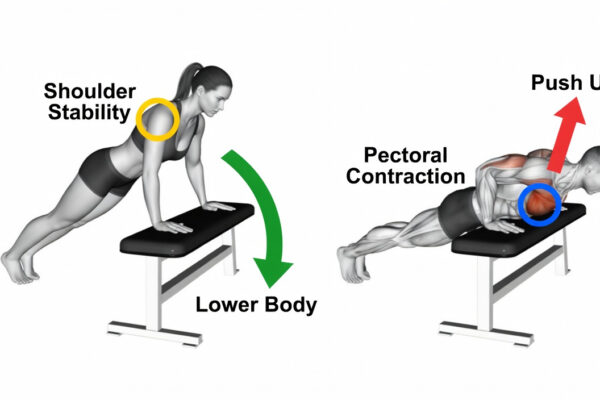
- Push-ups
- Deadlifts
- Lunges
- Planks
- Renegade rows
Best Cardio Approach
For cardio, mix both:
- Low-intensity cardio
- High-intensity interval training (HIIT)
This combination can help improve fitness while supporting faster fat loss.
Final Thoughts
There is no secret shortcut to losing fat and transforming your body. The real answer is much more reliable: build a healthy lifestyle, improve your nutrition, manage your calorie intake, and train consistently.
These habits may seem basic, but they are the foundation of real, lasting results.
If you focus on these four strategies and stay patient, you can create a stronger, leaner, healthier body that is built to last.