Proven Ways to Reduce Belly Fat
Excess fat around the stomach—especially visceral fat—can be dangerous for your health. This deep abdominal fat has been associated with serious conditions such as type 2 diabetes and heart disease.
The fat you can see or pinch just under the skin is called subcutaneous fat. While it may affect appearance, it is not the most harmful type.
The bigger concern is the deep belly fat hidden beneath that layer. It cannot be pinched, is easy to overlook, and tends to build up over time. Even people who appear slim can still carry too much visceral fat and face increased health risks.
Reducing stubborn stomach fat is not always easy, but the right habits can make a real difference. Below are 5 science-backed tips to lose belly fat and improve overall health.
You may also like:
- How To Lose Belly Fat in 3 Days and Get a Flat Stomach: A Simple 3-Step Plan
- 11 Foods To Avoid To Lose Belly Fat Fast, Says a Dietitian
- 5 Drinks That Melt Stubborn Belly Fat, According to an RD
1. Eat More Soluble Fiber
A healthier diet is one of the best starting points for belly fat loss. Certain nutrients can help reduce fat buildup, and soluble fiber is one of the most effective.
Soluble fiber absorbs water and forms a gel-like substance in the digestive system. This slows digestion and can help you feel full for longer, making it easier to control hunger and manage daily calorie intake.
Research supports its role in reducing abdominal fat. In one study, every 10-gram increase in soluble fiber intake was linked to a 3.7% reduction in belly fat over 5 years.
To help fight stubborn stomach fat, include more high-fiber foods in your meals, such as:
- Beans like lima beans, black beans, and navy beans
- Oat bran
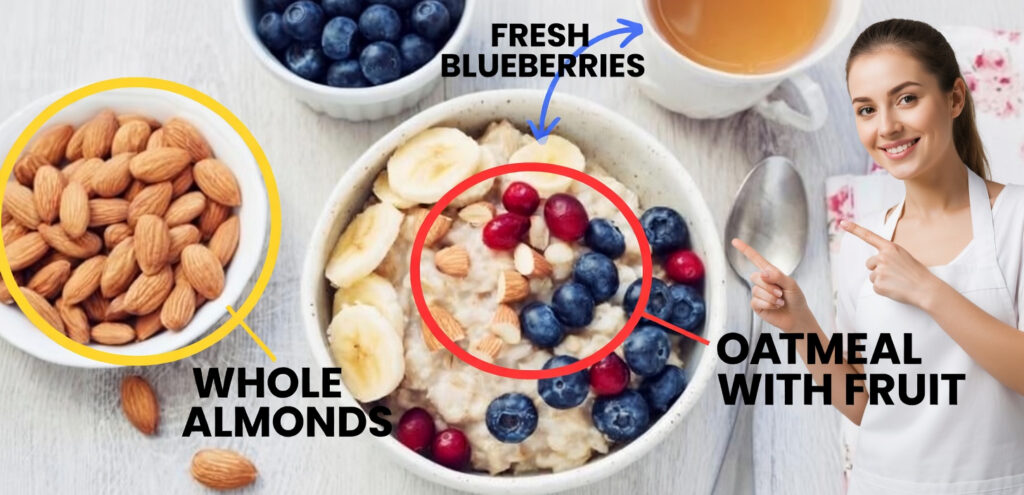
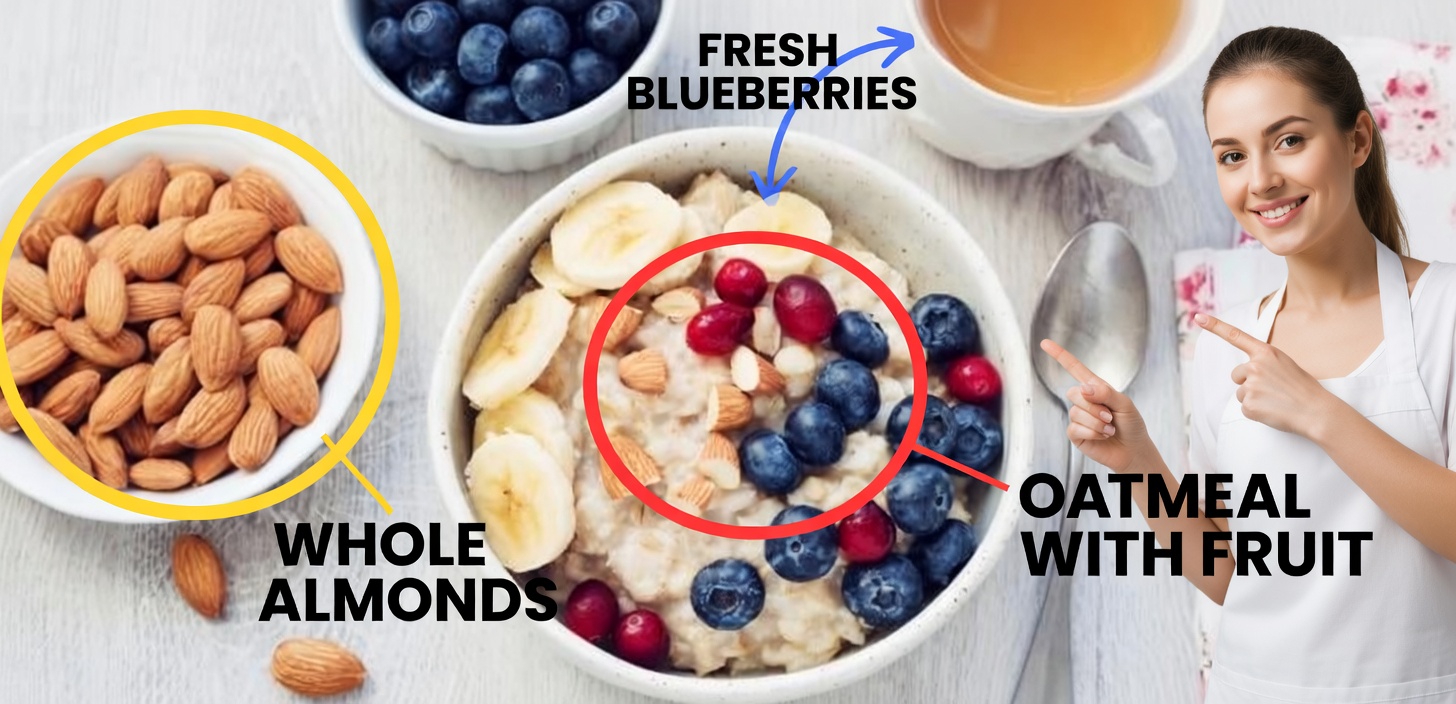
- Oatmeal
- Avocados
- Oranges
- Brussels sprouts
- Broccoli
2. Limit Alcohol Intake
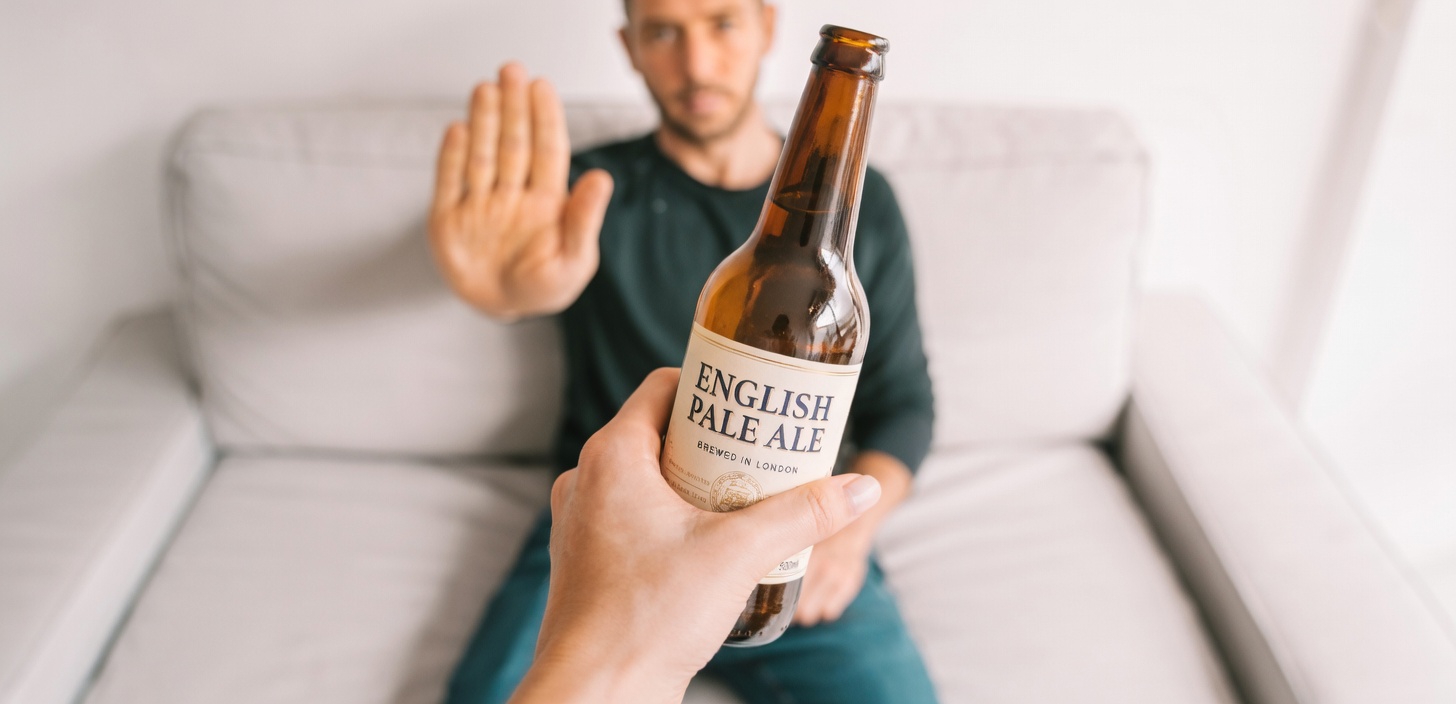
Drinking alcohol occasionally is not usually a major issue. However, regular or excessive alcohol consumption can negatively affect both your health and your waistline.
Studies suggest that even moderate alcohol intake may be connected to higher levels of visceral fat. Some research has also found links between alcohol use and increased testosterone levels in healthy adult women.
If your goal is to reduce belly fat and slim your midsection, it may help to drink less alcohol and keep intake moderate.

3. Manage Stress Better
Stress is another often-overlooked factor that can contribute to belly fat.
When you are under stress, your body releases cortisol, a hormone that can increase appetite and encourage fat storage—especially in the abdominal area.
Research shows that women with larger waistlines may produce more cortisol during stressful situations, which can make them more likely to store additional visceral fat.
To support belly fat loss, try to lower stress levels with habits such as:
- Getting enough sleep
- Taking breaks and allowing time to recover
- Adding enjoyable activities to your routine
- Building healthier daily habits
4. Prioritize Protein
Losing stomach fat can take time, so it helps to focus on simple changes that deliver real results. One of the most effective is eating a high-protein diet.
Protein is essential for overall health, but it also plays an important role in weight management. It can help reduce appetite, improve fullness, and support fat loss.
A protein-rich diet may also:
- Boost metabolism
- Support lean muscle growth
- Help preserve muscle during weight loss
These benefits matter because lean muscle helps the body burn calories more efficiently.
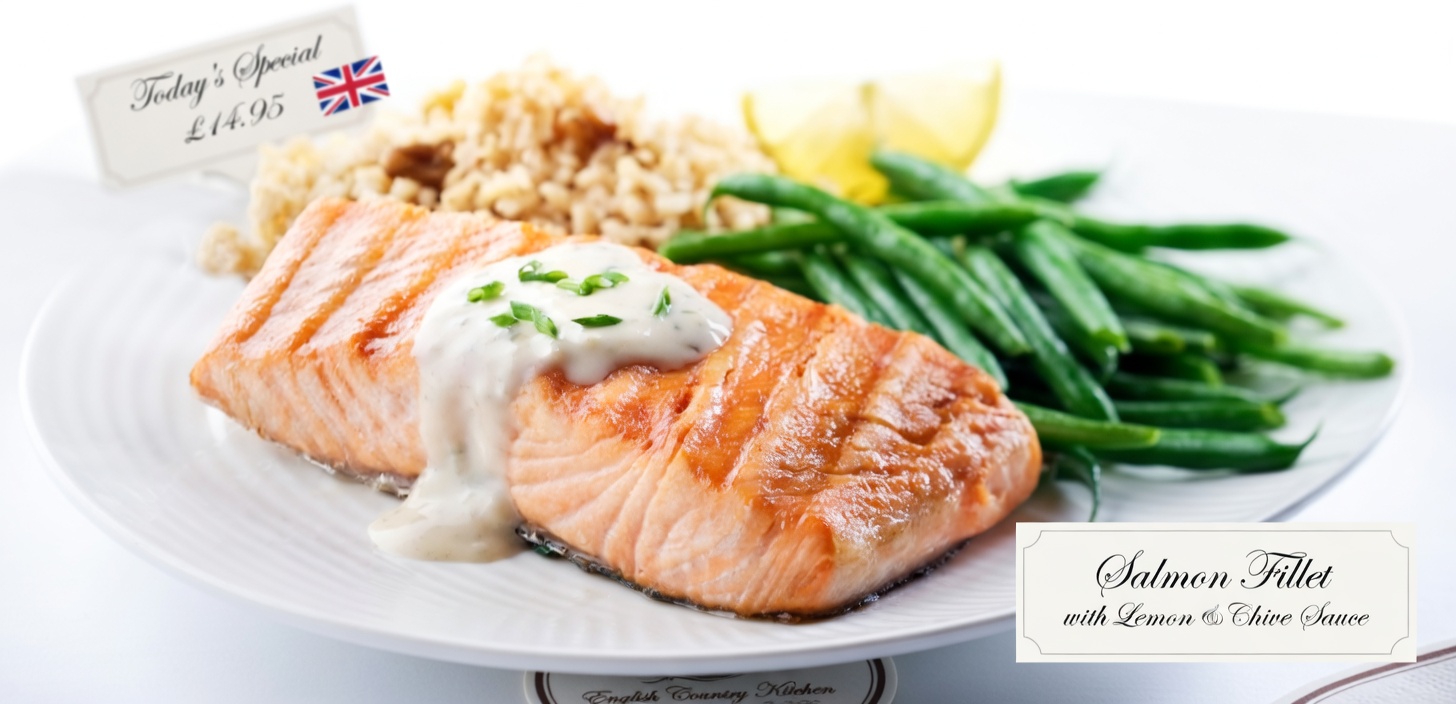
Some protein sources offer extra advantages. For example, fish and seafood provide omega-3 fatty acids, which are linked to lower visceral fat in research, including findings from animal studies.
Good high-protein foods to include are:
- Fish
- Chicken
- Beans
- Lean meat
- Seafood

5. Add More Cardio to Your Routine
Cardio is one of the most effective forms of exercise for burning calories and reducing body fat, including fat around the stomach.
Although more research is needed to determine whether moderate-intensity or high-intensity cardio works better for fat loss, one thing is clear: consistent aerobic exercise helps burn calories.
This does not have to be complicated. Simple options can still be effective, such as:
- 5 minutes of jump rope
- A 20-minute treadmill run
- A brisk walk
- Cycling or other aerobic activities
If you already do strength training, adding just 10 minutes of cardio a day can help increase calorie burn and support belly fat loss.
Final Thoughts
If you want to lose belly fat, focus on habits that target visceral fat and improve overall health. Eating more soluble fiber, reducing alcohol, managing stress, increasing protein, and doing regular cardio can all help you shrink your waistline over time.
The key is consistency. Small daily actions can lead to lasting results.