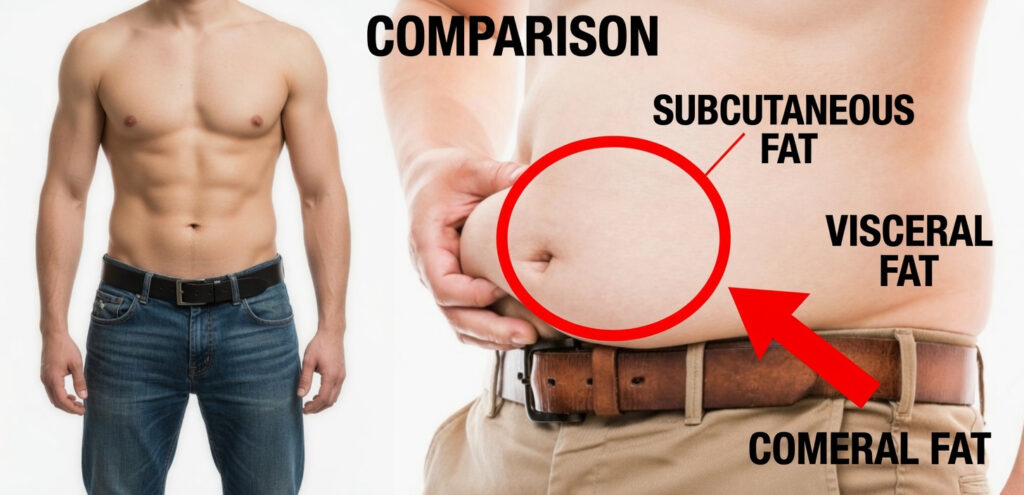
Why Belly Fat Often Appears First
The abdomen is one of the earliest places where the body tends to store excess fat.
High levels of visceral belly fat are strongly linked to major health concerns, including metabolic syndrome, stroke, heart disease, cancer, and diabetes.
Reducing excess abdominal fat is important for better long-term health and quality of life. While there is no single miracle solution for losing belly fat, the good news is that several practical habits can help reduce it over time.
Understanding the Different Types of Body Fat
Body fat is not inherently bad. In fact, it is essential for overall health. It supports important metabolic processes, stores energy, protects organs, and helps regulate body temperature.
However, not all fat works the same way. The body contains three primary types of fat:
- Brown fat
- Beige fat
- White fat
Brown and beige fat can generate heat through a process called thermogenesis, which means they burn energy. White fat, by contrast, mainly stores energy. Most of the fat found in the human body is white fat, and this is the type that tends to increase with obesity.
White fat can be divided into three categories based on where it is stored:
- Subcutaneous fat
- Visceral fat
- Ectopic fat
Subcutaneous Fat
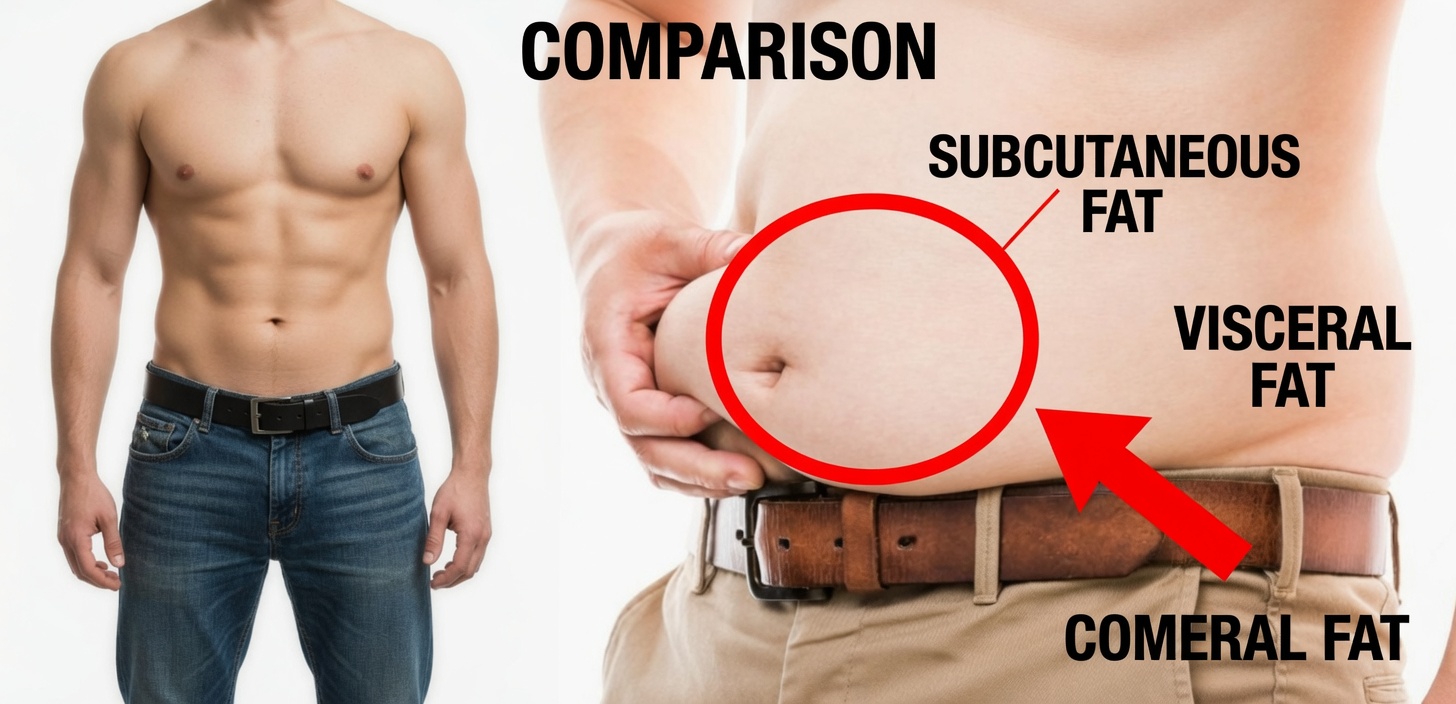
Subcutaneous fat sits directly under the skin. It is the soft fat you can pinch with your fingers. Some subcutaneous fat is normal and necessary, but too much can still be unhealthy.
That said, it is generally less dangerous than deeper fat deposits such as visceral and ectopic fat.
Ectopic Fat
Ectopic fat refers to fat that builds up in places where it should not normally be stored. Common areas include:
- The liver
- The pancreas
- The heart
- The muscles
This kind of fat is associated with serious health risks. Still, when it comes to a larger waistline and abdominal health, visceral fat is the primary concern.
Visceral Fat
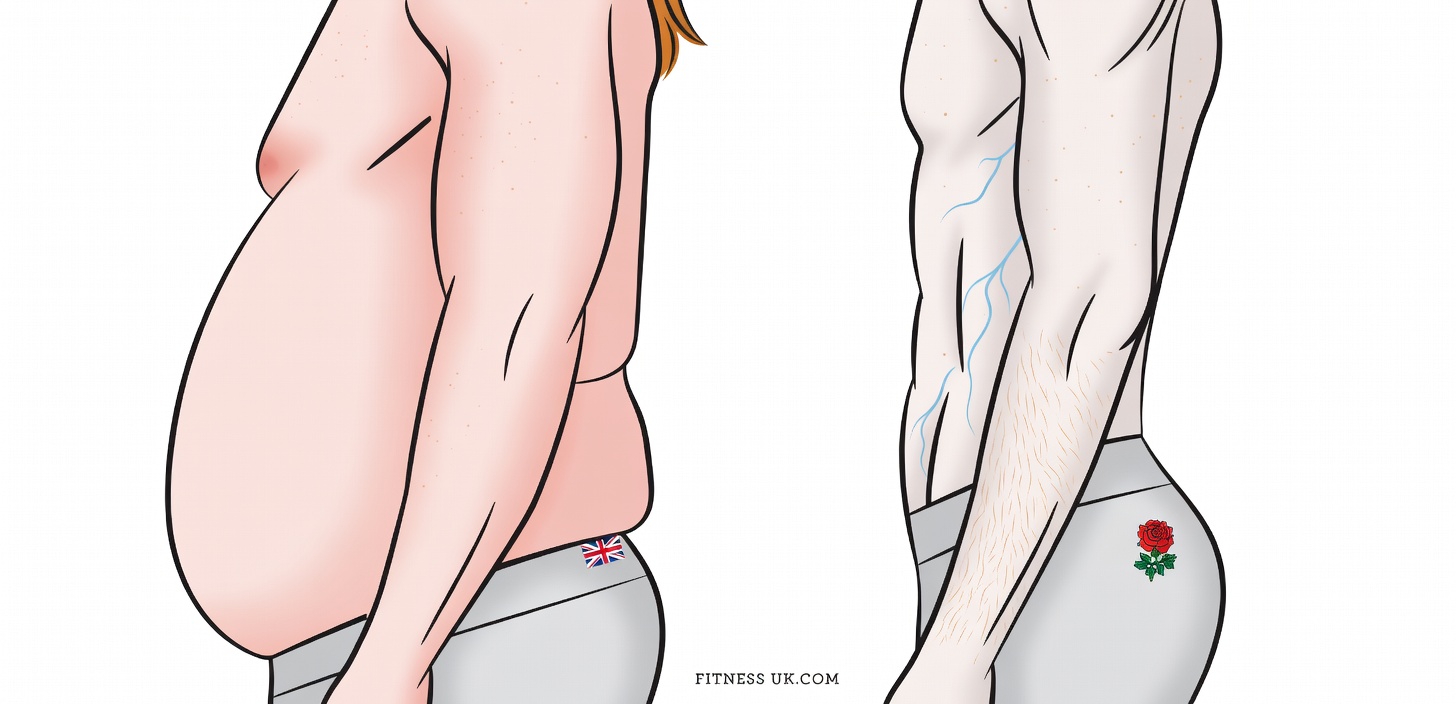
Visceral fat is stored deep inside the abdomen, surrounding the internal organs. This is the type of fat that contributes most to a protruding belly.
Belly fat includes both subcutaneous fat and visceral fat, but visceral fat is the more harmful type and the one most strongly linked to disease.
Too much visceral fat is associated with:
- Obesity
- Heart disease
- Type 2 diabetes
- Chronic inflammation
- Certain cancers
It is also important to remember that too little body fat can be harmful as well. Very low body fat levels may contribute to:
- Nutrient deficiencies
- Hormonal imbalance
- Metabolic issues
- Weakened immune function
- Osteoporosis
The Truth About Fat in the Diet
For many years, dietary fat was unfairly blamed for weight gain and poor health. As a result, many people began avoiding foods that were naturally rich in fat, even when those foods were highly nutritious.
This led to a drop in the intake of foods such as:
- Avocados
- Nuts
- Seeds
- Eggs
- Healthy oils
At the same time, many low-fat diets encouraged greater consumption of processed foods that were high in refined carbohydrates and added sugars. This shift often increased total calorie intake and contributed to rising obesity rates.
The reality is that fat is an essential part of a balanced diet. The key is choosing the right types.
Healthier Fats to Include
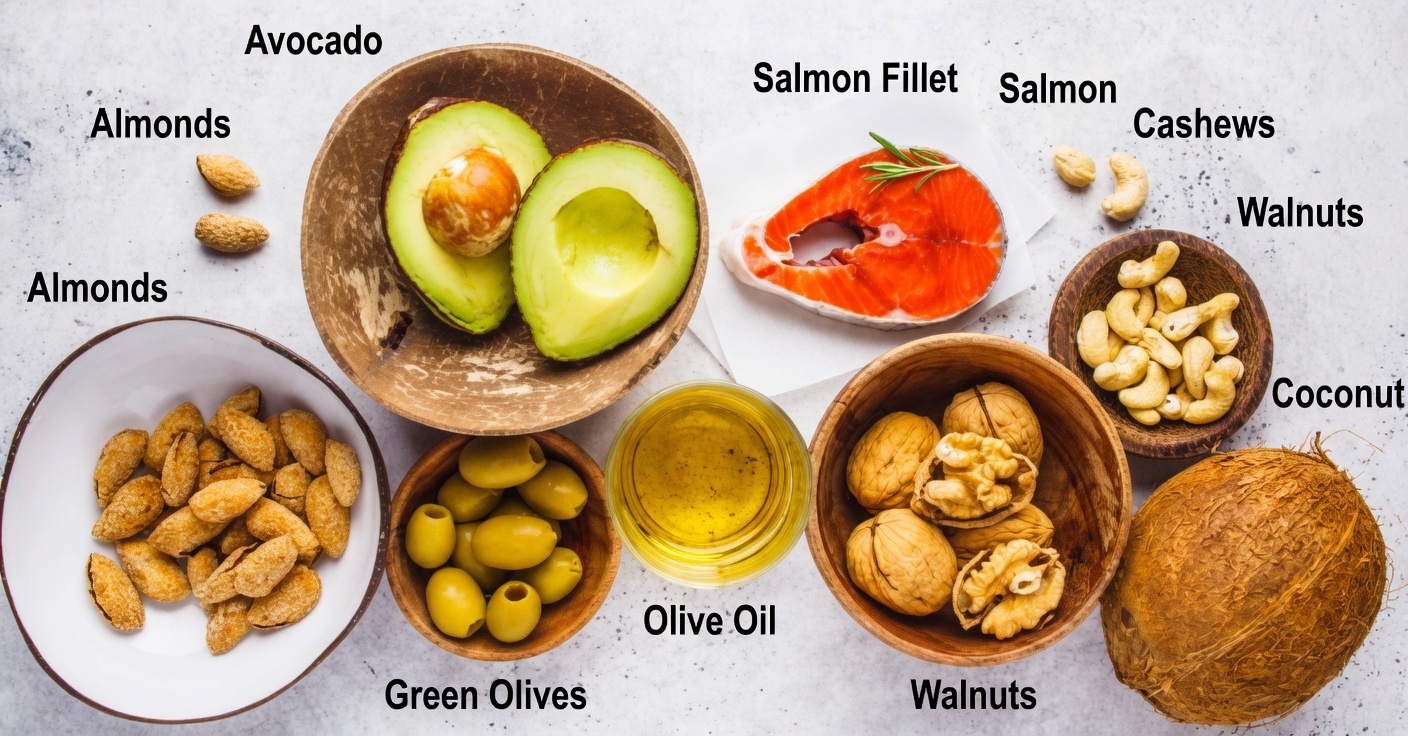
Monounsaturated and polyunsaturated fats are often considered the healthiest options. Foods rich in these fats include:
- Avocados
- Olive oil
- Nuts
- Seeds
- Fish
Saturated fat is often labeled as unhealthy, but some nutrient-dense foods naturally contain it, such as:
- Cheese
- Coconut oil
- Eggs
- Yogurt
Fats to Avoid
Artificial trans fats should be avoided whenever possible. These are commonly found in products made with partially hydrogenated oils, including:
- Fried foods
- Packaged baked goods
- Certain processed snacks
Ultimately, the main driver of body fat gain is regularly consuming more calories than the body burns, especially over time. This often leads to fat storage around the midsection.
Losing stubborn belly fat usually requires a combination of:
- Better eating habits
- Regular physical activity
- Healthy daily routines
3 Simple Ways to Start Reducing Belly Fat
1. Improve Your Eating Habits
One of the most effective ways to target belly fat is to build your meals around whole, minimally processed foods.
Processed foods are often high in:
- Refined grains
- Added sugar
- Added fats
- Artificial ingredients
- Empty calories
Whole foods stay close to their natural form and usually contain fewer unhealthy additives.
Examples of whole foods include:
- Whole grains
- Fruits
- Vegetables
- Legumes
- Nuts
- Seeds
- Eggs
- Meat
- Chicken
- Some dairy products
Certain foods that require light processing can still fit into a healthy diet, such as:
- Unsweetened Greek yogurt
- Nut butter
When buying packaged foods, always read the label to check for unnecessary additives and hidden sugars.
Avoid Sugary Drinks
Cutting back on sugar-sweetened beverages can help reduce visceral fat. Regular intake of sweet drinks is linked to increased belly fat.
Drinks to limit or avoid include:
- Soda
- Sweetened juices
- Energy drinks
- Sweet tea
- Sugar-loaded coffee drinks
Even fruit juice can contain a large amount of sugar. Better choices include:
- Water
- Lemon water
- Sparkling water
- Unsweetened tea
Eat More Fiber
Getting enough dietary fiber is associated with lower abdominal fat. A diet based mostly on whole foods makes it easier to meet your fiber needs.
High-fiber foods include:
- Vegetables
- Fruits
- Legumes
- Whole grains
- Nuts
- Seeds
Choose Healthy Fats
Including healthy fats in your meals can support better appetite control and may help reduce abdominal fat, especially when refined carbohydrates are reduced.
Good options include:
- Fish
- Avocados
- Nuts
- Seeds
- Coconut oil
- Grass-fed meats
Fill Your Plate With Vegetables
Vegetables add volume, nutrients, and fiber to meals, which helps you feel full without adding too many calories.
Add Protein to Every Meal
Protein helps control hunger, reduce cravings, and lower overall calorie intake. A higher-protein diet combined with a modest calorie reduction may be especially helpful for lowering visceral fat.
Simple ways to eat more protein include:
- Add nuts to unsweetened Greek yogurt
- Top toast with egg and avocado
- Mix protein powder into oatmeal or smoothies
- Stir sunflower seeds into cottage cheese
- Snack on string cheese
- Scramble eggs with peppers and onions
- Add nuts and seeds to salads
- Dip apple slices in peanut butter
2. Exercise Consistently to Burn Belly Fat
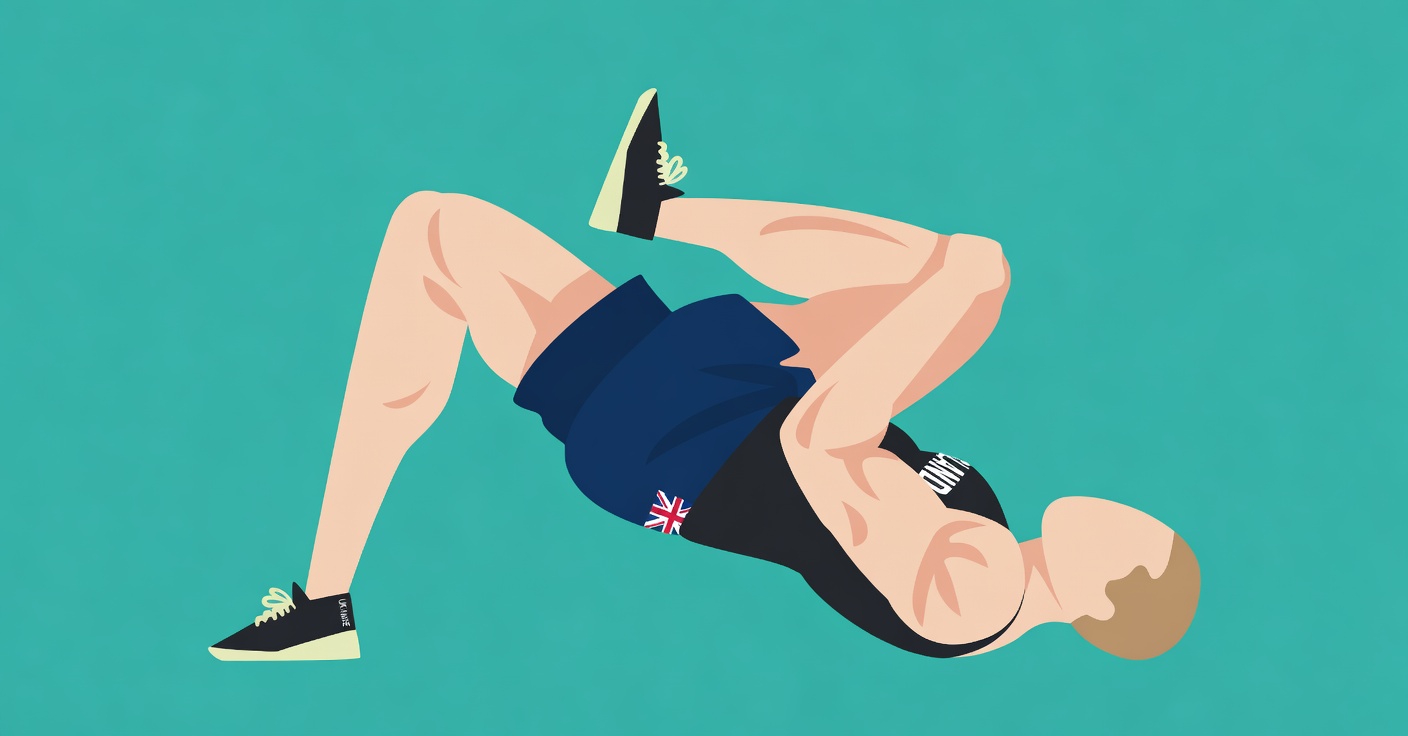
Regular exercise is another key step in reducing stubborn belly fat. Aim to move your body every day for at least 30 minutes.
Outdoor activities can include:
- Walking
- Hiking
- Cycling
- Swimming
If your schedule is busy, break activity into smaller sessions, such as:
- A 15-minute walk in the morning
- A 15-minute walk in the evening
The goal is consistency. Daily movement matters.
If you prefer indoor exercise, there are many effective choices:
- Home workout videos
- Dance workouts like Zumba
- Yoga sessions
- Gym classes
For best results, combine different types of exercise:
- Cardio
- Strength training
- Core-focused workouts
Easy at-home exercises include:
- Burpees
- Planks
- Jump rope
- Running in place
- Squats
- Crunches
Before starting a new fitness routine, speak with your doctor to make sure it is safe for your individual health needs.
3. Build Healthy Lifestyle Habits
Healthy eating and exercise are essential, but other daily habits also play a major role in managing abdominal fat.
Stay Hydrated
Choose calorie-free drinks throughout the day. If plain water feels boring, try:
- Lemon water
- Sparkling water
- Unsweetened iced tea
Prioritize Good Sleep
Getting enough quality sleep is important for weight management and overall health. Poor sleep can make belly fat harder to lose and may affect hunger, cravings, and energy levels.
Be Consistent
Lasting change comes from repeated daily habits, not quick fixes. Small choices made consistently can lead to meaningful improvements over time.
Focus on Long-Term Health
The goal is not only a smaller waistline, but also better energy, improved metabolic health, and lower disease risk.
Final Thoughts
Belly fat, especially visceral fat, is more than a cosmetic concern. It is closely tied to several serious health problems, including heart disease, diabetes, inflammation, and cancer.
There is no instant method to get rid of it, but a realistic strategy can make a big difference. Start with these three foundations:
- Eat mostly whole, nutrient-dense foods
- Exercise every day
- Support your body with healthy lifestyle habits
With patience and consistency, these simple steps can help reduce stubborn belly fat and improve your overall health.