
How to Lose Weight Fast in 2 Weeks
Need to slim down for a wedding, reunion, vacation, or another big event?
If you planned to start earlier but life got busy, you are not alone. Many people find themselves with just two weeks left and wonder whether fast weight loss is still realistic.
The short answer is yes, it is possible to lose weight in 2 weeks. With a steady plan, patience, and healthy habits, you can make noticeable progress in 14 days.

That said, rapid weight loss should be approached carefully. It is easy to get pulled into crash diets, detoxes, or weight loss pills when time feels tight. Those methods are rarely healthy and usually do not deliver lasting results.
A better strategy is to focus on a safe calorie deficit, balanced meals, and consistent movement. Not only can this help you drop a few extra pounds, but it can also serve as the starting point for a healthier lifestyle.
Can You Really Lose Weight in 14 Days?
Weight loss looks different for everyone. Your results may depend on factors like metabolism, body composition, age, activity level, and starting weight.
In general:
- Men may lose weight a little faster because they often carry more muscle mass
- Women may lose weight more gradually
- Water retention can also affect what the scale shows in a short period
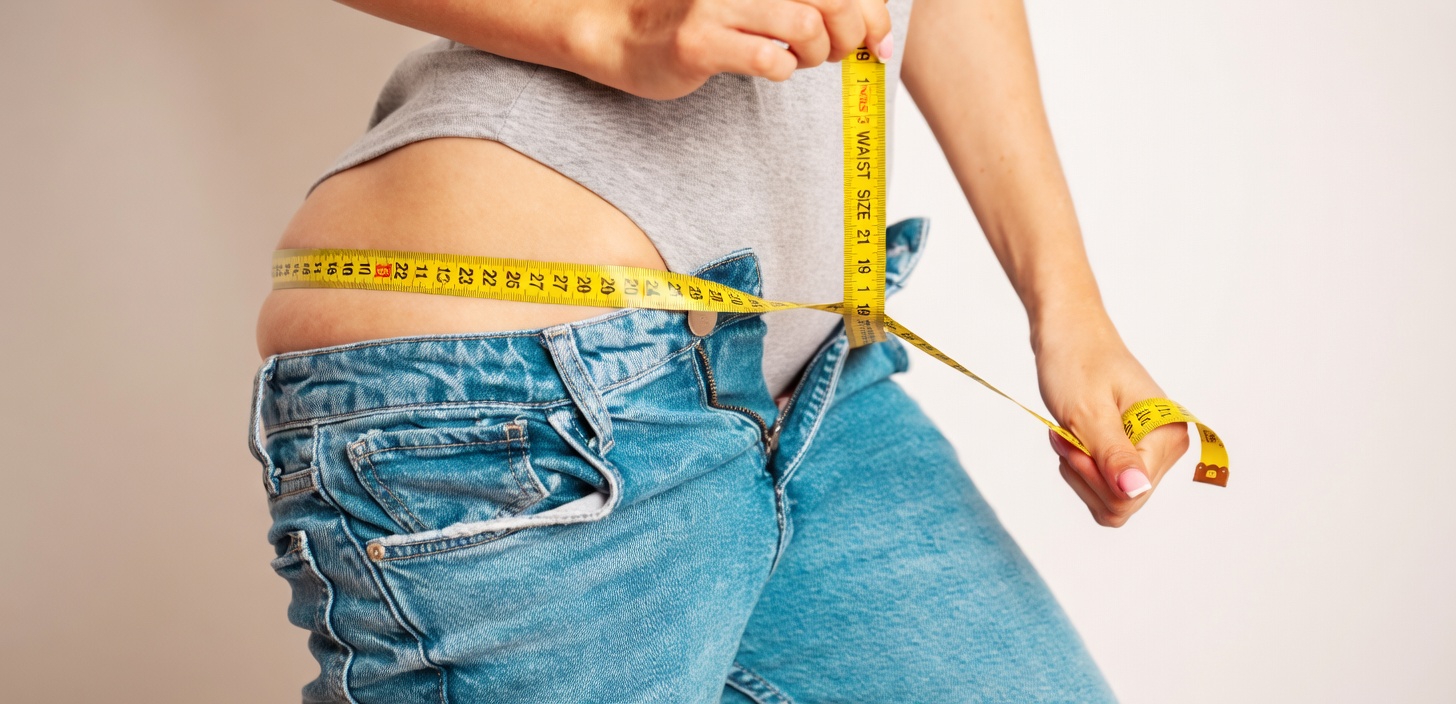
The main principle remains the same: you need to burn more calories than you consume.
Because two weeks is a short window, many people are tempted to overdo it with extreme workouts, severe calorie restriction, or skipping meals. While that might sound effective, it is usually hard to maintain and can leave you exhausted, overly hungry, and more likely to regain weight later.
The smarter approach is to create a well-planned calorie deficit supported by nutritious foods and the right exercise routine.
11 Quick Tips to Lose Weight Fast in 2 Weeks
1. Create a Calorie Deficit
If you want to lose weight in two weeks, you need to pay close attention to your calorie intake.
A useful rule to remember is:
- 1 pound of body weight is roughly equal to 3,500 calories
This means that losing 1 pound generally requires:
- Burning about 500 extra calories per day, or
- Eating about 500 fewer calories per day, or
- Using a combination of both
Simple ways to create a calorie deficit include:
- Eat smaller portions
- Cut back on takeout and fast food
- Track your daily calorie intake
- Set regular meal times and avoid random snacking
- Serve yourself less at dinner
- Save half your meal for later instead of eating it all at once
- Skip high-calorie sauces, especially sugary pasta sauces
- Fill half your plate with non-starchy vegetables
- Choose lean protein such as chicken, fish, or eggs
- Avoid fried foods
- Cook with olive oil instead of deep frying
- Remove sugary drinks and alcohol
- Drink water, black coffee, or green tea instead
A calorie deficit is the foundation of fast, healthy weight loss.
2. Cut Back on Simple Carbohydrates
Carbohydrates are not the enemy. The key is choosing the right kind and keeping portions under control.
If your goal is to lose weight quickly, reducing simple carbs can make it much easier to lower your calorie intake.
Simple carbs to limit include:
- Table sugar
- Sweet pastries
- Cakes
- Pies
- Sugary breakfast foods
- Refined snack foods
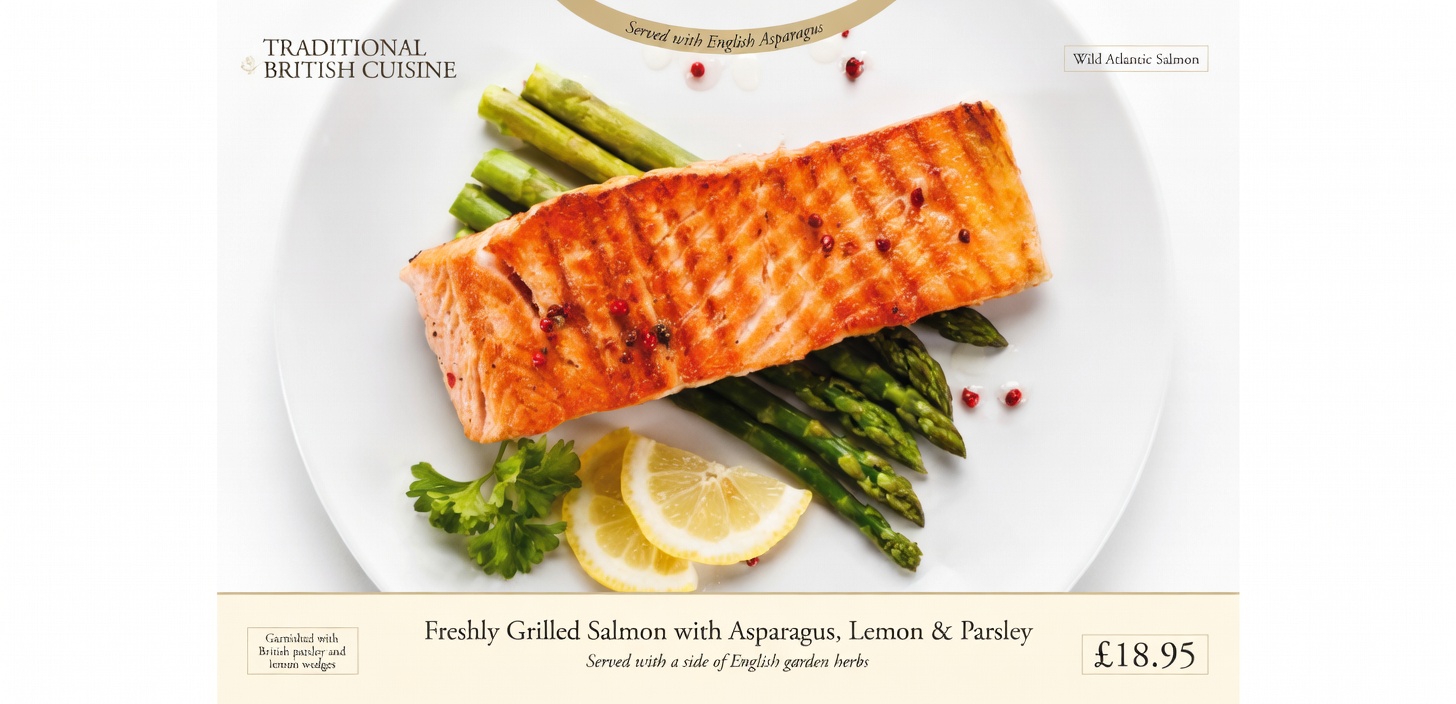
Easy ways to reduce simple carbs:
- Stop adding sugar to coffee or tea
- Avoid sugar-heavy toppings and jams
- Skip desserts for the next two weeks
- Pair carbs with protein during snacks, such as fruit with yogurt
This short-term adjustment can help reduce cravings, control blood sugar, and lower overall calorie intake.
3. Increase Lean Protein
Protein can be one of your best tools when trying to lose weight fast.
Both plant-based and animal-based proteins can work, but leaner options are generally better when your goal is to reduce calories.
Good protein choices include:
- Fish
- Skinless poultry
- Eggs
- Greek yogurt
- Beans
- Lentils
- Tofu
- Soy-based foods
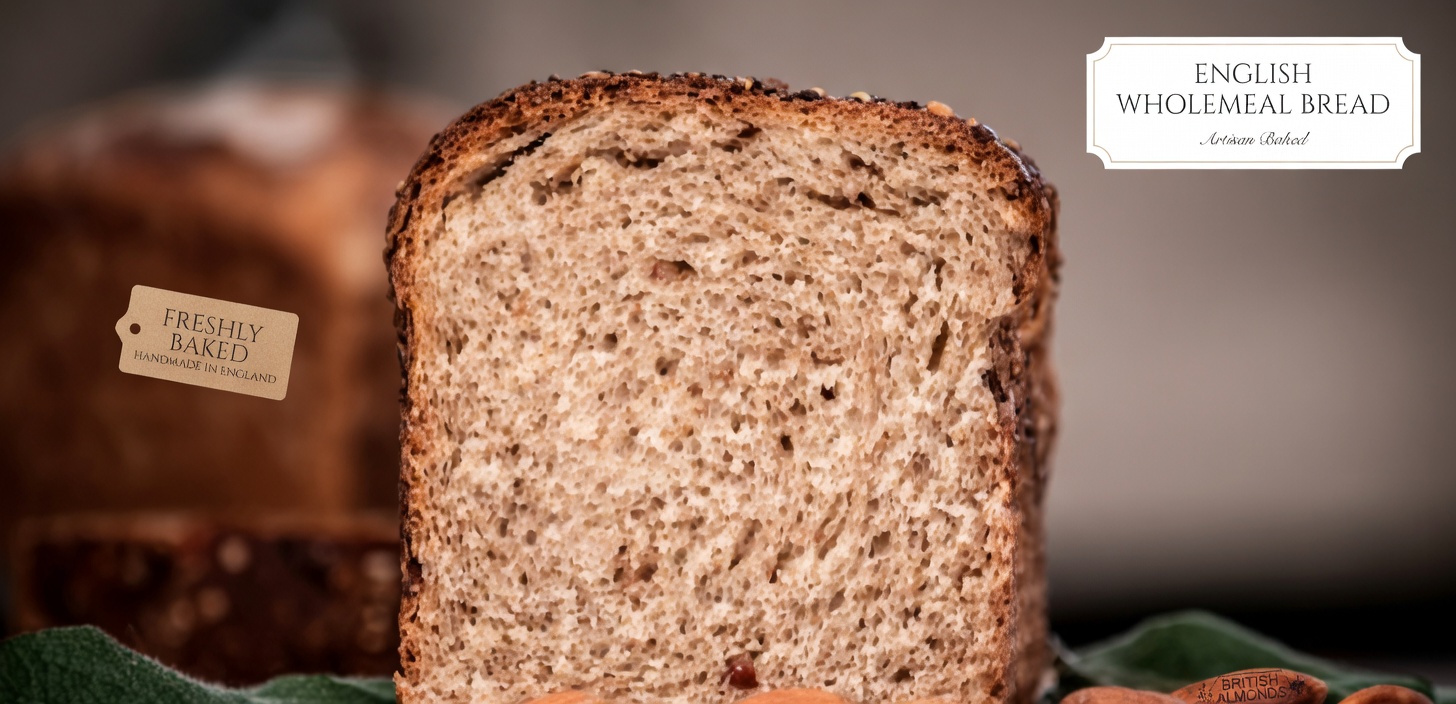
A practical serving size is about:
- 3 ounces per meal
- Or roughly the size of your palm
Protein digests more slowly than many carbohydrate-heavy foods, which helps you feel full for longer. It may also help reduce cravings and support better appetite control throughout the day.
Adding protein to snacks can be especially useful if you tend to overeat later.
4. Choose Whole Grains Instead of Refined Grains
Whole grains contain complex carbohydrates, which are generally more filling and nutritious than refined carbs.
They can provide:
- Fiber
- Vitamins
- Minerals
- Better support for heart health
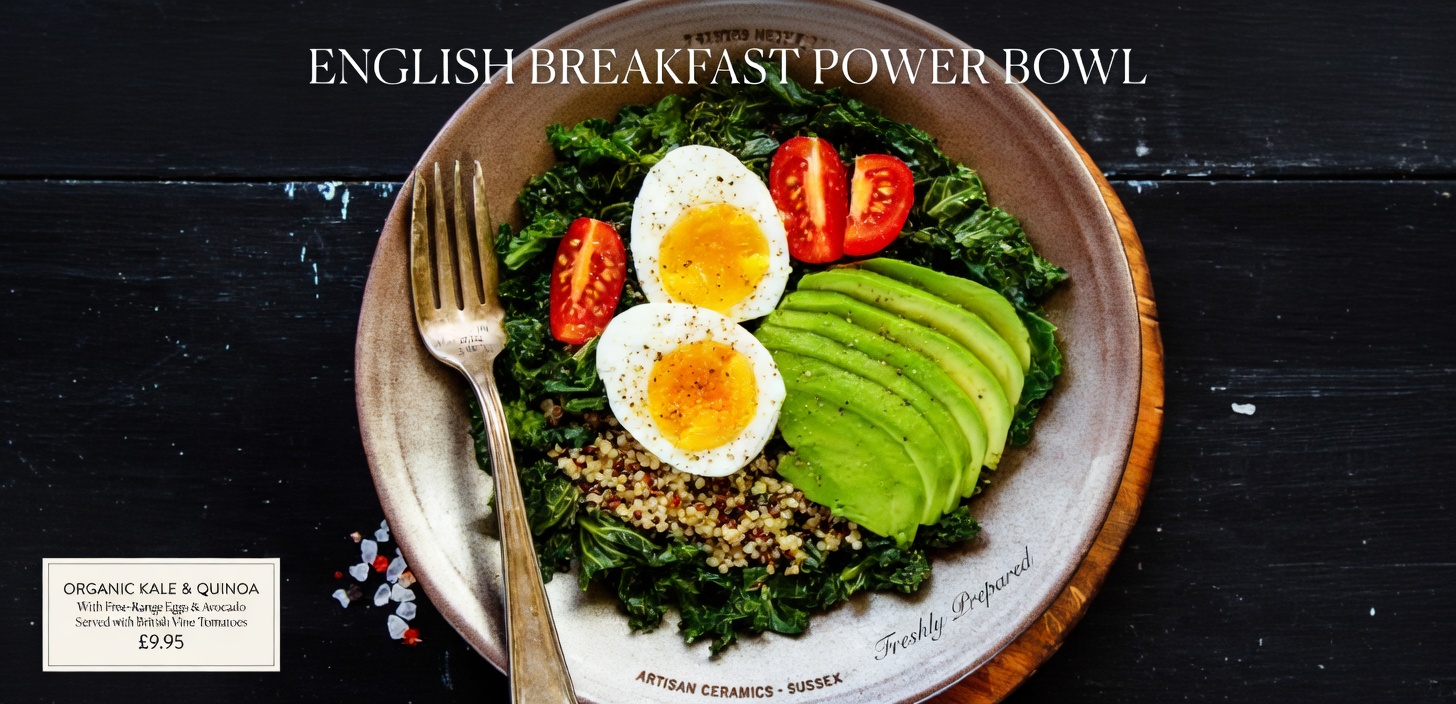
Better grain choices include:
- Whole-wheat bread
- Brown rice
- Whole-grain tortillas
- Oats
- Whole-grain cereal
- Legumes
Tips for eating more whole grains:
- Replace white bread with whole-wheat bread
- Choose bread with at least 5 grams of fiber
- Swap white rice for brown rice or quinoa
- Include beans and lentils in meals
Whole grains can help you stay satisfied while keeping your eating plan more balanced.
5. Eat More Whole Foods and Avoid Processed Foods
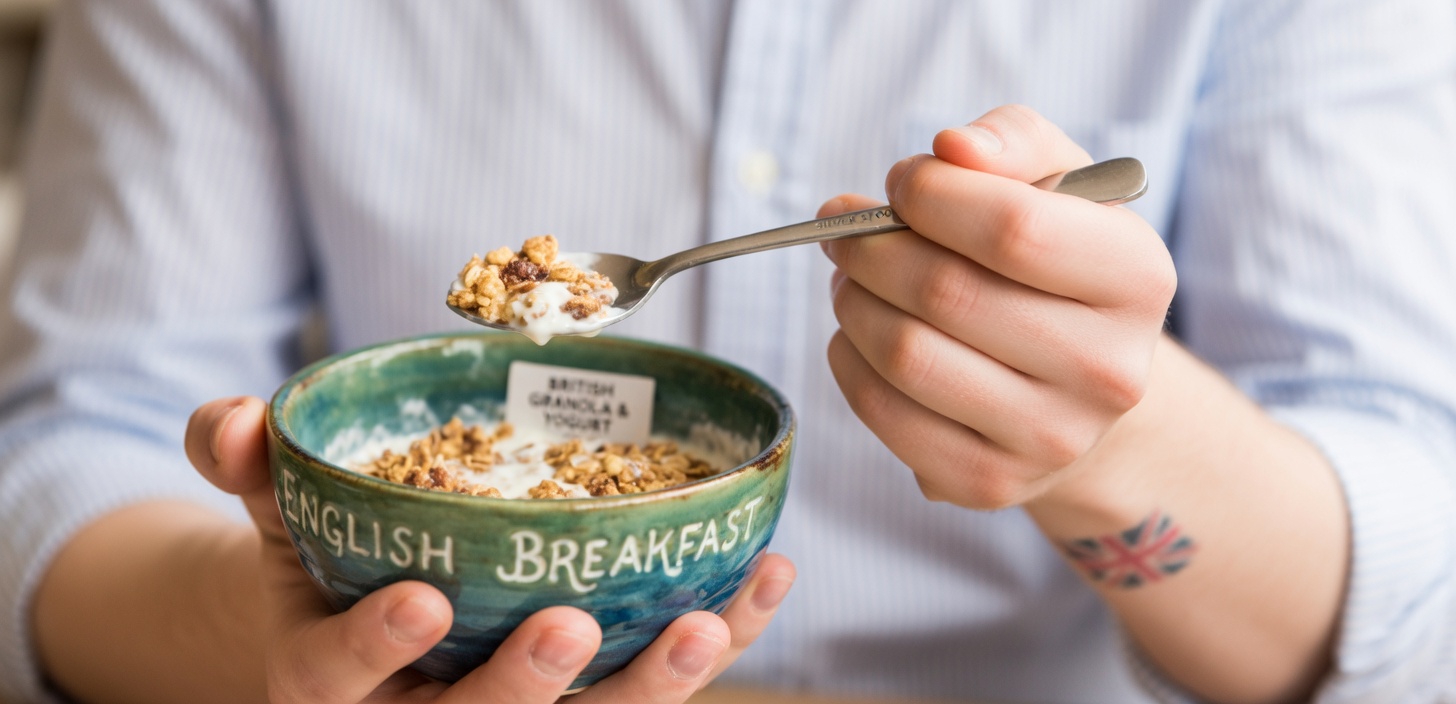
Whole foods are foods that are close to their natural state. These foods are typically richer in nutrients and lower in unnecessary additives.
Examples of whole foods:
- Vegetables
- Fruit
- Beans
- Whole grains
- Eggs
- Fish
- Lean meat
- Nuts
- Seeds
Processed foods, on the other hand, often contain extra:
- Sugar
- Sodium
- Unhealthy fats
- Preservatives
Common processed foods to avoid during these two weeks:
- Donuts
- Pound cake
- Fast food
- Frozen meals
- Packaged snacks
- Restaurant meals with large portions
- Sugary drinks
Too much sodium can also make you retain water, which may make you feel heavier and more bloated.
For better short-term and long-term results, cook simple meals at home using whole ingredients, herbs, and spices.
The plan may feel strict for two weeks, but it is temporary. And once you see the results, it becomes easier to decide which unhealthy foods you no longer want in your routine.
6. Choose Healthy Snacks for Weight Loss
Snacking is not necessarily bad. In fact, planned snacks can help you stay on track.
Healthy snacks may help with:
- Appetite control
- Blood sugar balance
- Energy levels
- Better portion control at meals
- Fewer cravings
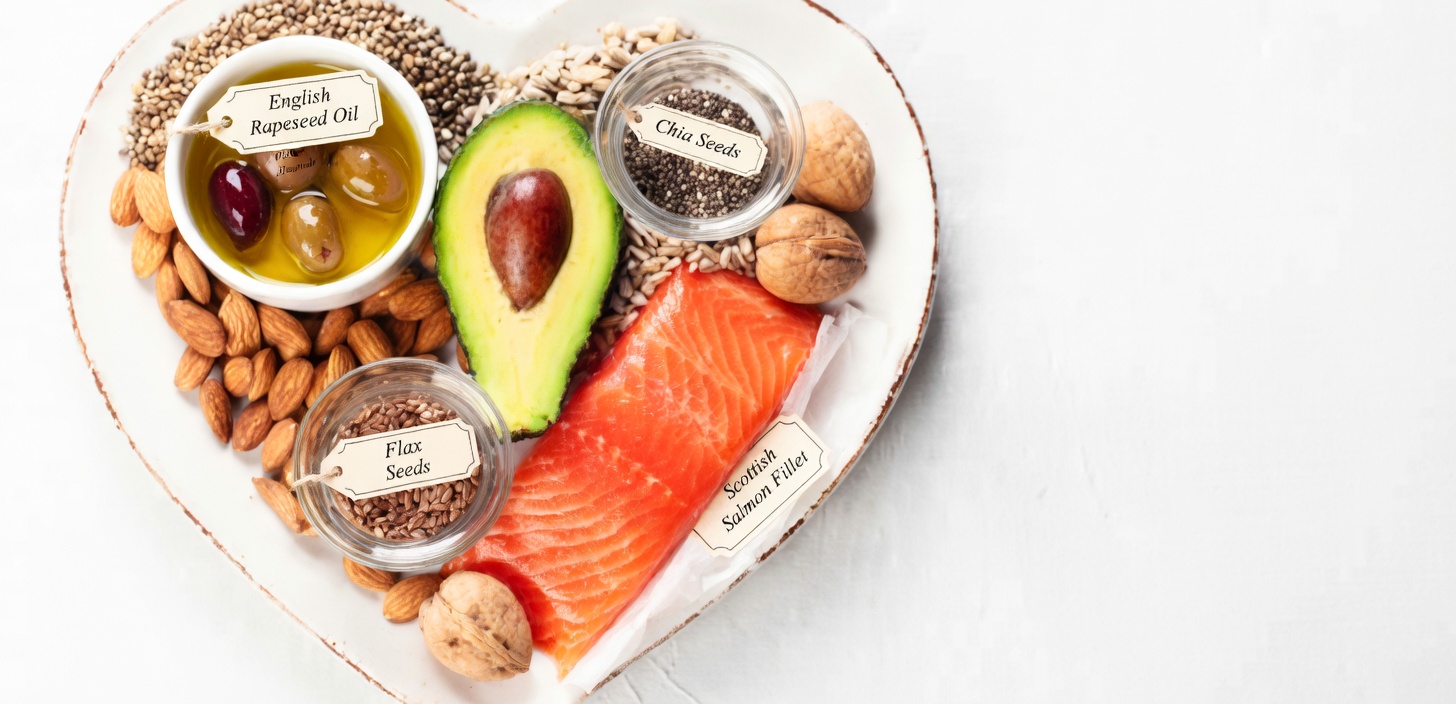
Aim for 1 to 3 healthy snacks per day, and make sure they include a mix of carbohydrates and protein.
Healthy snack ideas:
- Whole-wheat toast with sliced hard-boiled eggs
- Yogurt with fresh fruit
- A peanut butter sandwich on whole-grain bread
- A smoothie made with nuts, seeds, nut butter, and milk alternatives
- Fruit paired with a protein source
Also, drink enough water during the day. Sometimes thirst is mistaken for hunger.
Packaged “100-calorie” sweets may look convenient, but they usually offer little nutrition and can leave you hungry again soon.
7. Eat More Healthy, Filling Foods
When time is short, every calorie matters. Focus on foods that keep you full without adding too many calories.
The best options are foods high in:
- Fiber
- Water
- Protein
- Nutrients
These foods can help you feel satisfied while supporting fat loss.

Examples of filling, healthy foods:
- Leafy greens
- Cucumbers
- Broccoli
- Cauliflower
- Berries
- Apples
- Oatmeal
- Beans
- Lentils
- Soup-based vegetable meals
Try building meals around vegetables and lean protein first, then add a controlled portion of whole grains or other healthy carbs.
8. Drink More Water and Skip Liquid Calories
One of the fastest ways to improve your diet in two weeks is to remove drinks that add calories without much nutrition.
Drinks to limit or avoid:
- Soda
- Sweet tea
- Fruit drinks with added sugar
- Fancy coffee drinks
- Alcohol
Better choices include:
- Water
- Sparkling water
- Green tea
- Black coffee
- Unsweetened tea
Water can also help with:
- Hydration
- Digestion
- Appetite control
- Reducing bloating caused by excess sodium
Try drinking a glass of water before meals. It may help you eat more mindfully and avoid overeating.
9. Exercise Consistently, But Do Not Overdo It
Exercise can help increase your calorie burn, improve your mood, and support faster results over a two-week period.
The most effective routine usually combines:
- Cardio for calorie burning
- Strength training for muscle support
- Daily movement such as walking

Helpful workout ideas:
- Brisk walking
- Jogging
- Cycling
- Jump rope
- Home cardio workouts
- Bodyweight strength exercises
- Resistance training
You do not need to spend hours exercising every day. What matters more is being consistent.
Avoid the mistake of pushing yourself too hard too fast. Overtraining can leave you tired, sore, and less likely to stick with the plan.
10. Stick to a Schedule and Stay Consistent
Two weeks can produce results, but only if you stay committed.
Consistency matters more than perfection. A simple routine can make healthy eating much easier.
Useful habits to follow:
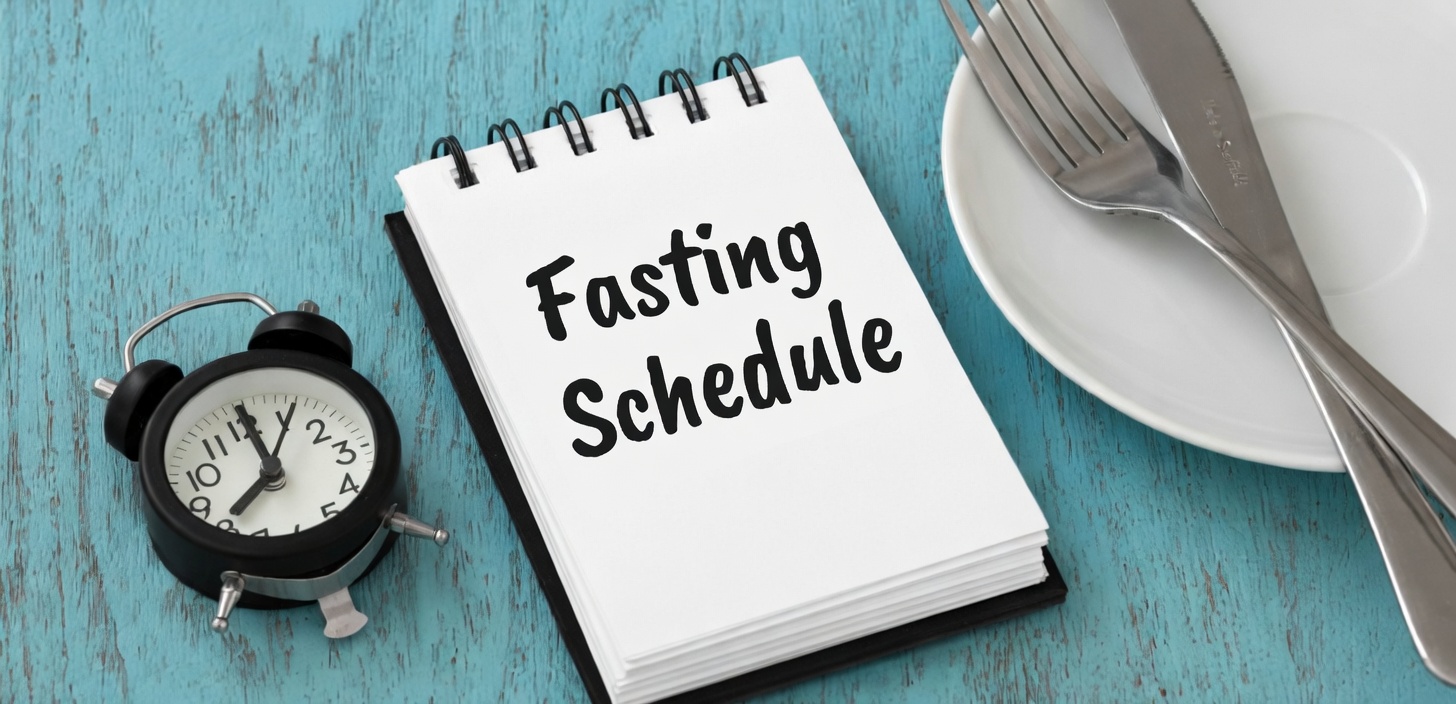
- Eat at regular times
- Plan your meals in advance
- Prepare snacks before you get hungry
- Avoid late-night eating
- Track your progress
- Get enough sleep
Sleep is especially important. Poor sleep can increase cravings, lower energy, and make weight loss harder.

A short-term goal works best when your daily routine supports it.
11. Think Beyond the 2 Weeks
Losing weight quickly can be motivating, but the bigger win is what happens afterward.
If you use these two weeks to reset your habits, you can turn short-term progress into long-term results.
After your 14-day plan, keep the habits that helped most:
- Eating more whole foods
- Drinking more water
- Choosing lean protein
- Reducing processed foods
- Moving your body daily
- Watching portion sizes
The goal is not to suffer through a crash diet. The goal is to lose weight in a healthy way and build habits you can keep.
Final Thoughts
If you are wondering how to lose weight fast in 2 weeks, the safest and most effective answer is simple:
- Create a calorie deficit
- Reduce simple carbs
- Eat more lean protein
- Choose whole foods
- Drink water
- Stay active
- Be consistent
You may not completely transform your body in 14 days, but you can absolutely lose a few extra pounds, feel lighter, and start building healthier habits.
Keep it realistic, stay patient, and focus on progress you can maintain.