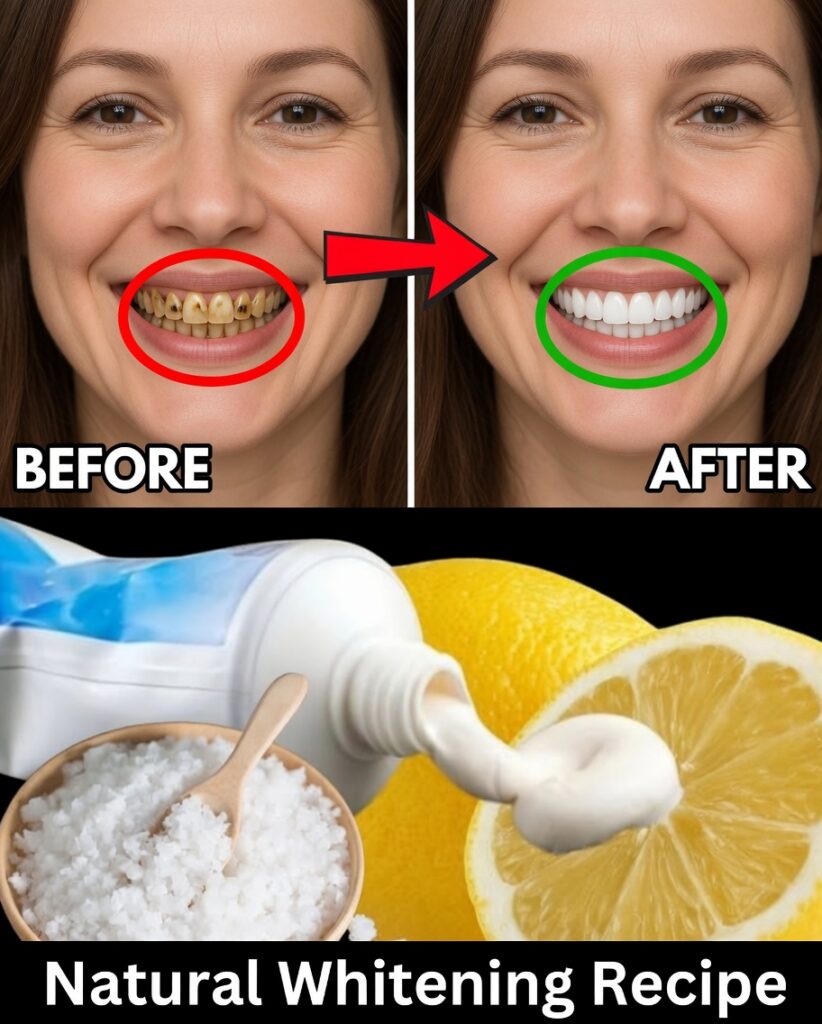
Ingredients for Stronger Teeth and Natural Cavity Prevention
1. Strengthen Your Teeth with the Right Nutrients
A tooth-friendly, balanced diet is one of the most effective ways to support enamel and keep teeth strong. Focus on key vitamins and minerals that help protect and rebuild tooth structure:
- Calcium (dairy, almonds, leafy greens) – Helps reinforce enamel and overall tooth strength.
- Vitamin D (sunlight, fatty fish, egg yolks) – Improves calcium absorption, supporting healthier teeth.
- Magnesium (spinach, nuts, seeds) – Contributes to strong tooth structure and mineral balance.
- Phosphorus (fish, eggs, lentils) – Supports enamel repair and remineralization.
Foods and drinks to limit:
- Sugary snacks and sweet drinks – Sugar fuels bacteria that produce cavity-causing acids.
- Acidic beverages (soda, citrus juices) – Acids can weaken enamel over time.
- Highly processed foods – Often contain additives and ingredients that may increase oral health risks.
2. Try Oil Pulling for a Natural Mouth Detox
Oil pulling is a traditional practice that may help reduce bacteria, lower plaque buildup, and support cavity prevention when used consistently.
How to do oil pulling:
- Swish 1 tablespoon of coconut oil in your mouth for 10–15 minutes.
- Spit it out (do not swallow), then rinse with warm water.
- Do this daily before brushing for best results.
3. Choose a Natural Remineralizing Toothpaste
A remineralizing toothpaste can help support enamel restoration, especially in early stages of enamel wear. When shopping, look for ingredients such as:
- Hydroxyapatite – A mineral that strengthens enamel and supports repair.
- Calcium carbonate – Mildly polishes teeth and helps neutralize acids.
- Baking soda – Balances oral pH and can help reduce plaque.
4. Rinse with a DIY Mineral Mouthwash
A simple mineral mouthwash can help fight bacteria, reduce acidity, and support enamel health.
DIY mineral mouthwash recipe:
- ½ tsp sea salt (naturally mineral-rich)
- ½ tsp baking soda (helps neutralize acids)
- 1 cup warm water
- Optional: 2 drops clove oil or peppermint oil (known for antibacterial properties)
How to use it: Swish for 30 seconds, spit out, and avoid eating or drinking for 30 minutes afterward.
5. Support Enamel with Herbal Remedies
Some herbs have natural antibacterial properties and may help protect teeth and gums:
- Clove oil – Traditionally used for soothing discomfort and reducing bacteria.
- Neem – Commonly used to support oral hygiene and gum health.
- Licorice root – May help reduce plaque buildup.
How to apply clove oil: Dilute clove oil with a carrier oil, then apply a small amount directly to the affected tooth area for temporary relief.
6. Hydrate to Boost Saliva and Protect Your Teeth
Saliva is your body’s built-in defense system: it helps wash away bacteria and supports natural remineralization.
Ways to increase saliva production:
- Drink plenty of water throughout the day.
- Chew sugar-free gum with xylitol.
- Avoid smoking and excess alcohol, which can dry out the mouth.
Final Thoughts
Natural approaches can be helpful for preventing cavities and supporting early enamel repair, but advanced tooth decay still requires professional dental care. The most reliable long-term strategy is prevention: eat a nutrient-rich diet, maintain consistent oral hygiene, and add these natural habits to your routine to support healthier teeth.