Reset Your Metabolism by Reversing Insulin Resistance
If you’re stuck in a cycle of stubborn belly fat, low energy, and failed diets—no matter how hard you try—you may be dealing with insulin resistance. When that happens, the usual advice about eating less and exercising more stops working.
The promising news: You don’t need extreme discipline, marathon workouts, or starvation diets to turn things around. Reversing insulin resistance comes down to understanding and applying three simple, science-backed principles, inspired by the work of Dr. Annette Bosworth.
Key Takeaways
- Shift your focus from calories to insulin response when choosing what to eat.
- Finish eating earlier in the day and avoid food after dark.
- Track your progress using blood glucose and ketone levels, not just the bathroom scale.
Ready to improve your metabolism and reclaim your health? Let’s break down the three core rules.
1. Follow Insulin, Not Calories
Traditional weight loss advice is obsessed with “calories in, calories out.” But if you’re insulin resistant, that model usually fails. Your body isn’t tallying calories—it’s reacting to hormones, and insulin is the main player.
Why insulin matters
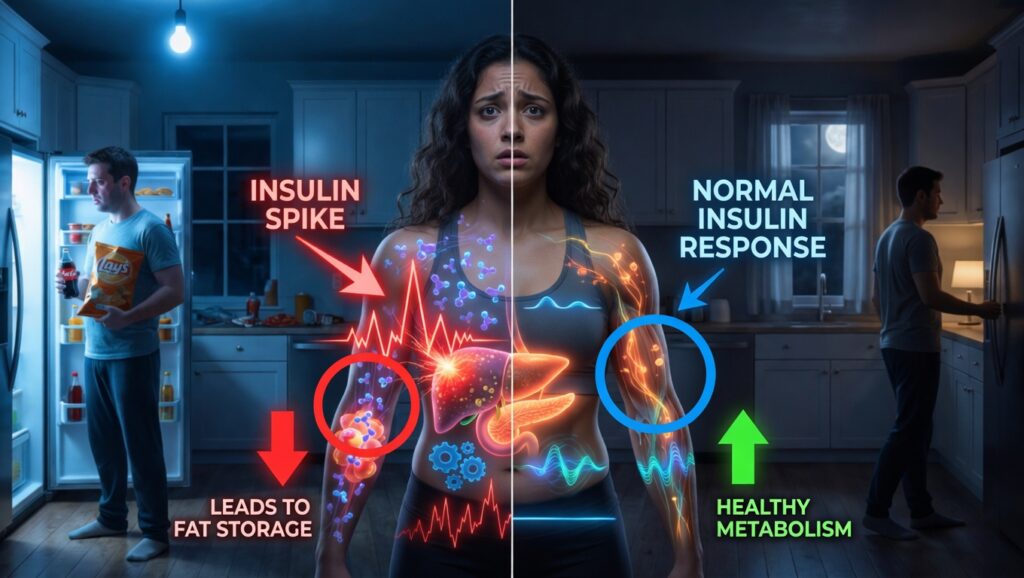
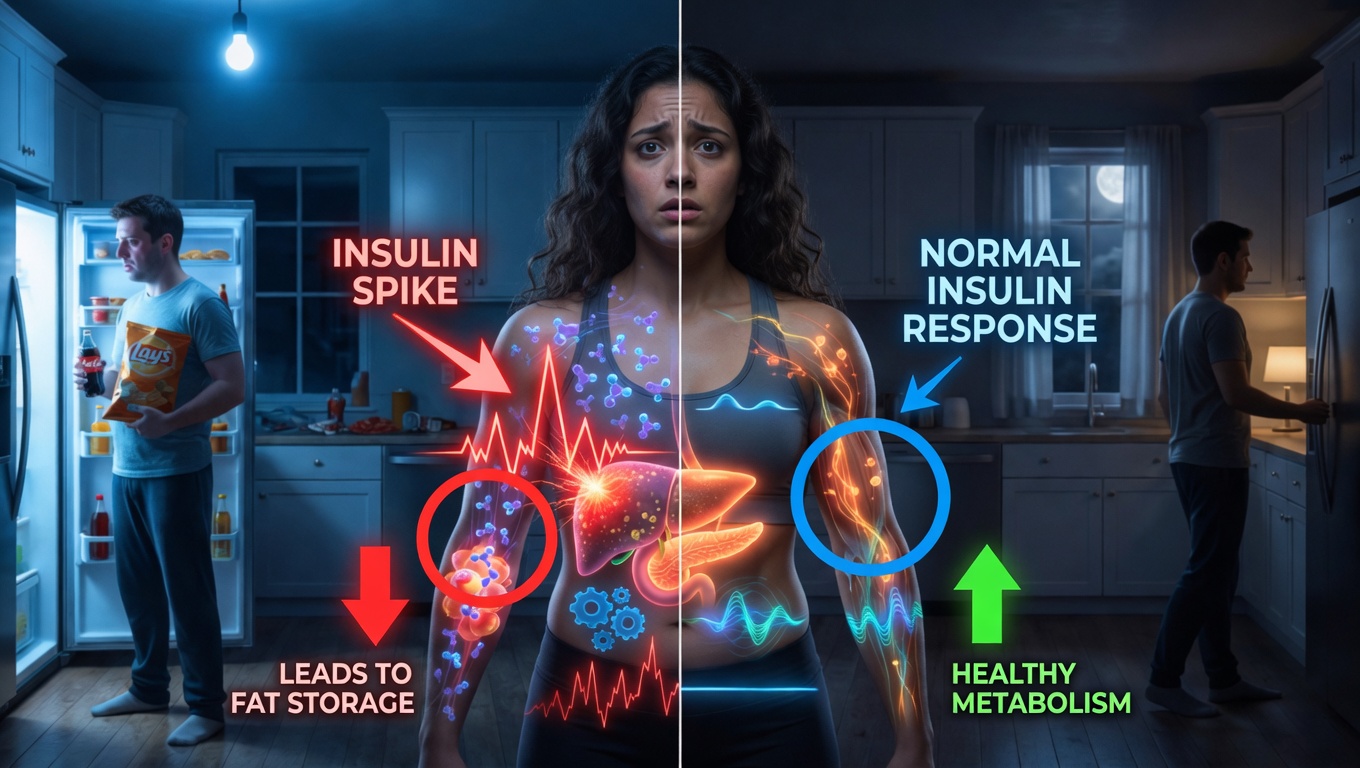
Think of insulin as your body’s storage signal. When insulin is high in the presence of food, your body is instructed to store energy in your liver, muscles, and especially fat cells. When insulin remains low, your body can finally tap into stored fat for fuel.
People with insulin resistance typically have chronically elevated insulin, making weight gain almost effortless—even when they’re cutting calories. That’s why the target needs to shift from “eating less” to reducing insulin spikes.
What drives insulin up?
Different macronutrients trigger different insulin responses:
- Carbohydrates – Produce the largest insulin surge
Examples: bread, pasta, rice, pastries, candy, sweetened drinks - Protein – Creates a moderate insulin response
- Fats – Lead to the smallest insulin rise
To support insulin sensitivity and weight loss, you’ll want to:
- Keep carbohydrates very low (around 20 grams per day is a useful starting guideline for many people).
- Emphasize healthy fats as your primary energy source.
- Include moderate protein rather than overdoing it.
Don’t be alarmed if your fat intake looks higher in calories. In a low-insulin environment, healthy fats can actually enhance your metabolic rate and encourage your body to burn more energy, not store it.
Practical swap ideas
Replace:
-
Bread, crackers, and cereal with
- Avocado slices
- Nuts and seeds
- Cheese (if tolerated)
-
Sugary snacks with
- Olives
- Hard-boiled eggs
- Coconut flakes (unsweetened)
-
Low-fat products with
- Full-fat yogurt (unsweetened)
- Olive oil or avocado oil on salads
- Coconut oil for cooking
Your food choices may look “high calorie” compared to standard diet culture, but the key is this: you’re managing insulin, not just counting calories.
2. Stop Eating After Dark
You’ve probably heard that late-night snacking isn’t ideal. When you’re insulin resistant, that guideline becomes a non-negotiable rule.
Why timing your meals matters
Your body runs on a circadian rhythm, a 24-hour internal clock that affects hormones—insulin included. In the morning, your body naturally releases more cortisol, which raises blood sugar and leads to higher insulin levels.
Even meals rich in fat and protein cause some insulin response. When you eat late at night—especially after sunset—your metabolism is slowing down. That late eating:
- Pushes insulin up when your body should be winding down
- Makes it harder to burn fat
- Interferes with overnight repair and recovery
The longer the gap between your last meal and bedtime, the better your insulin sensitivity tends to be the following day.
How to apply this rule
- Confine meals to daylight hours whenever possible.
- Eat more earlier in the day—a larger breakfast or lunch and a lighter dinner.
- Stop eating after dark, including snacks, “just a bite,” or drinks with calories.
Tip for evening cravings
If you struggle with nighttime hunger:
- Plan a satisfying, high-fat, moderate-protein meal in the early evening.
- Include foods like avocado, fatty fish, eggs, nuts, or olive oil to keep you full.
- Once you finish that meal, commit to no more food until morning.
This approach not only lowers evening insulin but also extends your overnight fasting window, which supports fat burning and metabolic health.
3. Measure What Matters: Glucose and Ketones
To change your metabolism, you need feedback. Guessing rarely works. While directly tracking insulin is difficult and inconsistent, you can get a powerful picture of your insulin activity by measuring blood glucose and ketone levels.
How to track your metabolic health
Use a home monitor that measures:
- Blood glucose (mg/dL)
- Blood ketones (mmol/L)
For the most consistent results:
- Test first thing in the morning, before eating or drinking anything (except water) and before exercise.
- Write down both numbers each day.
The Dr. BOS Ratio
Dr. Annette Bosworth introduced a simple calculation known as the Dr. BOS Ratio to estimate your insulin status:
- Take your glucose reading (mg/dL).
- Divide it by your ketone reading (mmol/L).
Dr. BOS Ratio = Glucose ÷ Ketones
- Lower ratio = lower overall insulin levels and better fat burning.
- Higher ratio = more insulin activity and reduced access to stored fat.
Why this ratio helps
Tracking both glucose and ketones over time gives you:
- A real-time snapshot of how your body is handling fuel
- Insight into how diet, sleep, stress, and meal timing affect your metabolism
- Objective proof that your efforts are working—even before the scale moves
Affordable at-home testing devices make it easier than ever to gather this data. Watching your Dr. BOS Ratio improve can be extremely motivating and helps you stay consistent with your new habits.
Frequently Asked Questions
Is insulin “bad” or dangerous?
No. Insulin is vital for life. It helps move glucose from your blood into your cells for energy. The problem isn’t insulin itself—it’s chronic overproduction due to constant eating, high-carb diets, and frequent snacking.
Balanced insulin supports health. Persistently high insulin promotes weight gain, inflammation, and long-term health problems.
What if I use prescribed insulin (for example, with type 1 diabetes)?
If you are taking doctor-prescribed insulin, especially for conditions like type 1 diabetes, you must not adjust your diet or routine based on this general guidance alone. Manipulating insulin in that situation can be dangerous.
These three rules are intended for people who are not using insulin injections. Always follow your healthcare provider’s instructions and consult them before making dietary changes.
Aren’t high-fat diets bad for my heart?
This is a common concern. The key distinction is between healthy fats and heavily processed fats.
Supportive, natural fats include:
- Avocados
- Nuts and seeds
- Olive oil and avocado oil
- Fatty fish (salmon, sardines, mackerel)
- Whole eggs
These fats generally produce a low insulin response and can support metabolic and cardiovascular health in many people.
On the other hand, excessive sugar, refined carbs, and elevated insulin are strongly linked to poor heart health. If you have heart disease or other medical conditions, speak with your doctor before making major dietary changes—but for a large percentage of people, natural fats are not the enemy.
Conclusion: Work With Your Biology, Not Against It
Reversing insulin resistance doesn’t require perfection or punishment. It requires working with your body’s natural design instead of against it.
To recap:
- Prioritize insulin control over calorie counting by limiting carbs and leaning on healthy fats.
- Align eating with your body clock—front-load your food earlier in the day and avoid eating after dark.
- Track glucose and ketones and use the Dr. BOS Ratio to see how your metabolism is truly changing.
By applying these three rules consistently, you’ll give your body the best chance to:
- Improve energy levels
- Burn stubborn belly fat
- Enhance overall metabolic health
Start today with one change—whether it’s cutting evening snacks, reducing carbs, or measuring your morning glucose and ketones. Over the coming weeks, your body, your energy, and your waistline are likely to reflect those smarter choices.