The Problem: So Much of Daily Life Happens Sitting Down
In modern life, many of us spend most of the day seated.
A typical routine often looks like this:
- Sitting during breakfast
- Sitting while commuting
- Sitting at a desk for 8 or more hours
- Sitting again on the way home
- Sitting through the evening before bed
This does not describe everyone, but it does reflect how many people in developed countries live today.
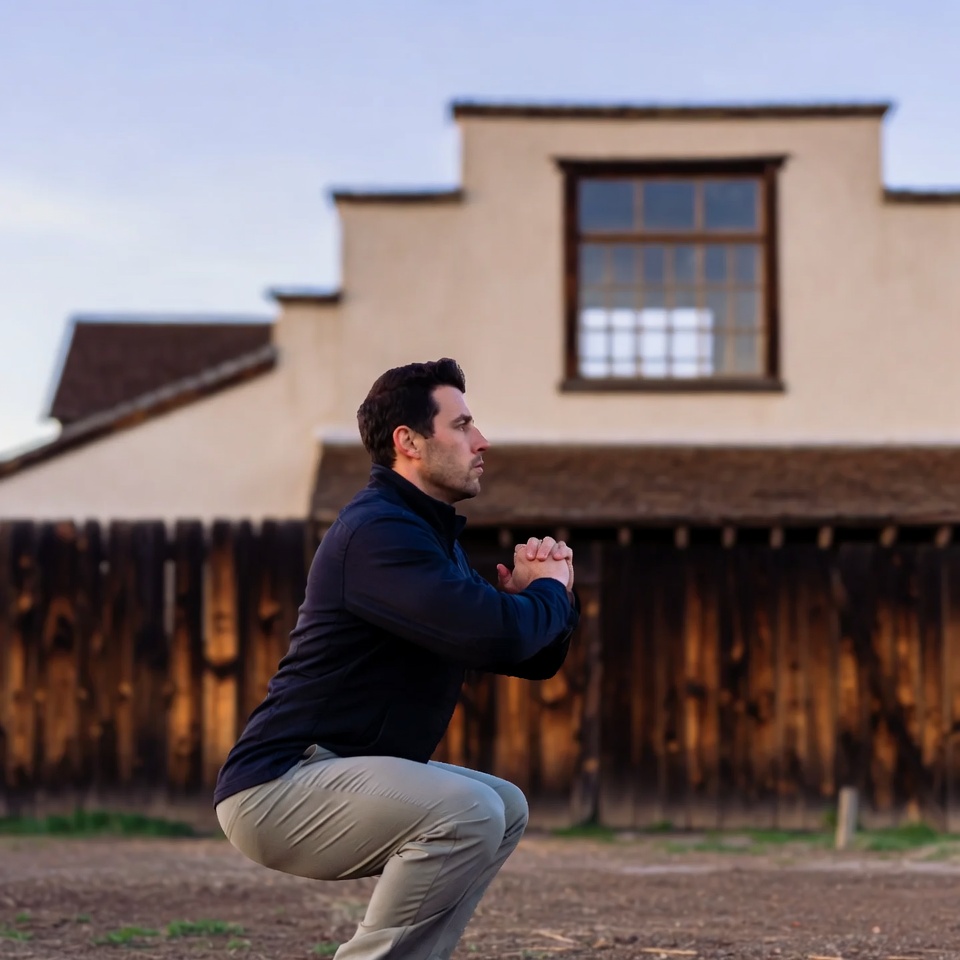
With such sedentary lifestyles, many medical conditions have become common. What now feels normal in western society may be closely tied to how little we move throughout the day.
The Cause: Sedentary Habits and the Loss of Natural Resting Positions
Although we cannot go back in time to watch how our ancestors lived, we can learn from groups that still follow older lifestyle patterns.
One example is the Hadza, a hunter-gatherer tribe in Tanzania who maintain many practices similar to those of early humans. Researchers studying the Hadza have noticed something especially interesting: they spend about the same amount of time being sedentary each day as people in modern society, yet they develop far fewer of the diseases we often see as a normal part of life.
One major difference is how they rest.
The Hadza and the Deep Squat
The Hadza commonly use the deep squat while resting, eating, and during many parts of the day. Rather than sitting in chairs, they often remain in a squat position, using their muscles even while at rest.
Because of this, they tend to:
- Burn more calories than we do
- Frequently stretch major muscle groups
Of course, deep squatting is not the only difference between their lifestyle and ours. The Hadza also tend to eat a cleaner diet without processed foods, and avoiding those foods has been associated with a lower risk of many medical issues.
Still, the deep squat stands out as one of the most interesting differences.
Is it the answer to every health concern? Probably not. But adding this movement into your day for even a few minutes may help you begin experiencing many benefits.
The Solution: Start Using the Deep Squat in Daily Life
If you want to begin deep squatting, it helps to keep a few basic points in mind.
Expect Some Discomfort at First
If stretching and mobility work are not already part of your routine, deep squatting may feel uncomfortable in the beginning.
The good news is that with consistent practice for a week or two, that discomfort may slowly begin to fade.
Over time, you may notice:
- Your knees start to feel better
- Your hips become looser
- Tightness in your low back may begin to ease
The deep squat can help relieve many orthopedic issues.
Start Small and Build Gradually
At first, you may only be able to hold a deep squat for a few seconds. That is completely okay.
A simple goal is to work toward holding the position for one full minute without rest. Once you reach that point, try adding 10 seconds each day.
When you can stay in the position for more than 5 minutes, you may even find yourself using it while eating dinner or watching TV.
Do Other Types of Exercise Too
Deep squatting can support flexibility, strength, and other parts of your health. But it should not be the only form of movement in your routine.
Try to include:
- Cardiovascular exercise
- Flexibility work
- Strength training
Even walking for a total of 150 minutes each week can make a big difference for overall health. When combined with deep squats and other forms of exercise, it can help support a healthier lifestyle.
A Simple Way to Build Better Habits
The deep squat may help counter some of the health problems that are common in western society. For the best possible support for your health, aim to include these habits each week:
- Perform deep squats
- Do cardio exercise and strength training
- Eat a healthy diet
- Limit screen time
- Meditate
If that feels like a lot, do not worry. You do not need to change everything at once.
Instead, try adding just one healthy habit each week. A great place to begin is with a few minutes of deep squat holds each day.
Consult a healthcare professional before making changes.