Why Sitting So Much Can Be a Problem
If you spend a big part of your day sitting, you are not alone. Many people sit while eating breakfast, commuting, working for 8 or more hours, driving home, and relaxing at night before bed. For a lot of people in developed countries, this pattern is a normal part of daily life.
The trouble is that this largely sedentary lifestyle has been linked with many of the medical conditions that have become common in modern society. If you have been searching for ways to improve hip mobility and flexibility, this may be one reason deep squats have started getting more attention.
A Key Cause: Too Much Resting in Chairs, Not Enough Natural Movement
One interesting comparison comes from the Hadza, a hunter-gatherer tribe in Tanzania who still follow many practices similar to those of early humans. Researchers studying the Hadza found something surprising: they spend about the same amount of time being sedentary each day as many of us do, yet they develop few of the diseases that are often seen as normal parts of life.
One major difference is how they rest.
What Makes the Deep Squat Different
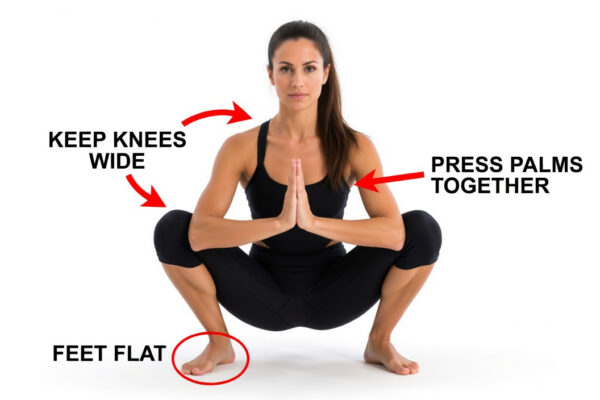
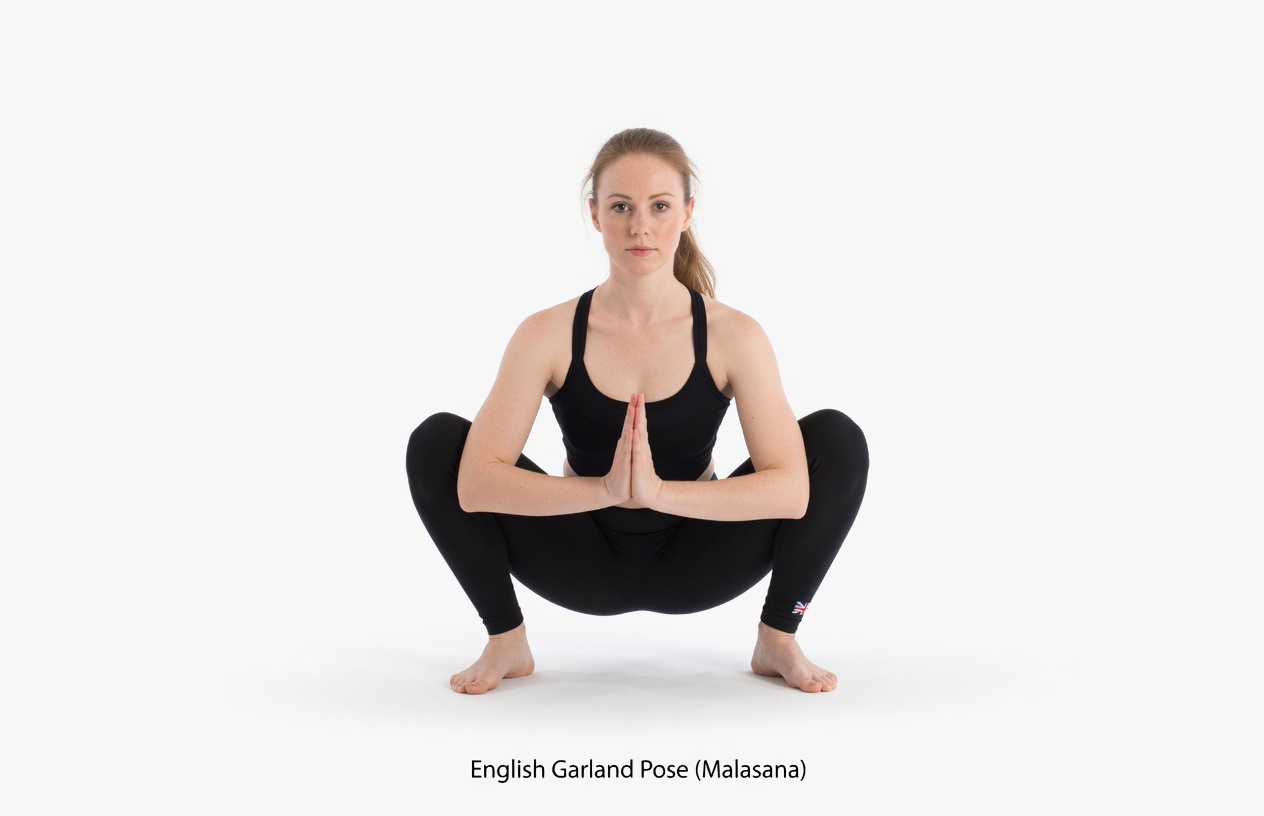
Rather than sitting in chairs for much of the day, the Hadza often use a deep squat when resting, eating, and during many everyday activities. They rarely sit and instead support themselves in a squat position, keeping their muscles active even while resting.

Because of this, they tend to burn more calories than we do, and they also stretch major muscle groups more often. Of course, deep squatting is not the only difference between their lifestyle and ours. They also tend to eat a cleaner diet without processed foods, and avoiding those foods has been associated with a lower risk of many medical issues.
Still, the deep squat stands out as one of the most interesting differences.
Is deep squatting the answer to all health problems? Probably not. But adding this movement for even a few minutes a day may help you experience a wide range of benefits.
The Solution: Start Adding Deep Squats to Your Day
If you want to begin deep squatting, a few simple guidelines can make it easier and more realistic.
Expect Some Discomfort at First
If stretching and mobility work are not already part of your routine, deep squats may feel uncomfortable in the beginning. That is common. With consistent practice over a week or two, that discomfort may gradually ease.
As you keep going, your knees may start to feel better, your hips may loosen up, and you may notice less tightness in your low back. Deep squats can help relieve many orthopedic issues.
Start Small and Build Up
The first time you try a deep squat, you may only manage a few seconds. That is completely fine.
A good first goal is to build up to one full minute without resting. Once you can do that, try adding 10 seconds to your hold time each day. After you can stay in the position for more than 5 minutes, you may even find yourself eating dinner or watching TV in a deep squat.
Use Deep Squats as Part of a Bigger Routine
Deep squatting can support flexibility, strength, and other areas of health, but it should not be your only form of exercise. It works best when combined with other healthy habits.
Try to include:
- Cardiovascular exercise
- Flexibility work
- Strength training
Even walking for a total of 150 minutes each week can do a lot for your overall health. Pair that with deep squats and another form of exercise, and you can move closer to a healthier lifestyle.
A Simple Way to Build Better Habits
Deep squats may help counter many of the diseases seen in western society. For even better results, try to work toward these habits each week:
- Perform deep squats
- Complete cardio exercise and strength training
- Eat a healthy diet
- Limit screen time
- Meditate
If that list feels like too much, do not worry. You do not need to change everything at once. A more realistic approach is to add one healthy habit at a time. This week, you could simply start by practicing deep squat holds for a few minutes each day.
Consult a healthcare professional before making changes.