Are All Your Medications Still Helping You?
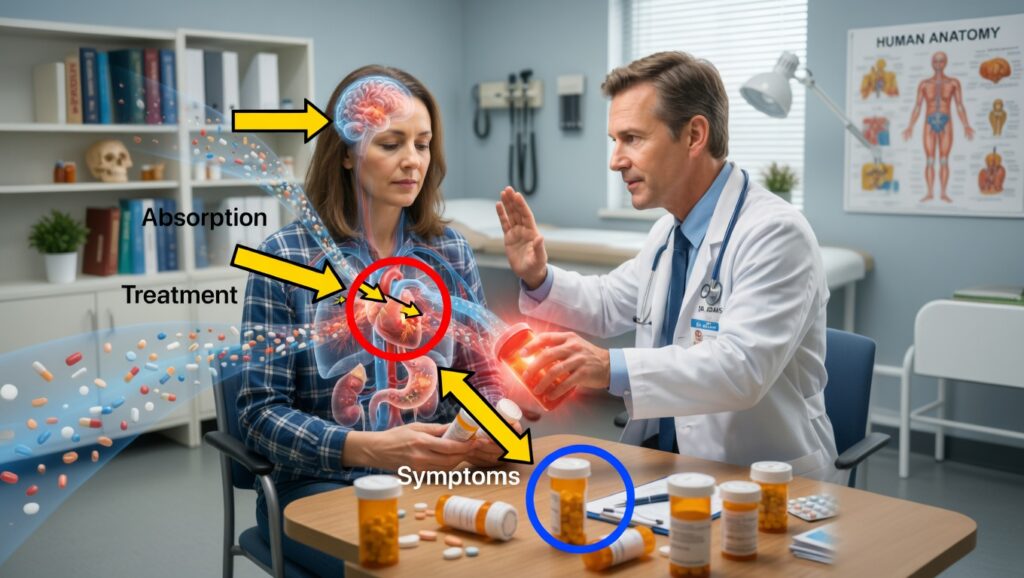
When was the last time you really looked at your medicine cabinet and asked yourself whether every tablet, capsule, and inhaler is still truly necessary?
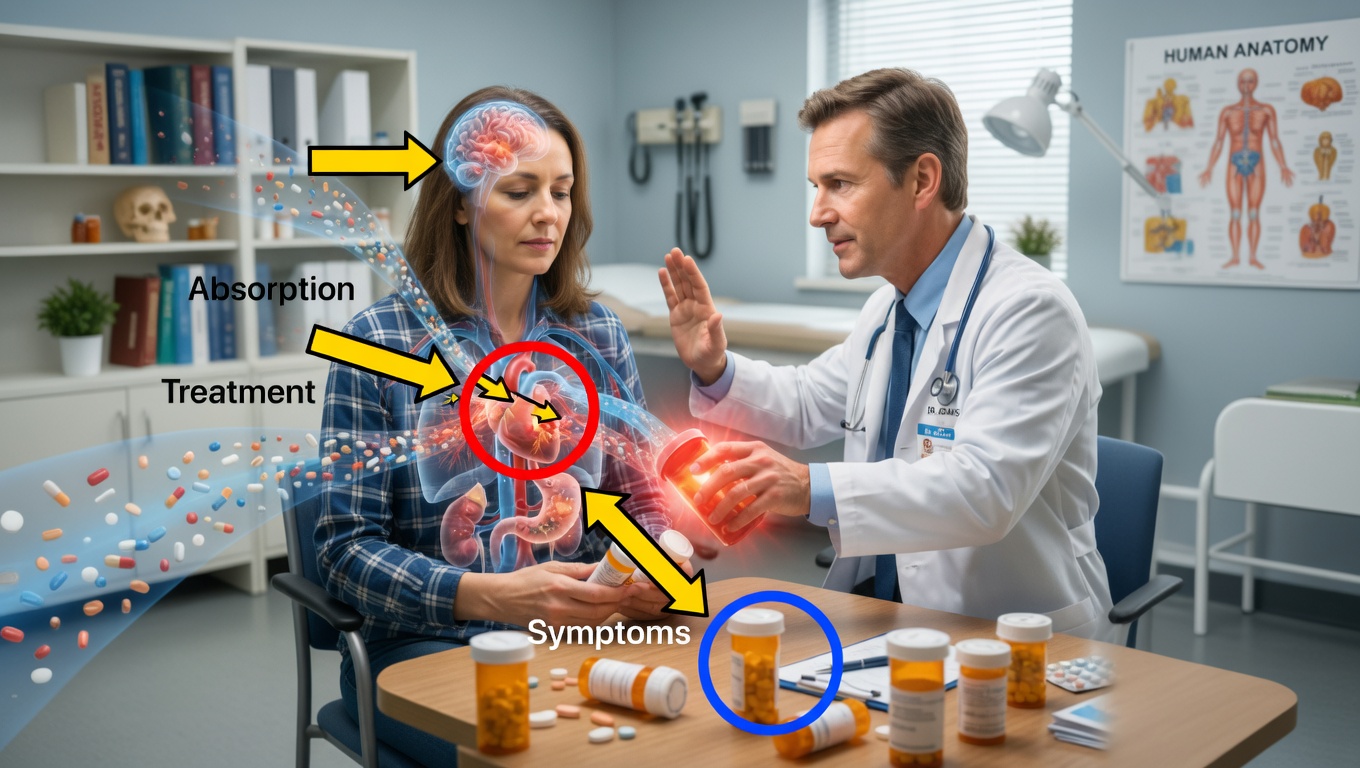
More than half of people over 65 now take five or more prescription drugs every day. Many of these medications are essential and even life-saving. But this growing pattern, known as polypharmacy, has a serious downside. As we age, our kidneys, liver, and overall metabolism change. Medicines that once worked beautifully can gradually start causing harm—or interact with other drugs in ways that create new problems.
In clinical practice, it’s common to see patients seeking help for new symptoms that turn out to be side effects of the very medications meant to keep them healthy.
This article is not about scaring you or urging you to throw away your prescriptions. Instead, it’s about giving you the knowledge and confidence to ask better questions and have more meaningful conversations with your doctor.
We’ll walk through five common medication categories that frequently cause trouble in older adults. By understanding these potential risks, you can be a stronger advocate for your own health and make sure your treatment plan works with your body—not against it.
Always talk to your doctor or pharmacist before starting, stopping, or changing any medication.
(Based on the insights of Dr. Suneel Dhand)
Key Takeaways
- Regularly review your medications: Aging changes how your body processes drugs. Schedule periodic medication reviews with your healthcare provider.
- Not all blood pressure pills are benign: Diuretics such as hydrochlorothiazide can disrupt electrolytes, cause dehydration, and trigger dizziness or falls.
- Anxiety and sleep medications can raise fall risk: Benzodiazepines often cause heavy sedation, increasing the likelihood of dangerous falls in older adults.
- Nerve pain drugs may cloud your thinking: Medications like gabapentin can lead to significant drowsiness and “brain fog” that can be mistaken for normal aging.
- Common painkillers can damage organs: High-dose NSAIDs (like ibuprofen and naproxen) can injure your kidneys and cause serious stomach or intestinal bleeding.
- Blood thinners demand careful monitoring: Anticoagulants are critical for preventing clots but always carry a bleeding risk that must be watched closely.
1. Hydrochlorothiazide: The “Water Pill” with Hidden Risks
Hydrochlorothiazide (HCTZ) is one of the most frequently prescribed medications for high blood pressure. It belongs to a class of drugs called thiazide diuretics, often nicknamed “water pills” because they help your kidneys get rid of extra salt and water.
While hydrochlorothiazide can effectively lower blood pressure, it often causes problems in older adults.
How Hydrochlorothiazide Can Cause Harm
HCTZ doesn’t only remove water—it also causes your body to lose important electrolytes, especially potassium. When potassium levels fall too low (a condition known as hypokalemia), you may experience:
- Muscle cramps or weakness
- Fatigue
- Irregular heartbeats or palpitations
On top of that, its diuretic effect can easily lead to dehydration, especially if you become ill with vomiting, diarrhea, or poor fluid intake. Dehydration can cause your blood pressure to drop too far, leading to:
- Dizziness or feeling lightheaded
- Fainting
- A much higher risk of falls and injuries
For people over 65, this combination—electrolyte imbalance and dehydration—can be particularly dangerous.
What You Can Do
If you take hydrochlorothiazide:
- Watch for symptoms such as weakness, cramps, dizziness, or a racing heart.
- Ask your doctor whether your electrolytes and kidney function are being monitored regularly.
- Discuss whether a different class of blood pressure medication might be a safer alternative for you, especially if you’ve had falls or episodes of low blood pressure.
2. Benzodiazepines: Relief for Anxiety and Insomnia with a High Price
Common benzodiazepines include:
- Diazepam (Valium)
- Lorazepam (Ativan)
- Alprazolam (Xanax)
These medications are often prescribed for anxiety, panic attacks, and sleep problems. They can be very effective in the short term, but in older adults, their risks are substantial.
Why Benzodiazepines Are Especially Risky for Seniors
As you age, your liver and kidneys don’t clear medications as efficiently. That means a dose that felt mild or appropriate years ago can become too strong later in life, resulting in:
- Profound drowsiness and sedation
- Slowed reaction time
- Poor balance and coordination
- Confusion or mental “fog”
This isn’t just normal tiredness—it can leave you feeling completely “out of it.”
A common and heartbreaking scenario in hospitals is an older adult on a benzodiazepine who develops a minor illness, such as a urinary tract infection or a cold. The combination of the illness and the sedating medication can make them extremely sleepy and unsteady. They get up to use the bathroom, lose their balance, and fall—often suffering a hip fracture or head injury.
Questions to Ask Your Doctor
If you’re taking a benzodiazepine:
- Do I still truly need this medication?
- Is there a safer alternative for my anxiety or sleep issues?
- Can my dose be reduced or the medication tapered off under medical supervision?
Never stop benzodiazepines suddenly without guidance; they can cause withdrawal symptoms if discontinued abruptly.
3. Gabapentin: Powerful for Nerve Pain, But Often Over-Sedating
Gabapentin (brand name Neurontin) is widely used for nerve pain, such as that caused by diabetic neuropathy, shingles (postherpetic neuralgia), or certain chronic pain conditions.
One of its most significant side effects—especially in older adults—is sedation.
When Pain Relief Turns Into “Chemical Sedation”
In many cases, older patients are prescribed very high doses of gabapentin, often several hundred milligrams multiple times a day. At these levels, the drug can:
- Dramatically increase sleepiness
- Slow thinking and reaction time
- Make someone appear withdrawn or less engaged
- Be mistaken for “just getting old” or “slowing down”
Families sometimes assume that a loved one’s reduced alertness and conversation is a natural part of aging, when in fact it may be due to medication. In hospital settings, doctors occasionally stop or lower gabapentin doses because a patient is too drowsy. Within days, relatives may remark, “We haven’t seen them this awake in years.”
This is a powerful reminder that gabapentin can act like a chemical blanket, dulling awareness.
How to Use Gabapentin Safely
Gabapentin certainly has an important role for severe nerve pain, but dosing matters:
- If you or a family member is on gabapentin and seems constantly sleepy, confused, or “not themselves,” bring it up with your doctor.
- Ask if the dose can be reduced, taken less often, or replaced with alternative treatments.
- Be especially cautious combining gabapentin with other sedating medications (like benzodiazepines, opioids, or sleep aids).
4. High-Dose NSAIDs: Everyday Painkillers that Can Damage Your Kidneys and Gut
Non-steroidal anti-inflammatory drugs (NSAIDs) are among the most commonly used medications worldwide. They include:
- Over-the-counter options: ibuprofen (Advil, Motrin), naproxen (Aleve)
- Prescription versions: diclofenac, high-dose ibuprofen or naproxen
Many people use NSAIDs daily for arthritis, back pain, or other chronic aches, often in high doses (e.g., 600–800 mg of ibuprofen several times a day). While they can effectively reduce pain and inflammation, long-term, high-dose use can be extremely harmful.
NSAIDs and Kidney Damage
NSAIDs can reduce blood flow to the kidneys, which over time can lead to:
- Gradual decline in kidney function
- Acute kidney injury, especially during dehydration or illness
- Permanent chronic kidney disease
It’s not unusual for older adults to arrive at the hospital with poor kidney function, only to discover they’ve been taking high-dose NSAIDs regularly for years.
NSAIDs and Hidden Gastrointestinal (GI) Bleeding
Another major concern is stomach and intestinal damage:
- NSAIDs irritate the stomach lining and can cause ulcers.
- These ulcers sometimes bleed slowly and silently.
- Patients may feel weak, dizzy, or extremely tired, and blood tests reveal very low hemoglobin from chronic blood loss.
Warning signs of a possible GI bleed include:
- Black, tar-like stools
- Blood in the stool or vomit (sometimes looks like coffee grounds)
- Unusual fatigue, paleness, or shortness of breath
If You Need NSAIDs
If you rely on NSAIDs for chronic pain:
- Discuss the lowest effective dose and shortest possible duration with your doctor.
- Ask whether you need medication to protect your stomach, such as a proton pump inhibitor.
- Ensure your kidney function is checked regularly with blood tests.
- Explore other pain management options (physical therapy, topical treatments, alternative medications) that may carry fewer risks.
5. Anticoagulants: Essential Blood Thinners That Require Constant Awareness
Anticoagulants, commonly known as blood thinners, are crucial for people who:
- Have atrial fibrillation (AFib)
- Have had deep vein thrombosis (DVT) or pulmonary embolism (PE)
- Are at high risk of forming harmful blood clots
For many years, warfarin (Coumadin) was the standard anticoagulant. Warfarin requires regular blood tests (INR checks) to ensure the dose is within a safe range.
More recently, newer anticoagulants—often called DOACs (direct oral anticoagulants)—have become common, including:
- Apixaban (Eliquis)
- Rivaroxaban (Xarelto)
These drugs are easier to use because they don’t require routine INR monitoring. However, that convenience can sometimes lead people to forget that these medications are still powerful blood thinners with serious risks.
The Ongoing Risk of Bleeding
All anticoagulants, old and new, increase the risk of bleeding, which can include:
- Easy bruising
- Nosebleeds or gum bleeding
- Heavy or prolonged menstrual bleeding
- Internal bleeding in the stomach, intestines, or urinary tract
- Brain bleeds, especially after a fall or head injury
This risk is particularly concerning for older adults who are also at higher risk of falls due to balance problems, vision issues, or sedating medications.
How to Use Blood Thinners Safely
If you are on an anticoagulant:
- Inform every healthcare provider, dentist, and pharmacist that you take a blood thinner.
- Watch for signs of bleeding: black or bloody stools, pink or red urine, coughing or vomiting blood, severe headaches, sudden weakness, or confusion.
- Seek urgent medical care after any head injury or significant fall, even if you feel fine at first.
- Never stop your anticoagulant on your own. Stopping suddenly can increase your risk of a stroke or dangerous clot.
- Ask your doctor whether your dose is appropriate for your age, kidney function, and weight, and whether any of your other medications increase bleeding risk.
How to Advocate for Yourself and Your Medications
As you grow older, the most powerful step you can take is to become an active participant in your medication management:
-
Schedule regular medication reviews
At least once a year—more often if your health changes—sit down with your doctor or pharmacist to review every prescription, over-the-counter drug, and supplement you take. -
Ask three key questions for each medication
- Why am I taking this?
- Is this still the best choice for me at my age and health status?
- Could a lower dose or different medication be safer?
-
Watch for new symptoms
Don’t automatically assume that new fatigue, confusion, dizziness, or weakness is “just aging.” It could be a side effect of a drug or an interaction between several medications. -
Bring a list to every appointment
Keep an updated list of all medications and supplements in your wallet or on your phone and show it at every medical visit.
Remember: the goal is not to be on the most medications—it’s to be on the right medications in the safest possible way. With the right information and open communication with your healthcare team, you can help ensure that your medicines are truly serving your health, not undermining it.