Why Balance Matters More Than Many People Realize
As kids, many of us took part in challenges like seeing who could stand on one foot the longest. It may have seemed like a simple game, but this same skill is now being looked at in a much more serious way.
A recent study by Araujo et al. explored whether a single-leg stand test could be linked to life expectancy. The researchers reviewed data from more than 1,700 people of different ages, sexes, and backgrounds between 2008 and 2020. The key question was simple: could each participant balance on one leg for at least 10 seconds?
The findings were surprising. People who could hold the one-leg balance test for 10 seconds or longer tended to live longer than those who could not. According to the study, this pattern remained true regardless of the different participant characteristics that were examined.
What Could Be Behind This Link?
Longevity has been a major area of interest in medicine for centuries, and these results suggest that balance may be more important than many people think.
The study points to a possible reason why balance deserves more attention in health care and fitness. If the ability to balance on one leg is connected to living longer, then poor balance may be an overlooked warning sign. That is why routine balance testing for middle-aged and older adults could become a useful part of standard health assessments, alongside checks such as blood pressure screenings.
The same idea also matters in daily life. Many people focus mainly on cardio or lifting heavy weights, but balance training may also play a meaningful role in supporting a longer, healthier life.
What You Can Do to Improve Balance
No matter your age, balance appears to matter. The good news is that balance can be practiced.
Before trying any balance exercises, use good safety habits. Practice near a wall or another stable surface. You may also want to have a friend or family member nearby in case you lose your balance and fall.
Tree Pose
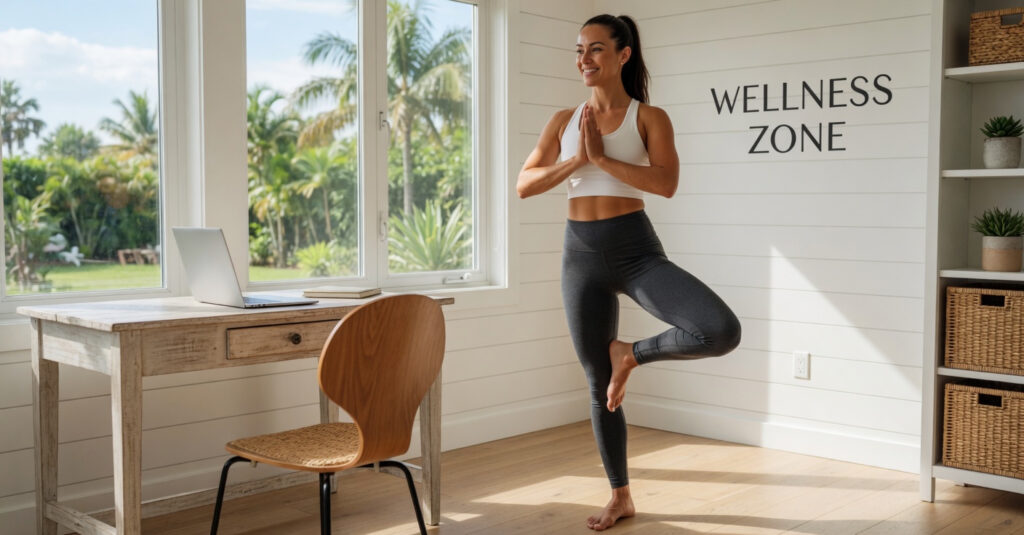
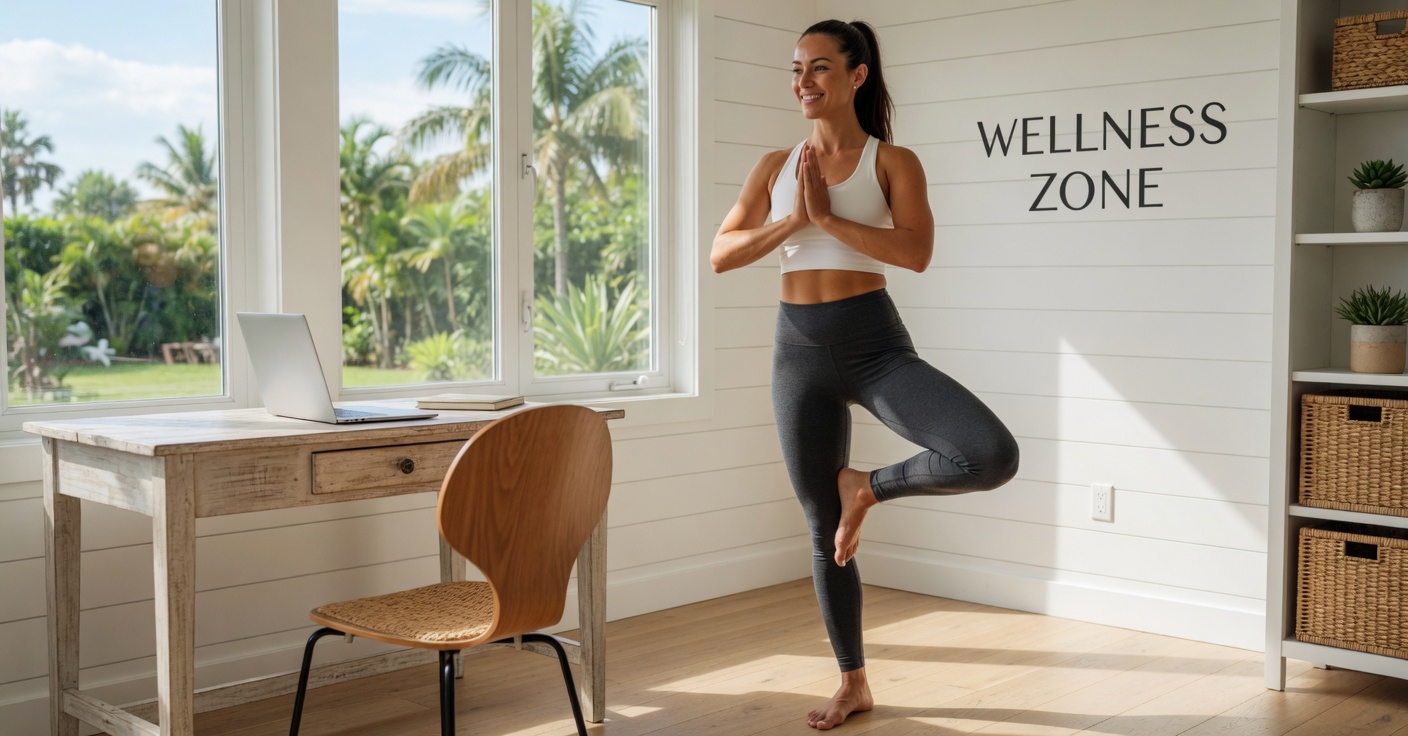
Tree Pose is a well-known yoga position that helps build single-leg balance. As you do it, think of yourself as a tree standing tall.
How to do it:
- Stand on your left leg.
- Place the sole of your right foot against the inside of your left calf.
- Hold for 10 to 30 seconds.
- Repeat 10 times on both legs, once each day.
Tandem Balance
The tandem stance is often used by physical therapists as both an exercise and a way to assess balance. Because your base of support becomes narrower, your body has to work harder to stay steady.
How to do it:
- Stand with your right foot directly in front of your left, like you are walking on a tightrope.
- Hold the position for 10 to 30 seconds.
- Repeat 10 times with the right foot forward and 10 times with the left foot forward, once each day.
Slow Marches
Slow marches add movement to balance training. Since your weight shifts from side to side, your body must keep regaining balance as you move.
How to do it:
- Stand upright and cross your arms over your chest.
- March in place slowly.
- Lift one knee toward your chest, lower it back down, then switch sides.
- Complete 30 marches per side, once each day.
The Bottom Line
Balance is often overlooked in health and fitness, but it may be more important than many people realize. Research from Araujo et al. suggests that being able to stand on one leg for 10 seconds may be linked to longer life. That makes balance training a simple but worthwhile area to focus on.
By working on both single-leg balance and moving balance exercises, you may support better long-term health.
As with any exercise routine, be sure to talk to your doctor about any questions or concerns you have before trying these moves.
Consult a healthcare professional before making changes.