Bisoprolol: Uses, Side Effects, Dosage, and Safety Guide
If your doctor has just prescribed a medicine called bisoprolol, you may be asking yourself: What exactly is this for? How will it affect me? Is it safe in the long term? These are important questions, and understanding your treatment is a key part of taking charge of your health.
This guide, based on the insights of Dr. Alberto Sanagustín, explains bisoprolol in clear, simple language so you know what to expect and how to use it safely.
Key Takeaways
- What it is: Bisoprolol is a beta-blocker commonly used to treat high blood pressure, heart failure, angina (chest pain), and certain heart rhythm problems.
- How it works: It slows your heart rate and relaxes blood vessels, lowering blood pressure and reducing the workload on your heart.
- Common side effects: The most frequent side effects are dizziness, tiredness, and cold hands or feet. These are usually mild and often improve after a few weeks.
- Do not stop suddenly: Never discontinue bisoprolol abruptly without medical advice. Stopping suddenly can be dangerous and may cause blood pressure or heart problems to rebound.
- Lifestyle factors: Alcohol, driving, and exercise may be affected by bisoprolol. Discuss these with your doctor so you can adjust safely.
1. What Is Bisoprolol and How Does It Work?
Bisoprolol belongs to a group of medicines called beta-blockers. Your body has special receptors (beta receptors) that respond to stress hormones like adrenaline. When you are anxious, exercising, or under stress, adrenaline makes your heart beat faster and more forcefully.
Bisoprolol mainly blocks beta-1 receptors in the heart. By doing this, it:
- Slows down your heart rate
- Reduces the force of each heartbeat
- Helps your blood vessels relax and widen
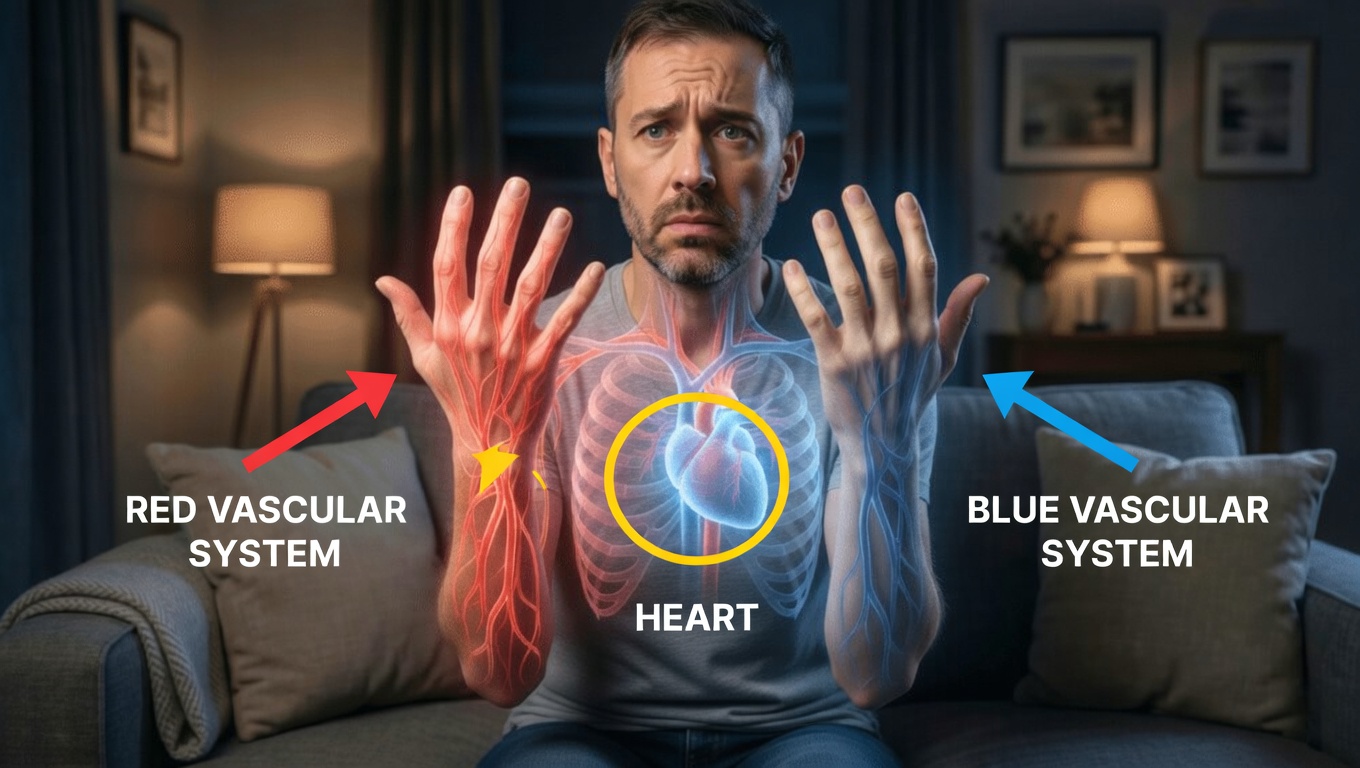
The result is lower blood pressure and less strain on the heart. This is particularly helpful for people with high blood pressure, angina, heart failure, or certain irregular heart rhythms, where reducing the heart’s workload is essential.
2. What Conditions Does Bisoprolol Treat?
Doctors prescribe bisoprolol for several heart and circulation-related conditions, including:
-
Hypertension (high blood pressure):
Bisoprolol lowers blood pressure and helps protect against complications such as heart attack and stroke. It may be used alone or with other blood pressure medications. -
Chronic heart failure:
In people whose heart is weaker and cannot pump efficiently, bisoprolol can improve heart function, reduce symptoms (like breathlessness and fatigue), and enhance quality of life. It is usually combined with other heart failure drugs. -
Stable angina pectoris (chronic chest pain):
Stable angina is chest pain or discomfort that usually happens with physical effort or emotional stress. Bisoprolol reduces the heart’s oxygen demand, helping to prevent angina attacks. -
Atrial fibrillation (AFib) and other fast heart rhythms:
In atrial fibrillation and some other arrhythmias, the heart beats irregularly and often too fast. Bisoprolol is often used to control heart rate, helping to keep it within a safer range.
3. How Should You Take Bisoprolol?
Your doctor will personalize your bisoprolol dosage based on your condition and overall health, so always follow their instructions exactly.
General guidelines include:
- How often: Usually once a day.
- When: Commonly taken in the morning, but your doctor may suggest another time if needed.
- With food or without: You can take bisoprolol with or without food, with a glass of water.
- Swallowing: Swallow the tablet whole; do not crush or chew unless your doctor tells you otherwise.
To reduce side effects, treatment usually starts with a low dose (for example, 1.25 mg or 2.5 mg daily). The dose may then be gradually increased every few weeks until you reach the target dose (often up to 10 mg, and in some cases up to 20 mg per day).
If you feel dizzy or lightheaded when starting the medication, your doctor may advise taking it in the evening before bed instead of in the morning.
Never change your dose or stop taking bisoprolol on your own. Always talk to your doctor first.
4. What Are the Most Common Side Effects?
Most people tolerate bisoprolol well. When side effects occur, they are usually mild and temporary, especially in the first few weeks as your body adjusts.
Common side effects include:
- Dizziness or lightheadedness, particularly when standing up quickly
- Feeling tired, weak, or lacking energy
- Cold hands and feet due to reduced blood flow to the extremities
- Headache
- Digestive problems such as nausea, diarrhea, or constipation
These often improve as your body gets used to the medication.
Serious side effects: when to seek medical help
Although less common, more serious reactions can occur. Contact a doctor or emergency services immediately if you notice:
- Strong or worsening shortness of breath
- Swelling of the ankles, legs, or feet
- A very slow heart rate or irregular heartbeat
- Fainting or near-fainting episodes
- Signs of an allergic reaction: rash, itching, swelling of the face, lips, tongue, or throat, or difficulty breathing
Always inform your doctor of any side effects that concern you, especially if they are severe or persistent.
5. What If You Miss a Dose or Take Too Much?
Missed dose
If you forget to take a dose of bisoprolol:
- Take it as soon as you remember.
- If it is almost time for your next dose, skip the missed dose.
- Do not take a double dose to make up for the one you missed.
Taking two doses close together can increase the risk of side effects such as low blood pressure or an overly slow heart rate.
Overdose
Taking more bisoprolol than prescribed can be dangerous. Symptoms of an overdose may include:
- Very slow heartbeat
- Severe dizziness or fainting
- Difficulty breathing or wheezing
- Tremors or confusion
If you think you (or someone else) have taken too much bisoprolol, seek emergency medical help immediately.
6. Who Should NOT Take Bisoprolol? (Contraindications)
Bisoprolol is not suitable for everyone. You should not take bisoprolol if you have:
- A known allergy to bisoprolol or any other beta-blocker
- Very low blood pressure (hypotension)
- A very slow heart rate (significant bradycardia)
- Certain serious heart rhythm disorders called heart block (especially second- or third-degree block) unless you have a pacemaker
- Acute or decompensated heart failure, where symptoms suddenly worsen and require urgent treatment
- Severe circulation problems in the limbs, such as severe Raynaud’s syndrome
- Severe asthma or severe chronic obstructive pulmonary disease (COPD)
- Metabolic acidosis, a condition where the blood becomes too acidic
Your doctor will assess your medical history to decide if bisoprolol is safe for you.
7. Important Precautions to Discuss With Your Doctor
Even if bisoprolol is not strictly contraindicated, there are situations where it must be used with extra caution. Tell your doctor if you have:
-
Diabetes:
Bisoprolol can mask some of the symptoms of low blood sugar (hypoglycemia), such as rapid heartbeat or tremors. If you have diabetes, you may need to monitor your blood glucose more closely and adjust your diabetes medication with your doctor’s guidance. -
Psoriasis:
Beta-blockers can sometimes trigger psoriasis or make existing psoriasis worse. Let your doctor know if you have a history of this skin condition. -
Mild to moderate asthma or COPD:
While severe cases are usually a reason not to use bisoprolol, people with milder forms may be able to take it at low doses under close medical supervision. Report any worsening of wheezing or breathing difficulties immediately. -
Thyroid disorders:
Beta-blockers can mask some signs of an overactive thyroid (hyperthyroidism), such as rapid heart rate. -
Upcoming surgery:
If you are scheduled for surgery requiring general anesthesia, inform your surgeon and anesthetist that you are taking bisoprolol. They may adjust your dose or, in some cases, ask you to stop the medication 48 hours before the procedure, always under medical supervision.
Always share a complete list of your medications (including over-the-counter drugs and supplements) with your doctor, as bisoprolol can interact with other medicines.
8. Lifestyle Interactions: Alcohol, Driving, and Exercise
Alcohol
Alcohol can enhance the blood-pressure-lowering effects of bisoprolol. This may make you feel:
- Dizzier
- Lightheaded
- Unsteady on your feet
Be especially cautious with alcohol when you first start bisoprolol or after a dose increase. Your doctor may advise limiting or avoiding alcohol altogether.
Driving and operating machinery
Bisoprolol can cause:
- Drowsiness
- Dizziness
- Fatigue
- Slower reaction times in some people
If you experience these effects, do not drive, ride a bike, or operate heavy machinery until you know exactly how bisoprolol affects you. Safety should always come first.
Exercise and physical activity
Regular physical activity is important for heart health, but bisoprolol can change how your body responds to exercise:
- Your heart rate may not rise as much as usual during exertion.
- You might not feel your heart pounding even when you are working hard.
- It may be harder to judge how intensely you are exercising based on heart rate alone.
Discuss your exercise plan with your doctor, especially if you do intense sports or endurance training. Helpful tips include:
- Start slowly and build up gradually.
- Pay attention to symptoms like chest pain, unusual shortness of breath, or dizziness.
- Use perceived effort (how hard you feel you are working) rather than heart rate alone to gauge intensity.
Staying informed about your medication helps you use it safely and confidently. Bisoprolol can be highly effective for many heart conditions when taken correctly and monitored by your healthcare provider. Always follow your doctor’s advice, attend regular check-ups, and report any concerns or side effects promptly.