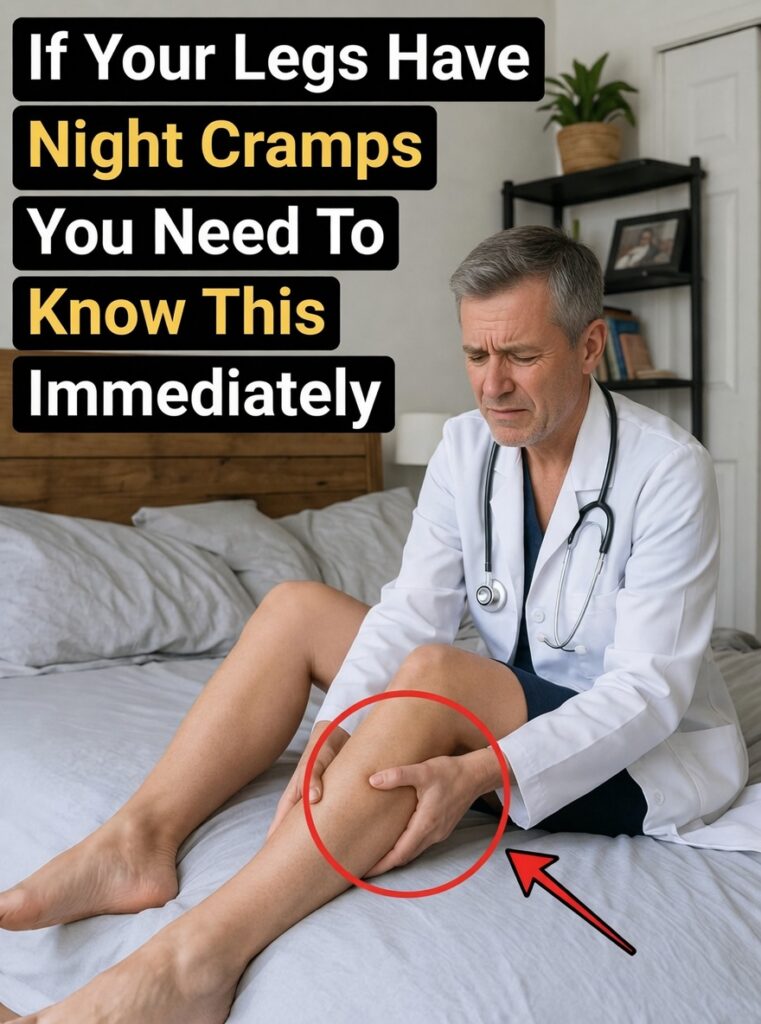
Waking Up in the Middle of the Night With Leg Pain? Try This Natural Trick to Calm Muscles Fast
You finally fall asleep after a long, exhausting day… and suddenly a sharp, unexpected pain grips your calf or foot, jolting you awake. The muscle feels like it’s twisting on its own—tight as a rock. You stretch, you rub it, you try to breathe through it, but the discomfort lingers and sleep disappears. The next morning, you feel drained, irritable, and unable to focus.
The good news: in most cases, night leg cramps have simple causes—and even better, they’re often preventable with small daily changes. There’s also one overlooked detail that can make a real difference. Read to the end.
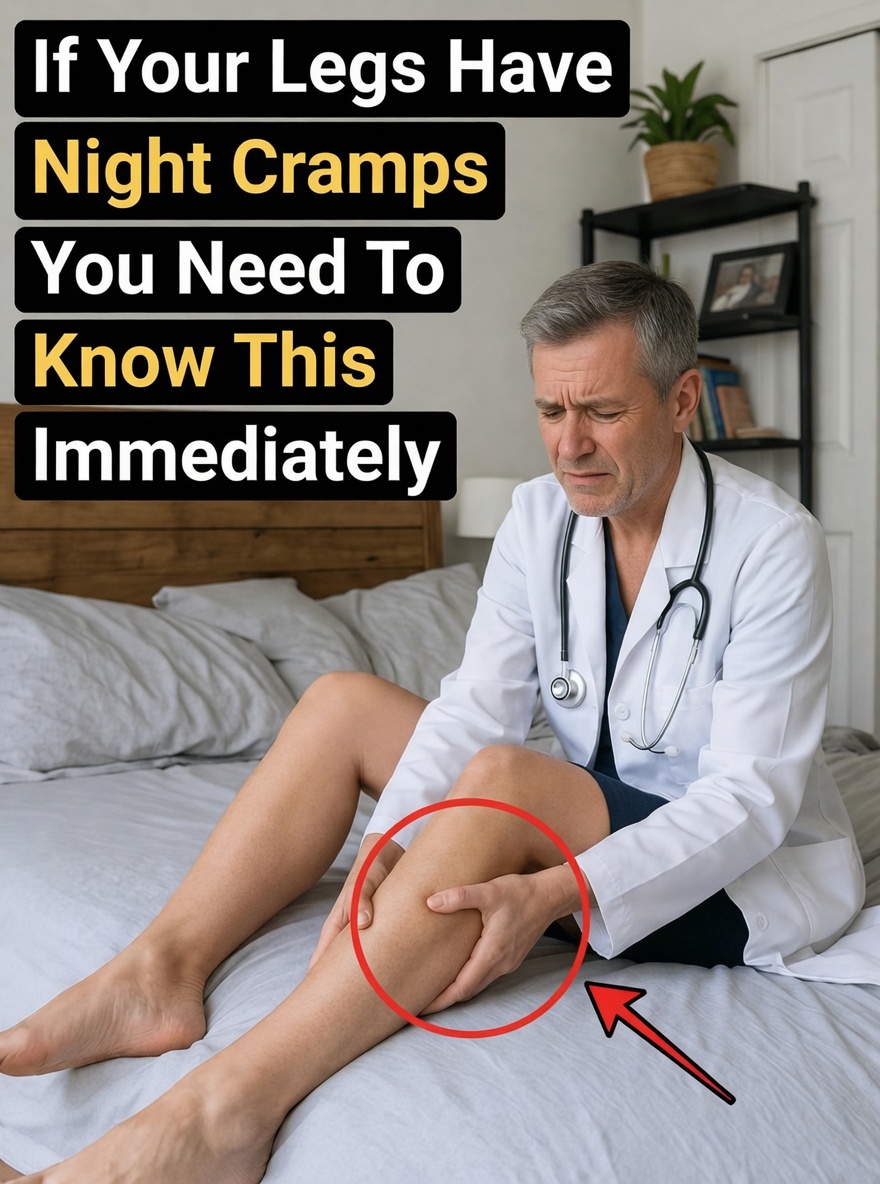
Why Do Leg Cramps Happen at Night?
Nighttime cramps occur when a muscle contracts involuntarily and struggles to relax. The exact cause isn’t always obvious, but several common triggers significantly increase the risk—especially as we get older.
Your muscles rely on balance: hydration, minerals, and regular movement. When one of these is off, cramps become more likely.
Most common causes of night leg cramps
- Dehydration: not drinking enough water during the day makes muscles more prone to spasms.
- Mineral imbalance: low levels of magnesium, potassium, calcium, or sodium can interfere with normal muscle function.
- Muscle fatigue: overuse, intense exercise, or standing for long periods can leave muscles tight and reactive.
- Poor circulation: sitting too long or staying still reduces blood flow in the legs.
- Other factors: pregnancy, certain medications, and conditions such as diabetes may contribute.
What to Do Right When a Cramp Hits
When the pain starts, acting quickly can shorten the episode and reduce soreness afterward.
- Stretch gently: straighten your leg and pull your toes toward your body for 20–30 seconds.
- Massage the area: press and rub the cramped muscle with firm, steady movements.
- Stand up and walk: a few steps can help the muscle release.
- Apply warmth: a warm towel or a hot shower often relaxes the muscle quickly.
- Use ice later if needed: if the area remains tender, apply cold for a few minutes.
A strong combination for fast relief is stretching + massage.
Simple Daily Habits That Help Prevent Night Cramps
Prevention is the real solution—and it doesn’t have to be complicated. These small changes can significantly reduce how often cramps happen:
- Drink enough water throughout the day
- Eat mineral-rich foods such as bananas, leafy greens, nuts, and dairy
- Do 5 minutes of stretching before bed (it makes a big difference)
- Move daily (even light activity helps)
- Limit coffee and alcohol at night
- Keep your feet relaxed in bed (avoid pointing toes downward for long periods)
- Take a warm shower before sleep to loosen muscles
Consistency matters more than perfection. Small daily habits often bring noticeable results within a few weeks.
Extra Adjustments That Can Make a Big Difference
If you want to go further, these supportive steps can help even more:
- Maintain a healthy weight
- Choose gentle activities like walking, yoga, or swimming
- If you sit for long hours, stand up regularly and stretch during the day
When You Should See a Doctor
Most nighttime leg cramps are harmless. However, it’s important to seek medical guidance if cramps:
- happen very frequently
- are extremely painful
- come with swelling, numbness, or weakness
These signs may indicate an underlying issue that needs professional evaluation.
Conclusion
Night leg cramps don’t have to steal your sleep. With better hydration, balanced nutrition, and a simple pre-bed stretch, you can dramatically reduce nighttime cramping and wake up feeling more rested.
Start today—your body (and your nights) will thank you.
Disclaimer: This content is for informational purposes only and does not replace medical advice. Consult a healthcare professional if symptoms persist, worsen, or cause concern.