What Does a Keto Diet Menu Look Like?
You have probably heard about the ketogenic diet, or keto diet, by now.
It has become one of the most popular approaches for weight loss, and its appeal continues to expand in the United States and around the world.
Many people who follow keto praise it for being straightforward and for helping them reduce both body weight and body fat.
Beyond weight management, the ketogenic lifestyle is also gaining attention for its possible health benefits.
Studies suggest that high-fat, very low-carb eating patterns like keto may help support certain medical conditions, including diabetes, epilepsy, seizures, and cognitive decline.
Research has also linked the keto diet to improved blood sugar control, better insulin levels and insulin sensitivity, lower blood pressure, improved cholesterol markers, and a reduced risk of heart disease.
If you are interested in trying the ketogenic diet for weight loss but do not know how to begin, this guide covers the basics and explains what foods typically belong on a keto menu.
What Is the Ketogenic Diet?
The ketogenic diet is a low-carbohydrate, high-fat, and moderate-protein eating plan.
On keto, carbohydrate intake is reduced significantly while fat intake is increased.
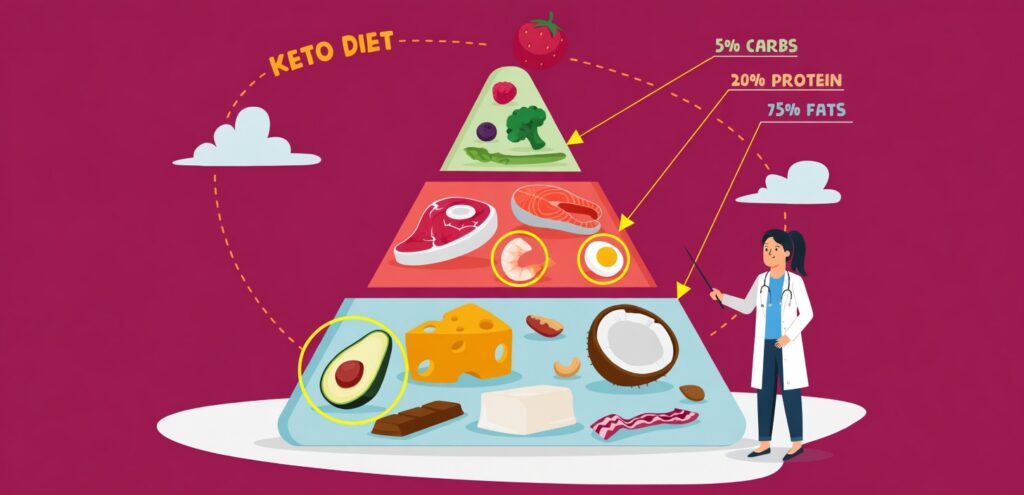
A traditional ketogenic diet usually limits carbohydrates to around 5% to 10% of total daily calories. For most people, that means roughly 25 to 50 grams of carbs per day.
Lowering carbs this much pushes the body into a metabolic state called ketosis.
When carbohydrate intake is very low, the body stops relying mainly on glucose and stored glycogen for fuel. Instead, it begins using fatty acids from food and body fat as a primary energy source.
The liver converts these fatty acids into ketone bodies, often simply called ketones.
These ketones circulate in the blood and can be used by the brain and body for energy. Any excess ketones may be removed through the urine instead of being stored as fat, which differs from how the body handles carbohydrates.
In simple terms, the keto diet shifts your metabolism into fat-burning mode. Once ketosis is reached, the body becomes more efficient at using fat and fatty acids for fuel, which can support weight loss.
A Brief History of the Classic Ketogenic Diet
The ketogenic diet was first introduced by physicians in the 1920s as a treatment for epilepsy and seizures.
It was designed to mimic the effects of fasting, similar to what is seen with intermittent fasting, which had been used for centuries to help manage seizures.
This dietary therapy remained widely used for about 20 years, until modern anti-seizure medications became available.
After that, the classic ketogenic diet continued to be used mainly for children with drug-resistant epilepsy, meaning seizures could not be controlled effectively with medication.
In many of these cases, the ketogenic diet helped reduce seizure frequency and, for some children, even led to seizure freedom.
Because of the connection between ketones and fewer seizures, researchers have become increasingly interested in how keto may affect other neurological conditions, including Alzheimer’s disease and Parkinson’s disease.
Potential Benefits of the Keto Lifestyle
The ketogenic diet has been associated with several possible advantages:
- Reduced appetite – High-fat, low-carb diets may improve fullness and satisfaction after meals.
- Improved cholesterol markers – Some studies suggest a low-carb diet may help lower LDL, often called “bad” cholesterol.
- Lower insulin resistance – Cutting back on carbohydrates may reduce both blood sugar and insulin levels, which can improve insulin sensitivity.
- Faster short-term weight loss – Research often shows greater weight loss with low-carb diets during the first six months compared with low-fat diets. Over the long term, however, both approaches may be similarly effective.
- Lower blood pressure – Since high blood pressure is a major risk factor for heart disease and stroke, this may be an important benefit.
- More abdominal fat loss – Low-carb diets may lead to a greater reduction in belly fat, which is considered especially harmful to health.
- Possible support against certain cancer cells – Some cancer cells, especially in tumors, depend heavily on glucose and may not use ketones effectively. A low-carb diet may help limit this fuel source, although more research is needed.
How to Start a Keto Diet
The main idea behind keto is simple: eat fewer carbs and more healthy fats.
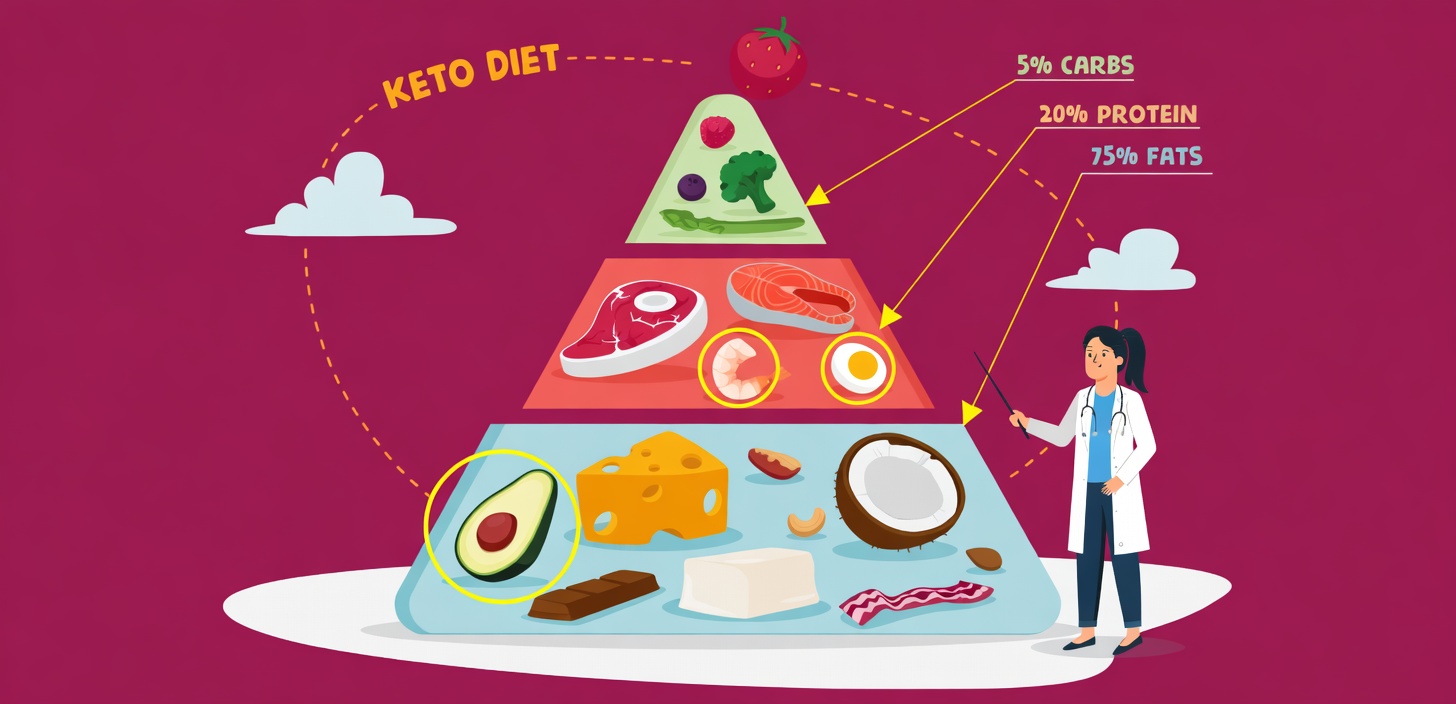
A standard keto macronutrient breakdown usually looks like this:
- 60% to 75% of daily calories from fat
- 15% to 30% of daily calories from protein
- 5% to 10% of daily calories from carbohydrates
In practice, this usually means staying below 50 grams of carbs per day.
Some people may reach ketosis while eating close to 50 grams of carbs daily, while others may need to reduce intake to 20 grams or less.
Although some keto followers count macronutrients closely, tracking every gram is not always necessary.
For many people, the most important strategy is simply to keep carbohydrate intake very low and consistently prioritize fat-rich foods.
What Can You Eat on a Keto Diet Menu?
Starting keto can feel difficult at first because it is more restrictive than many other eating plans.
Still, many whole, nutritious foods are naturally low in carbs and fit well into a ketogenic meal plan.
Below are the main food groups commonly included on a keto diet menu.
Meat and Protein
Protein is an important part of keto, but it should remain moderate rather than excessive.
When protein intake gets too high, the body can convert some of it into glucose through a process called gluconeogenesis. This may make it harder to stay in ketosis, especially when protein exceeds about 35% of daily calories.
Since keto is centered on fat, fattier cuts of meat are often preferred.
Good protein choices include:
- Beef, ideally grass-fed when available
- Seafood, including fish and shellfish
- Poultry, such as chicken, turkey, and duck
- Pork
- Bacon
- Venison
- Eggs
Oils and Healthy Fats
Fat provides the majority of calories on a ketogenic diet, so choosing quality fat sources is important.
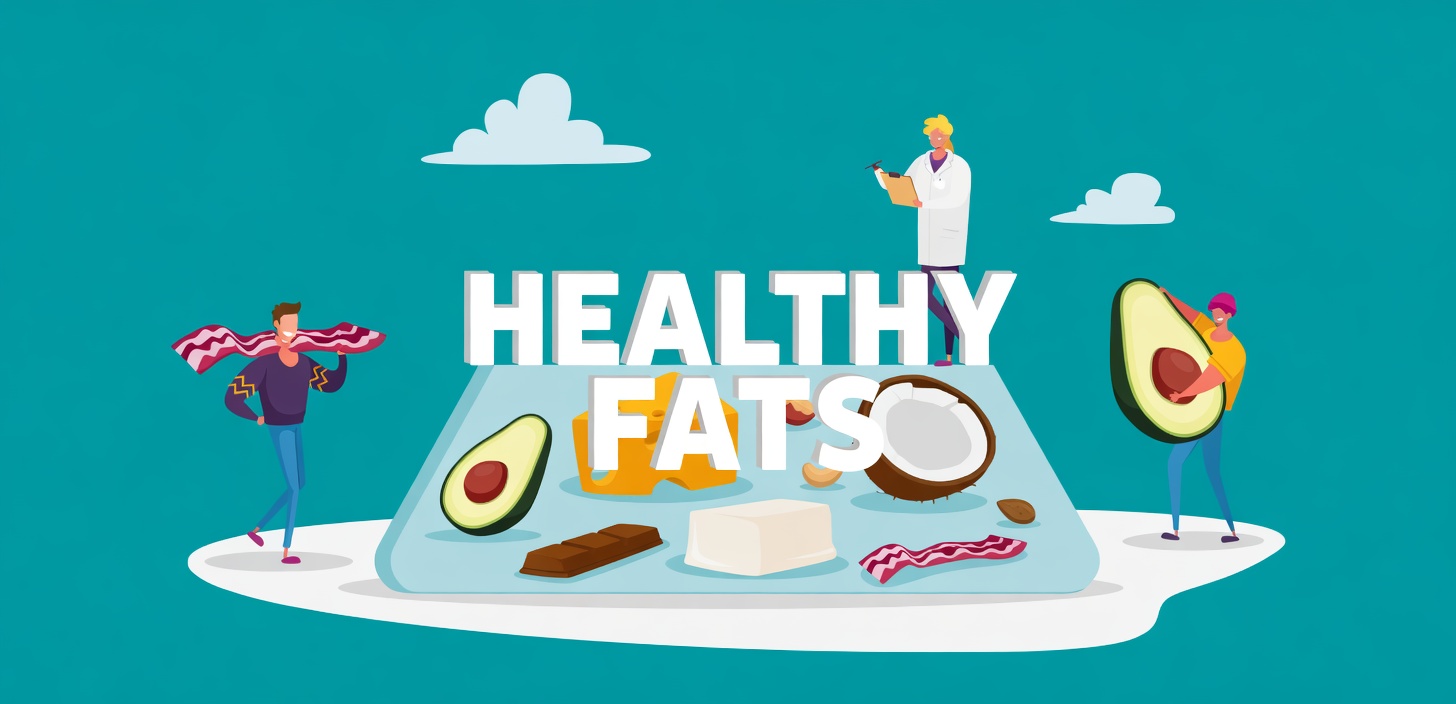
Some fats are more beneficial than others. Nutrient-rich, high-fat options include fatty fish, olives, olive oil, avocados, nuts, and seeds.
Healthy fats commonly used on a keto diet include:
- Butter, preferably from grass-fed cows when possible
- Fatty fish, such as salmon, tuna, mackerel, and trout
- Ghee
- Avocado oil
- Coconut oil
- Olive oil
- MCT oil, a supplement made of medium-chain triglycerides
- Nut and seed oils
- Nut butters, such as almond butter
- Full-fat plain Greek yogurt with no added sugar
- Full-fat cheese
- Heavy whipping cream
- Bacon
Low-Carb Vegetables
Low-carb, non-starchy vegetables are a key part of a healthy keto diet.
These vegetables are generally low in calories and rich in nutrients such as vitamin C and potassium.
They also provide fiber, which is a type of carbohydrate your body does not fully digest or absorb. Because of their high fiber content and lower net carb count, non-starchy vegetables can help add volume, texture, and nutrition to keto meals without making it difficult to stay in ketosis.
Final Thoughts
The ketogenic diet is a high-fat, low-carb, moderate-protein eating plan designed to move the body into ketosis, a state where fat becomes the main fuel source.
Its roots go back to the 1920s, when it was first used as a treatment for epilepsy. Today, it is widely followed for weight loss and is also being studied for its potential effects on blood sugar, insulin resistance, heart health, and neurological conditions.
If you are just getting started, focus on the essentials:
- Keep carbohydrates very low
- Eat moderate amounts of protein
- Get most of your calories from healthy fats
- Build meals around meats, eggs, fish, oils, full-fat dairy, and non-starchy vegetables
With the right food choices, a keto diet menu can be simple, satisfying, and easier to follow than many people expect.