
The 7 Healthiest Foods to Stabilize Insulin and Transform Your Health
What if most long-term illnesses—potentially up to 80%—could be linked to a single hormone? That hormone is insulin. When insulin stays elevated for too long, your body enters a chronic stress state known as insulin resistance, which sets the stage for a wide range of health issues.
The powerful part: you can largely control your insulin levels through what you eat. Foods that sharply raise insulin work against your health, while those that keep insulin low and steady become your greatest nutritional allies.
In this guide, you’ll discover the seven healthiest foods to eat every day, plus a strong introduction to one of the best healthy fats. These foods all share one core feature: they help keep insulin stable. By weaving them into your daily meals, you can make a major move toward reversing insulin resistance, protecting your organs, and feeling better overall.
Key Takeaways
- Keep Insulin Stable: A truly healthy diet centers on foods that do not trigger large insulin spikes. Every food on this list supports balanced insulin.
- Prioritize Nutrient Density: These options are rich in vitamins, minerals, antioxidants, healthy fats, and phytonutrients your body urgently needs.
- Healthy Fats Are Essential: Especially omega‑3 fats, which support brain function, reduce inflammation, and keep you satisfied without pushing insulin higher.
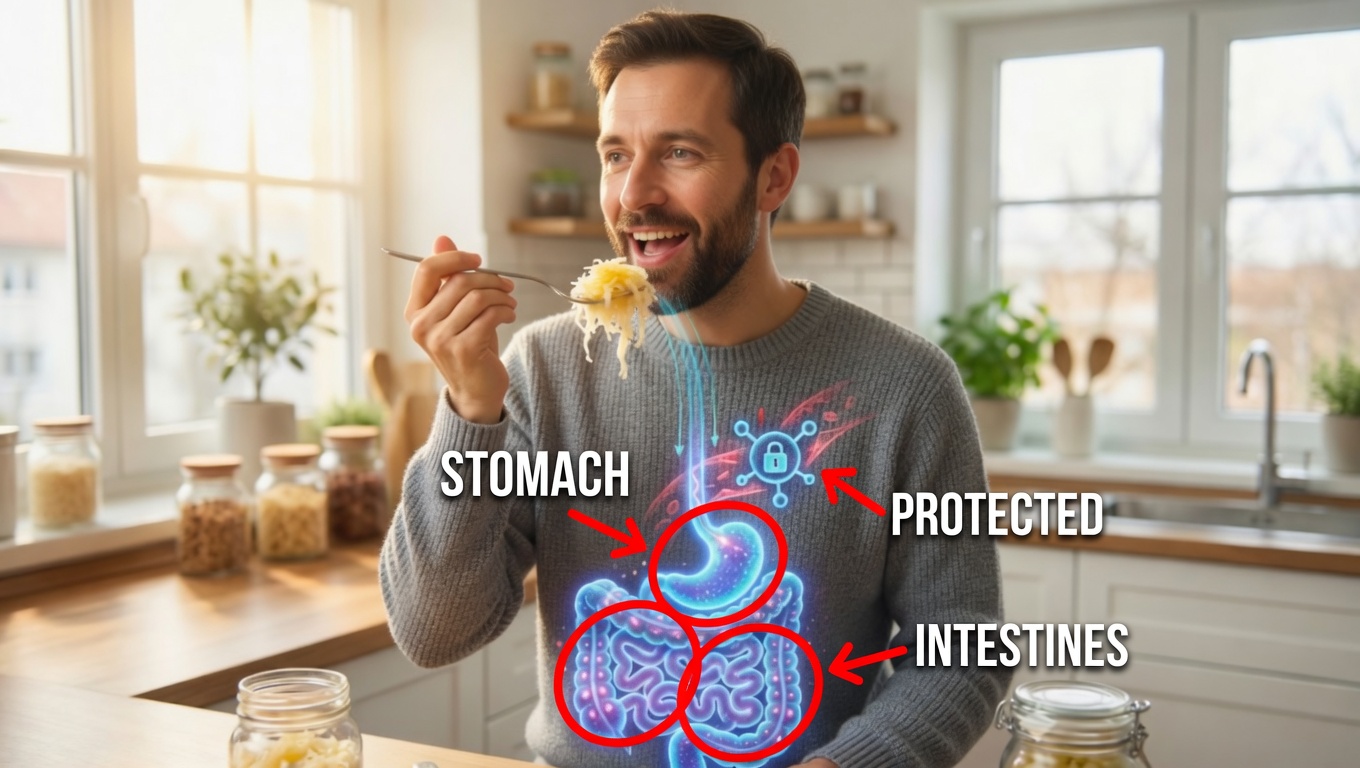
- Support Your Gut with Probiotics: Fermented foods such as sauerkraut and certain cheeses supply beneficial bacteria that enhance digestion and immune health.
- Micronutrients Make a Big Difference: Nutrients like selenium, vitamin K2, and vitamin U have powerful, targeted roles in preventing disease and promoting longevity.
1. Sauerkraut
Most people think of sauerkraut as a simple topping, but raw, unpasteurized sauerkraut is one of the most powerful superfoods you can add to your plate. If the jar sits on a regular shelf (not in the refrigerator) and has been pasteurized, the heat will have destroyed the live cultures that make sauerkraut so special.
Real, fermented sauerkraut is a probiotic powerhouse, often more potent than yogurt or kefir. It’s loaded with beneficial bacteria that help build and maintain a diverse, healthy gut microbiome—crucial for immunity, mood, and metabolism.
Nutritionally, sauerkraut is astonishing:
- About 700 mg of vitamin C per cup—around ten times the typical recommended daily intake
- Approximately 1.9 grams of net carbs per cup, making it very low in carbohydrates
- Rich in glutamine, an amino acid that supports repair of an inflamed intestinal lining
- A significant source of vitamin K2, produced during fermentation, which helps shuttle calcium out of arteries and soft tissues and into your bones
Sauerkraut also contains vitamin U, a lesser‑known compound shown to help heal ulcers throughout the digestive tract by strengthening and protecting the mucous barrier that lines your stomach and intestines.
2. Arugula
When it comes to building a daily salad that supports metabolic and cardiovascular health, arugula deserves a front‑row spot. This peppery leafy green is:
- Very low in oxalates, which can be helpful for those prone to kidney stones or joint discomfort
- Exceptionally powerful at boosting your body’s nitric oxide production
Nitric oxide is a critical molecule that acts as a vasodilator—it relaxes and widens blood vessels. This leads to:
- Lower blood pressure
- Improved circulation throughout the body
- Protection of the delicate inner lining of your arteries
- Better blood flow–dependent functions, including help with conditions such as erectile dysfunction
Among all foods, arugula ranks as one of the richest sources for supporting nitric oxide. A simple, insulin‑friendly way to enjoy it is to toss fresh arugula with extra virgin olive oil and nutritional yeast. This combination adds healthy fats, B vitamins, and a naturally cheesy flavor, all while keeping insulin levels stable.
3. Wild‑Caught Salmon
Fatty fish is a foundation of an anti‑inflammatory, insulin‑friendly diet, and wild‑caught salmon is one of the best choices you can make. Opting for “wild‑caught” is similar to choosing organic—it helps you avoid many of the antibiotics, questionable feed, and artificial colorings commonly used in farmed fish.
Just 3 ounces of wild‑caught salmon can deliver around 2,000 mg of omega‑3 fatty acids, mainly:
- DHA, essential for brain development, cognitive function, and eye health
- EPA, a potent anti‑inflammatory that helps calm conditions ending in “‑itis,” such as arthritis, tendonitis, and bursitis
Many people worry about mercury in fish, but salmon is relatively safe because it’s also rich in selenium. Selenium binds to mercury, helping your body safely neutralize and eliminate it.
Whenever possible, eat the skin along with the flesh. The layer just under the skin is loaded with omega‑3 fats and collagen, offering even more benefits for joints, skin, and connective tissues.
4. Cod Liver
You may know cod liver oil, but the cod liver itself is an overlooked nutrient‑dense food that deserves a spot in your pantry. It’s easily found canned and is one of the most concentrated sources of omega‑3 fatty acids you can eat—often even more than salmon.
In a world where seed oils and processed foods drive up inflammatory omega‑6 intake, flooding your system with omega‑3s from cod liver is an excellent way to cool systemic inflammation.
Unlike some organ meats, cod liver has a mild flavor and a smooth, pâté‑like texture, making it more approachable for many people who dislike stronger-tasting liver. Although it’s high in fat, that fat supplies:
- Fuel and structural support for your brain and nervous system
- Essential support for heart health
- Long‑lasting satiety without a surge in insulin
Concerns that the canning process destroys omega‑3s are largely unfounded. Lab testing of canned fish products has shown that the heat used in canning does not significantly damage these fragile fatty acids.
5. Grass‑Fed Hamburger
This one might go against popular belief. When many people hear “hamburger,” they picture unhealthy fast food. But a high‑quality, grass‑fed hamburger can be an incredibly nutrient‑rich, easy‑to‑digest staple—especially if you choose a higher‑fat blend, such as 80/20 (80% lean, 20% fat).
Here’s why the fat matters:
- Fat eaten alongside protein reduces the insulin response.
- Very lean proteins (like egg whites or whey protein) can trigger a greater insulin spike than their full‑fat counterparts.
Consuming protein together with its natural fat slows digestion, improves the absorption of amino acids, and keeps you satisfied far longer—making it easier to avoid blood sugar swings and cravings.
Grass‑fed beef in particular is a rich source of:
- Highly bioavailable B vitamins
- Zinc, iron, and copper
- Carnosine, an antioxidant linked to anti‑aging and cellular protection
- Creatine, which supports muscle strength, energy, and performance
Claims that red meat automatically causes cancer are based largely on flawed observational data. When you choose unprocessed, grass‑fed beef, it can be one of the most nourishing, restorative foods for your body.
6. Brazil Nuts
You only need a very small amount of Brazil nuts to gain big benefits—just one or two nuts per day is typically enough. They are by far the richest natural source of selenium available.
Selenium is a trace mineral often lacking in modern soils and, as a result, in many foods. This deficiency can have serious health consequences, because selenium is:
- Essential for thyroid health, helping convert the inactive hormone T4 into the active T3 form
- Critical for a robust immune system, allowing your T‑helper cells—the “command center” of your immune response—to function properly
- Protective against viral infections and autoimmune conditions such as Hashimoto’s thyroiditis, lupus, and multiple sclerosis
- Important for hormone balance, fertility, and reducing hair loss
Adding just a couple of Brazil nuts to your daily routine is a simple, powerful way to ensure you’re meeting your selenium needs without impacting insulin levels.
7. Extra Virgin Olive Oil
High‑quality extra virgin olive oil (EVOO) is often called “liquid gold” for good reason. It’s not just a cooking ingredient—it’s a potent health food that pairs perfectly with an insulin‑lowering lifestyle.
A true, high‑grade EVOO typically creates a peppery, slightly burning sensation at the back of your throat. That sensation comes from robust phytonutrients, powerful plant compounds that can be up to 20 times stronger than those in green tea. These phytonutrients help reduce inflammation, protect your arteries, and support heart and brain health.
Always be cautious of cheap, adulterated products that may be diluted with lower‑quality oils. Choosing a reputable, authentic extra virgin olive oil ensures you get the full spectrum of health benefits without compromising on quality.