A Pepper Packaging Dispute in the Spotlight
Even everyday grocery items can spark major controversy—especially when packaging and perception collide. That’s exactly what has happened in a growing legal dispute between spice giant McCormick & Co. and challenger brand Watkins Inc.. The disagreement centers on one key issue: the size and design of ground pepper containers, and whether those choices mislead shoppers.
The “Pepper Tin” Controversy: Shrinkflation or Misleading Marketing?
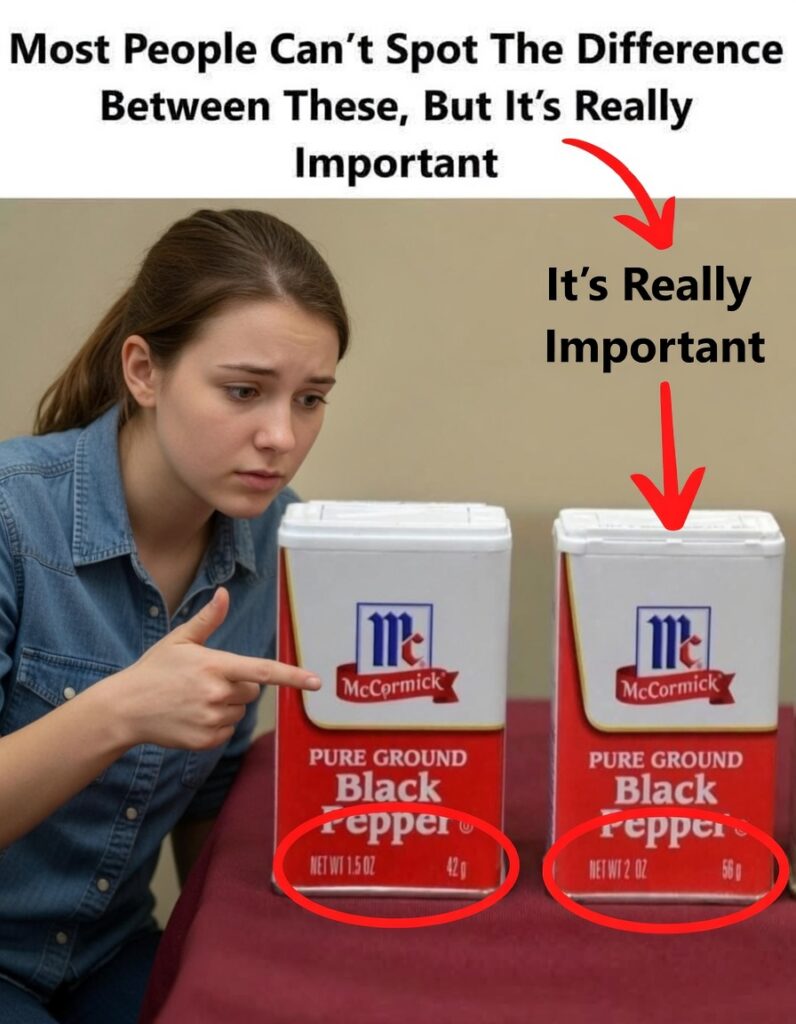
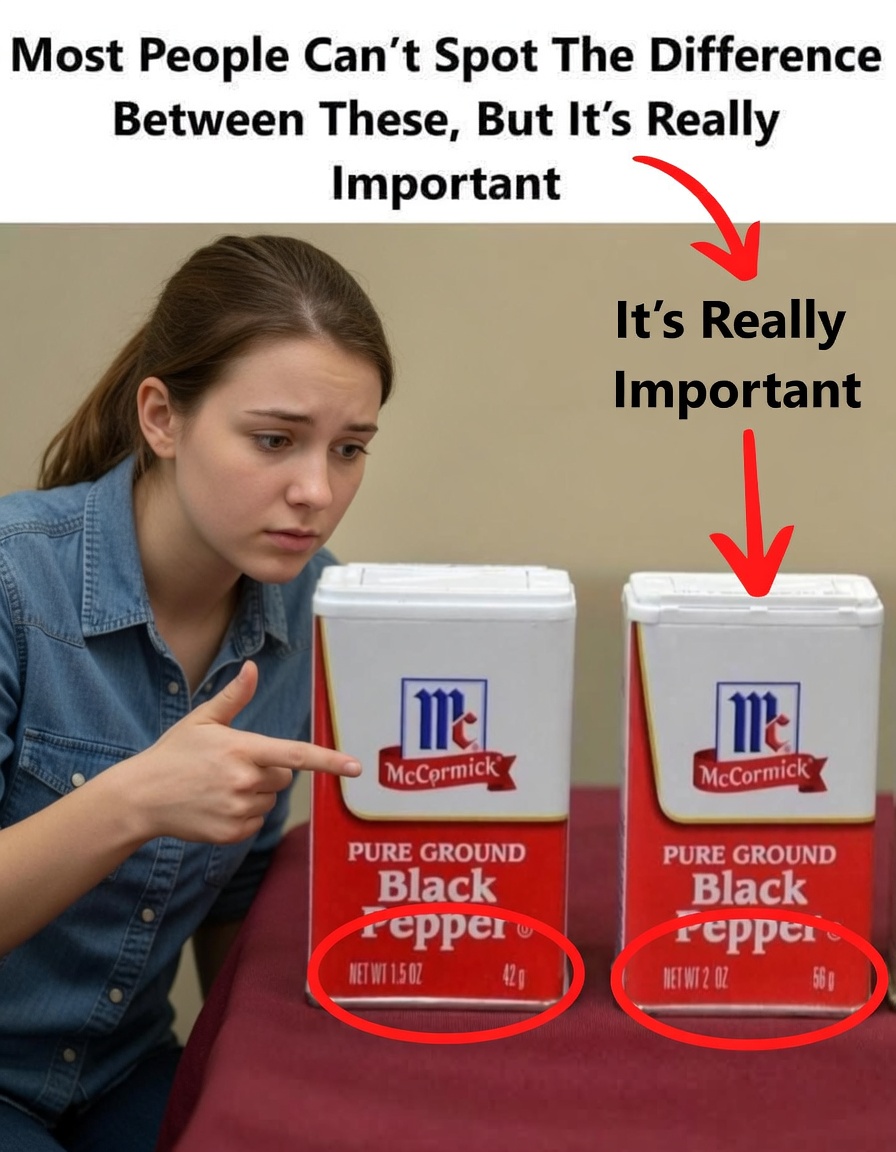
McCormick has been accused of significantly reducing how much pepper it sells in its tins—by roughly 25%. Critics point out that cans that once contained about 8 ounces now hold closer to 6 ounces.
Watkins says the issue isn’t just a smaller fill amount. The company alleges that McCormick’s packaging creates a misleading impression, encouraging customers to believe they are getting more pepper than they actually are. According to Watkins, this is achieved through marketing and container choices that make the product look larger or more substantial than the contents justify.
Opaque vs. Compact Packaging: Why Container Design Matters
A major part of the conflict is how the two brands present their pepper:
- McCormick reportedly uses opaque containers, making it harder for shoppers to visually judge the amount inside.
- Watkins, by contrast, uses smaller containers that are presented as holding the same amount.
Watkins argues that McCormick’s approach crosses the line into deceptive packaging and may violate consumer protection rules designed to prevent misleading labeling and advertising.
What This Means for Consumers
For shoppers comparing products on a store shelf, packaging can heavily influence perceived value. When two pepper tins sit side by side, many buyers may assume the larger-looking container is the better deal. Watkins claims that this common assumption is exactly what McCormick’s packaging is designed to trigger—even when the actual quantity is the same.
McCormick disputes the accusation, stating that the net weight is clearly printed on its tins and that accurate labeling should protect it from claims of deceptive advertising.
Lawsuits and Legal Action in Federal Court
In addition to Watkins’ complaint, consumers have also filed a class-action lawsuit. These buyers allege they purchased McCormick’s newer pepper containers believing they were getting more product, only to later feel misled by the packaging and presentation.
Both the business dispute and consumer claims are now moving through the federal court system.
Why Brand Trust and Transparency Matter
This situation highlights how quickly customer confidence can be damaged when product packaging appears unclear or manipulative. Trust is a core asset for any brand—especially in competitive categories like spices, where products can look similar and purchasing decisions are often made in seconds.
For consumers, the takeaway is simple: when buying everyday items like pepper, food, or household products, it pays to check the details—especially net weight and labeling. This case also reinforces a broader expectation in modern retail: honesty and transparency in advertising and product packaging are not optional—they’re essential.