High Blood Pressure: A Silent but Deadly Threat
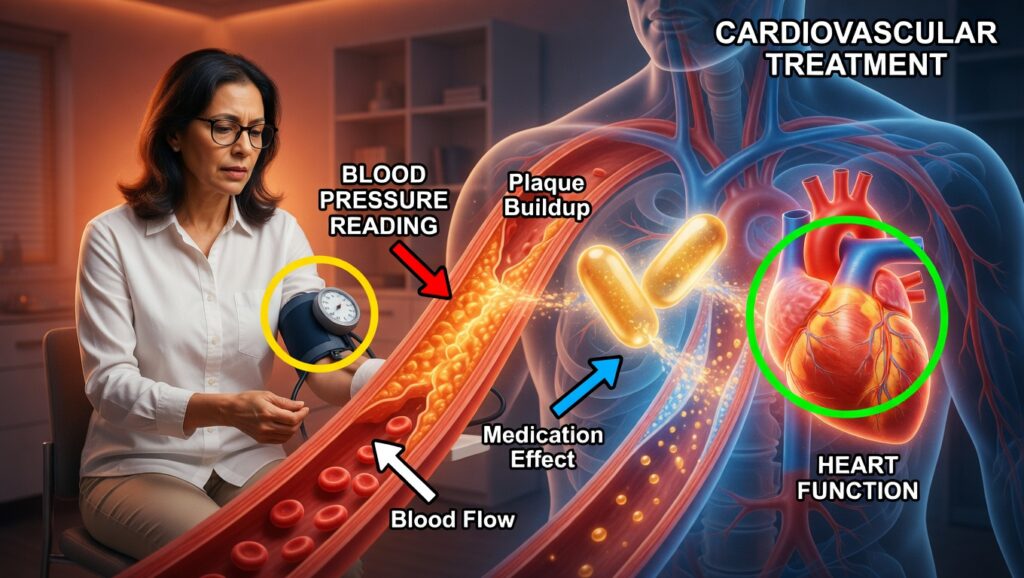
High blood pressure (hypertension) is one of the leading causes of death worldwide. It dramatically increases the risk of heart attacks, strokes, heart failure, and kidney disease, yet many people underestimate how dangerous it really is.
Hypertension is far more than an elevated reading on a blood pressure monitor. It is a sign that your cardiovascular system is under constant strain. For years, even decades, blood vessels can be damaged quietly without causing obvious symptoms. During this time:
- Arteries become stiff and less elastic
- Blood flow, especially to the brain and legs, gradually worsens
- The heart is forced to work harder with every beat
Millions of people live in this slow, ongoing state of damage while feeling perfectly “normal.”
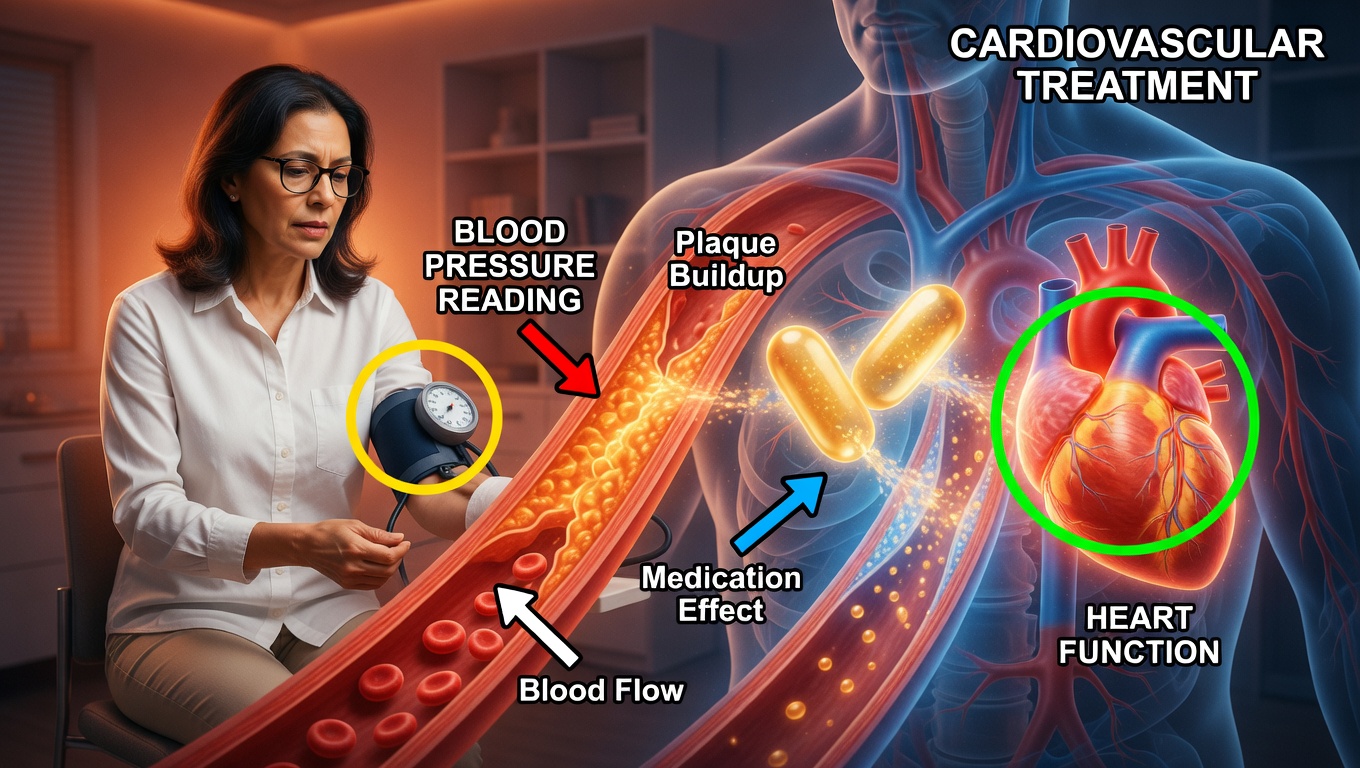
At first, there may be no pain, no shortness of breath, and no warning signs. Medications can bring your numbers down, but in many cases, the underlying stress on the arteries and heart continues. The vessel walls remain under pressure, low-grade inflammation persists, and the heart ages faster than it should.
High blood pressure is not caused only by salt, weight, or stress. A crucial, often ignored factor is how well your body can regulate blood vessel tone, nerve signals, and cellular energy. All of these depend heavily on certain vitamins and micronutrients. When these nutrients are lacking, your natural ability to control blood pressure breaks down.
(Based on the insights of Dr. Mario)
Key Takeaways
- Hypertension causes quiet, long-term injury to your heart and blood vessels long before any symptoms appear.
- Nutrient deficiencies are a major hidden driver of high blood pressure, beyond salt intake, stress, or genetics.
- Vitamins B1, B6, C, and E are critical for heart energy production, blood vessel flexibility, and proper nerve signaling that controls blood pressure.
- Standard blood pressure medications manage the numbers, but often do not correct the underlying nutritional imbalances—and some drugs can further deplete essential vitamins, deepening the problem over time.
1. Vitamin B1 (Thiamine): Powering the Heart’s Engine
Your heart is the hardest-working muscle in your body. It beats non-stop from before you are born until your final day, and this constant activity demands a huge supply of energy.
Vitamin B1 (thiamine) is a key nutrient in the heart’s energy-production system. You can think of thiamine as the “ignition spark” for your heart’s engine. Without enough B1:
- The heart cannot generate adequate energy
- Pumping efficiency drops
- Circulation slows
- Fluid may accumulate in tissues (fluid retention), increasing pressure inside your blood vessels
Over time, a chronic thiamine deficiency can contribute directly to the development or worsening of high blood pressure.
Thiamine deficiency is surprisingly widespread, especially in people who:
- Take diuretics (water pills)
- Live with ongoing stress
- Eat a high-sugar, refined-carbohydrate diet
Common supportive dosage: about 50–100 mg of Vitamin B1 per day, particularly in people with chronic health issues. Always consult your healthcare provider before starting or changing supplements.
2. Vitamin B6: Fine-Tuning Nerves and Blood Vessels
Blood pressure is not fixed; it continuously shifts depending on what your body is doing—sleeping, exercising, digesting food, or dealing with stress. Your nervous system manages these changes by sending signals to your blood vessels, telling them when to constrict (tighten) and when to dilate (relax).
Vitamin B6 plays a central role in this signaling system. Adequate B6 helps:
- Maintain normal communication between nerves and blood vessels
- Prevent excessive vessel constriction
- Reduce inflammation within artery walls
When Vitamin B6 is low, the regulatory system becomes unstable:
- Blood vessels tend to stay tighter than they should
- Vascular inflammation can increase
- Blood pressure control becomes more erratic and harder to manage
B6 is also essential for the proper use of magnesium, one of the most important minerals for healthy blood pressure. You can have plenty of magnesium in your diet or supplements, but without enough B6, your body may not use it effectively.
Common supportive dosage: about 25–50 mg of Vitamin B6 daily.
3. Vitamin C: Protecting and Strengthening Blood Vessels
Most people associate Vitamin C with immune support, but it is also vital for cardiovascular health.
Vitamin C is required to produce collagen, the structural protein that forms the framework of your blood vessels. Collagen gives arteries and veins their strength and elasticity. When Vitamin C levels are low:
- The “scaffolding” of the vessel wall weakens
- Arteries become more fragile and less flexible
- The body may increase blood pressure to maintain adequate circulation through weakened vessels
Vitamin C is also a powerful antioxidant. It helps defend your blood vessels against oxidative stress, a type of internal damage similar to “rust” that ages tissues prematurely. By reducing this oxidative damage, Vitamin C supports:
- More resilient, flexible arteries
- Slower progression of vascular aging
- Overall healthier blood pressure regulation
If you are deficient in B vitamins, it is very common to also have inadequate Vitamin C intake, since the same dietary patterns and stressors often deplete both.
4. Vitamin E: Supporting Smooth, Free-Flowing Blood
Optimal blood flow should be smooth and uninterrupted. When blood becomes thicker and more sluggish, circulation slows and the heart has to work harder.
Vitamin E is a fat-soluble antioxidant that helps protect blood cells and support healthy circulation. Adequate Vitamin E levels are associated with:
- Less “thick” or sticky blood
- Improved microcirculation through tiny capillaries
- Reduced resistance in blood vessels
When Vitamin E is deficient, blood can behave more like syrup than water—harder to push through narrow vessels. This increased resistance forces the heart and arteries to work harder, driving blood pressure up.
Ensuring sufficient Vitamin E intake helps keep blood flowing more freely and reduces strain on your cardiovascular system.
Common supportive dosage: about 100–200 IU of Vitamin E daily.
Why Medication Alone Is Not Enough
Standard treatment for high blood pressure usually centers on prescription drugs such as diuretics, ACE inhibitors, calcium channel blockers, or beta-blockers. These medications are often necessary and can be life-saving. They are designed to:
- Lower blood pressure readings
- Reduce the immediate risk of heart attack or stroke
However, they do not rebuild the underlying systems that keep blood pressure healthy on their own. Most medications:
- Do not restore optimal nutrient levels
- Do not repair or rejuvenate stiff, damaged blood vessels
- Do not correct long-term nerve and vascular regulation problems
In many cases, certain blood pressure drugs can further deplete key nutrients, including:
- B vitamins (such as B1 and B6)
- Magnesium
- Potassium
As these deficiencies worsen, your body’s natural ability to regulate blood pressure declines even more. This often leads to:
- The need for higher doses over time
- The addition of more medications
- Persistent or fluctuating high blood pressure despite treatment
If medication alone fully resolved the issue, hypertension would not remain one of the top causes of death worldwide. The readings on the monitor may improve, but the deeper biological imbalance can continue unless addressed.
Conclusion: Restoring True Heart and Vascular Health
Managing high blood pressure is not just about forcing the numbers down; it is about restoring the health of your entire cardiovascular system.
- Medications can be crucial for immediate control and safety.
- At the same time, addressing root causes—including nutrient deficiencies, vessel damage, and impaired nerve regulation—is essential for long-term success.
- Ensuring adequate intake of Vitamins B1, B6, C, and E, along with other key minerals and a healthy lifestyle, supports your body’s own ability to maintain normal blood pressure.
Always discuss any changes in diet, supplements, or medication with your healthcare provider. A combined approach—targeting both blood pressure numbers and underlying nutritional health—offers the best chance to protect your heart, brain, and blood vessels for the long term.