How I Naturally Brought My Blood Pressure Under Control
You can meaningfully improve your blood pressure without jumping straight to medication. That might sound unrealistic, but I was able to bring my blood pressure down to a healthy, stable range—and keep it there—by changing just three core areas of my lifestyle.
There was no miracle cure, no complicated protocol, and no secret supplement stack. Instead, I focused on three simple but powerful strategies:
- Actively managing stress
- Prioritizing a key mineral in my diet
- Moving my body in a smart, consistent way
High blood pressure (hypertension) is often called the “silent killer” because it can quietly damage your body for years before you feel anything is wrong. Uncontrolled hypertension dramatically increases your risk of heart disease, stroke, and kidney damage.
Medication is essential—and lifesaving—for many people. But my experience, supported by the insights of Adam J. Story, DC, showed me that targeted lifestyle changes can be a powerful partner to medical care and, in some cases, dramatically shift your numbers on their own.
If you’re discouraged by your current readings or want to learn how to lower blood pressure naturally, the three strategies below are exactly what made the difference for me.
Key Takeaways
-
Master Stress: Ongoing stress elevates cortisol, a hormone that directly pushes up your systolic blood pressure (the “top” number). Training your body and mind to relax is essential for long-term heart health.
-
Prioritize Potassium: Potassium is one of the most important nutrients for healthy blood pressure. Many blood pressure drugs work partly by helping your body retain potassium—but you can also get it naturally through food.
-
Exercise Consistently: Regular physical activity boosts nitric oxide in your blood vessels. This gas signals your arteries to relax and widen, improving blood flow and lowering overall pressure.
1. Calm Your Stress to Control Your Blood Pressure
Of all the changes I made, this one had the biggest impact—and it’s also the one most people underestimate. Stress management can sound vague or “soft,” but for me it was the foundation of getting my blood pressure into a healthy range.
I’m convinced that chronic stress, and the hormone cortisol that comes with it, is the primary reason so many people see stubbornly high readings despite trying diet or exercise changes.
How Stress Raises Blood Pressure
When you’re under constant pressure—work deadlines, financial worries, bad news cycles, family conflicts—your body stays stuck in “fight or flight” mode. In this state, cortisol remains elevated.
One of cortisol’s direct effects is raising blood pressure, especially your systolic number (the top number in a blood pressure reading). That number reflects the pressure in your arteries when your heart contracts and pumps blood out.
I noticed a clear pattern: whenever I felt more stressed, my systolic blood pressure climbed. When I relaxed, it dropped.
Try This Simple Experiment
You don’t have to take my word for it—you can test this on yourself:
- When you feel tense or anxious, measure your blood pressure and write down the numbers.
- Sit in a quiet place, close your eyes, and practice deep breathing for five minutes:
- Inhale slowly through your nose for a count of 4
- Hold for 1–2 seconds
- Exhale gently through your mouth for a count of 6
- Keep your focus on the sensation of breathing
- After five full minutes, measure your blood pressure again.
In many cases, you’ll see that your systolic number has dropped noticeably in just a few minutes. That’s the real-time effect of stress on your cardiovascular system.
How I Changed My Relationship with Stress
Lowering my stress wasn’t just about breathing exercises—it required a complete shift in how I approached daily life.
- I read “How to Stop Worrying and Start Living” by Dale Carnegie, which completely changed how I responded to problems and uncertainty.
- I cut out cable news to stop the constant flow of alarming stories and negativity.
- I largely stepped away from social media platforms like Facebook and Instagram, which often fuel comparison, anxiety, and outrage.
Today’s media environment thrives on keeping you fearful and on edge. That might keep you clicking—but it’s a disaster for your heart and arteries.
Learning to stay calm and “chill” is an ongoing practice, not a one-time decision, but the payoff for your blood pressure and overall health is enormous.
2. Use Potassium-Rich Foods as a Natural Blood Pressure Tool
The second major shift I made was much simpler than adopting some complicated diet: I focused heavily on increasing my potassium intake.
Potassium is one of the most powerful minerals for naturally lowering blood pressure and supporting heart health.
Why Potassium Matters So Much
Here’s something most people don’t realize:
Many common blood pressure medications—such as ACE inhibitors and ARBs—partly work by helping your body hold on to potassium. They reduce how much potassium your kidneys excrete, which indirectly supports better blood pressure control.
When I understood this, it clicked: instead of relying solely on a drug to preserve potassium, why not make sure I was actually getting enough potassium from food in the first place?
How I Built My Meals Around Potassium
I redesigned my diet to center around potassium-rich foods rather than obsessing over complicated rules:
-
Breakfast example:
- A couple of eggs
- One banana
- Coconut water
- A bit of cheese
- Around five dried apricots
That combination alone can provide roughly 2,000 mg of potassium to start the day.
-
Lunch example:
- Grilled chicken
- Steamed or sautéed broccoli
This gives me about 50 grams of protein plus extra potassium, magnesium, and other micronutrients.
-
Dinner example:
- Fish or chicken
- A large baked potato with the skin
Potatoes (especially with the skin) are outstanding potassium sources.
By building each meal with potassium in mind, I was essentially using food to do the same thing many medications are designed to do—support healthier blood pressure—just in a more direct and natural way.
Great Potassium-Rich Foods to Focus On
Some of the best dietary sources of potassium include:
- Potatoes and sweet potatoes (especially with skin)
- Bananas
- Spinach and other leafy greens
- Avocados
- Beans and lentils
- Dried apricots and other dried fruits (in moderation)
- Coconut water
- Salmon and other fish
The strategy is simple but powerful: whenever you plan a meal, ask yourself,
“Where is the potassium coming from?”
That single shift in thinking can lead to long-term improvements in your blood pressure numbers.
3. Move Your Body to Support Healthy Blood Pressure
The third change is something you’ve probably heard a thousand times: exercise regularly. But understanding why it helps blood pressure makes it much easier to stay consistent.
Many people know they should be active, but they don’t realize what’s happening inside their arteries when they move—and how quickly it can translate into better readings.
How Exercise Helps Your Arteries
On most days, I do some form of heart-friendly movement:
- Isometric exercises
- Calisthenics or bodyweight routines
- And my favorite: cardiovascular exercise, especially cycling
While the type of exercise can vary, the underlying benefit is similar: it stimulates the production of nitric oxide in your blood vessels.
Nitric oxide is a gas produced in the inner lining of your arteries. It acts as a signaling molecule that tells the smooth muscles in your artery walls to relax.
When these muscles relax:
- Your blood vessels widen and become more flexible
- Blood flows more easily
- The pressure on your artery walls drops
It’s like switching from a narrow, stiff pipe to a wider, flexible hose—the same volume of water creates much less pressure.
See the Effect for Yourself
You can observe this in your own body:
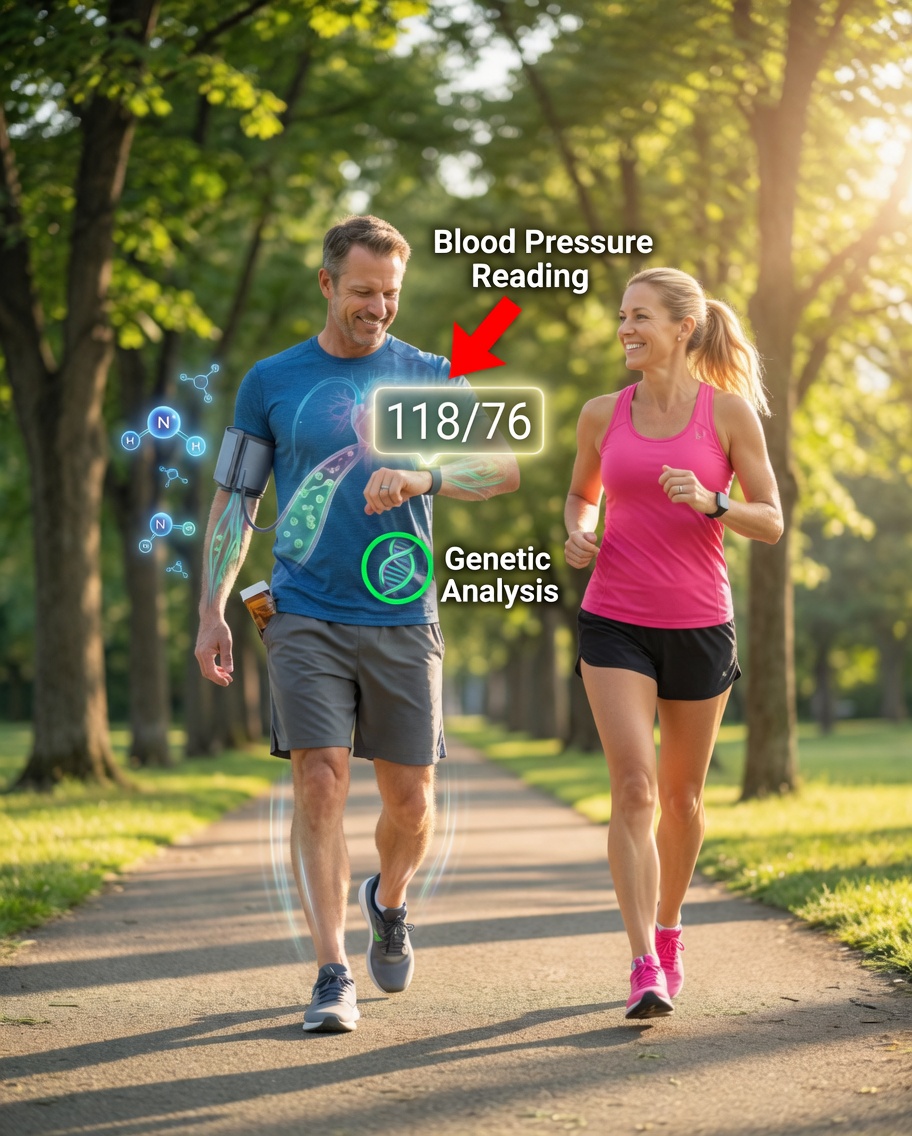
- Check your blood pressure before exercising.
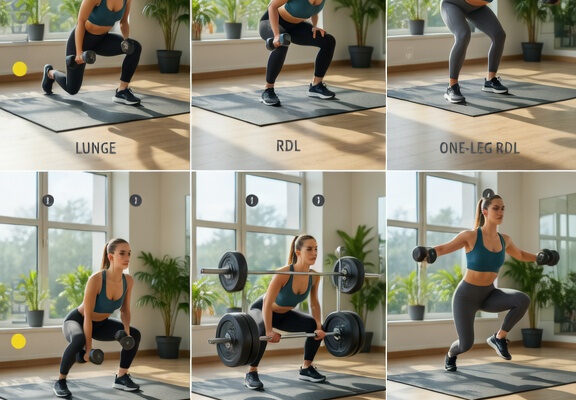
- Do a session of brisk walking, cycling, or simple bodyweight exercises like squats or step-ups.
- After you’ve cooled down and your heart rate has come closer to normal, measure your blood pressure again.
Often, the post-exercise reading is noticeably lower. That’s the effect of nitric oxide and improved vessel function in real time.
The Most Important Exercise Rule: Make It Enjoyable
The best form of exercise for blood pressure is the one you’ll actually do consistently. Great options include:
- Walking or hiking
- Cycling
- Swimming
- Dancing
- Light jogging
- Group fitness classes
You don’t need extreme workouts to lower blood pressure naturally. You need sustainable, regular movement that you enjoy enough to repeat most days of the week. That consistency is what unlocks the long-term benefits.
Final Thoughts
My journey to healthier blood pressure didn’t start with a prescription pad—it started with three deliberate lifestyle changes:
- Actively reducing stress and calming my nervous system
- Centering my diet around potassium-rich foods
- Committing to regular, enjoyable exercise
Medication remains vital for many people and should never be stopped without medical supervision. But if you want to support your treatment—or, with your doctor’s guidance, possibly reduce your reliance on medication over time—these three strategies can give your body what it needs to function better.
By mastering stress, fueling yourself with the right nutrients, and moving in a way you enjoy, you give your heart and blood vessels a real chance to recover and thrive.