You Might Be Throwing Away the Part of Pineapple That Can Support Digestion and Everyday Comfort
You buy a fresh pineapple, slice off the sweet, juicy flesh, and toss the tough core straight into the trash. It feels like the “right” thing to do—after all, that firm, fibrous center doesn’t look nearly as appealing as the golden rings everyone loves.
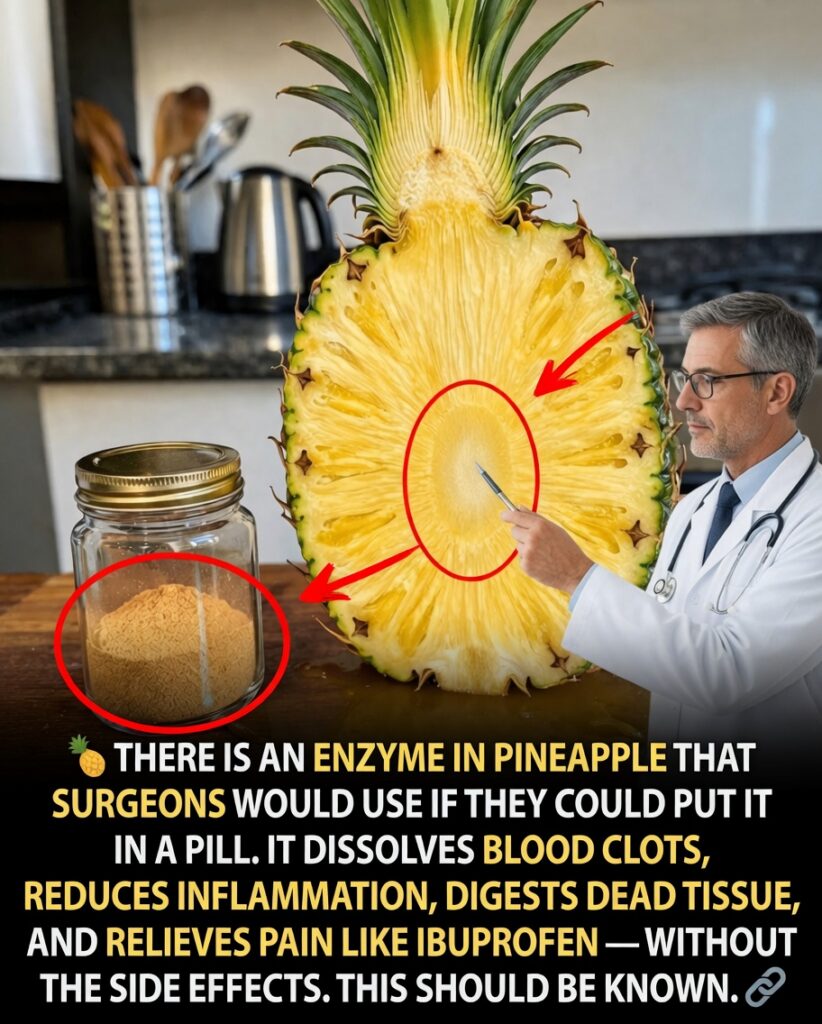
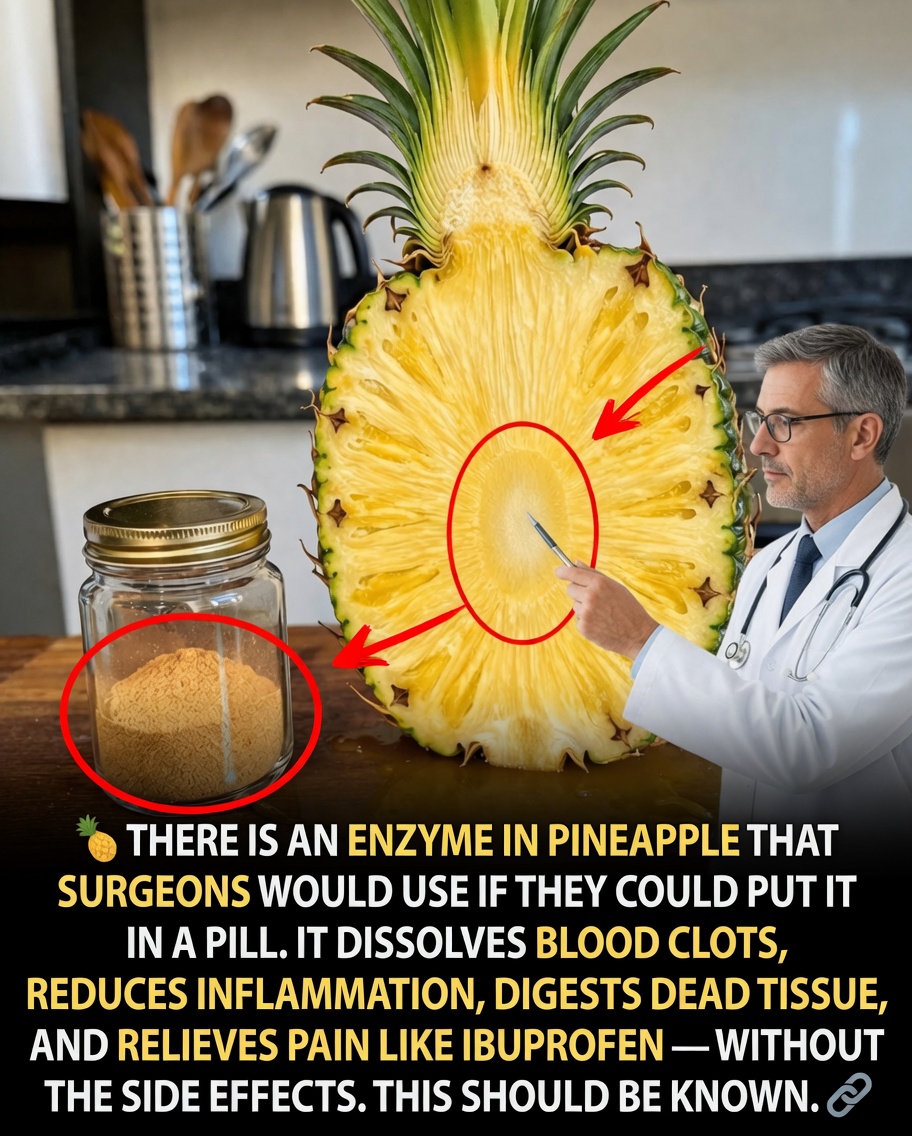
But here’s what many people don’t realize: the pineapple core can contain something valuable. It’s a natural source of an enzyme complex called bromelain, and most people never take advantage of it. Once you understand what bromelain may offer, you might think twice before discarding the core.
What if the part you’ve always wasted could actually contribute to your day-to-day well-being? With a few simple changes, you can use more of each pineapple—and your next one might surprise you.
What Is Bromelain—and Why Is the Pineapple Core So Interesting?
Bromelain is a group of enzymes naturally found in pineapple. It’s best known for helping break down proteins, which helps explain:
- The mild tingling sensation some people notice when eating fresh pineapple
- Why pineapple has a reputation for tenderizing meat
Although bromelain exists throughout the fruit, research suggests the core and stem often contain higher concentrations than the softer flesh. On top of that, the core typically provides more fiber and additional nutrients, making it a nutritious part of the fruit that’s commonly overlooked.
Because bromelain is a proteolytic enzyme (protein-digesting), studies have examined its potential role in supporting digestion and overall digestive comfort by working alongside the body’s natural processes.
One more key detail: the core delivers bromelain in a more natural form. In canned or heavily processed pineapple, heat can significantly reduce enzyme activity, meaning you may get less functional bromelain.
How Pineapple Core May Support Well-Being
Many people are interested in bromelain because of its potential to support normal body functions. Research has explored several areas, including:
- Digestion: may assist with breaking down protein, which can be helpful after heavier meals
- Inflammatory response: some studies investigate its role in supporting the body’s natural balance
- Post-exercise recovery: active individuals look into bromelain for potential muscle comfort after workouts
- Immune support: early findings suggest possible modulatory effects, though more research is still needed
Keep in mind: responses vary from person to person, and these points don’t replace medical advice or a balanced diet.
Pineapple Flesh vs. Pineapple Core: What’s the Difference?
- Pineapple flesh: sweet, juicy, rich in vitamin C and manganese, with a moderate amount of bromelain
- Pineapple core: firmer texture, higher in fiber, and often higher in bromelain concentration
In other words, using the core can mean less food waste and more nutritional value from the same fruit.
Why Do Most People Throw the Core Away?
It’s an understandable habit. The pineapple core is:
- Tougher to chew
- Less sweet than the flesh
- Often seen as “inedible” simply because people never learned how to use it
The good news is that small adjustments can make the core easier to enjoy—without adding extra effort to your routine.
Easy Ways to Use Pineapple Core (Without Overthinking It)
Try these simple, practical options:
- Blend into smoothies: chop the core and blend with banana, ginger, or leafy greens
- Freeze into cubes: use frozen core pieces instead of ice in drinks
- Make a light purée: briefly cook, then blend to mix into yogurt or savory dishes
- Slice thinly: eat raw in thin slices or lightly grill with a touch of honey
- Infuse water: steep core chunks in water for a few hours for naturally flavored “pineapple water”
Tip: start with small amounts until you get used to the texture.
A Smart Choice: Less Waste, More Benefits
Using pineapple core isn’t only about one enzyme—it’s also about getting more value from the whole fruit. That means:
- Reduced food waste
- More fiber in your diet
- Better overall nutrient use from something you already buy
Pineapple is already known for its antioxidants, vitamin C, and minerals. Adding the core can increase fiber intake and may amplify the fruit’s overall nutritional contribution.
Since bromelain is sensitive to heat, fresh or lightly processed preparations are generally better for preserving its activity.
Some people may notice mild tingling when eating the core—this is typically normal and temporary.
Frequently Asked Questions
Is pineapple core safe to eat?
Yes. It’s fully edible—it’s just more fibrous and firm.
Does heat destroy bromelain?
High temperatures can reduce bromelain’s activity.
Are bromelain supplements better than pineapple?
Not always. Whole pineapple provides additional nutrients (like fiber and vitamin C) that supplements don’t offer in the same way.
Does it help treat specific diseases?
No. Consider it a supportive food choice within a balanced diet, not a medical treatment.
Final Thoughts
Next time you cut a pineapple, don’t automatically toss the core. Try adding it to your meals or drinks and make better use of everything the fruit has to offer.
Small changes can add up—benefiting both your health habits and the environment.
Do you usually eat the pineapple core or throw it away? After reading this, would you consider changing that habit?