
Nana’s Bay Leaf Hot Tea for Cough Relief: A Traditional Remedy Worth Keeping
When a cough won’t quit, many people reach first for over-the-counter products. Yet in countless families, traditional herbal remedies still play an important role—especially for comfort and gentle relief. One of the most trusted in my family is nana’s hot bay leaf tea, a simple drink made with everyday ingredients that’s long been used to calm throat irritation and ease persistent coughing.
In this guide, you’ll learn where the recipe comes from, why the ingredients matter, and how to make this soothing bay leaf tea at home.
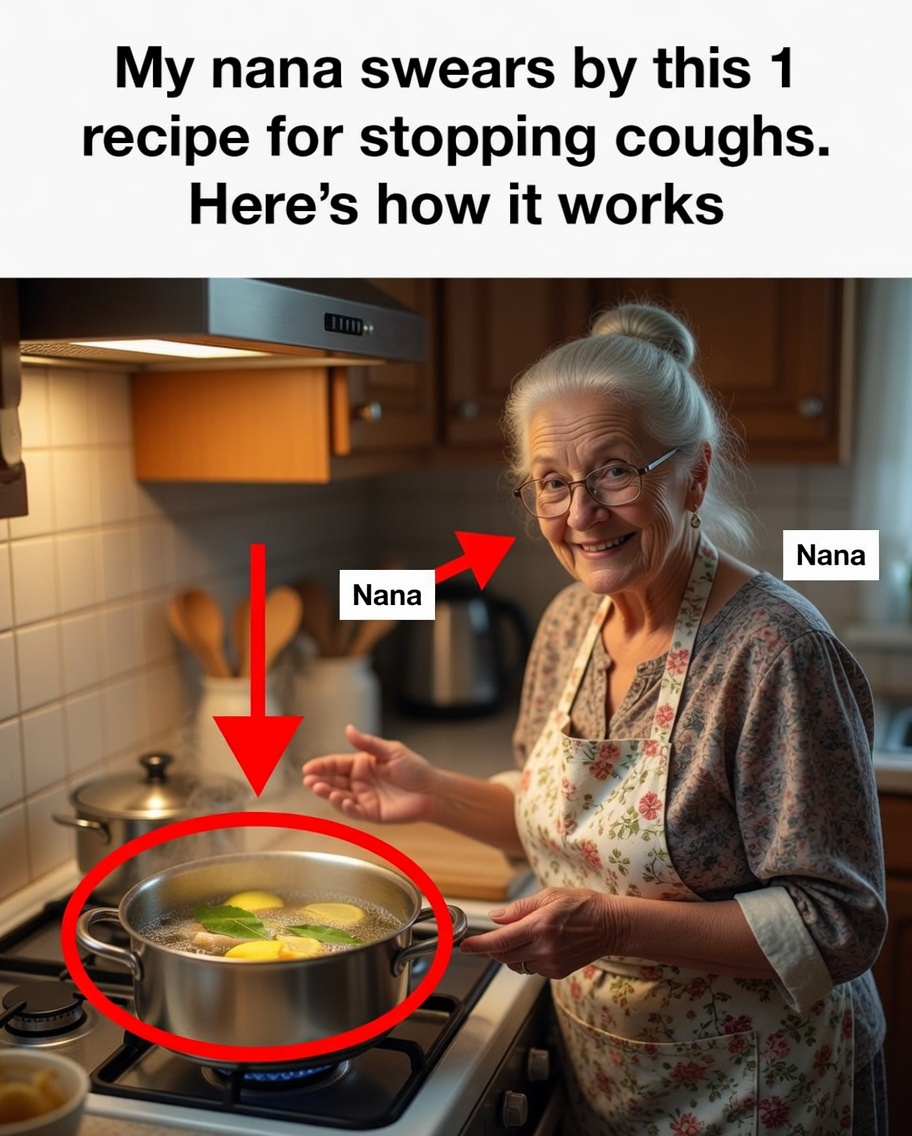
The Story Behind Nana’s Bay Leaf Tea
This recipe goes back to nana’s early years in a small village where herbs, spices, and home remedies were a normal part of daily life. With limited access to pharmacies and modern treatments, families depended on what they could grow, dry, and brew.
Nana learned to prepare herbal teas from her mother, who was respected locally for understanding medicinal plants. Over time, this specific tea became a household staple—valued not for complexity, but for how reliably it delivered warmth, comfort, and relief during cold and flu season.
Ingredients and Why They’re Used
This cough-soothing tea relies on four main ingredients, each with a purpose:
- Bay leaves: Often used traditionally for their anti-inflammatory and antimicrobial properties, which may help reduce throat and airway irritation.
- Honey: A classic natural option to coat and soothe the throat, often used to reduce coughing.
- Lemon: Adds vitamin C and a bright flavor that many associate with cold-season support.
- Ginger: Brings warming spice and is widely recognized for anti-inflammatory benefits, especially when you feel congested or run down.
Together, these ingredients create a balanced herbal drink that is both comforting and functional.
How to Make Hot Tea with Bay Leaf (Step-by-Step)
To prepare nana’s bay leaf tea, gather:
- 2–3 bay leaves
- 1 tablespoon honey
- 1 slice of lemon (or lemon juice)
- A small piece of fresh ginger
- 1 cup of water
Follow these steps:
- Bring 1 cup of water to a boil.
- Add the bay leaves and ginger.
- Reduce heat and simmer for 5–7 minutes.
- Remove from heat and strain into a cup.
- Stir in honey and add lemon to taste.
- Sip slowly while warm.
Why This Bay Leaf Tea May Help a Persistent Cough
This recipe works best as a gentle support drink because the ingredients complement each other:
- Bay leaf and ginger may help calm inflammation in the throat and respiratory tract.
- Honey creates a soothing coating effect that can reduce the urge to cough.
- Lemon provides a refreshing lift and supports overall immune wellness.
The result is a warm tea that targets both throat discomfort and the general “run-down” feeling that often comes with coughing.
What Research Suggests About These Ingredients
While this tea isn’t a replacement for medical treatment, there are scientific observations that help explain why people use it:
- Bay leaves contain compounds such as eugenol and myrcene, which have been associated with anti-inflammatory and antimicrobial activity.
- Honey has been studied for its ability to reduce nighttime coughing, especially in children (when age-appropriate).
- Ginger is well known in nutrition research for its anti-inflammatory effects.
- Lemon is a well-established source of vitamin C, important for immune function.
Combined, these ingredients form a supportive blend that may ease symptoms while the body recovers.
Real-Life Experiences: Why Families Keep Coming Back to It
In my family and among family friends, this tea is a regular choice during cold months. One cousin who struggles with seasonal allergies often drinks it to settle cough and congestion. A close family friend who prefers natural options said this remedy brought relief when a cough lingered longer than expected.
These stories don’t replace medical advice, but they show why this traditional bay leaf tea recipe remains a go-to in many homes.
Side Effects and Precautions to Know
This tea is generally gentle, but it’s still important to use common sense and consider safety:
- Avoid it if you’re allergic or sensitive to bay leaves or ginger.
- Do not give honey to children under 12 months due to the risk of botulism.
- If you’re pregnant, managing a chronic condition, or taking medications, consider checking with a healthcare professional first.
- Seek medical care if cough symptoms are severe, worsen, or come with high fever, chest pain, or breathing difficulty.
Other Ways to Use Bay Leaf Tea for Wellness
Even when you’re not coughing, many people enjoy bay leaf tea as a simple wellness drink:
- As a digestive-friendly warm beverage, especially after heavy meals
- As a calming tea to unwind in the evening
- For occasional comfort when dealing with mild tension or headaches, thanks to its soothing warmth and aroma
Final Thoughts: Keeping Traditional Remedies in Modern Life
Adding nana’s hot bay leaf tea to your routine is about more than fighting a cough—it’s a way to stay connected to traditional wellness practices while using simple, natural ingredients. Modern medicine is essential when needed, but time-tested remedies like this remind us that comfort, warmth, and plant-based support can still have a meaningful place in everyday health.