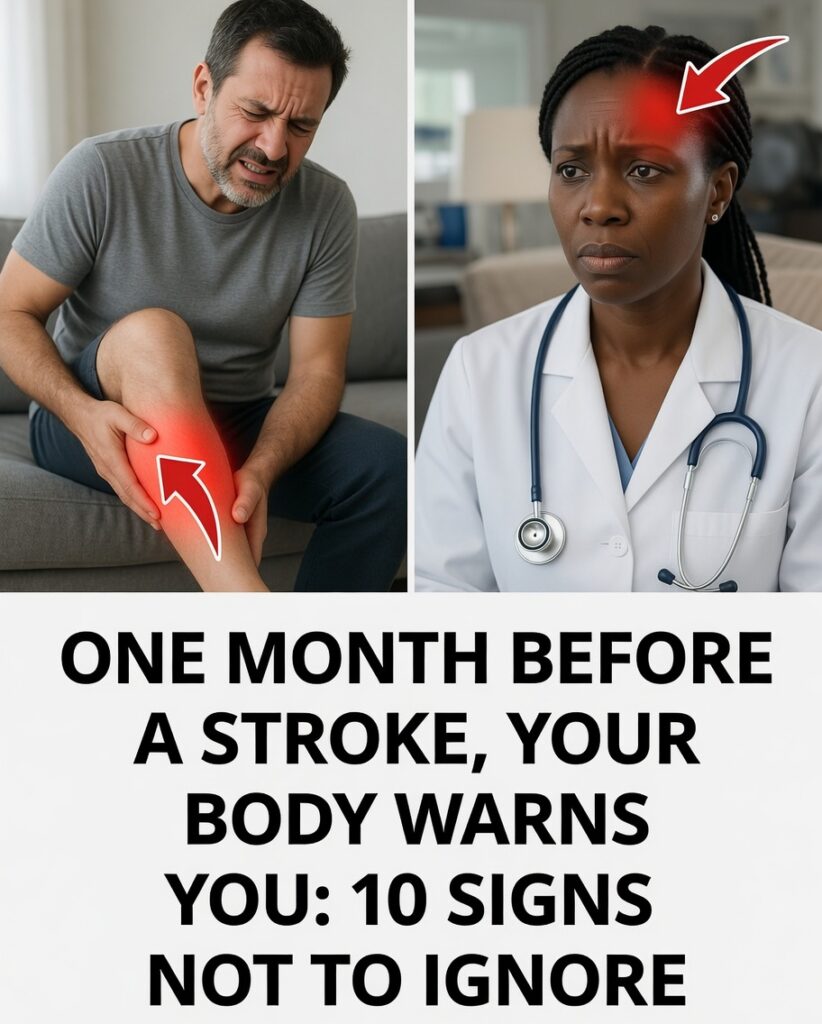
Your Body Often Warns You Before a Serious Stroke — Learn How to Act Early and Support Natural Prevention
A stroke can transform a life in seconds—affecting movement, memory, speech, and bringing deep consequences for the whole family. What’s most frightening is that it often doesn’t arrive without warning. Subtle symptoms can appear quietly and get mistaken for tiredness, stress, or “just something temporary.” But what if your body was trying to alert you weeks in advance?
Keep reading to the end—one simple habit may make a real difference and could even help save a life.
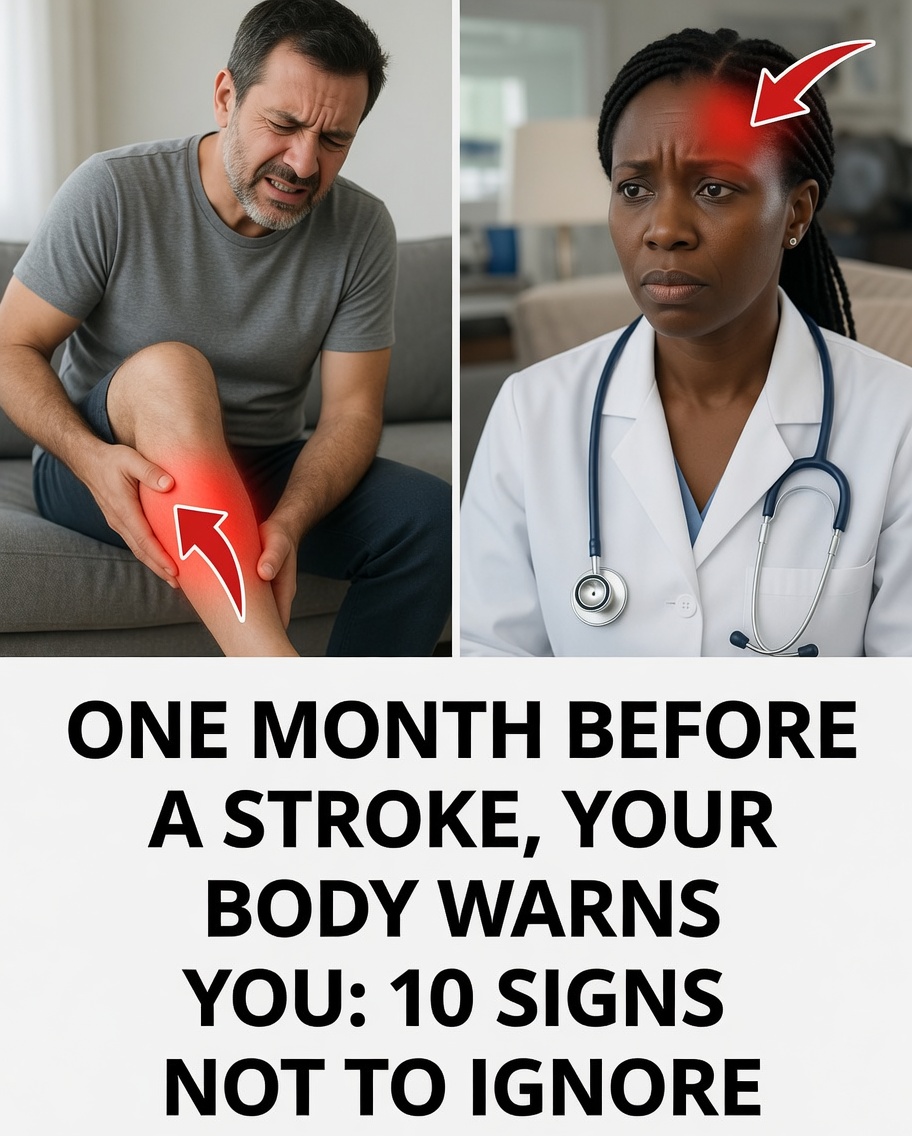
What Happens Before a Stroke?
A stroke happens when blood flow to the brain is blocked (ischemic stroke) or when a blood vessel ruptures (hemorrhagic stroke). In many cases, however, the body sends early warning signs—small, easy to overlook, yet highly important.
Dismissing these signals can significantly increase the risk of a major stroke.
10 Warning Signs That May Signal Danger
1. Sudden, severe headache
A very intense headache that feels unusual—especially if it appears abruptly—should be taken seriously.
2. Dizziness or loss of balance
Unexplained vertigo, unsteadiness, or trouble walking may point to issues with brain circulation.
3. Vision changes
Blurred vision, double vision, or temporary loss of vision (especially in one eye) needs immediate attention.
4. Weakness or numbness on one side of the body
A “heavy” arm or leg, tingling, or numbness on one side can be a key early stroke symptom.
5. Drooping on one side of the face
If one side of the face looks uneven when smiling, this is one of the most classic warning signs.
6. Trouble speaking or mental confusion
Slurred speech, difficulty finding words, or sudden confusion should never be ignored.
7. Poor coordination
Frequent stumbling, clumsiness, or a sudden loss of coordination may indicate something more serious than simple fatigue.
8. Extreme fatigue
Unusual exhaustion that doesn’t improve even after rest can be an overlooked clue.
9. Nausea or vomiting
This is especially concerning when it occurs alongside a severe headache or dizziness.
10. Neck pain or stiffness
In rare situations, neck pain or stiffness may be linked to blood vessel problems that require urgent assessment.
When Several Symptoms Appear Together
Any of these signs can seem harmless on its own. But when symptoms occur at the same time—or repeat in a pattern—the risk becomes much higher. Noticing combinations early can be lifesaving.
What to Do Immediately
- Use the BE FAST method to recognize stroke symptoms quickly:
- Balance (sudden loss of balance)
- Eyes (vision changes)
- Face (facial drooping)
- Arms (arm weakness)
- Speech (speech difficulty)
- Time (act fast—every minute matters)
- Seek emergency medical care right away
- Write down the exact time symptoms started
- Avoid eating or drinking until evaluated
- Share your health history, including medications and risk factors (high blood pressure, diabetes, smoking, high cholesterol, previous episodes)
The Role of “Mini-Strokes” (TIAs)
A Transient Ischemic Attack (TIA)—often called a “mini-stroke”—causes temporary stroke-like symptoms that may disappear quickly. Even if you feel fine afterward, a TIA is a serious warning sign and a strong predictor of a future stroke.
A TIA should always be treated as a medical emergency.
How to Lower Stroke Risk Naturally
Healthy daily habits can reduce stroke risk and support overall cardiovascular health:
- Keep blood pressure under control
- Choose foods rich in omega-3s (such as fatty fish, flaxseed, chia) and eat more leafy green vegetables
- Exercise regularly, even with simple activities like brisk walking
- Don’t smoke (and avoid exposure to secondhand smoke when possible)
- Manage stress naturally through techniques such as meditation, breathing exercises, or gentle yoga
Listen to Your Body’s Signals
Your body communicates—even if it’s only whispering. Paying attention to small changes can give you valuable time to act before a crisis happens.
A little-known tip: try a quick daily “body scan.” Take one minute to notice how you feel physically and mentally. Small shifts in balance, speech, strength, vision, or energy may reveal early issues worth checking.
Frequently Asked Questions
Do all strokes show warning signs beforehand?
No. But many people experience symptoms days or even weeks before a major stroke.
What are the most important signs to watch for?
One-sided weakness or numbness, speech difficulties, and a sudden severe headache are among the most urgent red flags.
Can a stroke be prevented?
In many cases, yes—by improving lifestyle habits and managing key risk factors like high blood pressure, smoking, diabetes, and high cholesterol.
Medical Disclaimer
This content is for informational purposes only and does not replace medical evaluation. If you notice any warning signs of stroke, seek urgent care immediately.