5 Abs and Core Exercises to Do in Your 50s and Beyond
Training your abs and core is not only for younger people. In fact, developing a stronger core becomes even more important after 50 because it supports better health, movement, and flexibility as you age.
Your core sits at the center of your body, and nearly every movement begins there or passes through it. From standing up and walking to reaching, bending, and lifting, your trunk plays a major role in how well you move each day.
A weak core can lead to poor posture, reduced balance, and less stability. It may also limit mobility and range of motion, making everyday activities more difficult and affecting your ability to stay active and independent.
Whether you are just entering your 50s or already enjoying retirement, core strength is one area of fitness you should not ignore.
Another benefit of core training is that it may help reduce excess belly fat, including harmful visceral fat stored around the abdomen. Along with improving overall health, regular exercise can also help you feel stronger, leaner, and more confident in your body.
Most importantly, if you are over 50, strengthening your abs and core can help you age with better function, improved mobility, and a higher quality of life.
If you are ready to get started, here are five effective abs and core exercises to include in your routine.
Related Topics
- 32 Foods That Burn Belly Fat Fast (Visceral Fat)
- 11 Foods To Avoid To Lose Belly Fat Fast, Says a Dietitian
1. Jumping Jacks
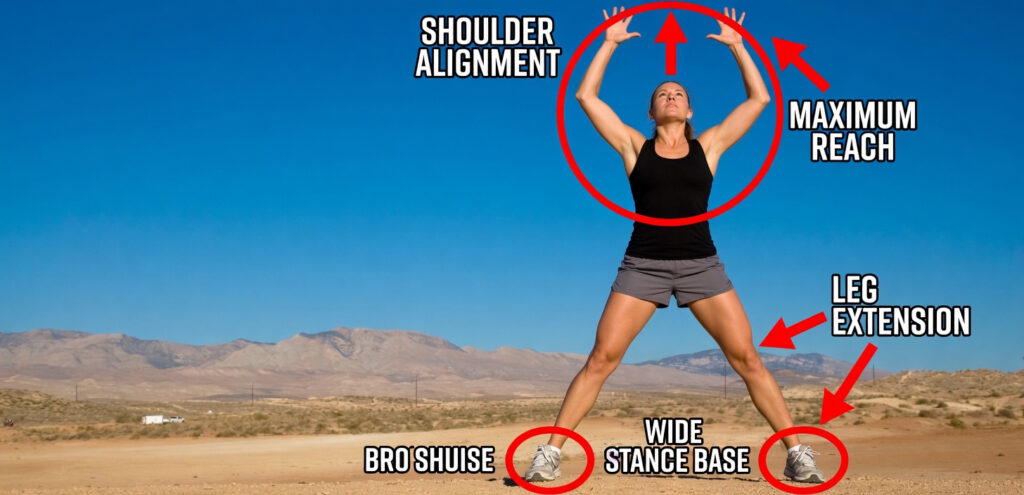
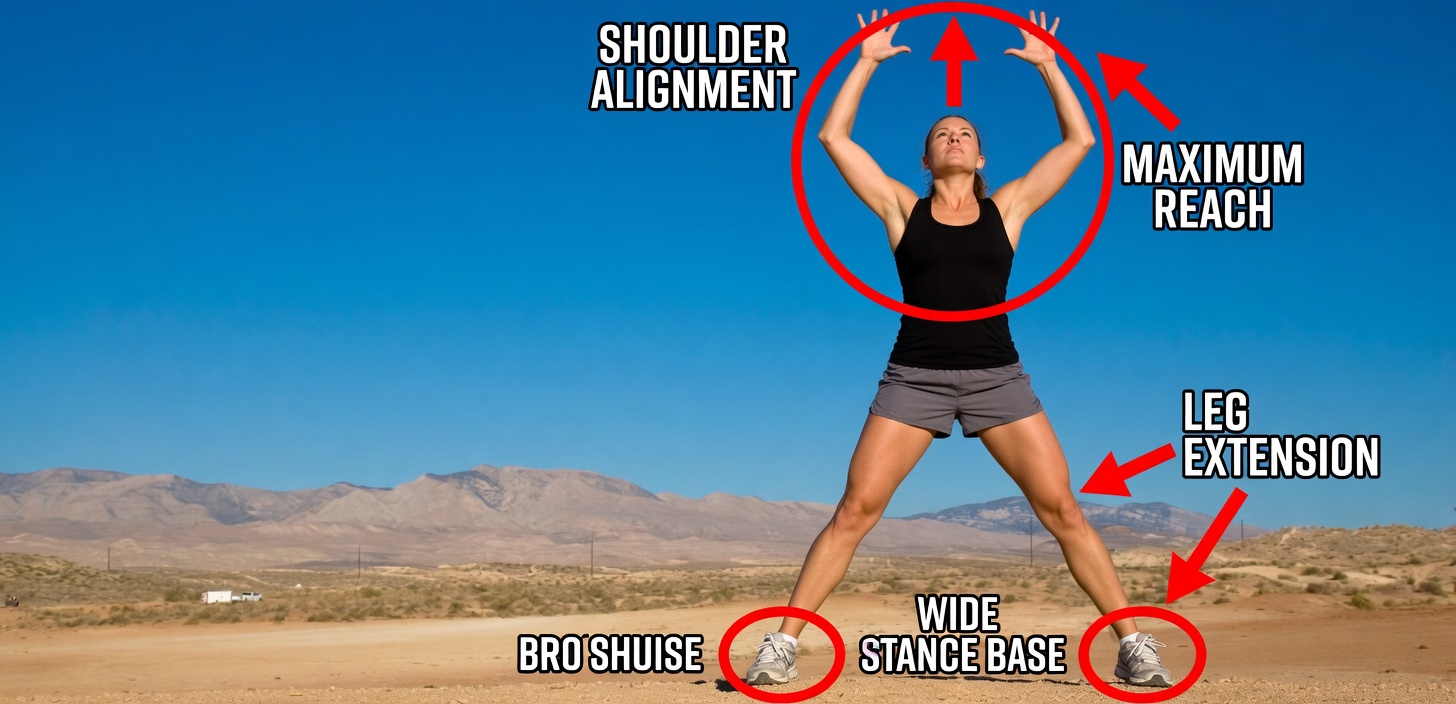
Jumping jacks may not look like a core exercise at first, but they are surprisingly effective. This classic cardio move burns calories while engaging the legs, arms, and midsection at the same time.
It also improves hip mobility, coordination, and stability, all of which are closely connected to core strength and overall movement quality.
How to do jumping jacks
- Stand tall with your feet about hip-width apart and your arms resting at your sides.
- Jump your feet out wide while raising your arms overhead.
- Jump again to bring your feet back together and return your arms to your sides.
- Repeat for 20 to 30 reps.
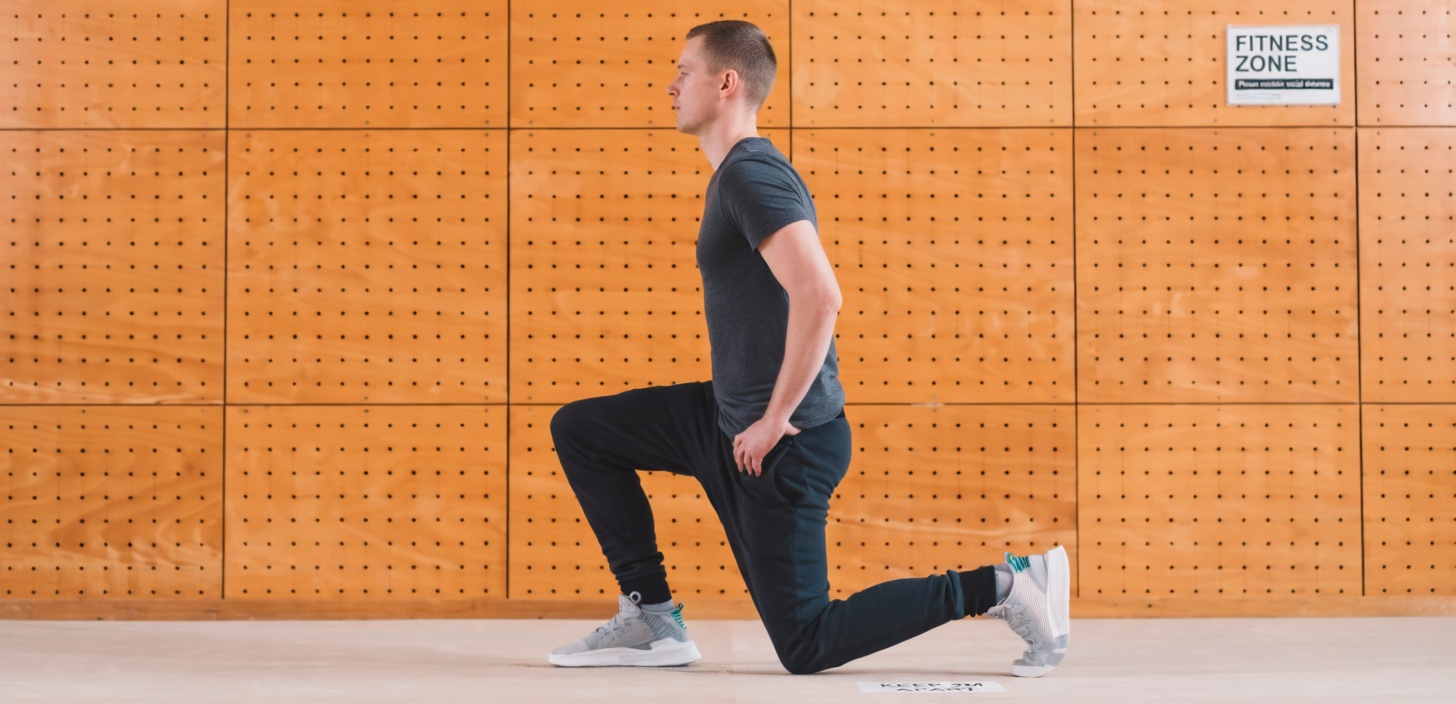
2. Lunge
Lunges are often thought of as a lower-body exercise, but they are also excellent for the core. Because this movement challenges balance and coordination, your core must work harder to keep your body stable throughout the exercise.
That core activation helps support safer movement, better posture, and stronger balance as you step forward and return to standing.
How to do a lunge
- Stand upright with your feet hip-width apart.
- Tighten your core and step forward with one foot, landing through the heel.
- Lower your body until your front thigh is nearly parallel to the floor.
- Keep your chest lifted, your head up, and your back straight.
- Push through the heel of your front foot to return to the starting position.
- Perform 10 reps per side.
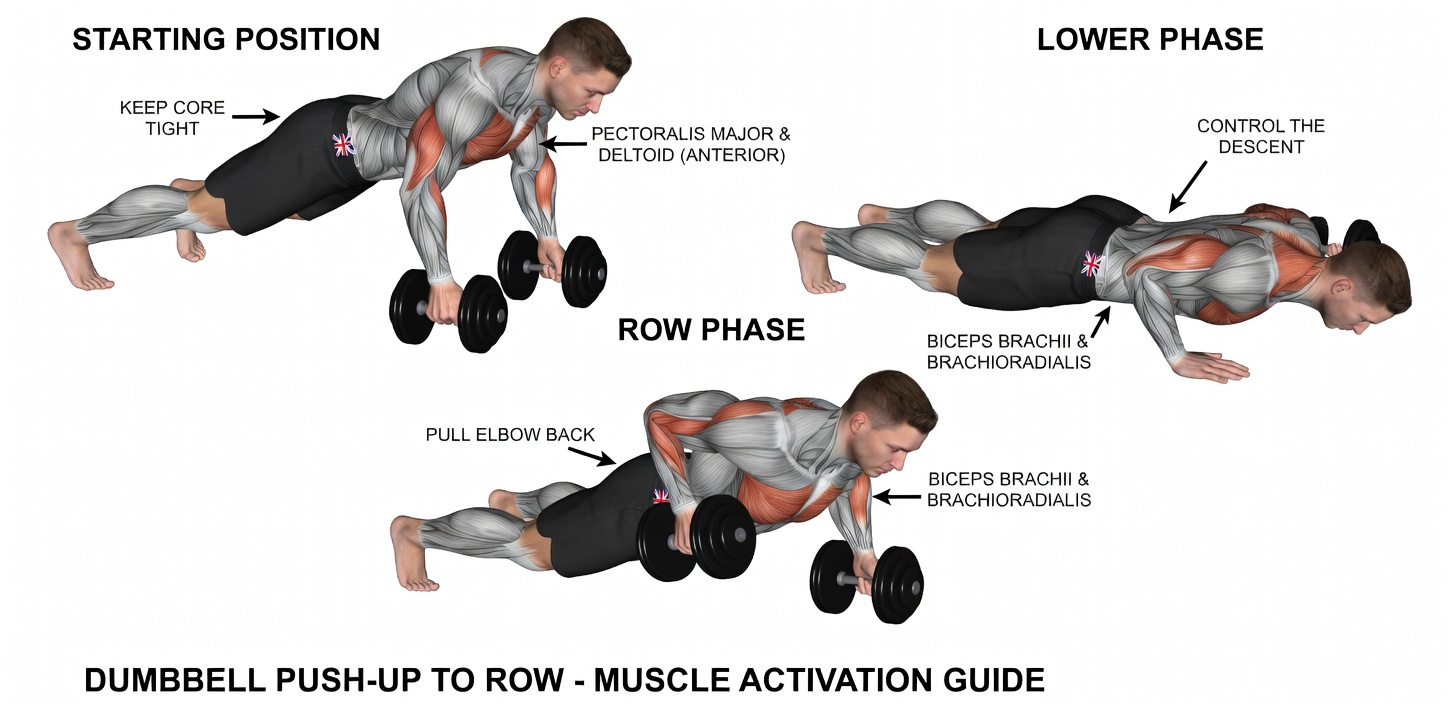
3. Push-Up to Row
The push-up to row is a powerful combination exercise that targets the arms, chest, back, and entire core. It is especially useful for building total-body strength while training your midsection to resist rotation and stay stable.
This move is a strong choice for anyone who wants a more challenging core exercise that also improves upper-body strength.
How to do the push-up to row
- Place two dumbbells on the floor about shoulder-width apart.
- Grip the dumbbells and move into a push-up position with your legs extended behind you.
- Keep your back neutral and your abs tight.
- Lower yourself into a push-up.
- At the bottom, pause briefly, then row one dumbbell toward the side of your chest.
- Lower it back down with control.
- Repeat the row on the other side.
- Complete 10 reps per side.
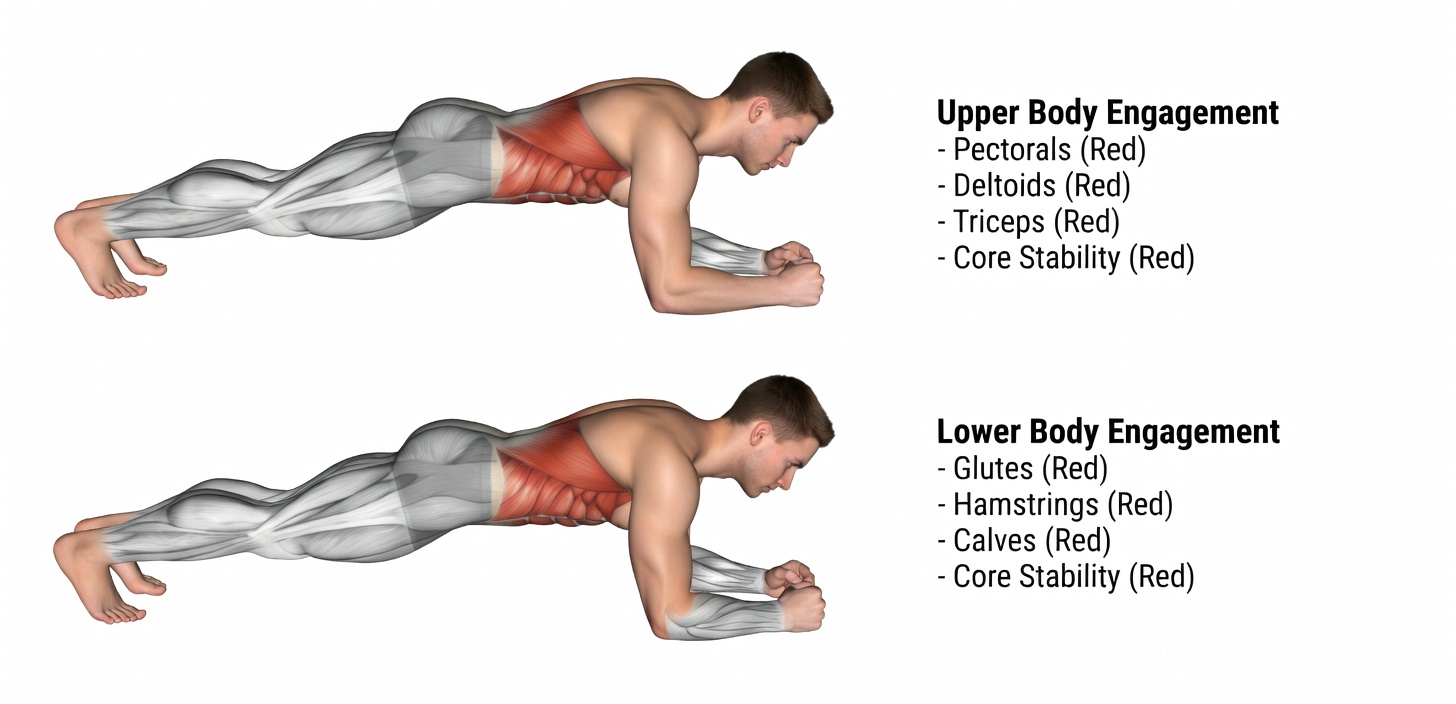
4. Plank Saw
The traditional plank is one of the best isometric exercises for strengthening the core, back, and glutes. It also activates the muscles that support good posture, which becomes increasingly important with age.
However, doing the same basic plank all the time can become repetitive and less challenging. That is where the plank saw comes in.
The plank saw adds a small rocking motion to the standard plank, increasing the difficulty and forcing your abs and core muscles to work harder to keep your body aligned.
How to do a plank saw
- Begin on the floor with your elbows under your shoulders and your legs extended behind you.
- Rest your weight on your forearms and keep your body in a straight line from head to heels.
- Relax your neck and keep your gaze down.
- Tighten your abs and gently pull your navel toward your spine.
- Slowly rock your body backward and forward using your elbows and forearms.
- Keep the movement small and controlled.
- Perform 10 to 12 reps.
5. Bicycle Crunch
No list of the best ab exercises is complete without the bicycle crunch. According to research from the American Council on Exercise, this movement is one of the most effective exercises for activating the abdominal muscles.
It is also highly effective for the obliques, making it one of the top choices for training the entire core.
How to do the bicycle crunch
- Lie on your back with your legs extended and your feet on the floor.
- Place your hands lightly behind your head to support your neck.
- Lift your head and shoulders slightly off the floor.
- Engage your core and keep your spine neutral.
- Bring both knees in toward your chest.
- Extend your right leg while rotating your torso to the left, aiming your right elbow toward your left knee.
- Return to the center and switch sides.
- Complete 10 reps per side.
Final Thoughts
If you want to stay strong, mobile, and independent after 50, core training should be a regular part of your fitness plan. A stronger core can improve posture, balance, stability, and everyday movement, while also supporting better overall health.
Add these five abs and core exercises to your weekly workouts to build strength where it matters most and help your body move better for years to come.