Staying Strong After 60 Starts With the Right Movement
Getting older is a natural part of life, but feeling weak, stiff, or less mobile does not have to become your everyday reality.
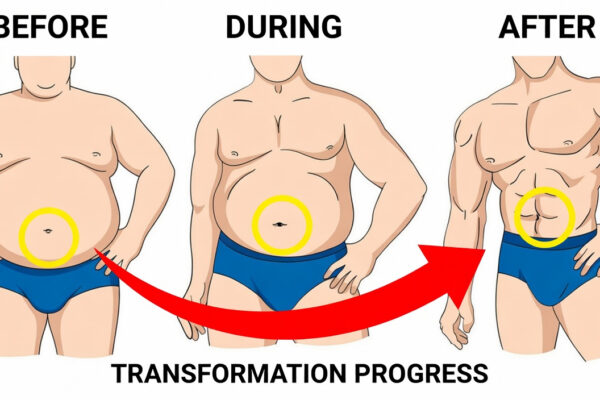
Many people over 60 notice changes such as muscle loss, joint discomfort, and reduced flexibility. These issues can make simple tasks feel harder than they used to. The encouraging news is that regular exercise has been shown to help push back against many of these effects of aging.
If you are over 60, movement is about much more than appearance. It can help you stay independent, active, and physically capable. And you do not need intense workouts to see benefits. You can support your body with simple, joint-friendly exercises that build strength, improve flexibility, and increase energy while being gentle on your joints.
Why Aging Can Make Movement Harder
As the years pass, the body naturally begins to lose muscle mass. This is called sarcopenia, and it can start as early as your 30s, becoming more noticeable after 60.
At the same time, bone density may decrease and joints can become stiffer. Together, these changes may make daily activities like standing up from a chair, walking up stairs, or carrying groceries more difficult.
Regular exercise can help slow these changes and may even reverse some of them. Strength training can help rebuild muscle, improve balance, and lower the risk of falls. Low-impact movement can also support joint health, reduce inflammation, and improve mobility.
The best approach is to choose exercises that are safe, effective, and enjoyable.
5 Joint-Friendly Exercises for Healthy Aging
These five exercises are especially helpful for older adults because they focus on strength, flexibility, balance, and overall function.
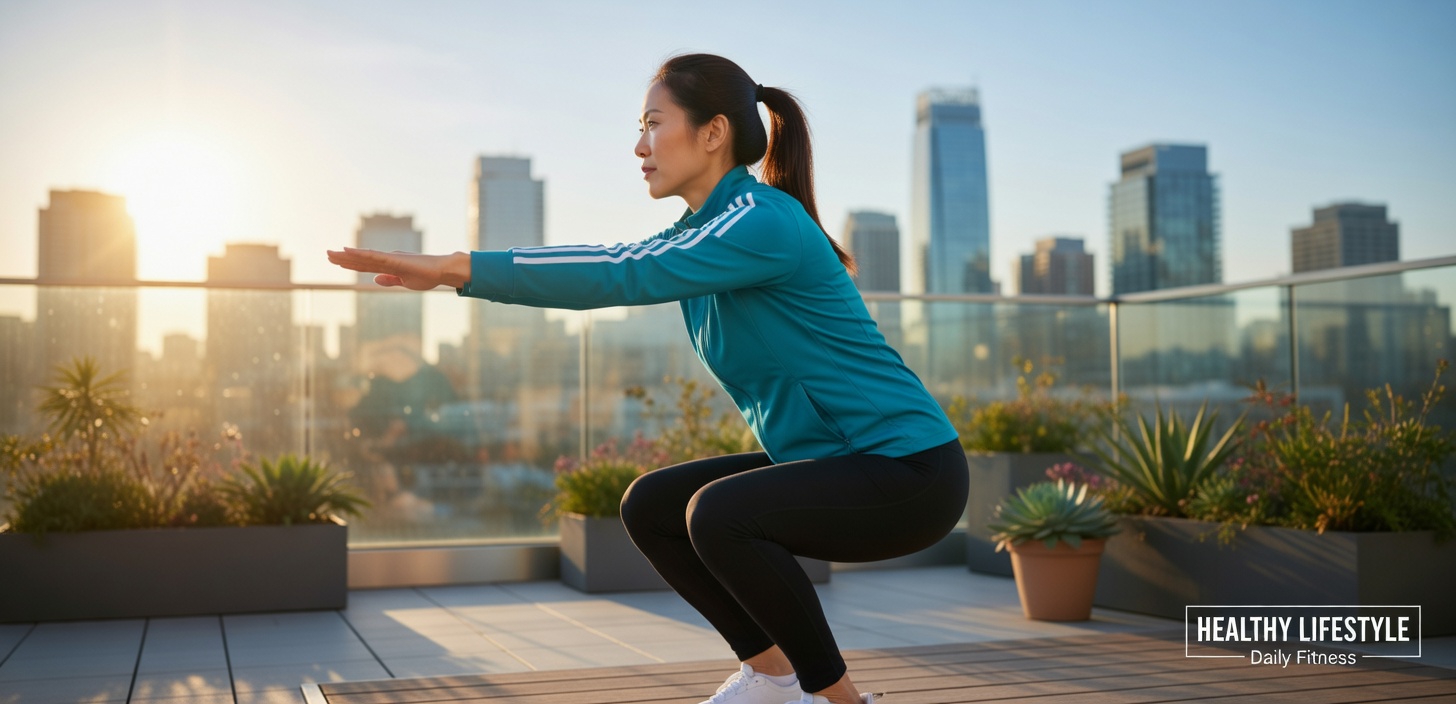
1. Chair Squats
Why this exercise helps:
Chair squats strengthen the legs, glutes, and core without placing too much pressure on the knees. They also train an important everyday movement: sitting down and standing back up.
How to do it:
- Stand in front of a sturdy chair with your feet about hip-width apart.
- Slowly lower yourself toward the chair by bending your knees and sending your hips back.
- Lightly touch the chair with your hips.
- Press through your heels to return to standing.
- Keep your chest up and your core engaged the entire time.
- Aim for 10 to 12 repetitions.
Pro tip:
If you need more support, use the armrests. As you gain strength, try the movement without touching the chair.
2. Wall Push-Ups
Why this exercise helps:
Wall push-ups are easier on the joints than floor push-ups, but they still work the chest, shoulders, and arms. They can also help improve posture and upper-body stability.
How to do it:
- Stand facing a wall about an arm’s length away.
- Place your palms on the wall at shoulder height, slightly wider than shoulder width.
- Bend your elbows slowly and lean your body toward the wall.
- Keep your feet planted firmly on the floor.
- Push back to the starting position.
- Aim for 8 to 10 repetitions.
Pro tip:
To make it harder, stand a little farther from the wall. To make it easier, move closer.
3. Seated Leg Extensions
Why this exercise helps:
This exercise works the quadriceps, the muscles at the front of the thighs. These muscles are important for walking, climbing stairs, and staying balanced. It is also gentle on the knees.
How to do it:
- Sit tall in a sturdy chair with your feet flat on the floor.
- Slowly lift and straighten one leg in front of you with your toes pointing upward.
- Hold for 2 to 3 seconds.
- Lower the leg back down.
- Switch sides.
- Aim for 10 to 12 repetitions per leg.
Pro tip:
As you get stronger, ankle weights can add more resistance.
4. Standing Calf Raises
Why this exercise helps:
Calf raises strengthen the lower legs, support circulation, and improve balance. These benefits are important for preventing falls and staying mobile.
How to do it:
- Stand behind a chair or near a countertop for support.
- Hold on lightly as needed.
- Rise up onto your toes, lifting your heels as high as you can.
- Hold for 2 to 3 seconds.
- Lower your heels back down slowly.
- Aim for 10 to 15 repetitions.
Pro tip:
For more challenge, try doing one leg at a time.
5. Seated Torso Twists
Why this exercise helps:
Seated torso twists can improve spinal mobility, stretch the lower back, and activate the core. They are useful for easing stiffness and encouraging better posture.
How to do it:
- Sit in a chair with your feet flat and your back straight.
- Place your hands on your shoulders or extend them in front of you.
- Slowly rotate your torso to the right and look over your shoulder.
- Hold for 2 to 3 seconds.
- Return to the center.
- Repeat on the left side.
- Aim for 8 to 10 twists per side.
Pro tip:
Move slowly and with control so you do not strain your back.
How to Exercise Safely and Effectively
To get the most from these movements, keep these simple tips in mind:
- Warm up first: Spend 5 to 10 minutes doing light activity such as walking in place or gentle arm circles to prepare your muscles and joints.
- Pay attention to your body: If a movement causes pain or discomfort, stop right away and adjust the exercise.
- Be consistent: Try to do these exercises 3 to 4 times per week for the best results.
- Hydrate and recover: Drink plenty of water and give your body time to rest between sessions.
- Talk to your doctor: If you have medical concerns or existing conditions, check with your healthcare provider before beginning a new exercise program.
A Simple Way to Stay Active, Strong, and Independent
Aging does not have to mean giving up strength or slowing down more than necessary. With these five gentle exercises, you can support muscle strength, improve mobility, and feel more energized at any age.
The most important step is simply getting started. With patience and regular practice, you can help your body stay strong, capable, and ready for everyday life. A more active and independent lifestyle can begin with something as simple as a chair, a wall, and a few minutes of movement.
Consult a healthcare professional before making changes.