Hip Tightness and Stiffness Can Get Worse With Age
Hip pain and stiffness are very common problems, and many people have dealt with hip tightness at some point. For some, it is an occasional issue. For others, it can feel ongoing and hard to ignore.
The good news is that targeted stretching can help loosen these chronically tight areas and improve hip flexibility and mobility over time.
Why Tight Hips Can Be So Frustrating
Tight hips can affect more than one area at once. Some stretches for this region also influence the low back, knees, and surrounding muscles, which is why stiffness can feel so limiting.
Because the hip joint is involved in many everyday movements, reduced mobility can become especially noticeable with activity. That is why gentle, consistent stretching can make a meaningful difference.
Stretches to Improve Hip Flexibility and Mobility
Below are some of the best stretches to help loosen tight hips. The instructions, hold times, and weekly frequency are included so you can follow them easily.
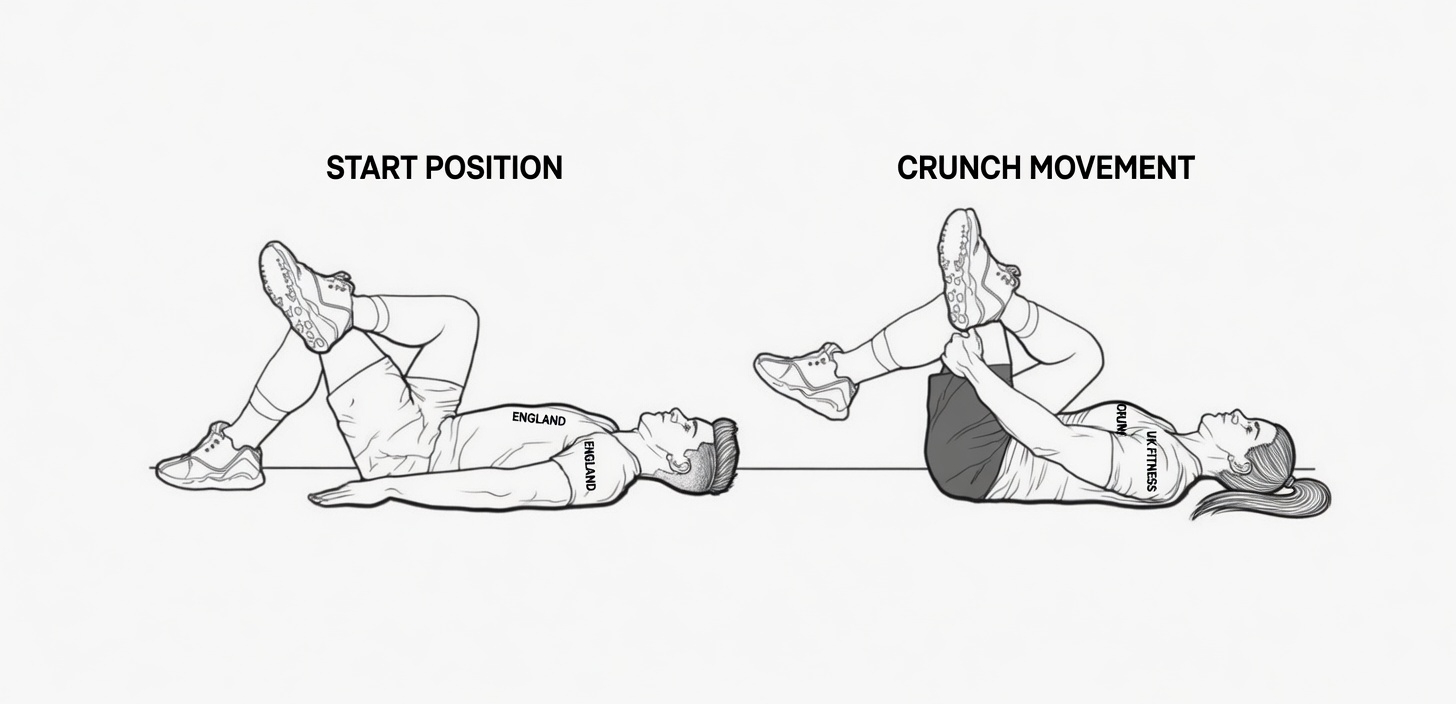
1. Single Knee to Chest Stretch
If you have ever gone through physical therapy for back or hip pain, this stretch may already be familiar. It is usually simple for most people to do and tends to cause very little discomfort. One of its biggest benefits is that it can often improve symptoms after only a few focused stretching sessions.
How to do it:
- Lie flat on your back.
- Pull your right knee toward your chest.
- Place both hands on your shin.
- Hold for 30 seconds.
- Repeat 4 times on both sides.
- Perform the full series 3-5 times per week.
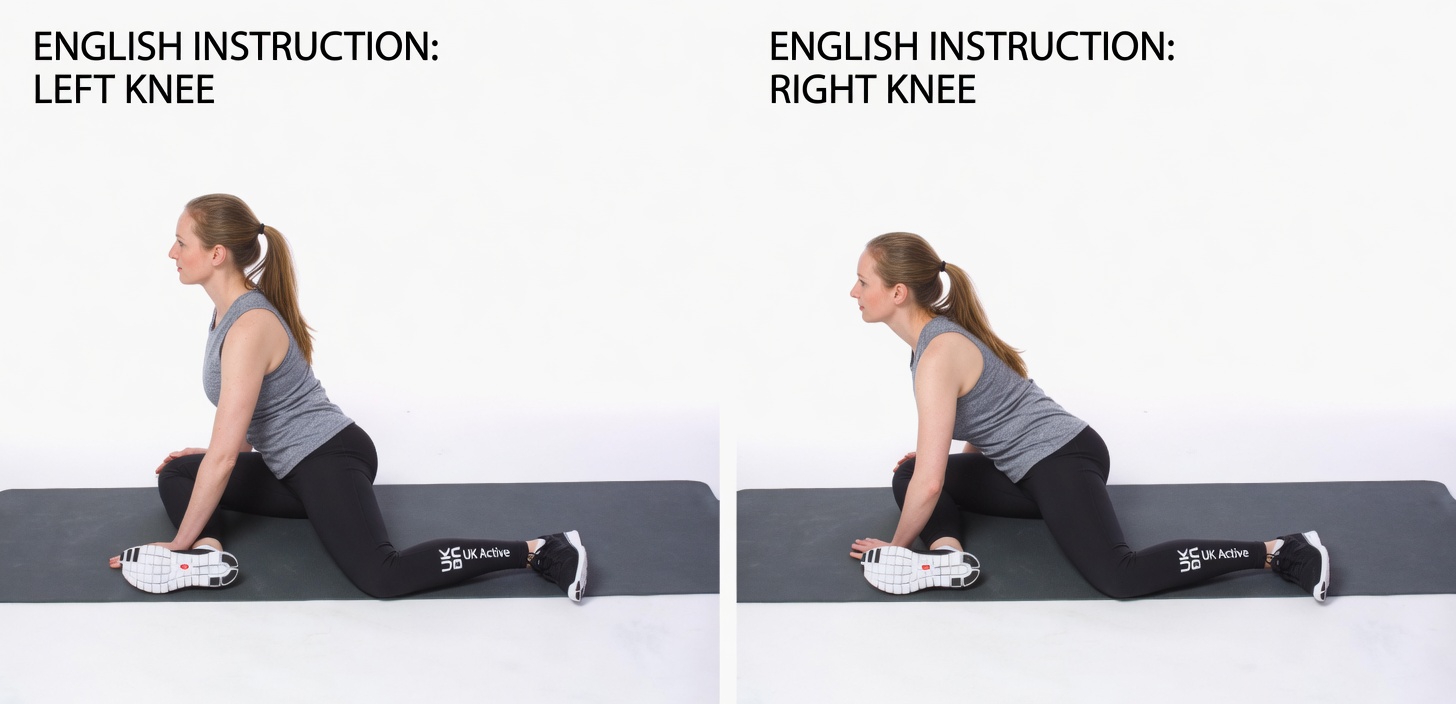
2. 90-90 Runner’s Stretch
This stretch is especially useful for joggers, sprinters, and even walkers. It helps improve mobility throughout the entire hip joint and is a great option for active individuals.
How to do it:
- Sit on the floor with your right leg in front of you and your knee bent at a 90-degree angle.
- Use your hands if needed to help position your legs.
- Move your left leg out to the side with your left knee also bent at a 90-degree angle.
- The outside of your right thigh and lower leg should rest on the floor, with your insole facing the ceiling.
- The inner part of your left knee and the inner portion of your left lower leg should be on the floor.
- If needed, place pillows under your hips, knees, or ankles to reduce stress on those areas and make the position more comfortable.
- Hold for 1-2 minutes on each side.
- Perform this stretch 3-5 times per week.
This can be an intense stretch for the hips, low back, and knees. If it feels difficult at first, keep practicing.
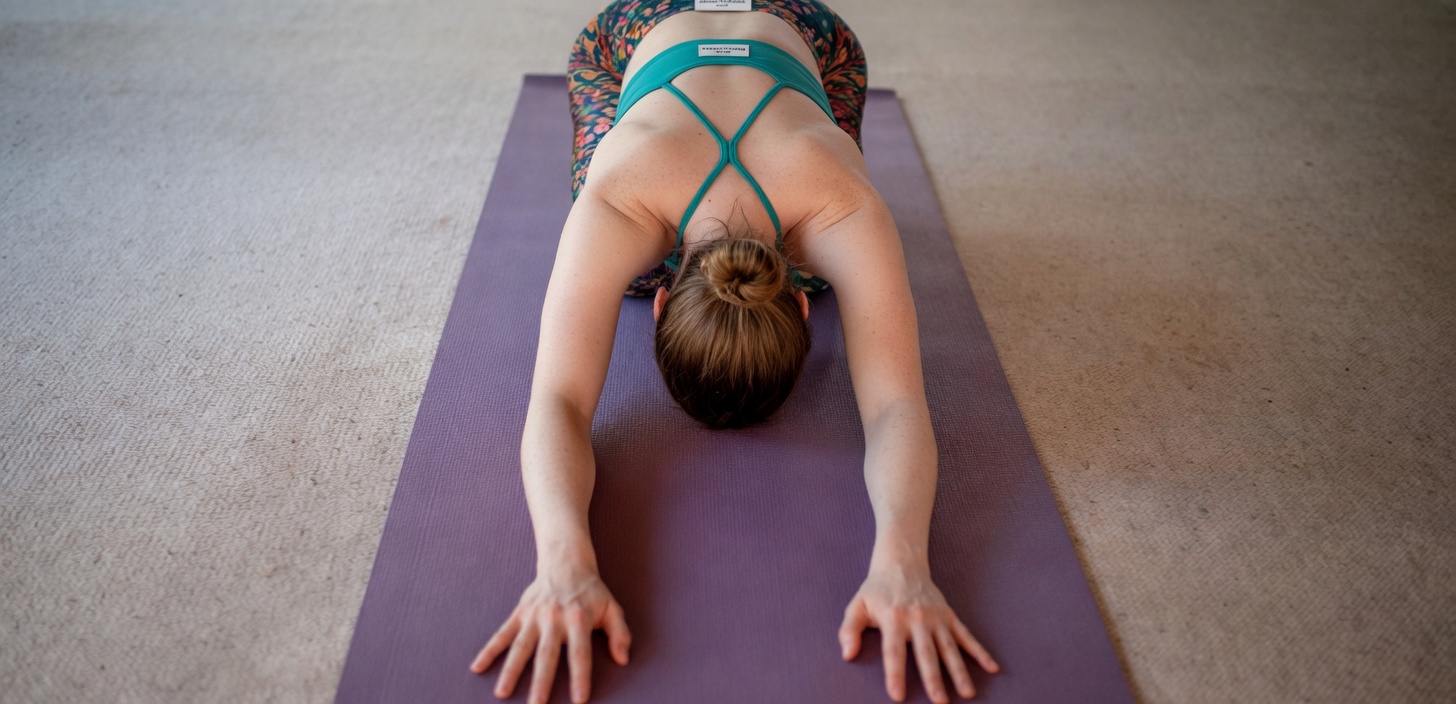
3. Child’s Pose
Child’s pose is a classic stretch and a very effective one. It helps loosen the back and hips, and it can also be a calming position for breathing and meditation.
How to do it:
- Begin on your hands and knees.
- Shift your hips backward as you try to sit on your ankles.
- At the same time, walk your hands forward to deepen the stretch.
- Hold for 2 minutes or longer.
- Repeat 3-5 times per week.
4. Supine Pigeon Pose with Rotation
Yoga-based movements can be excellent for improving hip mobility, and this pose creates a strong stretch through the hip joint and nearby muscles.
How to do it:
- Lie flat on your back.
- Place your right foot on the outside of your left thigh, just above the knee.
- Bend your left knee up toward your buttocks.
- Hold for 30 seconds.
- Repeat 4 times per side.
- Perform 3-5 times per week.
5. Sidelying Crossover Stretch
This stretch targets the hips while also affecting the low back and knees. It may take time to feel comfortable in the position, so be patient as you work on it.
How to do it:
- Lie on your left side.
- Cross your right leg over your left.
- Try to bring your right shoulder blade down to the floor.
- At the same time, reach with your right hand toward your left ankle or foot.
- Pull upward with your right hand to stretch the left quads and hip flexors.
- Hold for 30 seconds.
- Repeat 4 times on each side.
- Perform 3-5 times per week.
A Simple Way to Support Hip Mobility
Hip tightness and stiffness are common, but regular stretching can help improve mobility and loosen the surrounding structures. Some moves are gentle and easy to start with, while others may feel more challenging at first. Staying consistent can help you make progress.
Consult a healthcare professional before making changes.