Low-Impact Core Exercises for Adults Over 60
Building a stronger core is important at any age, but it becomes especially valuable after 60. A well-trained core supports daily movement, improves balance, and helps protect the body as joints and muscles naturally change over time.
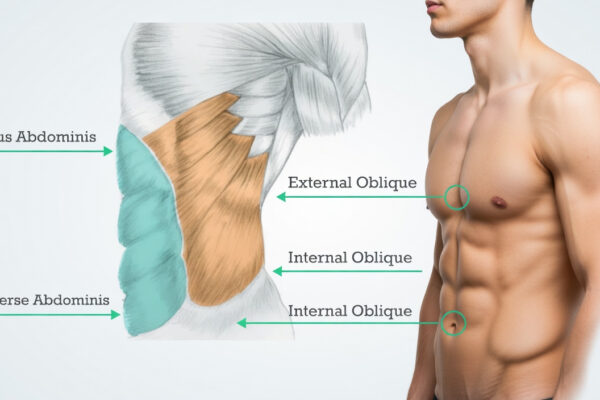
Many people think core training only targets the abdominal muscles. In reality, true core exercises go far beyond trying to get a flatter stomach or visible abs. They strengthen the deeper muscles that support the entire midsection, not just the front of the abdomen.
For older adults, core strength plays a major role in everyday function. It helps with mobility, flexibility, posture, and overall strength. A strong core can make common activities such as standing, walking, bending, reaching, and lifting feel safer and easier.
When you activate your full core, you are working more than your abs. You are also training the obliques, lower back, glutes, hips, and the smaller stabilizing muscles along the spine. Together, these muscles improve upper-body stability, lower-body balance, and coordination.
A stronger torso is better able to handle movement from different directions, which is essential for staying steady and confident in daily life. This kind of strength can help you move more comfortably even when age-related physical decline becomes a reality.
The good news is that core training does not have to involve high-impact movements. If you have sensitive knees, fragile joints, or limited mobility, there are safer options that still deliver excellent results.
Below are three low-impact core exercises for people over 60. Focus on proper form to get the greatest benefit while reducing the risk of strain or injury.
1. Bird Dog With Elbow to Knee
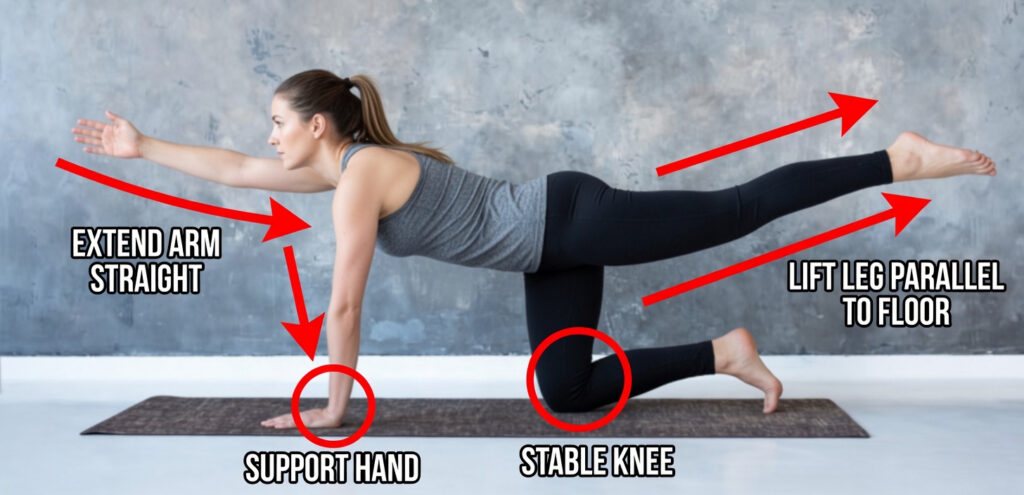
This exercise improves balance, coordination, and deep core stability while also engaging the back and glutes.
How to do it
- Start on all fours with your hands under your shoulders and your knees under your hips.
- Keep your head, neck, and spine in a neutral position.
- Tighten your core.
- Extend your right arm forward until it lines up with your torso.
- At the same time, stretch your left leg straight back behind you.
- Hold for 1 to 2 seconds.
- Then draw your right elbow and left knee toward each other underneath your body, tightening your abs as they come together.
- Pause briefly, then return to the starting position.
- Complete 10 to 12 repetitions, then switch sides.
Form tips
- Keep your back flat throughout the movement.
- Move slowly and with control.
- Avoid shifting your hips from side to side.
2. Hip Bridge
The hip bridge strengthens the glutes, lower back, and core while supporting better pelvic stability.
How to do it
- Lie on your back with your arms resting at your sides and your palms facing down.
- Place your feet flat on the floor about shoulder-width apart.
- Gently press your lower back toward the floor.
- Squeeze your glutes and lift your hips upward.
- Raise your hips until your body forms a straight line from your knees through your hips to your shoulders.
- Hold briefly at the top.
- Lower yourself back down slowly.
Repetitions
- Perform 2 to 3 sets of 10 repetitions.
Form tips
- Do not arch your lower back.
- Lift with your glutes, not with momentum.
- Keep your knees aligned and stable.
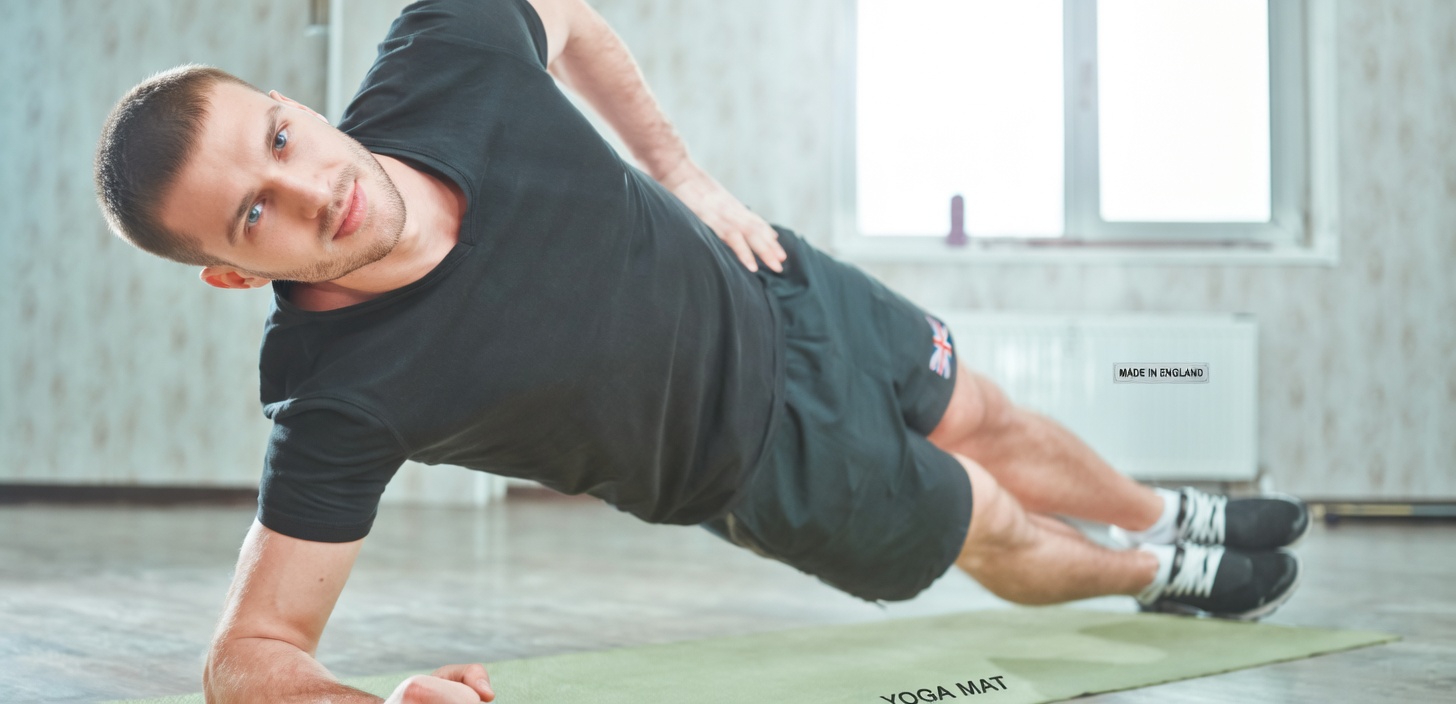
3. Side Plank
The side plank is excellent for strengthening the obliques, hips, and deep stabilizing muscles that support balance and posture.
How to do it
- Lie on your right side.
- Place your right forearm on the floor with your elbow directly under your shoulder.
- Stack your legs and keep your body aligned.
- Lift your hips off the ground in one smooth motion.
- Hold until your body forms a straight line from your shoulder to your ankles.
- Maintain the position for 30 seconds.
- Lower back down with control.
- Repeat on the opposite side for 30 seconds.
Form tips
- Keep your shoulder directly above your elbow.
- Do not let your hips sag.
- If needed, bend your knees slightly for an easier variation.
Why These Core Exercises Matter After 60
Low-impact core workouts can help older adults stay strong, steady, and more independent. These movements train the muscles that support posture, protect the spine, and improve coordination without placing too much stress on the joints.
By practicing these exercises regularly and with good form, you can build a stronger core that supports better movement, greater stability, and more confidence in everyday life.