Papaya Leaves: A Powerful Natural Remedy Many People Miss
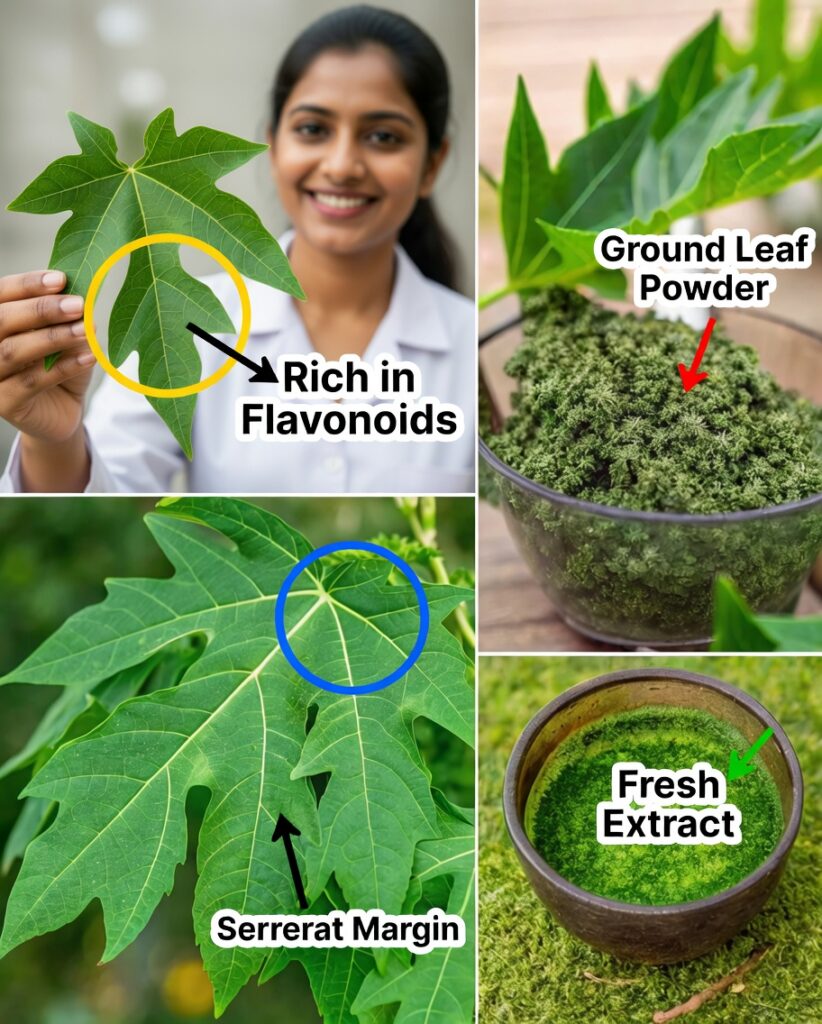
Papaya fruit is well known for its flavor and nutrition, but papaya leaves are often the real “hidden gem.” In many traditional health practices, the leaves are valued for their strong medicinal compounds, commonly used to support immunity, calm inflammation, and improve digestion.
Why Papaya Leaves Are So Beneficial
Key Health Benefits of Papaya Leaves
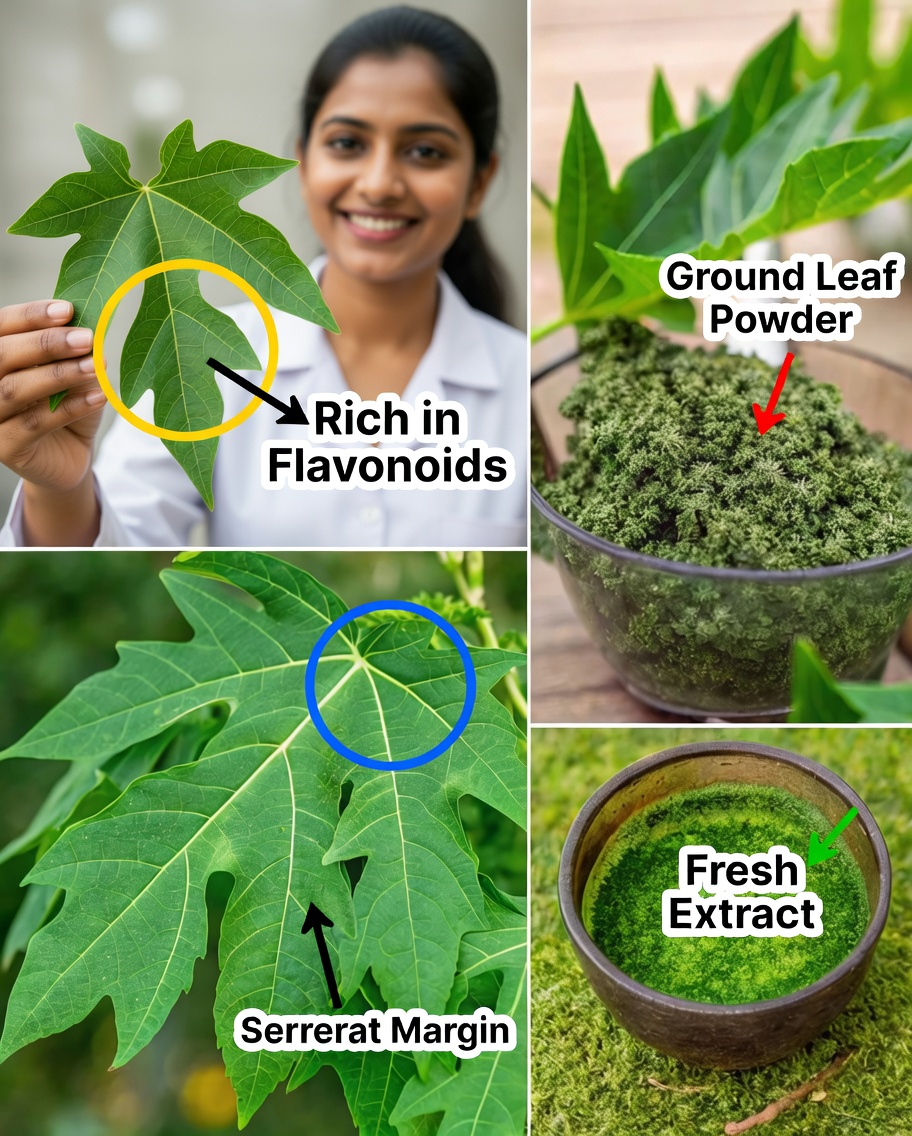
Papaya leaves contain a range of bioactive compounds that may support overall wellness. Commonly cited benefits include:
- Digestive support: Natural enzymes such as papain and chymopapain may help break down proteins and ease digestive discomfort.
- Anti-inflammatory properties: These same enzymes and plant compounds may help reduce inflammation in the body.
- Platelet support: Papaya leaf preparations are widely used as a natural platelet booster, especially during dengue fever recovery (often as a short-term supportive remedy).
- Antioxidant protection: Antioxidants may assist with liver support, detox pathways, and immune health.
- Ongoing research areas: Studies continue to explore potential anti-malarial and anti-cancer activity.
- Blood sugar support: Some evidence suggests papaya leaves may help with blood sugar regulation.
How to Harvest Papaya Leaves Safely
To get the best quality, focus on freshness and cleanliness:
- Select mature, healthy leaves that are large, deep green, and free from pests, holes, or spotting.
- Harvest from the lower part of the tree—older leaves are often believed to contain more concentrated beneficial compounds.
- Rinse thoroughly with clean water to remove dust, residue, and sap.
Best Ways to Use Papaya Leaves
1. Papaya Leaf Juice (Most Concentrated Option)
This is typically considered the strongest preparation and is most often used for short-term support during illness.
How to make papaya leaf juice:
- Gather 5–10 fresh leaves.
- Wash well and roughly chop.
- Blend with 1/2 cup of water.
- Strain the liquid.
- Drink 1–2 tablespoons (expect a very bitter taste).
Suggested use: Often taken once daily for 5–7 days for acute support (such as dengue recovery), or once weekly as a general tonic.
2. Papaya Leaf Tea (Gentler and Easier to Drink)
Tea is a milder option and is commonly used for digestion, immune support, and everyday wellness.
How to make papaya leaf tea:
- Dry leaves in the shade for 2–3 days.
- Crush into small pieces.
- Add 1 tablespoon to 2 cups of water.
- Simmer for 10–15 minutes, then strain.
Optional add-ins (to improve taste and benefits):
- Ginger
- Lemon
- Honey
3. Papaya Leaf Extract or Capsules (Convenient Alternative)
If fresh leaves aren’t available, papaya leaf extract or capsules can be easier to use. Look for reputable brands and follow label directions carefully.
Warnings and Precautions
Papaya leaves can be powerful, so use them responsibly:
- Avoid during pregnancy: Papaya leaves may stimulate uterine contractions.
- Very bitter flavor: This is normal, especially with the juice.
- Short-term use is best: For managing a condition or taking higher amounts, use under professional guidance.
Conclusion
With proper harvesting and preparation, papaya leaves can be a valuable natural tool for digestion, immune support, and short-term wellness needs. Whether you choose juice, tea, or a supplement, start conservatively and prioritize safety—especially if you are treating a health condition.