Prickly Lettuce (Lactuca serriola): The Overlooked Medicinal “Weed” With Real Benefits
Prickly lettuce (Lactuca serriola) is easy to ignore—many people see it along roadsides and assume it’s just another wild weed. Yet this tough, adaptable plant has a long history in traditional herbal medicine and contains compounds linked to natural pain relief, sleep support, digestive wellness, and anti-inflammatory effects.
Below, you’ll learn what prickly lettuce is, why herbalists have valued it for generations, and practical ways to use it safely as part of a wellness routine.
What Is Prickly Lettuce?
Prickly lettuce is widely considered the wild ancestor of cultivated lettuce (Lactuca sativa). It originated in Europe, Asia, and North Africa, then spread globally and now grows in many climates and soil types.
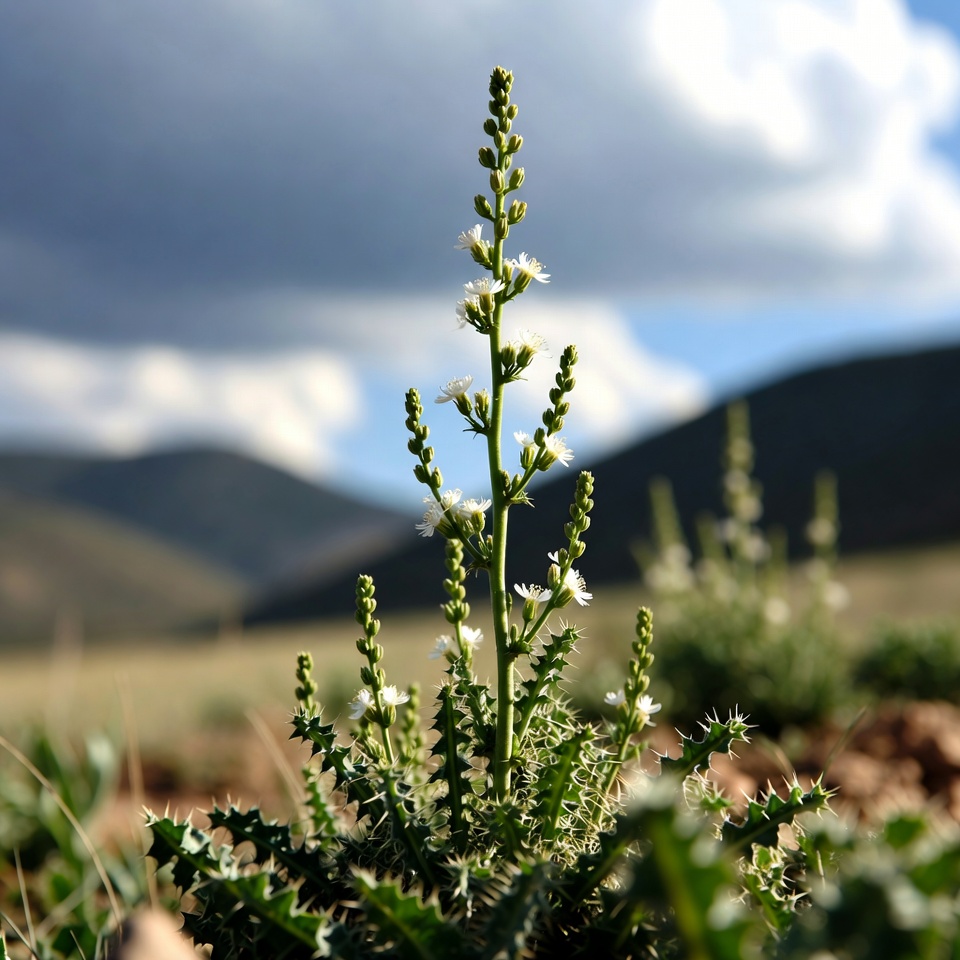
This hardy biennial can reach around 6 feet (about 2 meters) tall. It’s typically identified by:
- Spiny or prickly leaf edges
- Small yellow flowers
- A distinctive milky sap (latex) that appears when the stem or leaves are broken
That milky sap is one reason the plant is so well known in folk medicine: it contains active constituents that contributed to prickly lettuce’s reputation for calming and pain-soothing effects.
Key Health Benefits of Prickly Lettuce
1. Natural Pain Relief (Non-Addictive Alternative)
One of the most talked-about uses of prickly lettuce is as an herbal pain reliever. The plant produces a milky latex called lactucarium, sometimes nicknamed “lettuce opium” because of its mild sedative and analgesic reputation (though it is not an opioid).
Lactucarium contains compounds such as lactucin and lactucopicrin, which are associated with reduced pain perception through effects on the central nervous system. Traditionally, prickly lettuce has been used to ease:
- Headaches and migraines
- Muscle aches and joint discomfort
- Arthritis-related and inflammatory pain
For people seeking plant-based pain support without the dependence risk linked to some stronger medications, prickly lettuce is often mentioned as a gentler option.
2. Relaxation and Sleep Support
Prickly lettuce has also been used to settle the nerves and encourage more restful sleep. Its calming profile may be helpful for people dealing with:
- Occasional insomnia
- Stress-related tension
- Mild anxiety or restlessness
Many herbal users choose prickly lettuce tea or tincture in the evening to support:
- Deeper, more restorative sleep
- A calmer mood before bed
- Relaxation without heavy next-day grogginess (for many people)
3. Digestive Health and Liver Support
Bitter herbs are commonly used in traditional systems to support digestion, and prickly lettuce fits that pattern. Its bitter components may help:
- Stimulate bile flow, which supports fat digestion
- Ease bloating and indigestion
- Encourage regularity and help with constipation
- Support the body’s natural liver detox pathways
Prickly lettuce is also described as a mild diuretic, which may assist the body in eliminating excess water and metabolic waste.
4. Anti-Inflammatory and Immune-Friendly Properties
Prickly lettuce contains flavonoids and antioxidant compounds, which are associated with helping the body manage oxidative stress and inflammation. Traditionally, it has been applied or consumed in support of:
- Achy, inflamed joints (including arthritis discomfort)
- Minor skin irritation and wound care
- Inflammatory digestive or immune-related imbalances
Some sources also point to potential antimicrobial activity, aligning with the plant’s historical use in herbal traditions for broader immune support.
5. A Sustainable, Low-Input Medicinal Plant
Beyond health uses, prickly lettuce stands out as an eco-friendly herb. It tends to thrive with minimal care:
- Needs relatively little water
- Tolerates poor soil
- Grows vigorously and is widely adaptable
For gardeners and herbal enthusiasts interested in sustainable medicinal plants, prickly lettuce can be appealing because it often grows without the need for chemical fertilizers or pesticides.
How to Use Prickly Lettuce
Prickly lettuce can be prepared in several common herbal formats. Popular options include:
- Tea/Infusion – Steep dried leaves and stems in hot water to create a soothing tea, often used for relaxation or digestion.
- Tincture – An alcohol- or glycerin-based extract that delivers a more concentrated dose of the plant’s active compounds.
- Poultice (Topical Use) – Crush fresh leaves and apply to minor irritated or inflamed areas for localized support.
- Capsules or Powder – A convenient way to take prickly lettuce consistently as a supplement.
Precautions and Potential Side Effects
Prickly lettuce is generally considered mild, but responsible use matters. Keep these safety notes in mind:
- Large amounts may cause mild stomach upset in some people.
- Pregnant or breastfeeding individuals should avoid use due to limited safety data.
- The milky sap can irritate sensitive skin; consider gloves if you react easily.
If you take prescription medications or manage a chronic condition, speak with a qualified healthcare professional before using prickly lettuce supplements, tinctures, or concentrated preparations.
Final Takeaway: Prickly Lettuce Is More Than a Roadside Weed
Prickly lettuce may not look impressive, but its traditional reputation and bioactive compounds make it a plant worth knowing. Whether your goal is natural pain support, better sleep, digestive balance, or anti-inflammatory herbal wellness, Lactuca serriola offers a surprisingly broad range of potential benefits.
Next time you spot prickly lettuce in the wild, it may be worth a second look—not as a nuisance weed, but as a traditional medicinal herb with real value.