Sore After a Hard Workout? Try a Simple Rest Day Recovery Routine
You know the feeling. Maybe yesterday’s gym session was extra intense, or your run was longer and faster than usual. Now your legs feel heavy, your body is stiff, and even getting out of bed takes effort.
It happens to everyone. The good news? You do not need a tough workout to feel better.
A short, low-impact recovery workout can help.
Instead of spending your entire rest day doing nothing, gentle movement can support tired muscles and help your body recover more efficiently. It does not have to be long or complicated. What matters most is moving with intention.
Why a Rest Day Workout Is More Important Than It Seems
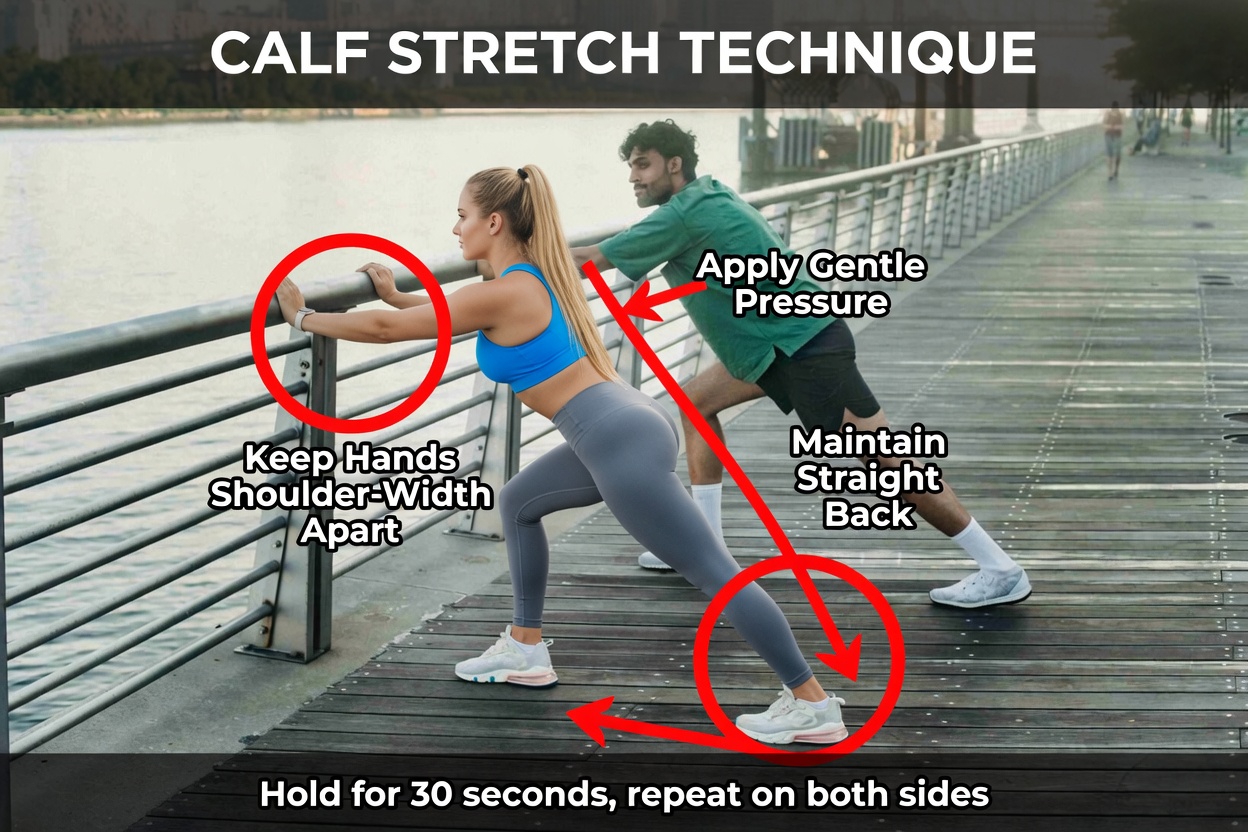
A light recovery session can do a lot for your body.
Gentle movement increases blood flow to sore muscles, which may reduce stiffness and help them feel refreshed. It can also support the removal of waste products that build up during hard exercise, including lactic acid. On top of that, moving a little often improves your mood and helps you feel more energized during recovery.
That makes active recovery a smart choice for many rest days.
7 Rest Day Workout Ideas That Really Help
There are countless recovery routines online, but not all of them are useful or realistic. Below are seven simple rest day workout options that are easy to follow and effective.
1. The Morning Stretch Reset
Your body often feels tight first thing in the morning, especially after a demanding training day. This 10-minute stretch routine is a great way to loosen up.
- Cat-cow stretches: 10 slow repetitions
- Child’s pose: Hold for 2 minutes
- Hip circles on hands and knees: 10 in each direction
- Gentle lying spinal twists: 1 minute per side
- Legs up the wall: 5 minutes
As you stretch, focus on breathing slowly. Exhale as you ease deeper into each movement, and do not rush the process.
If you want to improve flexibility even more, adding regular stretching exercises can also help lower your injury risk.

2. The Walk and Talk
A relaxed 20 to 30-minute walk is one of the best active recovery workouts, especially if you want something easy and refreshing. It is also a great excuse to get outside, clear your mind, and enjoy some fresh air.
Walk at a pace where you can comfortably hold a conversation. Let your arms move naturally and stay relaxed. If you feel tight, pause for a quick stretch before, during, or after your walk.
For an added mental reset, try leaving your phone behind once in a while.
3. The Pool Recovery Session
A pool workout is ideal when the weather is warm or when your joints need a break. Water supports your body weight while still giving you gentle resistance, which makes it perfect for recovery.
Try this 25-minute pool routine:
- Easy water walking: 5 minutes, moving forward, backward, and sideways
- Arm circles in chest-deep water: 2 minutes
- Leg swings while holding the pool edge: 10 each leg
- Gentle swimming using any stroke: 10 minutes
- Floating and relaxing: 5 minutes
This type of movement is easy on the body while still helping you stay active.

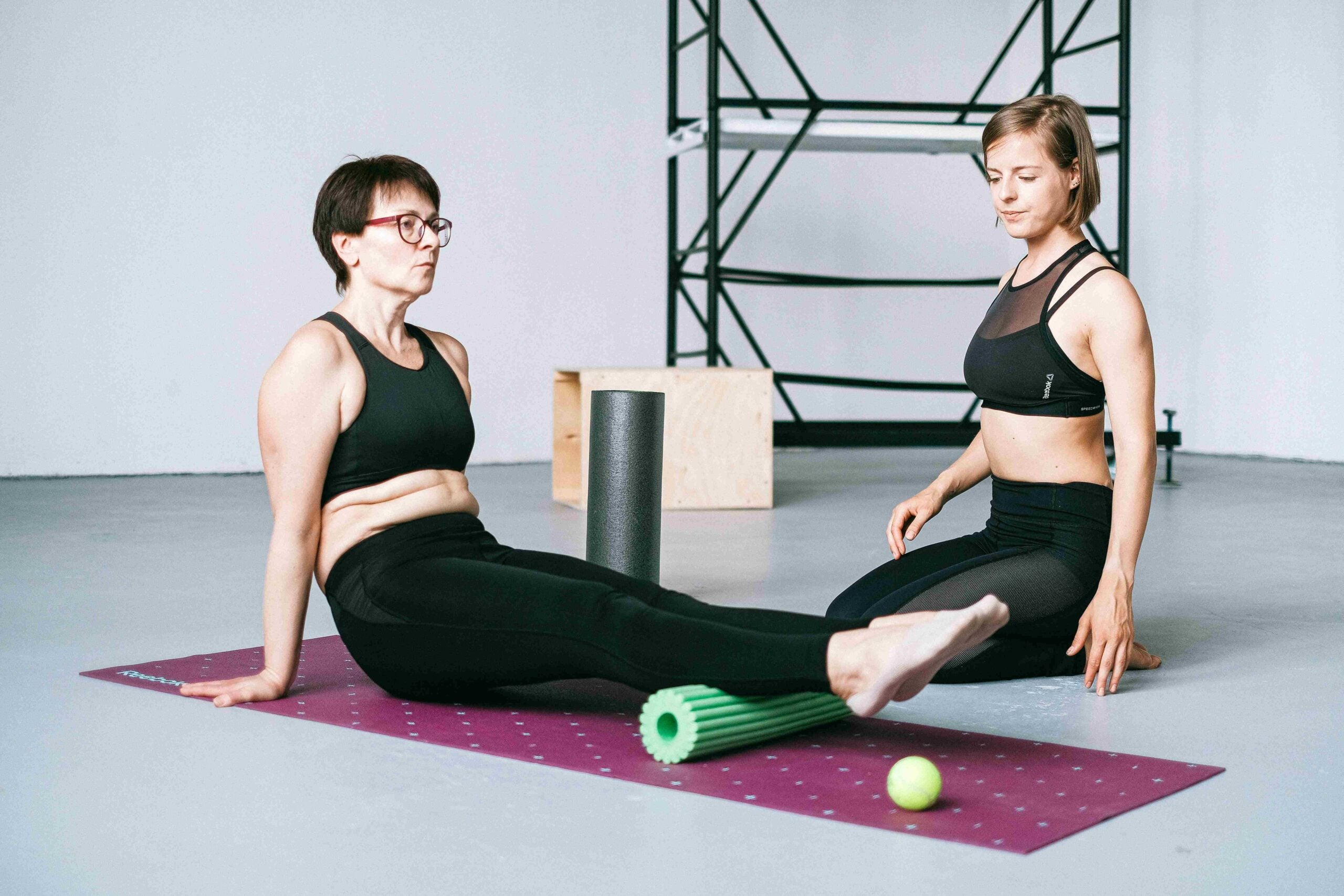
4. The Foam Rolling Routine
Foam rolling can be very helpful on rest days, but it should be done with care. Go slowly, breathe deeply, and stop right away if you feel pain. Mild discomfort is normal, but actual pain is not.
Use this 20-minute foam rolling sequence:
- Calves: 2 minutes per calf
- Hamstrings: 1 minute each
- Quads: 2 minutes per leg
- Glutes: 3 minutes
- Upper back: 3 minutes
- IT band: 2 minutes per leg
Important: Avoid rolling directly on the neck.
Foam rolling may help release muscle tightness and improve circulation in the areas you target.
5. The Living Room Flow
If you want something a little more active without overdoing it, this bodyweight flow is a great option. You can do it at home with no equipment.
Work for 30 seconds, then rest for 30 seconds. Complete the full circuit twice, with a stretching break between rounds and again at the end.
- Arm circles in both directions
- Bodyweight squats done slowly and with control
- Standing hip circles
- Reverse lunges
- Wall push-ups
- Marching in place
- Side bends with arms overhead
This routine keeps your body moving while staying gentle enough for a recovery day.
6. The Full-Body Stretch Session
This 25-minute full-body stretching routine works well at home, at the gym, or anywhere you have a little space. It targets major muscle groups and helps release tension throughout the body.
Try this sequence:
- Neck rolls: 1 minute
- Shoulder shrugs: 1 minute
- Chest stretch against a wall: 2 minutes
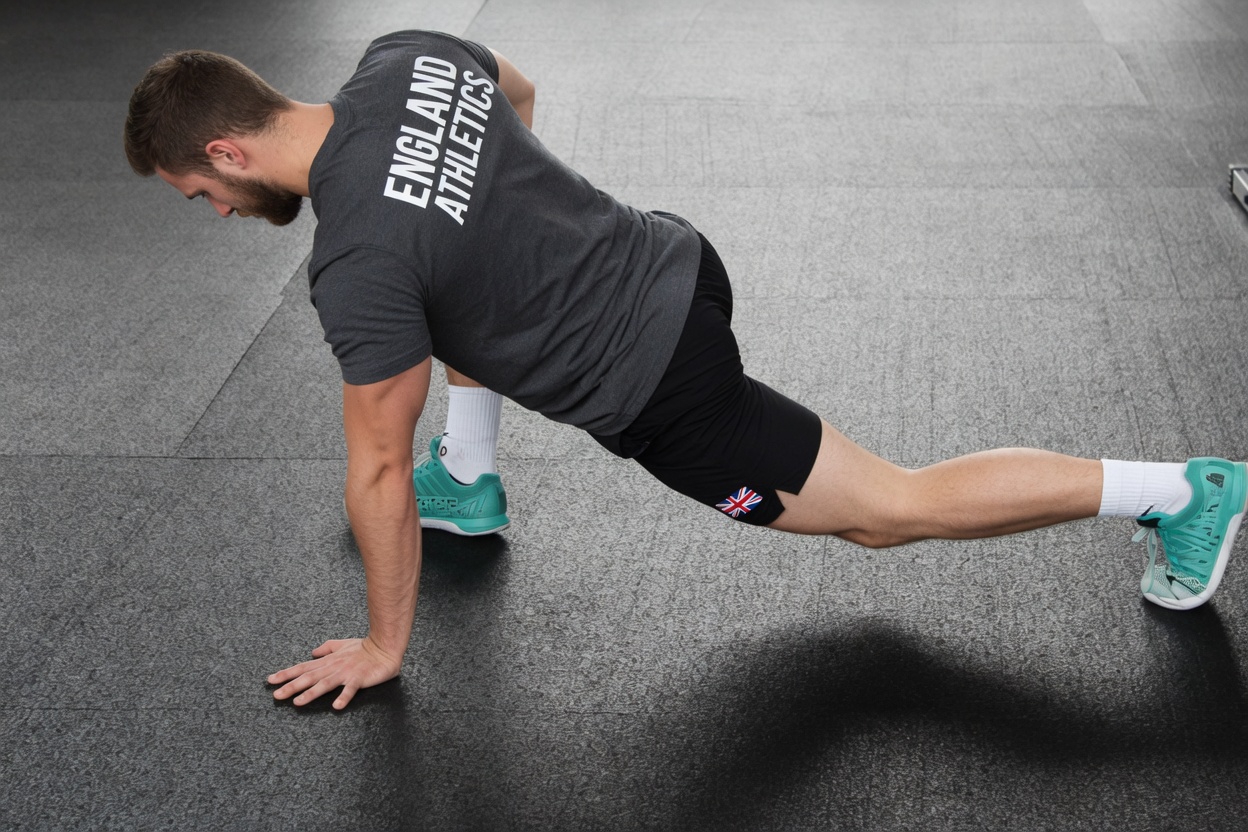
- Hip flexor stretch: 2 minutes per leg
- Lying hamstring stretch: 2 minutes per leg
- Figure 4 glute stretch: 2 minutes per side
- Lying spinal twist: 2 minutes per side
- Child’s pose: 5 minutes
Settle into each stretch and keep your breathing calm and steady.
7. The Dance Break
If you do not feel like following a structured recovery workout, dance is a fun alternative. Put on your favorite music and move however you want for 15 minutes.
There are no rules here. Just enjoy yourself, stay loose, and let your body move naturally.
Signs Your Rest Day Workout Is Helping
A good active recovery routine should leave you feeling better, not more exhausted. Some positive signs to watch for include:
- Less stiffness in the morning
- Better mood
- More energy
- Reduced soreness
- Quicker recovery between workouts
- Fewer minor aches and pains
If you notice that your soreness is increasing or you feel more run down after these sessions, reduce the intensity or take a full rest day instead.
How to Make a Rest Day Routine a Habit
Starting is often the hardest part, so keep it simple.
First, choose just one of these seven recovery workouts. There is no need to do everything at once. Pick the option that sounds the most enjoyable and realistic for you.
Second, begin small. Even 20 to 25 minutes can feel like a lot if you are busy or tired, so schedule your session in a way that fits your day. Adding it to your calendar can also help you stay consistent.
Third, do not force yourself to stick with only one routine. Rotate different active recovery exercises to keep both your mind and body engaged.

How Often Should You Do Active Recovery?
You can add these recovery workouts to your regular fitness plan about 2 to 3 times per week, depending on how intense your main training sessions are. They can be especially useful after leg day or any demanding workout.
Most importantly, pay attention to how your body feels.
- If you feel drained, it is okay to skip the session.
- If you feel stiff but still have some energy, a light recovery workout may help.
Your body will usually tell you what it needs.
Important Tips for Rest Day Workouts
Keep these simple guidelines in mind:
- If you are sweating heavily or struggling to breathe, slow down.
- Your breathing should stay steady during most recovery sessions, except possibly during dancing.
- Muscle soreness and stiffness are common, but pain is not.
- If something hurts, stop.
- Keep your routine simple so it is easier to repeat regularly.
- Even 5 minutes of movement is better than none.
Final Thoughts
Rest days should support recovery, not create more stress. If a movement feels wrong or painful, stop immediately. Your body repairs itself and builds strength during rest, so it makes sense to treat recovery as an important part of training.
Try one of these seven rest day recovery workouts and see how your body responds. Start with something easy, stay consistent, and notice the difference over time.
Taking care of yourself today can help you stay stronger and healthier tomorrow.