Using Toothpaste for Cracked Heels: What It Does and Why It Helps
Many toothpastes contain baking soda, menthol, and hydrogen peroxide—ingredients commonly linked to cleansing and antibacterial effects. When used on the feet, these components may help clean the skin, reduce bacteria, and support the healing process for mild heel cracks by keeping the area disinfected and refreshed.
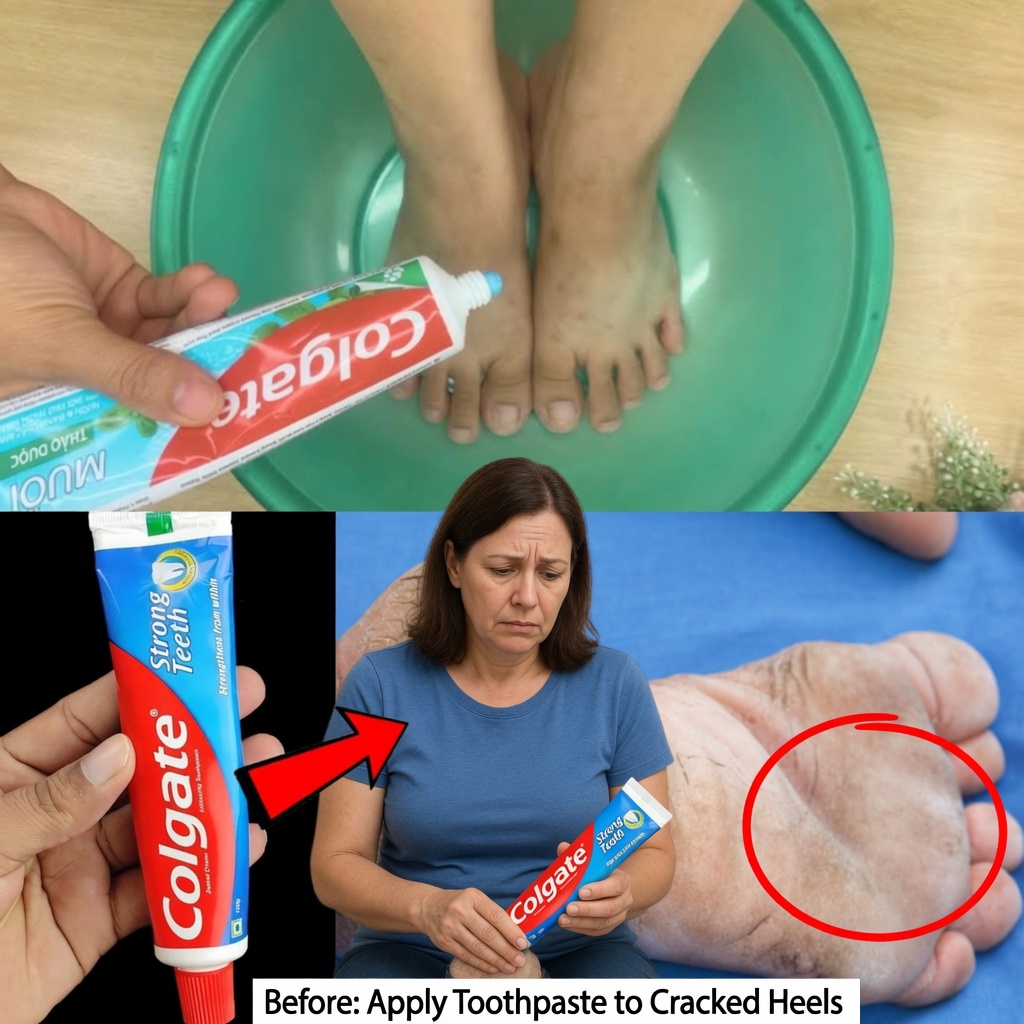
Step-by-Step Guide: Toothpaste Treatment for Cracked Heels (3 Days)
Day 1: Prep and First Application
1) Wash and soften your feet
- Clean your feet thoroughly with warm water.
- Gently scrub around the heel area to remove dirt and any loose, flaky skin.
2) Apply the toothpaste
- Use a white, non-gel toothpaste, ideally one that includes baking soda.
- Spread a thick, even layer directly over the cracked parts of your heels.
3) Cover overnight
- Wrap your feet with plastic wrap to keep the toothpaste in place.
- Put on socks and leave the treatment on while you sleep.
Day 2: Repeat the routine
1) Rinse in the morning
- Remove the socks and plastic wrap.
- Wash your feet with warm water and pat dry.
2) Apply again at night
- Repeat the same evening steps:
- Apply toothpaste to the cracks
- Wrap with plastic
- Wear socks overnight
Day 3: Final application and recovery support
1) Morning rinse
- Wash off the toothpaste as you did on Day 2.
2) Moisturize after drying
- Once your feet are completely dry, apply a rich foot cream or thick moisturizer to lock in hydration and support smoother skin.
3) Last overnight treatment
- Do the toothpaste application one final time before bed, using plastic wrap and socks again.
How to Maintain Results After the 3-Day Method
- Moisturize daily: Consistent hydration helps prevent dry skin from cracking again.
- Protect your heels: Wear comfortable, well-fitting shoes and avoid walking barefoot to reduce pressure and friction on the heel area.
Conclusion
Toothpaste may work as a short-term home remedy for mild cracked heels, mainly because of its cleansing and antibacterial properties. However, lasting results depend on regular foot care, especially daily moisturizing and proper footwear. If your heel cracks are deep, painful, bleeding, or not improving, it’s best to consult a healthcare professional. This quick routine can be a simple first step toward softer, smoother feet in just a few days.