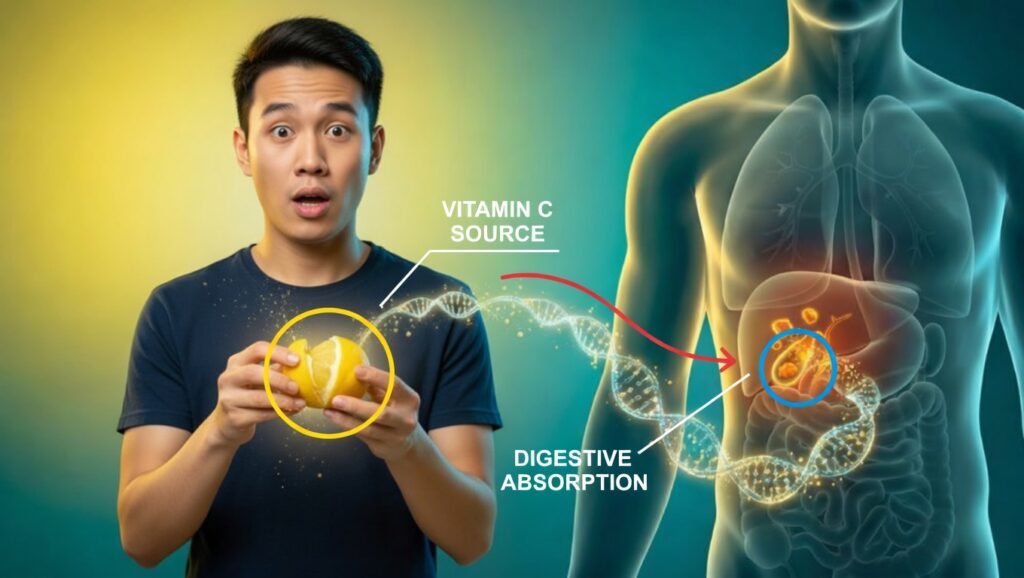
The Citrus Compound That Melted Gallstones: What the Research Really Shows
Imagine a natural substance that, in a major clinical trial, dissolved more than 70% of gallstones in just three weeks—not just shrinking them, but breaking them down completely. This isn’t science fiction. It’s real research involving a compound almost never mentioned in conventional conversations about gallbladder health.
If you or someone close to you has dealt with the stabbing pain of a gallbladder attack, thick “sludge,” nausea after eating fatty meals, or a nagging tightness under the right rib cage, understanding this compound could be extremely valuable for you.
In this guide, we’ll unpack the science behind this little-known therapy, explain how the compound works, and clarify what you can and cannot realistically expect from supplements. The original medical procedure was drastic, but the underlying biology offers powerful clues for protecting your gallbladder and improving digestion. The insights below are based in part on the work of Felix Harder.
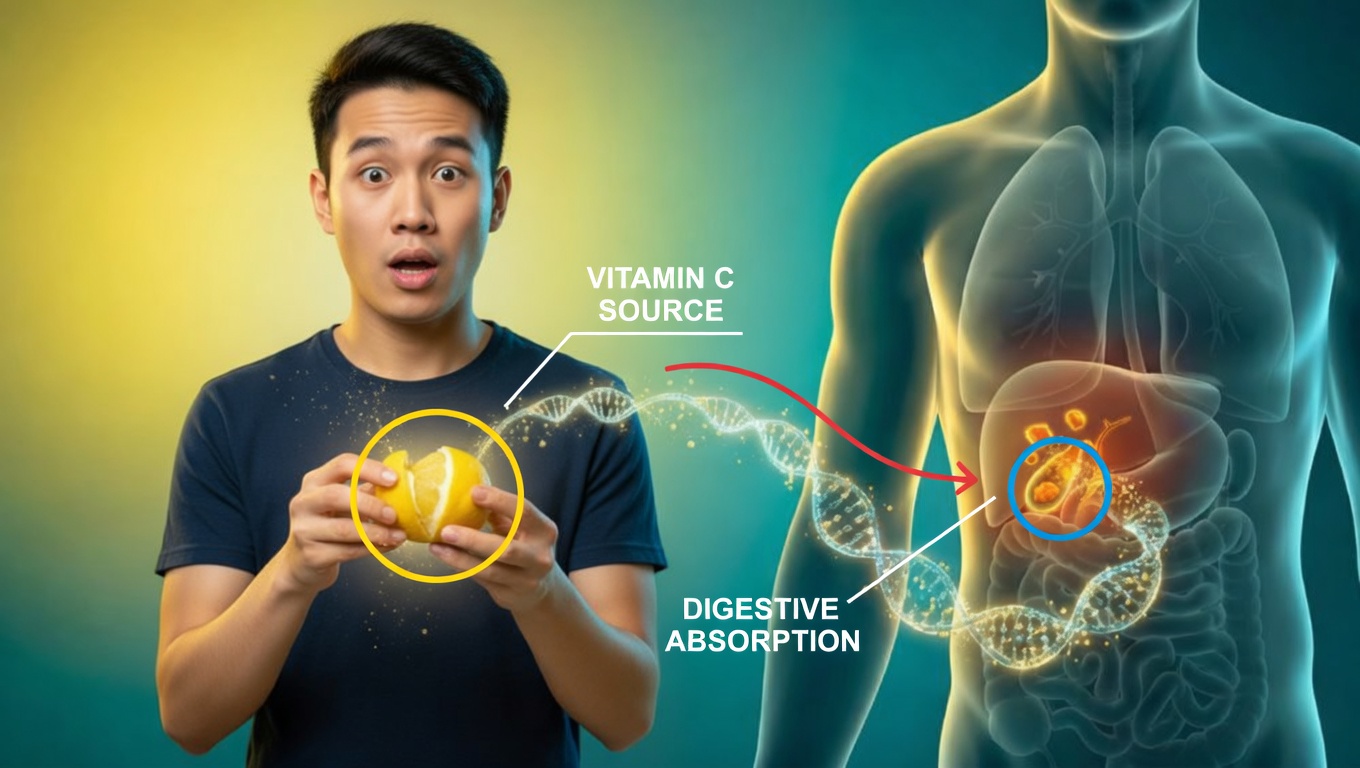
Key Takeaways
-
Historic Clinical Trial: In the 1970s, Japanese surgeons infused a compound called d-limonene directly into patients’ bile ducts and successfully dissolved about 70.5% of gallstones.
-
What D-Limonene Is: D-limonene is a natural molecule found in high amounts in citrus peels (orange, lemon, lime, grapefruit). It acts as a strong cholesterol solvent.
-
Supplements vs. Direct Infusion: Swallowing d-limonene capsules does not reproduce the same gallstone-dissolving effect seen in the study. The original treatment bypassed digestion and applied nearly pure d-limonene straight onto the stones.
-
Realistic Benefits of Oral Use: Taken by mouth, d-limonene can still be highly helpful—supporting bile flow, digestion, heartburn relief, and gut inflammation—which all indirectly benefit gallbladder health.
-
How to Use It in Daily Life: You can obtain d-limonene from citrus zest and peel or from dietary supplements to help address some of the underlying issues that contribute to gallstone formation.
1. The Little-Known 1970s Trial That Dissolved Gallstones
In the 1970s and early 1980s, a team of Japanese surgeons were dealing with a stubborn problem. After gallbladder removal surgery (cholecystectomy), many patients came back with remaining stones stuck in the bile ducts. These leftover stones were often the worst ones—wedged in small ducts, causing ongoing pain, infections, and serious complications.
Many of these patients could not safely undergo another operation. They were elderly, medically fragile, or their stones were located in places that were too dangerous to access surgically. Faced with limited options, the surgeons joined forces with pharmacologists and decided to try something radical.
They began infusing a solution consisting of 97% pure d-limonene directly into the bile ducts through a T-tube (a drainage tube left in place after surgery). When this highly concentrated citrus-derived liquid directly bathed the gallstones, the outcome was remarkable:
- 96 patients experienced complete dissolution of their stones.
- 29 additional patients had partial dissolution; their stones became soft enough to be removed easily with simple instruments.
- When d-limonene was combined with another agent, the overall success rate reached about 70.5%.
- In patients whose stones were tested in advance to confirm they would respond, success rose to over 80%.
- Most stones broke down within approximately three weeks.
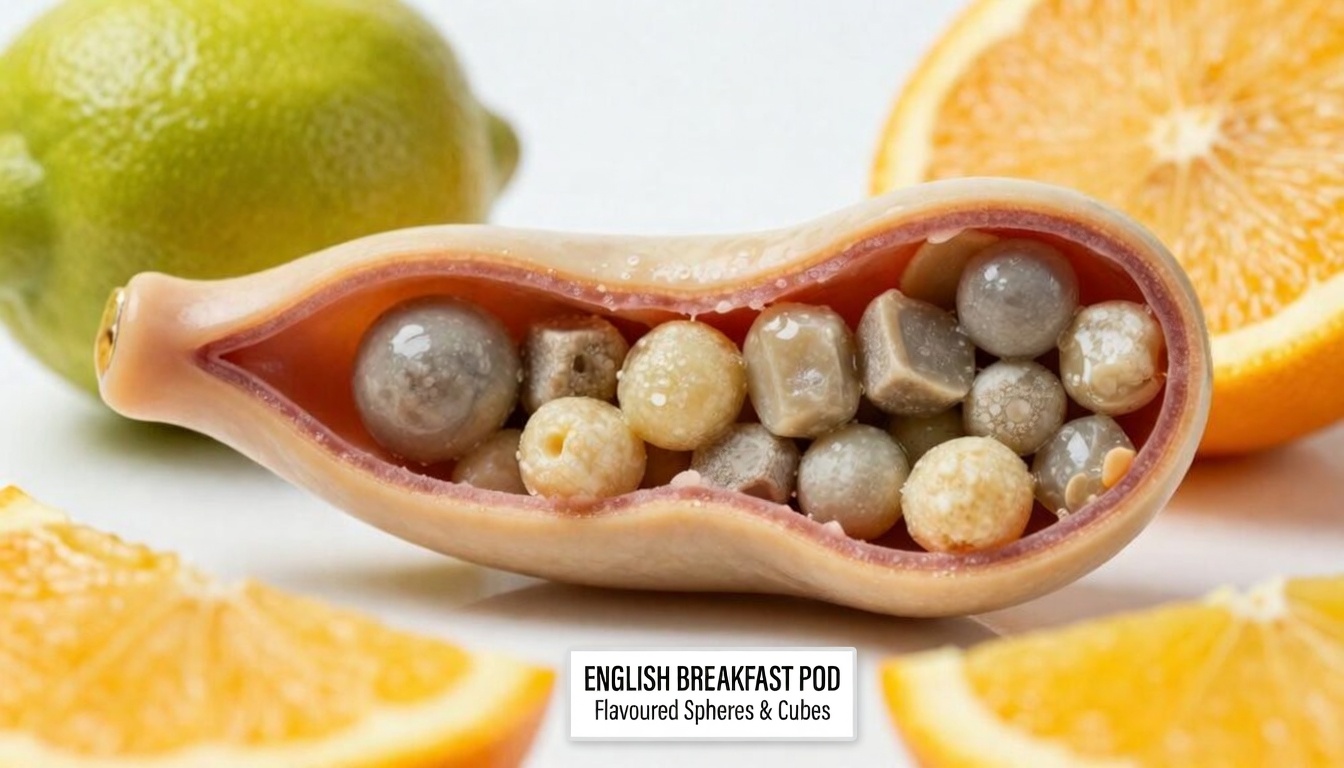
Side effects were generally mild, often limited to temporary abdominal discomfort during the infusion. Despite the invasive nature of the technique, the trial demonstrated something extraordinary: concentrated d-limonene can chemically dissolve many gallstones when applied directly.
2. What Exactly Is D-Limonene and How Does It Work?
D-limonene is a natural compound (a terpene) most abundant in the rind of citrus fruits. It’s not found in large amounts in the juicy pulp, but rather in the peel—the part we typically discard.
You’ve seen d-limonene in action if:
- You’ve peeled an orange and noticed a fine spray or mist come off the skin.
- You’ve zested a lemon and your kitchen instantly smelled bright and citrusy.
That fresh aroma comes largely from d-limonene.
Why It Matters for Gallstones
The key to its effect on gallstones lies in its chemistry:
- D-limonene acts as a strong solvent for cholesterol.
- Around 80% of gallstones are primarily made of solidified cholesterol, not calcium or pigment.
When nearly pure d-limonene was infused directly onto these cholesterol-rich stones in the Japanese study, it functioned almost like a natural degreaser:
- Softening the hardened cholesterol
- Breaking the stones apart
- Turning them into a soft, mushy material that the body could more easily flush out
This direct solvent action is what produced the dramatic results in the clinical trial.
3. Why This Never Became a Standard Gallstone Treatment
If the results were so impressive, why hasn’t d-limonene infusion become a routine therapy?
There are several practical reasons:
-
Highly Invasive Delivery
The procedure requires surgically placing a tube into the bile ducts and infusing a solvent directly inside. This is not a simple or low-risk treatment. It’s only appropriate in very specific medical situations. -
Advances in Other Techniques
Around the same time, technologies such as endoscopic retrograde cholangiopancreatography (ERCP) were rapidly improving. These methods allow doctors to mechanically remove stones using endoscopes and specialized tools, often with fewer risks than leaving a tube in place for extended solvent infusions. -
Risk–Benefit Balance
For most patients, modern endoscopic and surgical techniques now offer a safer, more predictable route compared to long infusion procedures.
Even though the method never became mainstream, the core lesson from the trial remains important: d-limonene is a powerful cholesterol solvent, and that biology is highly relevant to gallbladder and digestive health.
4. Can D-Limonene Supplements Dissolve Existing Gallstones?
This is the crucial question for most people: if you take d-limonene by mouth, can it dissolve your gallstones the way it did in the study?
In realistic terms, probably not. And understanding why is essential.
In the Japanese trial, three things made the treatment unique:
- The solution was 97% pure d-limonene
- It was delivered directly onto the stones
- It stayed in close contact with them for an extended period
By contrast, when you take a d-limonene capsule orally, several things happen that prevent the same effect:
-
Metabolism in the Liver
After absorption in the gut, d-limonene travels to the liver, where much of it is broken down into other compounds. Only a small fraction remains in its original form. -
Massive Dilution in Bile
Any d-limonene that does reach the bile becomes heavily diluted. The concentration is nowhere near the almost pure solution used in the trial and is not high enough to dissolve hardened stones. -
No Direct Targeting
Supplements circulate throughout the body. You cannot direct the d-limonene to a specific stone lodged deep in a bile duct. The stones usually sit in small pockets where the compound, in such low concentration, simply cannot contact them in a meaningful way.
So, while oral d-limonene is beneficial for digestion, it will not replicate the dramatic stone-dissolving effect seen with direct bile duct infusion.
5. The Real Benefits of Oral D-Limonene for Digestive and Gallbladder Health
Even though swallowing d-limonene won’t melt away existing stones, it can still be a valuable tool for supporting gut and gallbladder health and helping prevent future problems.
By improving overall digestion and bile function, many people experience fewer symptoms such as bloating, heaviness, and gallbladder discomfort.
Here are the main evidence-based benefits:
5.1 Helps Reduce Heartburn and Acid Reflux
Small human studies suggest that d-limonene can help relieve acid reflux and heartburn. It is thought to:
- Form a light, protective coating in the esophagus
- Improve esophageal motility, helping keep stomach contents where they belong
- Potentially support the normal function of the lower esophageal sphincter
Many users report less burning, regurgitation, and discomfort after regular use.
5.2 Supports Healthy Digestive Motility
D-limonene appears to help food move more smoothly through the digestive tract. This can translate into:
- Less bloating and gas
- Less “heavy,” overfull feeling after meals
- Reduced pressure and discomfort under the right rib cage for some individuals
Better motility means less stagnation, which is important for gallbladder health.
5.3 Promotes Normal Bile Flow and Fat Digestion
For the gallbladder, perhaps the most important role of d-limonene is its ability to support bile flow:
- Encourages the normal release of bile
- Helps emulsify and digest dietary fats more efficiently
- Reduces the risk of bile becoming thick, sludgy, and stagnant
Healthier bile dynamics mean less sludge and a lower likelihood of cholesterol crystallization, which is the early step in forming new gallstones.
5.4 May Help Lower Gut Inflammation
Animal and preliminary research indicates that d-limonene has anti-inflammatory and antioxidant properties within the digestive tract. While more human data is needed, this could mean:
- Calmer, less irritated gut tissue
- Better overall digestive comfort over time
Taken together, these effects make d-limonene a useful indirect ally in maintaining gallbladder and digestive health—even if it doesn’t directly dissolve existing stones.
6. How to Use D-Limonene from Foods and Supplements
While the clinical trial relied on a medical infusion, most people will encounter d-limonene through diet or dietary supplements.
6.1 Natural Food Sources
You can increase your intake of naturally occurring d-limonene by using:
- Citrus zest (grated peel of oranges, lemons, limes, and grapefruits)
- Strips of organic citrus peel in teas, infusions, or as flavoring in recipes
Because the peel is where d-limonene is concentrated, try to choose organic citrus when using the zest to reduce exposure to pesticide residues.
6.2 D-Limonene Supplements
D-limonene is also sold as a standalone supplement, often marketed for heartburn relief or digestive support. Typical products come in capsule or softgel form.
General guidelines:
- Always follow the dosage instructions on the label.
- Discuss use with a healthcare professional, especially if you:
- Have known gallstones or bile duct obstruction
- Are pregnant, breastfeeding, or on prescription medications
- Have liver disease or serious digestive disorders
D-limonene supplements should not be used as an emergency treatment for acute gallbladder attacks or as a replacement for medical care.
The Bottom Line
- A fascinating 1970s trial showed that highly concentrated, directly infused d-limonene could dissolve a large percentage of gallstones within weeks.
- This procedure never became standard due to its invasiveness and the rise of safer endoscopic techniques, but it revealed how potent d-limonene is as a cholesterol solvent.
- Oral d-limonene supplements do not dissolve existing gallstones the way the infusion did, because of metabolism, dilution, and lack of direct contact with stones.
- However, taken by mouth, d-limonene can still be a powerful tool for supporting digestion, bile flow, and gallbladder function, helping reduce the conditions that encourage stone formation in the first place.
Used wisely—through citrus-rich foods and, when appropriate, supplements—d-limonene can be an effective part of a broader strategy to support long-term digestive and gallbladder health.