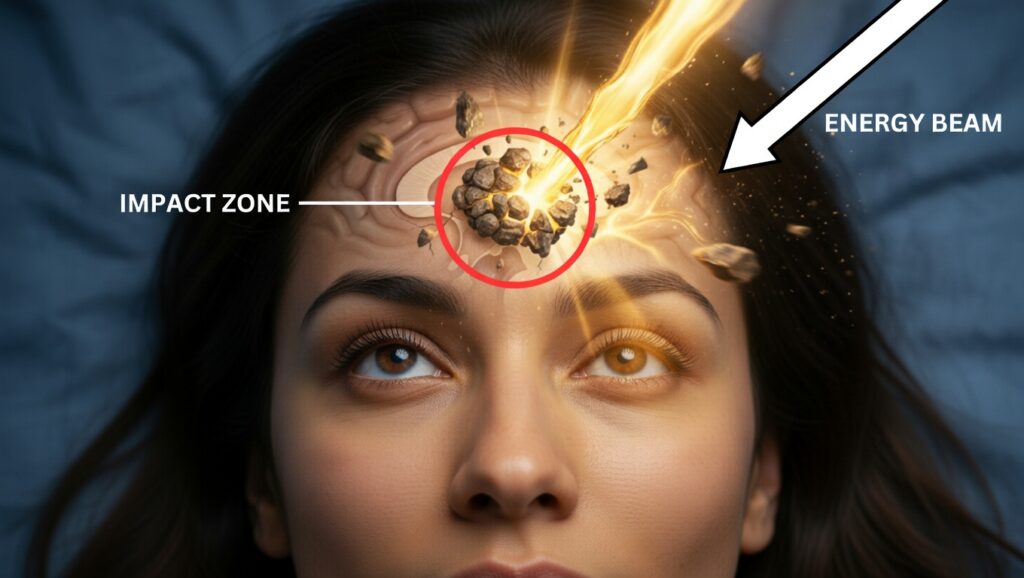
Decalcify Your Pineal Gland: Three Core Pillars for Better Sleep, Mood, and Brain Health
If you struggle with insomnia, migraines, mood swings, or ongoing anxiety, you might have encountered the term “pineal gland calcification” while searching for answers. It’s a controversial topic.
- Conventional medicine generally acknowledges that the pineal gland often shows calcifications on CT scans, but typically views them as benign and unimportant.
- Holistic and spiritual communities, in contrast, often attribute a wide range of issues—poor sleep, low intuition, and a “blocked third eye”—to a calcified pineal gland.
Reality sits somewhere between these extremes.
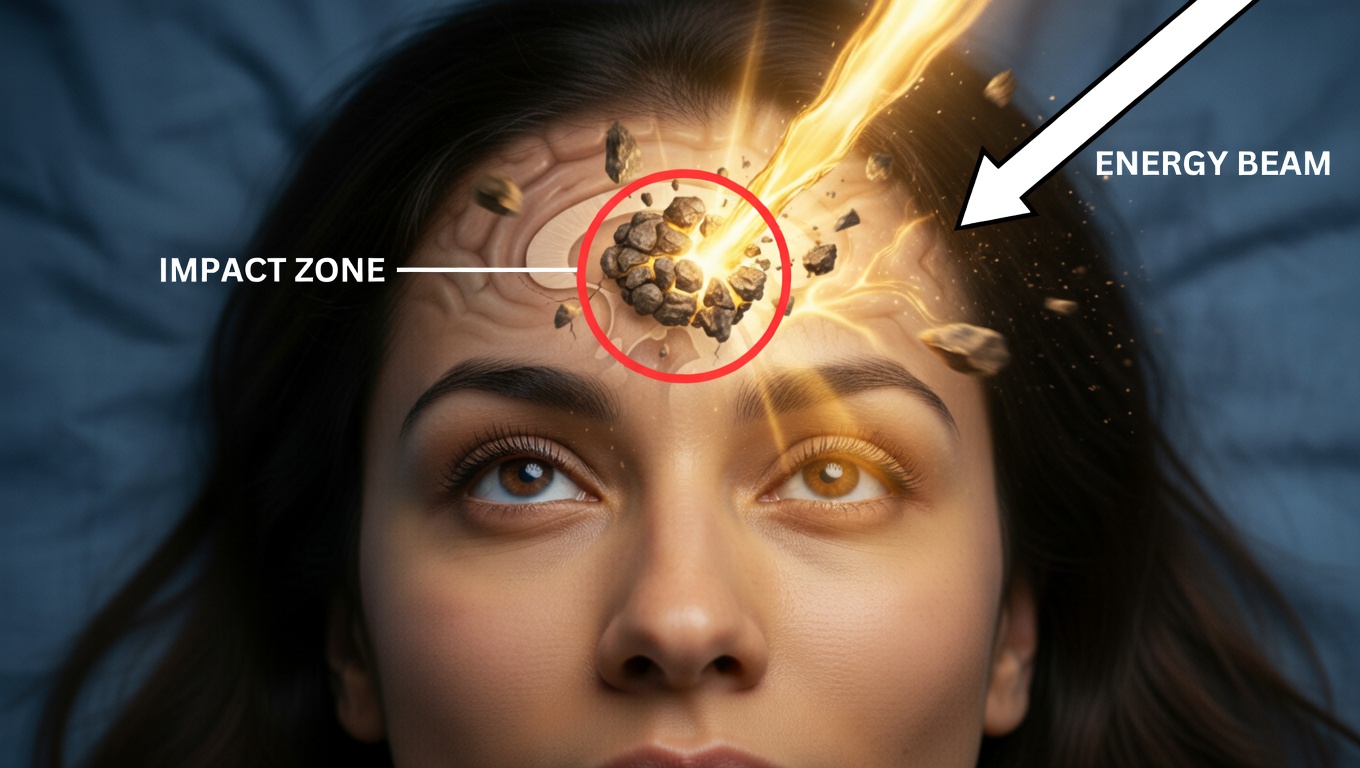
Pineal gland calcification is a genuine biological process in which calcium phosphate crystals accumulate in the pineal gland. Many popular detox or “decalcification” methods oversimplify the issue, but the concern itself is valid. This tiny gland plays a central role in melatonin production, circadian rhythm regulation, and overall brain health.
The encouraging news: evidence-based strategies can support the reversal of inappropriate calcification. It’s not as simple as taking a single miracle supplement. You need to understand the body’s calcium-handling system, inflammation pathways, and brain detox mechanisms to build an effective protocol.
This guide, inspired by the work of Felix Harder, explains three essential pillars to help decalcify the pineal gland and support better brain function.
Key Takeaways
-
Pineal Gland Calcification Is Real
It is a common, age-related change visible on imaging scans. Higher calcification is associated with reduced melatonin production, which may influence sleep, mood, and resilience to stress. -
Reversal Requires a Systemic Approach
No single pill can “dissolve” calcification. You must restore your body’s entire calcium metabolism and supporting systems. -
Three Pillars Work Best Together
An effective strategy includes:- Optimizing calcium handling
- Reducing neuroinflammation
- Enhancing the brain’s waste clearance system
-
Lifestyle Has a Huge Impact
Sleep quality, light exposure, diet, and daily habits can influence melatonin and brain health as much—or more—than calcification itself.
Pillar 1: Optimize Calcium Handling to Reverse Tissue Calcification
Calcification in tissues such as arteries, joints, and the pineal gland doesn’t appear overnight. It develops slowly over years as calcium is deposited where it does not belong. Interestingly, you can have both calcified soft tissues and fragile bones at the same time. This reveals a crucial truth: the problem is not simply “too much calcium,” but calcium being mismanaged and misdirected.
Because of this, simply adding Vitamin K2 is not enough—though it is important.
Why Vitamin K2 Matters (But Isn’t the Whole Story)
Vitamin K2 activates specific proteins (such as osteocalcin and matrix Gla protein) that help shuttle calcium into your bones and keep it out of soft tissues. It can slow the progression of calcification, but reversing long-standing buildup requires a much more comprehensive fix.
To truly improve calcification, you must restore the entire calcium-regulation system, which includes multiple steps:
Step 1: Digestion – Releasing Minerals from Food
Calcium handling begins in the digestive tract. If you don’t break down food properly, you won’t free up minerals like calcium in the first place.
- Low stomach acid impairs protein breakdown and mineral release.
- Adequate protein, zinc, and B vitamins—especially Vitamin B6—are required for healthy stomach acid and enzyme production.
Step 2: Absorption – Getting Calcium Into the Blood
Once released from food, calcium still needs help to cross the intestinal wall.
- Vitamin D is essential for calcium absorption in the gut.
- If your Vitamin D levels are low (which is common), you can consume plenty of calcium and still absorb very little.
Step 3: Transport and Utilization – Sending Calcium to the Right Place
After absorption, calcium circulates in the bloodstream and must be directed into bone and teeth, not soft tissues.
- Magnesium is critical here. It:
- Keeps calcium in a soluble form.
- Helps prevent calcium from crystallizing in arteries, the pineal gland, and other soft tissues.
- Low magnesium can dramatically increase the risk of inappropriate calcification.
- Sodium and potassium also help maintain proper mineral balance and electrical gradients in cells.
Other Key Nutrients for Calcium Metabolism
To repair the system, support all key co-factors:
- Vitamin A – Helps regulate genes involved in calcium transport and bone remodeling.
- Boron – Supports the interaction between calcium, magnesium, and Vitamin D.
A simple, informational example of a nutrient “stack” often used to support healthy calcium metabolism includes:
- Magnesium: 300–500 mg per day
- Vitamin K2: 100–200 mcg per day
- Boron: ~3 mg per day
- Vitamins A and D: for example, from cod liver oil (dose depends on product and individual needs)
Always consider personal health conditions and consult a qualified practitioner before changing supplements.
Mechanical Signal: Give Your Body a Reason to Use Calcium Correctly
Nutrients alone are not enough. Your body needs a signal to drive calcium into the skeleton:
- Resistance training (weights, bands, or bodyweight exercises) places healthy load on bones.
- This mechanical stress tells your body to build stronger bone tissue and use calcium where it belongs.
Iodine, Fluoride, and the Pineal Gland
The pineal gland can accumulate fluoride, which may promote calcium deposition and accelerate calcification. Iodine can help displace fluoride from tissues, but it must be used carefully.
- Never take high-dose iodine in isolation.
- Selenium is essential to balance iodine and protect the thyroid.
A cautious approach might look like:
- Start with about 100 mcg of selenium daily for a few weeks.
- Then introduce a low dose of iodine (around 150 mcg) and monitor how you feel.
Again, personalized medical advice is important before using iodine, especially if you have thyroid issues.
Pillar 2: Reduce Neuroinflammation
For many years, calcification was assumed to be a passive, inevitable part of aging. Research now shows a close relationship between inflammation and mineral deposits in the brain.
Calcium crystals and other mineral deposits can activate immune pathways in the brain, driving chronic, low-level inflammation, known as neuroinflammation. This inflammatory state, in turn, encourages further mineral buildup. The result is a self-perpetuating cycle:
- Mineral deposits increase inflammation.
- Inflammation alters tissue chemistry.
- That altered environment attracts more mineral accumulation.
So calcification is not merely a mineral issue—it is also an inflammation issue. Even if your calcium metabolism is optimized, failing to address neuroinflammation is like adjusting your thermostat while the house is on fire.
Common Triggers of Neuroinflammation
The main drivers of brain inflammation are widespread in modern lifestyles:
- Poor sleep or chronic sleep deprivation
- High sugar intake and frequent blood sugar spikes
- Ultra-processed foods and damaged fats (e.g., many seed oils fried at high temperatures)
- Chronic stress and elevated cortisol
These factors all amplify inflammatory signaling in the brain and can worsen the calcification-inflammation cycle.
Polyphenols: Food-Based Allies Against Brain Inflammation
You have effective tools to calm neuroinflammation, many of which come directly from food. Polyphenols, a class of plant compounds, can help modulate inflammatory pathways in the brain.
Rather than relying solely on pills, prioritize whole-food sources:
- Quercetin
- Found in: capers, red onions, apples.
- Curcumin
- The active component in turmeric.
- Absorption is low, so pair it with:
- A source of fat (e.g., olive oil, coconut milk), and
- A pinch of black pepper (piperine) to enhance bioavailability.
- Resveratrol
- Found in: red grape skins, blueberries, blackberries.
- Licorice
- Available in: licorice root tea (avoid excessive intake and be cautious if you have high blood pressure).
By consistently reducing neuroinflammation, you create a more stable brain environment that is less prone to ongoing calcification. Many people notice improvements in mood, mental clarity, and overall well-being long before any imaging could detect structural changes.
Pillar 3: Enhance Brain Waste Elimination (The Glymphatic System)
The brain has its own specialized cleansing network called the glymphatic system. Although only described relatively recently, it plays a central role in brain health.
The glymphatic system:
- Is most active during deep, slow-wave sleep.
- Clears out:
- Metabolic waste products
- Excess proteins
- Inflammatory byproducts and toxins that contribute to neuroinflammation
Think of it as your brain’s nightly “detox and repair” cycle.
How the Glymphatic System Relates to Calcification
The glymphatic system does not directly flush out solid calcium deposits. However, it significantly influences the environment that either promotes or discourages further calcification:
- Efficient waste removal reduces chronic inflammation.
- Lower inflammation helps break the vicious cycle that encourages crystal formation.
When glymphatic function is impaired:
- Metabolic waste accumulates.
- Neuroinflammation increases.
- The risk of additional calcification rises.
This demonstrates how all three pillars—calcium handling, inflammation control, and waste clearance—are interconnected.
Why Sleep Quality Is More Important Than Just Sleep Quantity
Deep, slow-wave sleep is when glymphatic activity peaks. This stage:
- Dominates the early part of the night, which is why:
- Going to bed well before midnight often improves deep sleep.
- Is disrupted by:
- Frequent awakenings
- Fragmented sleep
- Irregular sleep schedules
So, it is not only about getting 7–9 hours of sleep but also about ensuring those hours include sufficient deep sleep.
Supporting Your Glymphatic System
To keep your brain’s cleanup crew running smoothly:
- Prioritize consistent, high-quality sleep
- Go to bed and wake up at similar times daily.
- Create a dark, cool, quiet sleep environment.
- Avoid screens and bright light in the hour before bed when possible.
- Nutritional support
- Zinc has been associated with better glymphatic function.
- Omega-3 fatty acids (from fatty fish, algae oil, flax, chia) support brain cell membranes and reduce inflammation.
- Curcumin again helps lower the inflammatory load the glymphatic system must manage.
Bonus: The Overlooked Power of Light
There is an optional “fourth pillar” that can strongly influence all your other efforts: light exposure.
The pineal gland is tightly linked to your circadian rhythm and responds to light-dark cycles:
- Bright light in the morning helps anchor your internal clock, boosts daytime alertness, and improves nighttime melatonin production.
- Excessive blue light at night (from screens, LEDs, and overhead lighting) can:
- Suppress melatonin
- Disrupt deep sleep
- Impair glymphatic function
- Indirectly worsen neuroinflammation and calcification risk
By managing your light environment—seeking natural daylight early in the day and minimizing artificial light exposure in the evening—you can significantly improve the effectiveness of the three core pillars.
Bringing It All Together
Decalcifying the pineal gland is not about a single detox, supplement, or quick fix. It is about restoring balance to three fundamental systems:
- Calcium Handling – Ensuring minerals are digested, absorbed, and used correctly, so calcium goes to your bones instead of soft tissues.
- Neuroinflammation Control – Reducing diet- and lifestyle-driven inflammation that fuels mineral deposits.
- Brain Waste Clearance – Supporting the glymphatic system through quality sleep and targeted nutrients.
Layering on a fourth element—smart light exposure—can further enhance your melatonin levels, sleep, and overall brain health.
By addressing these pillars together, you build a strong foundation for better sleep, mood, stress resilience, and long-term brain function, while giving your body the best chance to gradually reverse inappropriate pineal gland calcification.