
While a fresh manicure can smooth over small bumps, even the glossiest nail polish cannot conceal health issues that may be developing inside your body.
Your fingernails often provide clues about your overall wellbeing. Noticeable changes or unusual patterns can sometimes point to potential concerns involving major organs such as the liver, lungs, or heart.
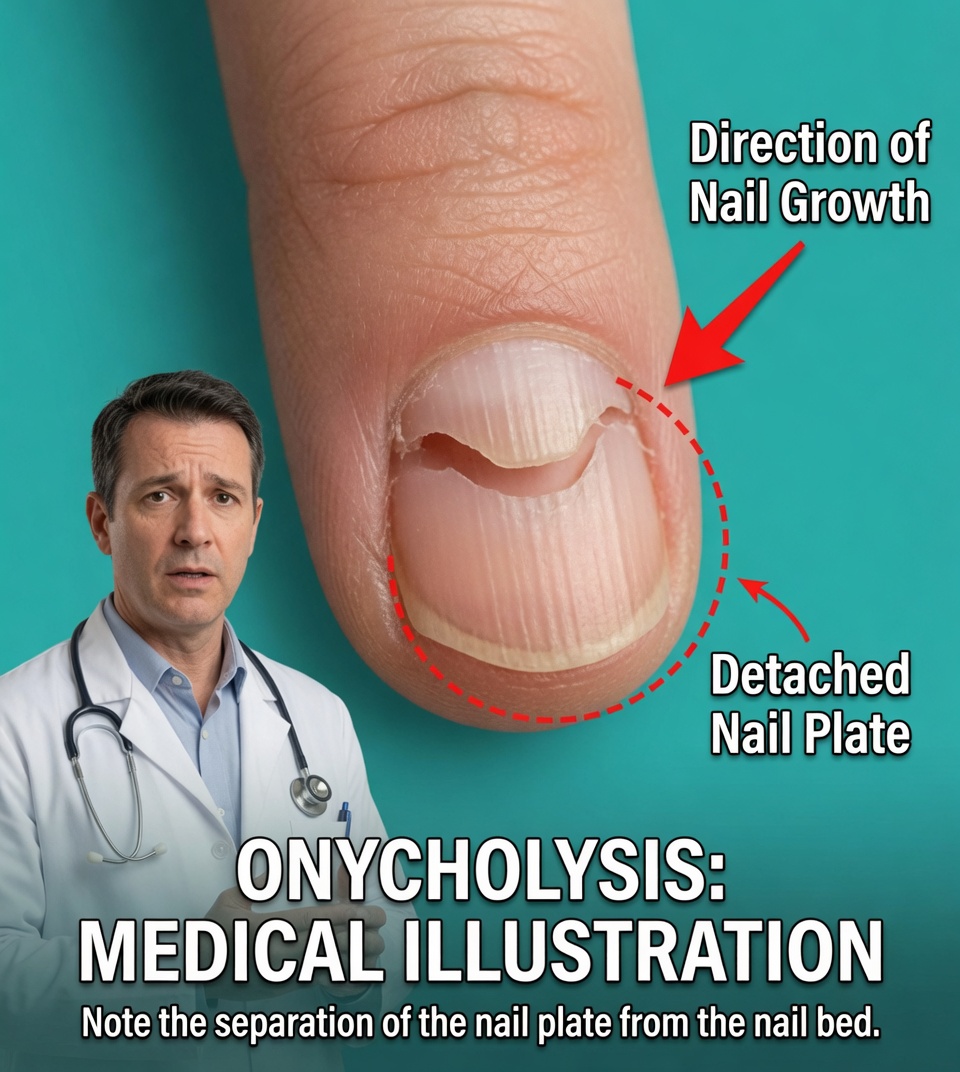
Nail appearance frequently reflects what’s happening internally. When your nails change, it may be part of normal aging, but it can also signal an underlying health condition. The National Library of Medicine (NCBI) notes that while fingernail stripes are often harmless, nail ridges can sometimes hint at more serious systemic health problems.
Nail Stripes: What They Can Mean
Below are the most common types of nail stripes, what they may indicate, and when it’s worth speaking with a healthcare professional.
Vertical Stripes (Longitudinal Ridges)
Vertical stripes, also called longitudinal ridges, usually run from the cuticle to the tip of the nail. They are very common and are often linked to aging, as nail texture tends to change over time.
In some cases, more pronounced vertical ridging may be associated with nutritional deficiencies, including low levels of:
- Vitamin B12
- Magnesium
- Iron
Vertical ridges are typically harmless. However, if they appear suddenly, deepen quickly, or look significantly different than usual, it may be sensible to check for possible issues such as anemia or thyroid disorders.
Horizontal Stripes (Beau’s Lines)
Horizontal grooves, known as Beau’s lines, are more likely to be connected to a specific disruption in the body. These indentations can develop after injury to the nail, but they may also appear following serious illness or medical conditions.
Potential associations include:
- Malnutrition
- Uncontrolled diabetes
- Heart attack
- Respiratory disease
These lines often form when the body experiences intense stress or illness and temporarily slows or pauses nail growth.
According to the NCBI, an abrupt onset of these grooves may indicate a sudden illness. When Beau’s lines are visible across all 20 nails, they are more often linked to a systemic condition such as mumps, pneumonia, coronary thrombosis, Kawasaki disease, syphilis, or hypoparathyroidism.