Can Gray Hair Really Turn Back to Its Original Color?
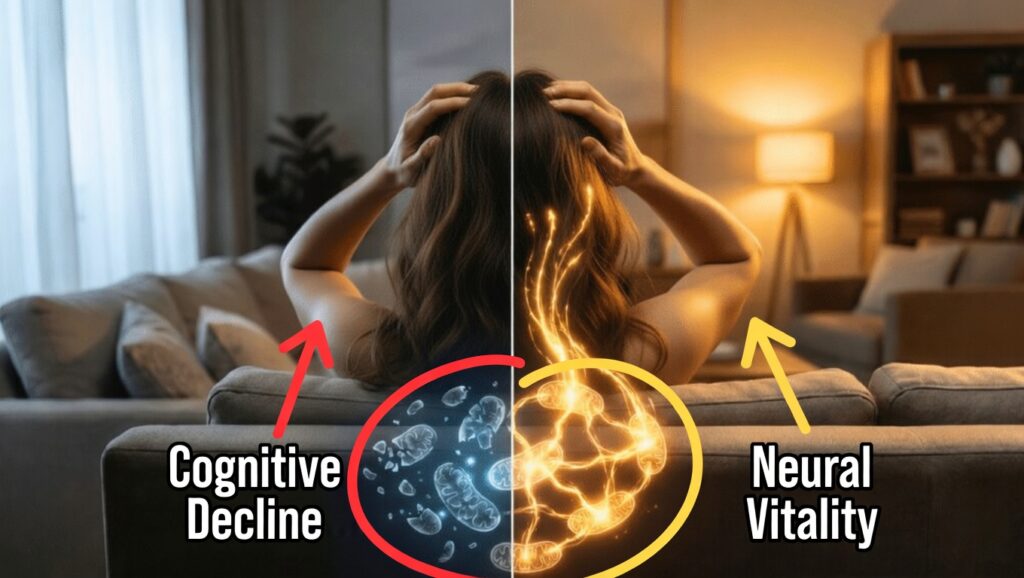
You glance in the mirror and spot a new gray hair. You wonder: can this actually go back to its natural color? Or you notice that after a brutally stressful month, your hair looks noticeably grayer. This isn’t just folklore—emerging research suggests that aspects of aging, including hair graying, may be surprisingly reversible. The key lies deep inside your cells, in tiny structures called mitochondria.
Before you accept gray hair, fatigue, and decline as “just aging,” it’s worth looking at what scientists like Dr. Martin Picard and Dr. Andrew Huberman are discovering. Their work shows that the way you eat, move, think, and handle stress can influence how quickly—or slowly—your body ages at the cellular level.
Get ready for a science-based, hopeful perspective on gray hair, energy, and longevity.
Key Takeaways
- In some cases, gray hair can partially reverse—stress and lifestyle are major factors.
- Mitochondria do much more than generate energy; they act as a bridge between your mental state and physical health.
- Your thoughts, exercise habits, and stress levels can speed up or slow down biological aging.
- Daily routines shape your energy, resilience, and even the appearance of your hair.
- Aging is not a simple, steady decline—it can stall, accelerate, or even partly reverse depending on your behaviors.
1. Gray Hair Isn’t Always Permanent
Many people assume that once hair turns gray, it stays gray forever. Research now suggests that this isn’t entirely true. In some individuals, reducing stress has led to a partial return of natural hair color.
Each hair strand grows from a follicle that acts like a biological “logbook,” recording shifts in your internal environment. While genetics do matter, scientists estimate that only about 7–10% of aging is strictly genetic, leaving up to 90% influenced by lifestyle and environment.
That means your hair color may be shaped as much by your stress levels and habits as by your family genetics.
2. Stress Can Speed Up—or Slow Down—Aging
We all know chronic stress is harmful, but few realize it can show up in something as visible as gray hair.
When you’re under stress, your body reallocates resources: hormone levels change, inflammatory processes ramp up, and cellular functions shift. Hair follicles are affected by these changes. When stress is reduced, some people have observed gray hairs regaining pigment.
Scientists are still uncovering the exact mechanisms, but the trend is clear: stress management supports healthier cells—including the cells responsible for hair color.
3. Mitochondria: More Than “Powerhouses”
You may have learned in school that mitochondria are the “powerhouses of the cell.” Modern research adds a new twist: they also behave like “energy antennas.”
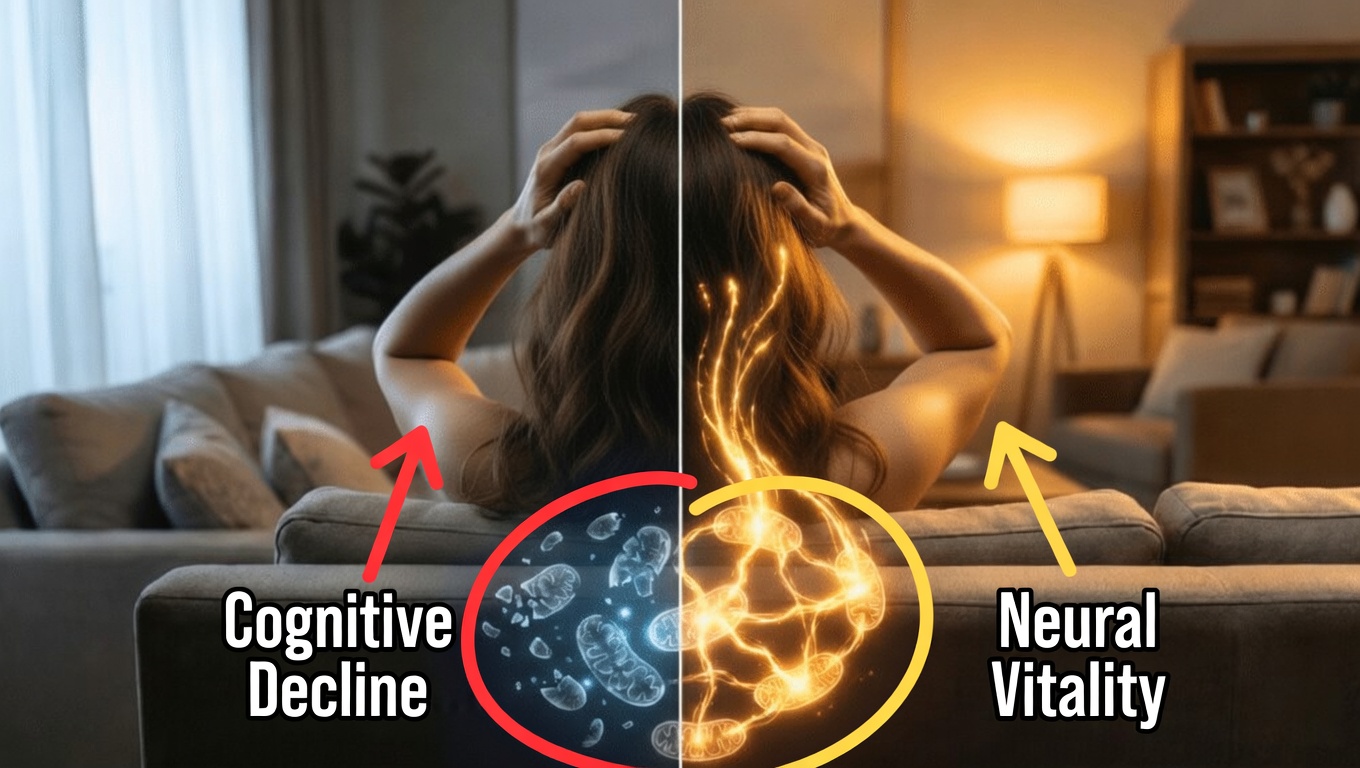
According to work by Dr. Picard and others, mitochondria respond not only to nutrients and physical activity, but also to your thoughts, emotions, and stress levels. They sense these signals and translate them into changes in tissues throughout your body—brain, muscles, heart, and even hair follicles.
In other words, your mindset and daily behaviors are constantly sending instructions to your mitochondria, which then influence how your body functions and ages.
4. Energy = Capacity for Change
Energy is not just calories in food or a jolt from your morning coffee. In biological terms, energy is your capacity to adapt and change.
Life is about the flow and transformation of energy. When this flow is smooth, you feel alive, motivated, and resilient. When it’s disrupted by chronic stress, poor sleep, inactivity, or low-quality nutrition, your body operates below its potential.
That internal energy imbalance can show up as fatigue, brain fog, reduced motivation—and outward signs of aging like accelerated hair graying.
5. Mitochondria Are Identical—But Their Jobs Differ
Genetically, mitochondria across your body are the same. However, what they actually do in each organ is highly specialized.
- In the heart, mitochondria provide continuous energy for pumping blood.
- In the brain, they support thinking, memory, and emotional regulation.
- In muscles, they power movement and physical endurance.
How well these mitochondria perform depends on the demands you place on them. Exercise, mental challenges, and even emotional experiences shape how your mitochondria adapt and function. Your daily choices literally train your mitochondria.
6. You Inherit Your Mitochondria from Your Mother
One intriguing biological detail: all your mitochondria are maternally inherited—they come from your mother’s egg cell.
This matters because mitochondrial function is closely linked to longevity and resistance to diseases such as Parkinson’s and Alzheimer’s. Many studies find stronger connections between lifespan and maternal lineage than paternal.
However, inheritance is just the starting point. Your lifestyle—diet, movement, sleep, stress management—can either support or strain the mitochondria you were born with.
7. Mitochondrial Diversity: A Cellular Social Network
Mitochondria aren’t isolated units. They behave more like members of a dynamic social network inside your cells.
They can:
- Divide into smaller units
- Fuse together
- Share components and resources
This constant reshaping allows them to adapt to changing demands in different tissues. As a result, mitochondria in separate organs—or even in different regions of the same muscle—can have distinct roles.
When this internal network functions smoothly, your cells are more resilient, better able to repair damage, and more capable of resisting age-related changes—including the processes that lead to gray hair.
8. Your Actions Sculpt Your Energy—and Your Appearance
Your lifestyle choices directly influence how many mitochondria you have and how effectively they work.
Examples:
- Exercise: Regular endurance training can significantly increase mitochondrial number and efficiency in muscle tissue.
- Strength training: Builds more powerful muscle fibers that demand robust mitochondrial support.
- Mental challenges: Learning new skills, problem-solving, and creative work stimulate mitochondrial activity and growth in the brain and nervous system.
In simple terms: staying physically active and mentally engaged helps preserve youthful energy, which can also affect how you look and feel as you age.
9. Aging Doesn’t Always Move in a Straight Line
We often imagine aging as a smooth, consistent decline over time. In reality, it’s more like a staircase—with sudden drops or plateaus.
Life events, stress, illness, lifestyle changes, and even shifts in mindset can cause:
- Rapid decreases in energy, health, or appearance
- Periods of stability
- Occasional improvements or “rejuvenation” in certain functions
This means there are many moments in life when you can pause, slow, or partially reverse aspects of aging by changing your behaviors and environment.
10. How Mindset and Emotions Affect Your Mitochondria
Your mental and emotional state doesn’t just stay in your head—it feeds back into your biology.
- Depression is often associated with low energy, lack of motivation, and a sense of being “stuck.” These signs may reflect impaired mitochondrial function and disrupted energy flow.
- Positive anticipation, purpose, and excitement tend to align with higher vitality, reflecting healthier energy production at the cellular level.
Practices such as mindfulness, gratitude, therapy, and breathwork are not just “feel-good” tools—they send tangible signals to your mitochondria, helping restore and maintain energy.
11. It’s About More Than Diet and Sleep
Nutrition and rest are essential foundations, but they’re only part of the picture if you want to protect your mitochondria and slow biological aging.
A truly supportive approach includes:
- Physical challenge (exercise, movement, strength)
- Mental challenge (learning, problem-solving, creativity)
- Emotional health (stress management, emotional regulation)
- Social connection (relationships, community, support)
- Purpose and meaning (having reasons to act, grow, and engage)
Think of yourself not as a fixed “machine,” but as an ongoing process of energy flow, continually shaped by what you do, how you think, and how you live.
12. Daily Habits to Support Longevity, Energy, and Even Hair
If you want to support mitochondrial health, boost your vitality, and potentially influence gray hair, focus on these science-informed habits:
-
Move regularly
- Combine aerobic activity (walking, running, cycling, swimming) with strength training.
-
Choose nutrient-dense foods
- Emphasize whole, minimally processed foods rich in antioxidants (vegetables, fruits, healthy fats, quality proteins).
-
Practice stress reduction
- Try meditation, yoga, breathwork, prayer, journaling, or time in nature.
-
Protect your sleep
- Aim for consistent sleep and wake times, a calming pre-bed routine, and a dark, cool sleeping environment.
-
Challenge your brain
- Learn new languages, instruments, skills, or topics; engage in creative or analytical work.
-
Stay socially connected
- Nurture relationships, join groups, and seek positive, supportive interactions.
-
Build positive momentum
- Set small goals, notice progress, and celebrate incremental wins to reinforce a sense of growth and vitality.
Conclusion: Aging, Energy, and Realistic Hope
You are far more than your genes or your age in years. Every choice—what you eat, how you move, how you respond to stress, how you think about your future—sends a message to your cells and mitochondria.
While aging cannot be completely stopped, it is not entirely fixed or predetermined. Research from scientists like Dr. Martin Picard suggests that there is more flexibility in how we age than we once believed.
By staying curious, active, and intentional about managing stress and supporting your energy systems, you may not only feel younger—you might discover that some gray hairs are not as permanent as they appear.