Vinegar for Nail Fungus (Onychomycosis): A Natural Home Remedy
Onychomycosis, commonly called nail fungus, is a widespread and often stubborn infection that can change the color, texture, and overall appearance of your nails. While it can be frustrating to deal with, vinegar—a simple kitchen staple—may help support a natural approach to managing nail fungus. Thanks to its antifungal properties, vinegar is often used as an affordable, chemical-free option to improve the look and health of affected nails over time.
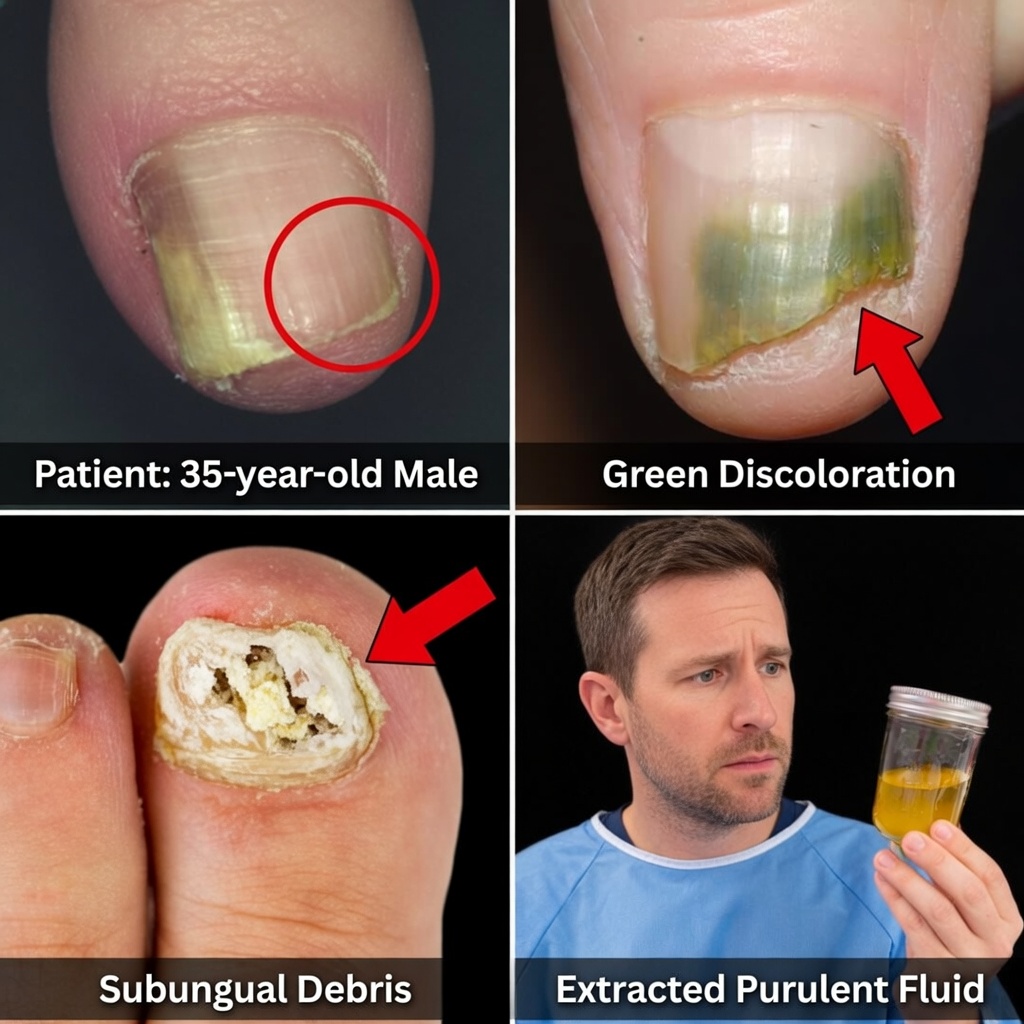
Why Vinegar May Help With Nail Fungus
Vinegar (especially apple cider vinegar and white vinegar) contains acetic acid, known for its antifungal, antibacterial, and antiseptic effects. The acid creates an environment that is less friendly to fungus and bacteria, which may help slow their growth. With consistent use, vinegar-based care can gradually improve the condition of infected nails and support healthier-looking nail regrowth.
How to Use Vinegar to Treat Nail Fungus
1) Vinegar Soak (Hands or Feet)
What you need
- 1 cup apple cider vinegar or white vinegar
- 2 cups warm water
- A bowl or basin large enough for soaking
Steps
- Prepare the solution: Mix 1 cup vinegar with 2 cups warm water in a basin. If you need more liquid, keep the 1:2 vinegar-to-water ratio.
- Soak the nails: Place the affected nails in the mixture for 15–20 minutes. Warm water helps soften the nail and surrounding skin so the vinegar can reach more effectively.
- Rinse and dry completely: Rinse with clean water, then dry thoroughly with a towel. Moisture can encourage fungal growth, so drying is essential.
- Repeat consistently: Do this once or twice daily until you see improvement. Results may take several weeks, depending on how advanced the infection is.
2) Vinegar and Baking Soda Paste
What you need
- 2 teaspoons apple cider vinegar or white vinegar
- 2 teaspoons baking soda
- A small bowl
Steps
- Make a paste: Mix vinegar and baking soda until you get a thick paste. Baking soda helps reduce irritation by balancing some acidity while still supporting antifungal action.
- Apply to the nail area: Spread the paste over the affected nail(s), including the cuticle area.
- Leave it on: Let it sit for about 15 minutes.
- Rinse and dry: Wash off with warm water and dry the nails completely.
- Use daily: Apply once per day until symptoms improve.
3) Vinegar With Antifungal Essential Oils
What you need
- 1/2 cup apple cider vinegar or white vinegar
- 10 drops of an antifungal essential oil (such as tea tree, oregano, or lavender)
- A small bottle or container
Steps
- Combine ingredients: Mix vinegar and essential oil in a small container. Tea tree oil is especially popular due to its strong antifungal properties.
- Apply carefully: Use a cotton ball or swab to dab the mixture onto the affected nails, including near the cuticle and, if possible, under the nail edge.
- Let it air-dry: Allow it to dry naturally. No rinsing is needed, so it can continue working.
- Repeat daily: Apply once or twice a day until the infection clears.
Tips to Support Healthier, Shinier Nails
- Trim nails regularly: Shorter nails may help treatment reach the affected area and can reduce spreading.
- Choose breathable footwear: Wear shoes and socks that allow airflow to help limit moisture buildup.
- Maintain good hygiene: Wash hands or feet often—especially after sweating or visiting damp places like pools and gyms.
- Moisturize after care: Use a natural moisturizer such as coconut oil to nourish nails and cuticles and help prevent dryness.
Conclusion
Vinegar can be a practical, natural option for managing nail fungus at home. Whether you choose a vinegar soak, a baking soda paste, or a vinegar-and-essential-oil blend, consistent daily use is key. With patience and routine care, you may gradually restore healthier-looking, smoother, and glossier nails—without harsh chemicals or expensive treatments.