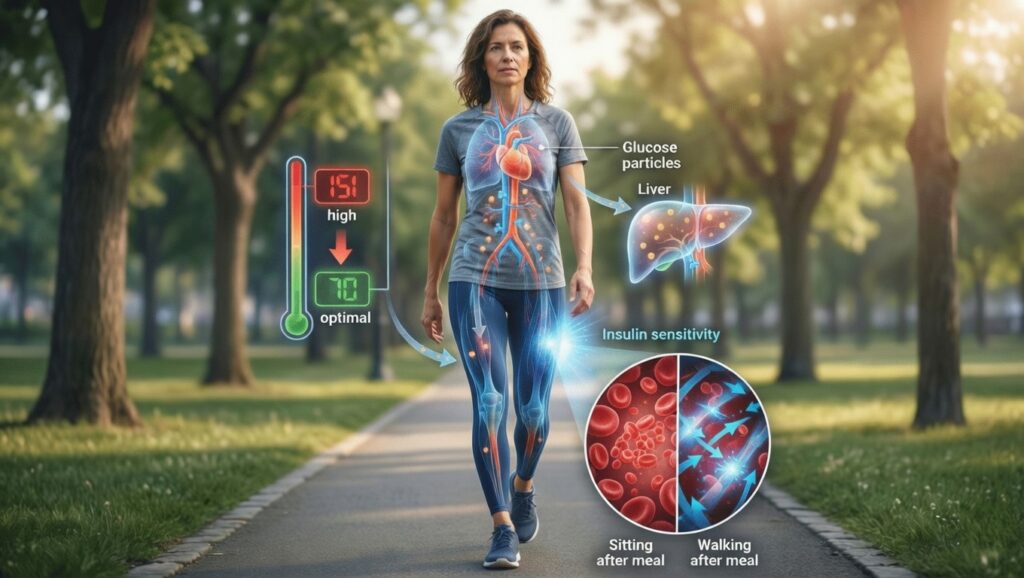
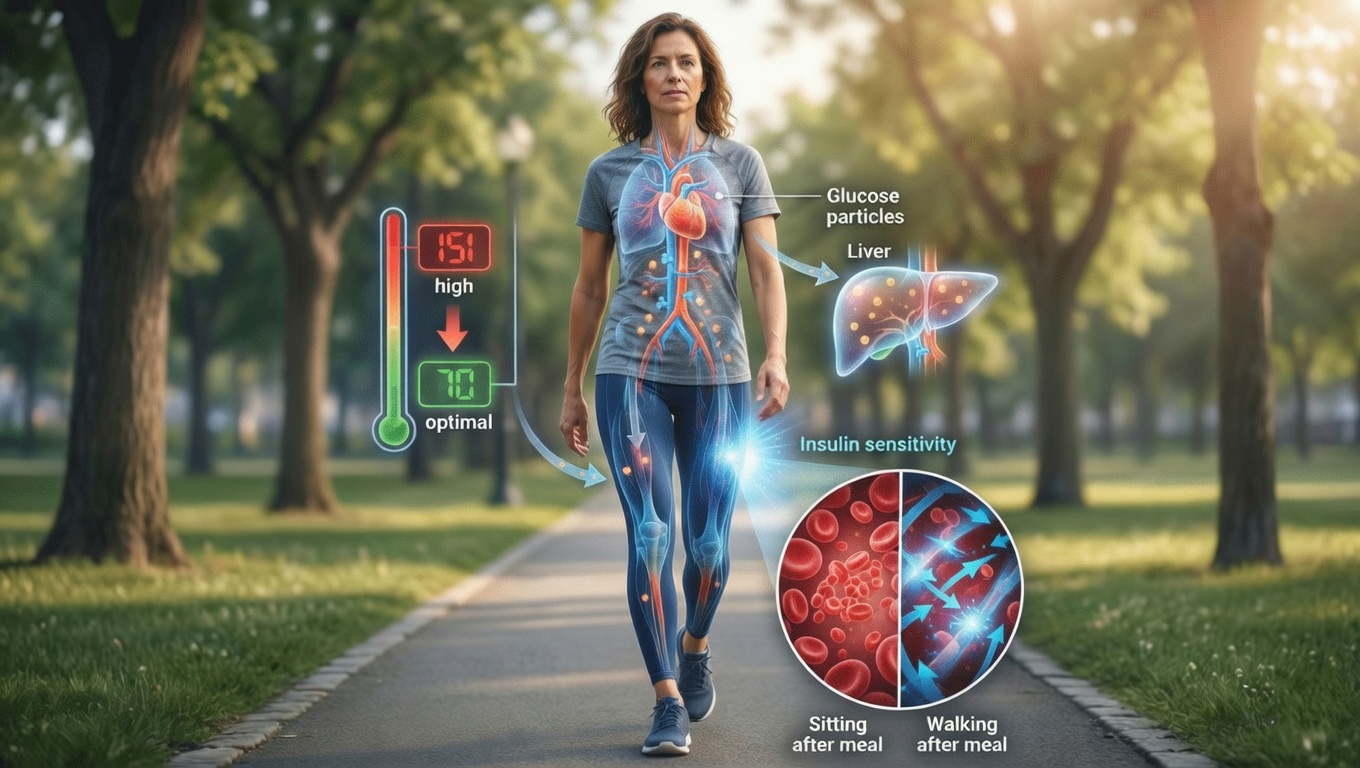
Walking to Reverse Type 2 Diabetes: Why Gentle Movement Wins
Finding it hard to lower your blood sugar or figure out how to truly reverse type 2 diabetes? You’re in very good company. Many people are told to sign up for a gym and jump straight into intense training. Yet, according to insights from Dr. Antonio Cota, that “go hard or go home” strategy can actually backfire when you’re just starting out.
The encouraging news: you don’t need brutal workouts to see powerful results. A simple, consistent walking routine—combined with smart nutrition—can be a game changer for diabetes reversal.
Key Takeaways
- Starting with high-intensity exercise can push blood sugar higher and stress the body when you’re newly managing diabetes.
- The most effective introductory exercise for reversing type 2 diabetes is regular walking—about 30 minutes per day.
- Walking works best when paired with a low-carb way of eating and intermittent fasting.
- In the early stages, total weekly “movement minutes” matter far more than how hard you push yourself.
- Small, daily increases in intentional activity can significantly improve health and may reduce your need for medications.
1. Why High-Intensity Workouts Aren’t the Ideal First Step
A common reaction after a diabetes diagnosis is to hit the gym hard: intense cardio, heavy weights, and tough classes from day one. However, when your body is still insulin resistant, these high-intensity efforts:
- Put extra strain on joints and muscles
- Trigger stress hormones that can spike blood sugar
- Leave you exhausted and discouraged, making consistency harder
At the crucial beginning of your diabetes reversal journey, your system often isn’t ready for such stress. Starting too aggressively can slow progress rather than accelerate it. A gentle, sustainable entry point is usually far more effective.
2. Walking: The Simple Habit That Changes Everything
One of the most powerful tools for blood sugar control is also one of the simplest: walking.
A daily 30-minute walk:
- Is low impact and joint-friendly
- Requires no equipment or gym membership
- Is accessible to most people, regardless of fitness level
Aiming for around 10,000 steps per day has been linked with noticeable improvements in blood sugar, weight, and metabolic health. The goal isn’t to punish your body but to turn movement into a normal, predictable part of your day so your body can use glucose more efficiently and respond better to insulin.
3. What Really Drives Diabetes Reversal
Exercise alone rarely reverses type 2 diabetes. The primary drivers are:
- A low-carb or lower-carbohydrate diet to reduce blood sugar spikes
- Intermittent fasting to give your body time to use stored energy and improve insulin sensitivity
Walking multiplies the benefits of these strategies. It helps to:
- Decrease visceral fat (the deep abdominal fat that surrounds organs)
- Improve how your cells respond to insulin
- Increase C-peptide levels, a marker of how well your pancreas is producing insulin
In short, food changes do the heavy lifting. Walking supercharges the results.
4. How Walking Supports Your Body’s Repair Systems
The benefits of walking go way beyond calorie burning. Regular, steady walks help activate powerful internal repair mechanisms, including:
- Autophagy – the body’s “cell cleaning” and recycling system that helps remove damaged components
- Melatonin regulation – better daily movement can improve your sleep-wake cycle, supporting quality sleep
- Protection of beta cells – the insulin-producing cells in your pancreas, which are critical for long-term blood sugar control
When you’re sedentary or sleeping poorly, these processes slow down. That makes reversing diabetes much more difficult. Walking is a gentle way to nudge these systems back into balance.
5. Focus on Consistency: Aim for 150–300 Minutes Weekly
For blood sugar control, think in terms of time spent moving, not how hard you push.
A practical target:
- Minimum: 150 minutes of walking per week
- Example: 30 minutes a day, 5 days a week
- Ideal range: Up to 300 minutes per week for even better results
Choose a pace that feels like a brisk walk—as if you’re slightly in a hurry or someone is walking just behind you and you naturally speed up. You should feel your heart working but still be able to speak in short sentences.
6. Why “On-the-Job” Walking Isn’t Enough by Itself
You might wonder if walking around at work or doing errands counts. While all movement helps, there’s an important difference:
- Incidental walking (around the office, house, or store) is helpful but often stop-and-go.
- Intentional walking is a dedicated block of time—ideally 30 minutes or more—where you keep moving continuously.
To get the strongest blood sugar benefits, you want that sustained, purposeful walking session that slightly elevates your heart rate and keeps your metabolism engaged.
7. Track Progress, Not Perfection
You don’t have to hit 10,000 steps from day one—or ever—to see changes.
- Even 5,000 steps a day is better than a sedentary lifestyle.
- Studies highlight around 10,000 steps as a level where blood sugar, heart health, and overall risk profiles improve significantly.
Use a phone app, smartwatch, or pedometer to track your daily steps and walking time. Celebrate improvements, whether that’s 500 extra steps or an additional 5 minutes of walking. The trend matters more than perfection.
8. Short-Term and Long-Term Blood Sugar Effects
With consistent daily walking, many people see:
- About a 10–30% reduction in blood glucose within one to two months
- For instance, a blood sugar level of 200 mg/dL may drop into the 130–140 mg/dL range
Walking after meals is especially powerful:
- A moderate walk after eating helps your muscles use some of the glucose from your meal, reducing post-meal spikes.
- Keep the intensity comfortable—too intense right after eating can stress digestion and, in some cases, temporarily raise blood sugar.
9. Extra Benefits of Walking Beyond Blood Sugar
Walking regularly does much more than lower glucose levels. It can also:
- Decrease abdominal (visceral) fat
- Improve cholesterol levels and reduce inflammation
- Enhance sleep quality and depth
- Boost daytime energy and mental clarity
- Potentially lower your need for diabetes medications and insulin
- Support stronger bones, a healthier heart, and a more stable mood
These combined benefits make walking one of the most powerful “medicines” you can give your body—without a prescription.
10. Adjust Walking to Your Body’s Limits
Your body’s feedback is crucial. Keep these points in mind:
- Walking should feel comfortable, not painful.
- If you notice ongoing joint pain, swelling, or discomfort, slow down, shorten the walks, or take a rest day.
- Persistent pain is a signal to consult your healthcare provider before increasing intensity.
Finding a pace and distance that feel good ensures you can keep walking for months and years, not just days.
11. Walking Is Free, Flexible, and Fits Most Lifestyles
One of the biggest advantages of walking for diabetes reversal is accessibility:
- No monthly membership fees
- No special equipment beyond comfortable shoes
- Can be done indoors or outdoors, alone or with others
If you live in an area without safe walking spaces, you can:
- Walk laps inside your home or building
- Use a hallway, balcony, or yard
- Stand more and sit less throughout the day
Every bit of extra movement works in your favor, especially when combined with your dedicated daily walk.
12. After Reversing Diabetes: How Your Exercise Plan Evolves
Once you achieve diabetes remission—meaning your blood sugar is controlled and you’ve reduced or stopped many medications—your exercise strategy can shift.
At that point, you may:
- Gradually add more intense workouts if your doctor approves
- Try strength training, cycling, swimming, or interval training
- Use exercise to maintain remission, protect your heart, and build muscle
In the early phase, though, total walking time is the priority. As your health stabilizes, you can experiment with variety and higher intensity.
Conclusion: Start with a Walk, Transform Your Health
If your goal is to reverse type 2 diabetes, the foundation remains clear:
- Nourishing, low-carb nutrition
- Intermittent fasting, when appropriate and medically supervised
Layer on top of that a daily 30-minute walk, and you dramatically increase your chances of success. Working toward about 10,000 steps a day is an excellent long-term goal, but any increase in movement is progress.
Walking offers a safe, sustainable way to:
- Lower blood sugar
- Reduce belly fat
- Cut down on medication needs
- Boost energy, mood, and overall quality of life
As Dr. Antonio Cota’s insights and many real-life experiences show, a few months of consistent walking can reshape your waistline, metabolism, and daily energy. You don’t need to change everything overnight. Begin with one simple decision: take that first walk today—and keep stepping forward. Your future self will be grateful.