3 Bodyweight Exercises to Stay Strong, Mobile, and Fit as You Age
Getting older brings plenty of changes.
With age often comes greater wisdom, patience, confidence, and more freedom after years of hard work. Many people also enjoy improved financial stability and a better understanding of what truly matters in life.
At the same time, aging can introduce a few physical challenges. Your metabolism may slow down, joints can feel stiffer, and your body may not recover or move as easily as it did in your 20s.
That said, these changes are a normal part of life.
The encouraging news is that your body is still capable of far more than you may realize. Reaching 50, 60, or 70 does not mean your fitness has to steadily decline.
Regular exercise is one of the best ways to fight age-related physical changes. It can help you maintain strength, improve mobility, support balance, and keep your energy levels high as the years go by.
Better yet, you do not need expensive gym equipment or large machines to get results. A simple bodyweight workout can help you build strength, move better, and feel more confident in your body.
These three exercises are especially effective for rebuilding strength and improving how your body functions. They target multiple muscle groups at once while also supporting mobility, stability, posture, and everyday movement.
Try this 3-exercise routine a few times each week for the best results.
You May Also Like
- 10 Best Core Exercises for Seniors
- Over 60? These Are the 7 Best Exercises You Should Be Doing
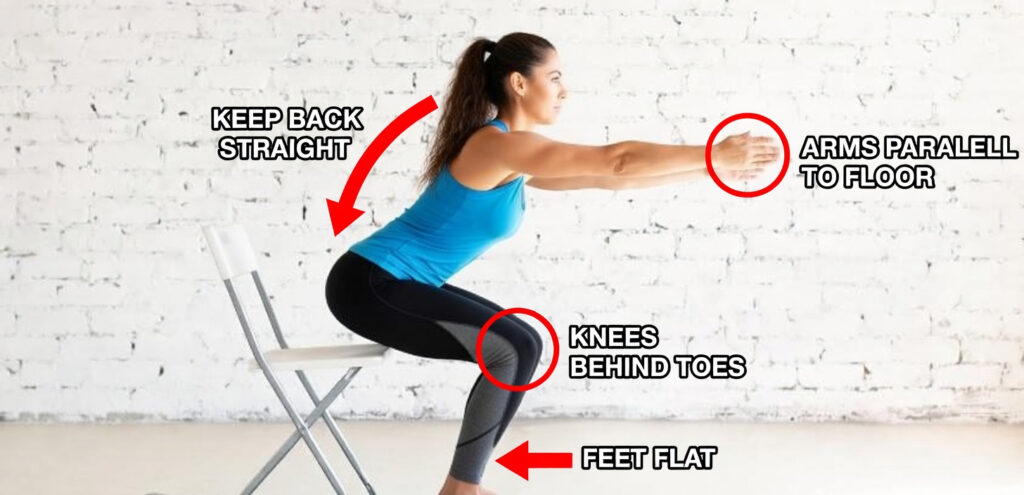
1. Chair Squat
The chair squat is a practical and beginner-friendly exercise. It is a great option whether you are already active or dealing with reduced mobility.
This movement strengthens key muscles including the quadriceps, hamstrings, glutes, and core. While it mainly targets the lower body, it also challenges your balance and helps improve upper-body control.
Using a chair offers two major benefits:
- It provides support at the bottom of the squat
- It helps you learn the right squat depth safely
Make sure to use a sturdy chair without wheels.
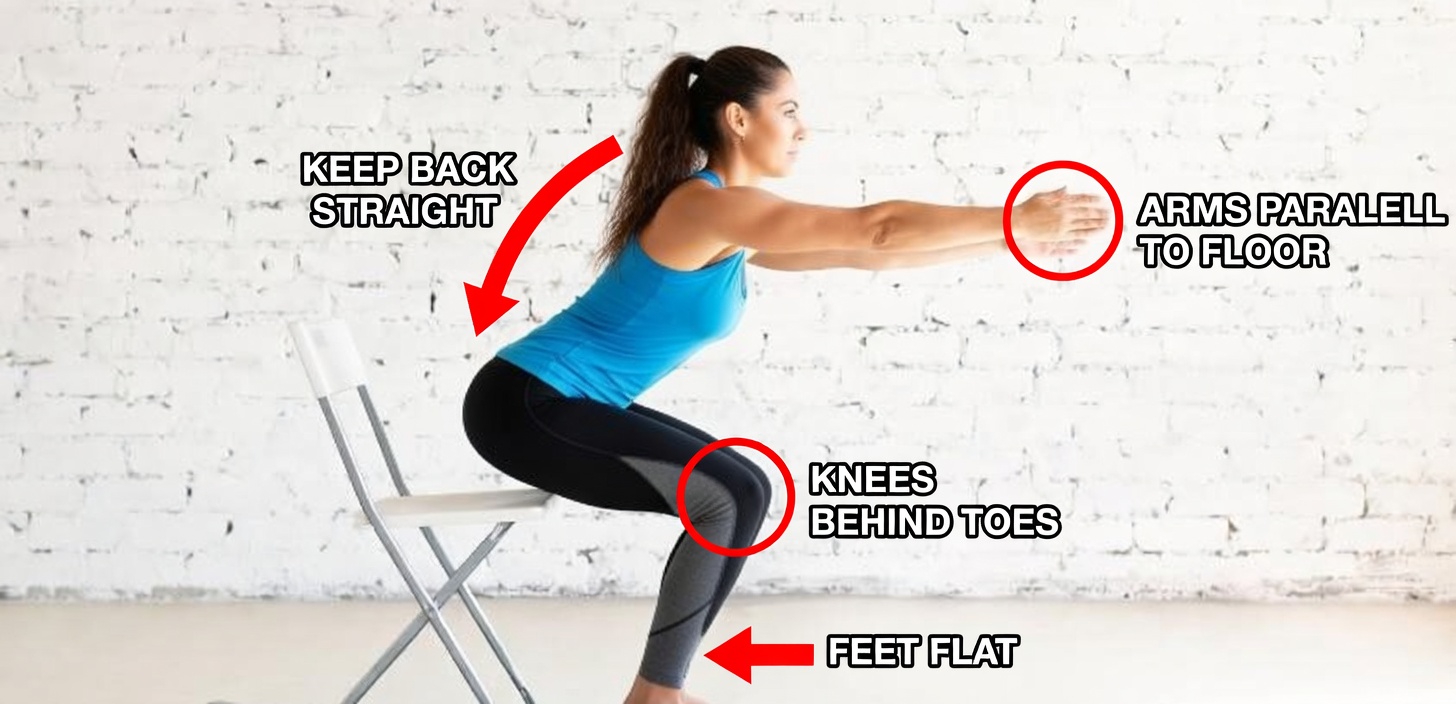
How to Do a Chair Squat
- Place a stable chair directly behind you and stand facing away from it.
- Position your feet about shoulder-width apart, with your toes turned slightly outward.
- Keep your chest lifted, back straight, and core engaged.
- Push your hips back and bend your knees to lower yourself until your glutes lightly touch the chair.
- Extend your arms forward if needed to help with balance.
- Press through your heels and tighten your glutes and hamstrings to stand back up.
Recommended Sets and Reps
- 10 repetitions
- 3 sets
2. Bird Dog
Core stability, balance, and coordination are essential for staying active and independent. These qualities support daily tasks such as walking, climbing stairs, and carrying groceries.
The bird dog is a simple bodyweight exercise that works the core, back, arms, and legs all at once.
It trains your body to stay stable while balancing on one arm and one leg. This movement can also encourage better posture and may help reduce back discomfort over time.
The bird dog is suitable for nearly every fitness level, including older adults. All you need is a yoga mat and a little open space.
For extra comfort, place a folded towel or cushion under your knees. If possible, use a mirror to check your form.
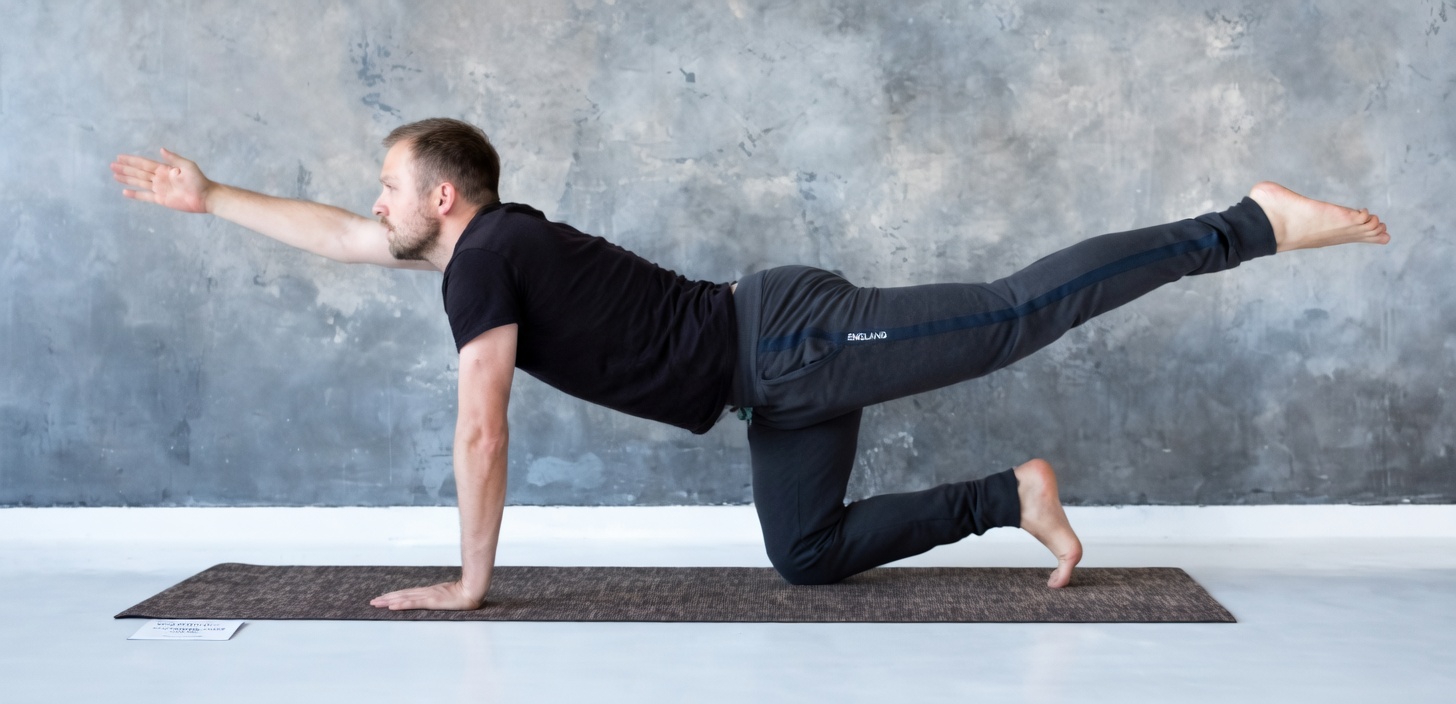
How to Do a Bird Dog
- Start on all fours on a mat.
- Place your hands directly under your shoulders and your knees under your hips.
- Keep your spine neutral and tighten your abs.
- Draw your shoulder blades back slightly.
- Slowly extend your right arm forward and your left leg backward at the same time.
- Raise them until your arm is at shoulder height and your leg is at hip height.
- Hold for 2 to 3 seconds.
- Return to the starting position with control.
- Repeat on the opposite side.
That counts as 1 repetition.
Recommended Sets and Reps
- 10 repetitions
- 2 to 3 sets
3. Prone Back Extension
The prone back extension is a straightforward floor exercise that strengthens the upper, middle, and lower back.
If you want to keep your back strong and reduce everyday aches, this is an excellent movement to include in your routine.
As posture and daily performance change with age, core strength becomes even more important. Nearly every movement you make either begins in the core or passes through it.
A strong core helps you:
- Maintain better posture
- Improve balance and stability
- Support safer movement during daily activities
- Reduce stress on the back
This exercise is especially useful for restoring core engagement and improving overall movement quality.
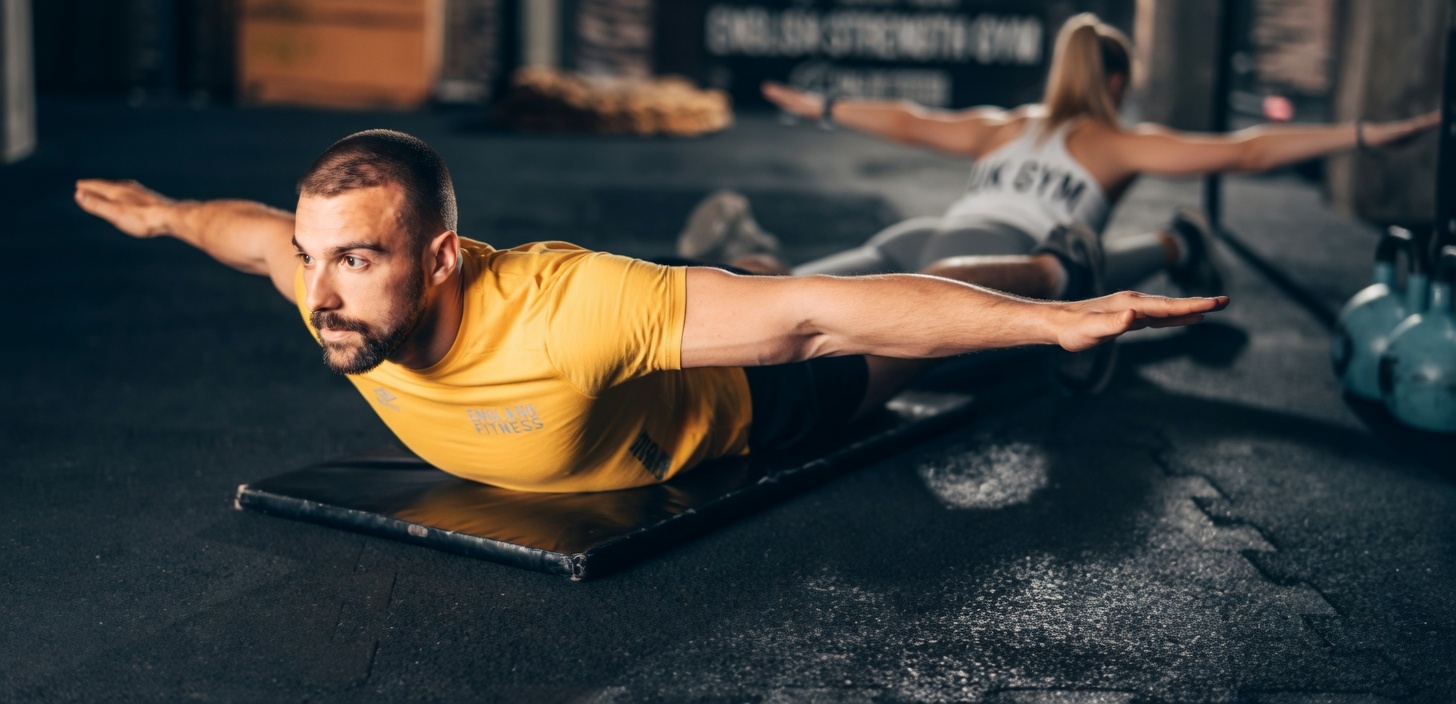
How to Do a Prone Back Extension
- Lie face down on a thick yoga mat.
- Extend your legs straight behind you.
- Keep your arms straight and positioned back by your sides.
- Tighten your core and squeeze your back muscles.
- In one controlled motion, lift your torso slightly off the mat while keeping your spine neutral.
- Keep your legs resting on the mat.
- Pause for 2 seconds at the top.
- Lower back down slowly.
That is 1 repetition.
Recommended Sets and Reps
- 10 repetitions
- 2 to 3 sets
Final Thoughts
Aging does not mean giving up on strength, mobility, or confidence. With the right bodyweight exercises, you can continue building a strong, capable body for years to come.
This simple routine of chair squats, bird dogs, and prone back extensions can help you improve balance, strengthen major muscle groups, support your core, and move with more ease in everyday life.
Stay consistent, focus on good form, and give your body the support it needs to keep performing at its best.