Sciatica Pain: Causes, Symptoms, and Beginner-Friendly Exercises
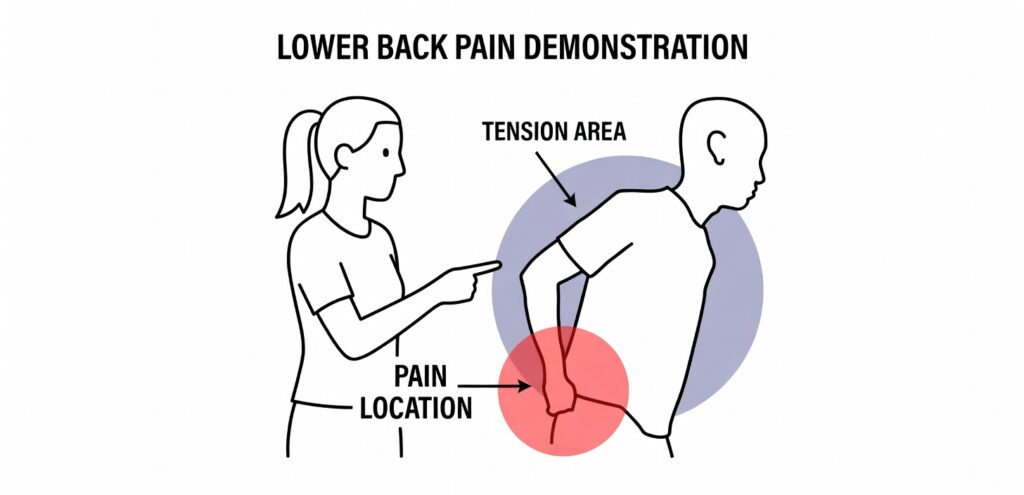
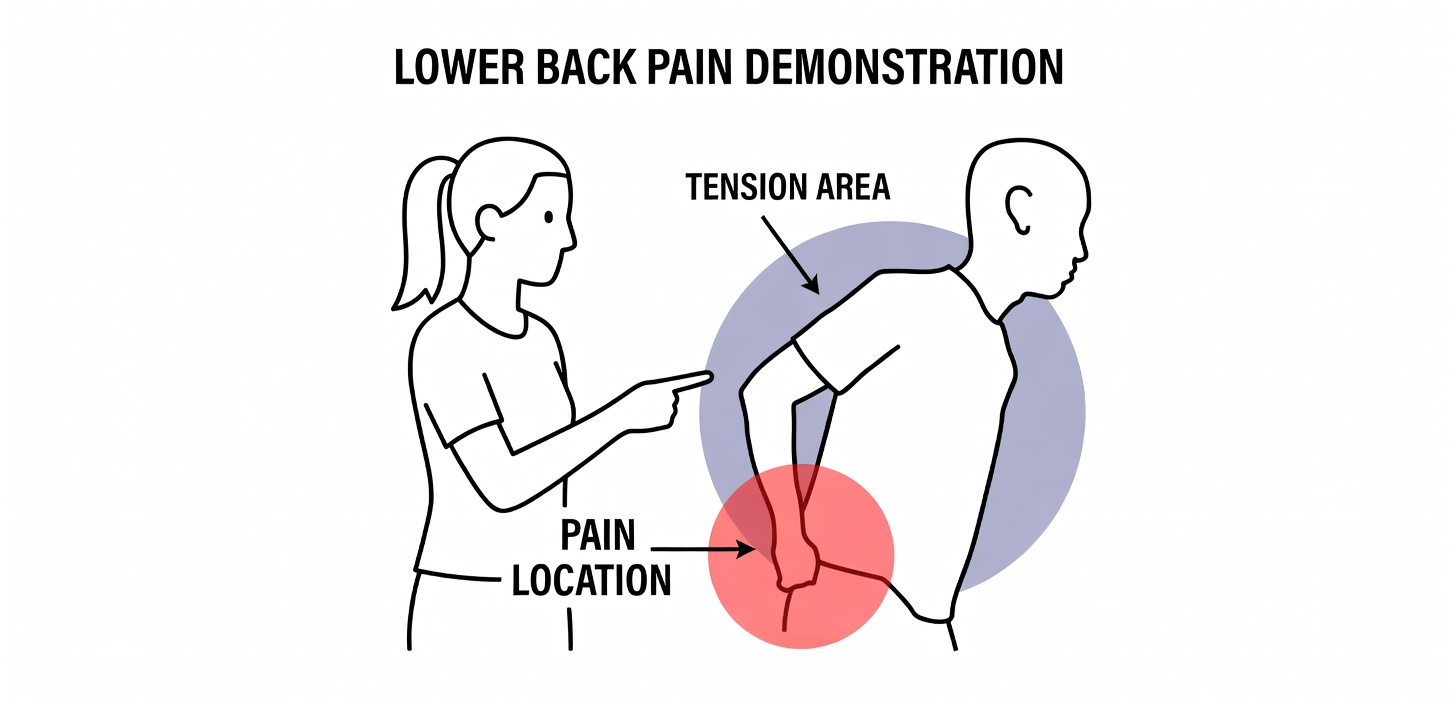
If you have ever felt a strong ache, burning sensation, or discomfort traveling from your lower back down to your foot, you could be dealing with sciatica, also known as sciatic nerve pain.
Sciatica refers to irritation of the sciatic nerve, the longest nerve in the body. It begins in the lower back and hip region, runs through the back of the thigh, and then divides into two branches that continue down toward the feet.
Common symptoms of sciatica include:
- Numbness or tingling in the buttocks
- Sharp or shooting pain in the lower back
- Pain that radiates down the leg
- Tightness or weakness in the affected area
Back pain is one of the leading causes of disability in the United States and can make work and everyday movement much more difficult. While the underlying cause of sciatic nerve pain varies from person to person, regular physical activity may help reduce discomfort and lower the risk of future flare-ups.
What Causes Sciatica?
Sciatica is a symptom rather than a condition on its own. In many cases, it develops when the sciatic nerve is compressed, irritated, or inflamed.
Herniated or Bulging Disc
One of the most common reasons for sciatica is a herniated disc or bulging disc.
The vertebrae in the spine are separated by discs that have a soft, gel-like center and a tougher outer layer. If the inner material pushes through the outer wall, it can place pressure on nearby nerves, including the sciatic nerve.
This may lead to:
- Inflammation
- Numbness
- Muscle weakness
- Tightness
- Radiating pain down the leg
Spinal Stenosis
Spinal stenosis is another cause of sciatic nerve irritation and often leads to pain in the legs.
The spinal nerve roots pass through narrow openings formed by bone and ligaments. When these passageways become tighter or restricted, the sciatic nerve can be compressed. This can trigger pain that travels down the leg and sometimes reaches the heel.
Spondylolisthesis
Spondylolisthesis affects the lumbar spine and happens when one vertebra slips forward over the one below it.
This shift can create pressure on the nerves in the lower back, which may result in sciatica. The condition often develops during childhood or after an injury or trauma.
Piriformis Syndrome
Piriformis syndrome is linked to the small piriformis muscle, which can irritate the sciatic nerve when it becomes tight or spasms.
The piriformis is located deep in the buttock area and helps connect the lower spine region to the upper thigh. If it tightens excessively, it may compress the sciatic nerve and cause significant pain or discomfort.
Why Exercise Can Help
Because lower back pain is especially common among people with sedentary lifestyles, a consistent exercise routine can support both sciatica relief and prevention.
That said, getting the right diagnosis matters. If you are experiencing sciatic nerve pain, it is best to speak with a healthcare professional, physical therapist, or spine specialist before starting a new exercise plan.
In general, exercises for sciatica should be:
- Low impact
- Focused on mobility and flexibility
- Designed to improve core, glute, hip, and lower back strength
- Performed with professional guidance when needed
Best Exercises for Sciatica
A helpful sciatica routine should focus on:
- Improving piriformis flexibility
- Restoring hip mobility
- Strengthening the low back
- Activating the glutes and hamstrings
- Building a more stable core
Below is a beginner-friendly therapeutic routine for people dealing with sciatic pain.
1. 90/90 Stretch
The 90/90 stretch is a simple but effective movement for improving flexibility and reducing stiffness. Better range of motion can make everyday activities easier and help you move with less discomfort.
This stretch promotes mobility in both hips by working internal and external rotation. It can be performed on the floor or even on a firm bed.
Benefits
- Stretches the piriformis muscle
- Improves hip joint mobility
- Helps release tension in the lower back
How to Do It
- Sit on a firm surface.
- Bring your right leg in front of your body and bend it so your hip is externally rotated and your knee points outward.
- Place your right knee and lower leg on the floor.
- Your right leg should form a 90-degree angle, with your right foot pointing straight ahead.
- Position your left leg to the side with the hip rotated inward.
- Your left shin and ankle should also rest on the floor, forming another 90-degree angle.
- Sit tall with your chest forward and your back straight.
- For a deeper stretch, gently lean your torso over your front leg and rest on your elbows if comfortable.
- Hold for up to 60 seconds, breathing deeply.
- Switch sides.
Repetitions
- Perform 2 rounds on each side
2. Hip Bridges
Also called glute bridges, hip bridges are excellent for easing lower back discomfort, including sciatica. They are simple to perform on the floor or on a supportive bed, and the difficulty can be adjusted depending on your strength level.
Benefits
- Increases blood flow to the lower back
- Strengthens the glutes
- Activates the hamstrings
- Improves core stability
How to Do It
- Lie on your back with your knees bent and your feet flat on the floor or bed.
- Keep your lower back stable against the surface.
- Place your arms by your sides, with your fingertips about 1 to 2 inches from your heels.
- Tighten your core and press through your heels.
- Lift your hips until your body forms a straight line from your knees to your chest.
- Pause for 1 to 2 seconds and squeeze your glutes.
- Lower yourself slowly back down.
Try not to overarch your lower back during the movement, as this may increase discomfort and reduce the benefit of the exercise.
Repetitions
- 10 to 15 reps
- 3 sets
- Rest about 1 minute between sets
For more challenge, place your feet on a slightly raised surface.
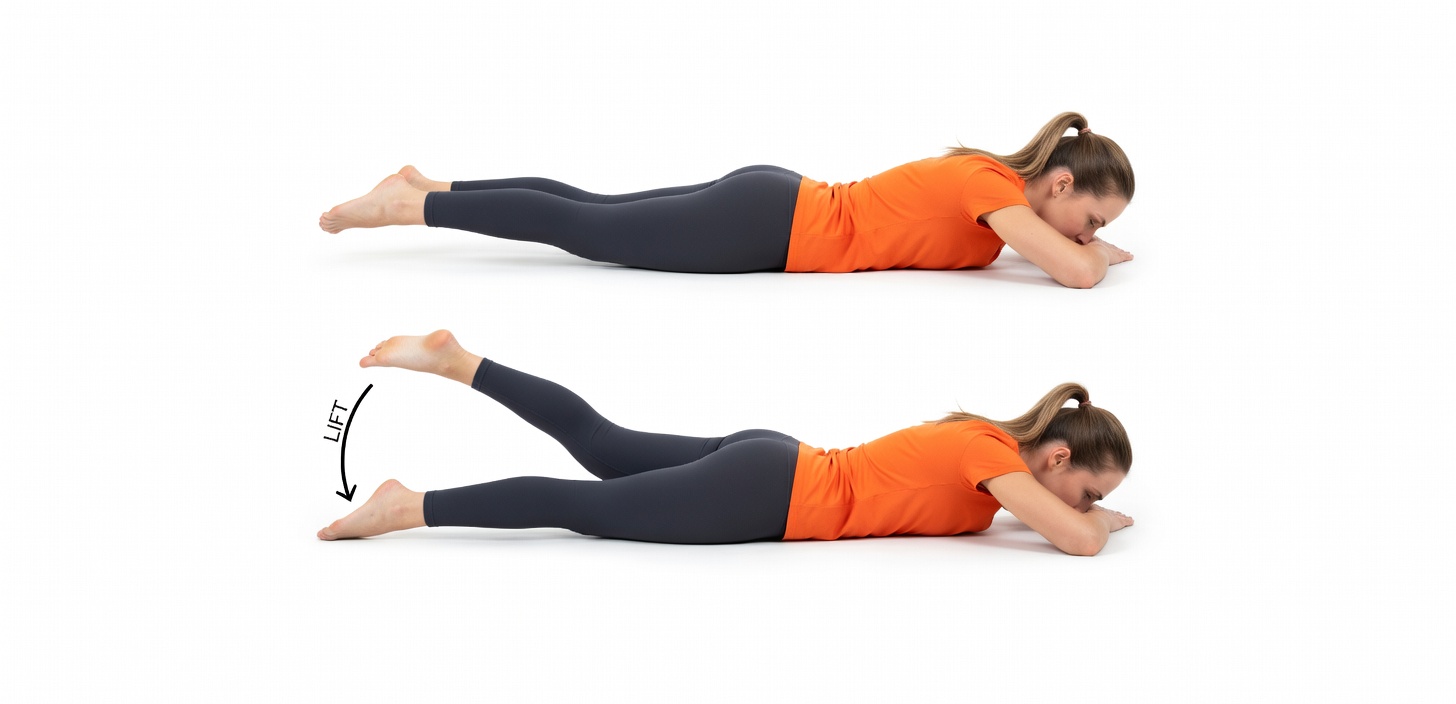
3. Prone Leg Lifts
Prone leg lifts may feel a little unusual at first, but they can be very useful for strengthening the lower back and reducing sciatic nerve pain.
If you have a herniated disc, talk to your spine specialist before trying this exercise, since it involves a small amount of lower back extension.
Benefits
- Strengthens the glutes
- Activates the core
- Supports the lower back muscles
How to Do It
- Lie face down on the floor with your legs straight and your arms by your sides.
- Keep your face pointed toward the floor.
- If this position is uncomfortable, rest your forehead on a folded towel or pillow.
- Slowly lift your right leg about 4 to 5 inches off the ground.
- Hold for 1 to 2 seconds.
- Lower the leg back down with control.
- Repeat on the left side.
As with bridges, avoid letting your pelvis tilt forward too much. A helpful cue is to imagine gently tucking your tailbone.
Repetitions
- 8 to 10 reps per side
- Rest 1 minute between sets
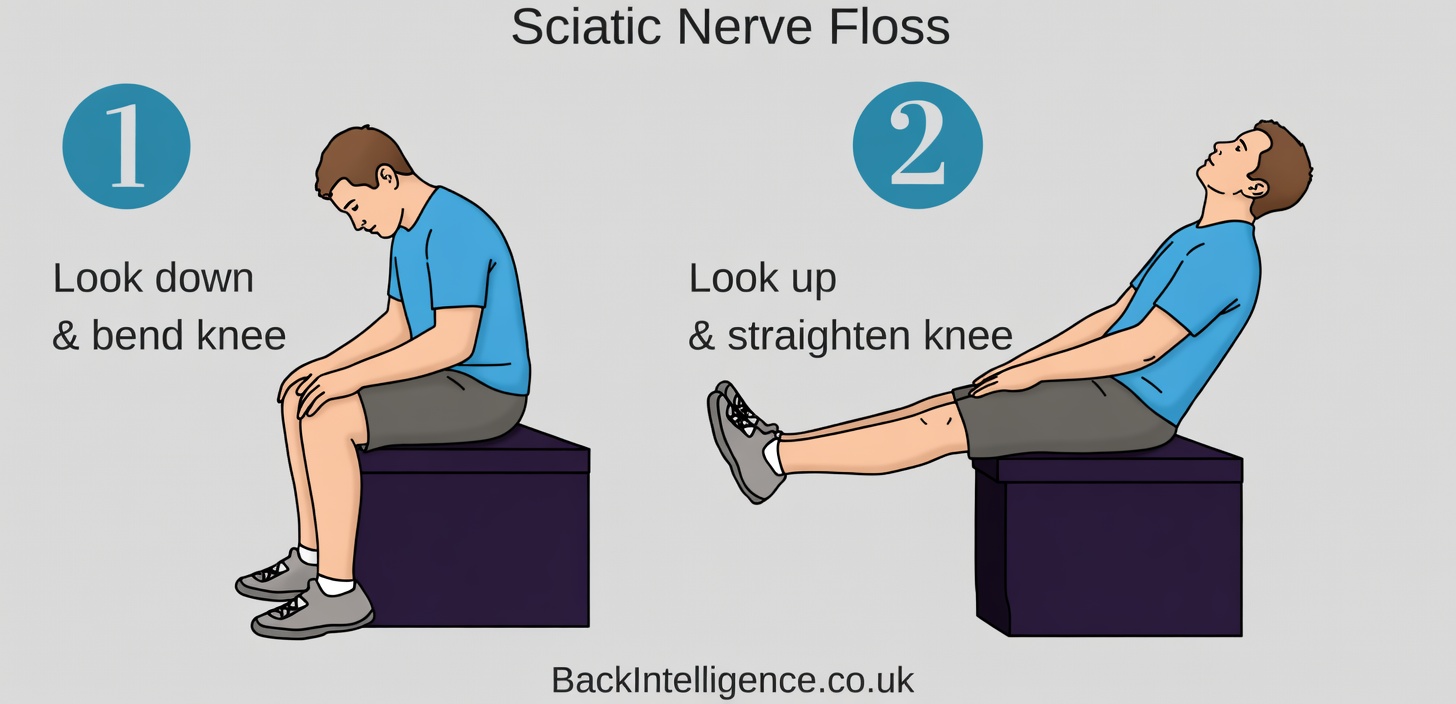
4. Seated Nerve Glide
Nerve glides, also called nerve flossing, are often used in physical therapy to help injured or irritated nerves move more freely. These movements guide the body through a controlled range of motion to improve mobility and reduce nerve-related discomfort.
This exercise can help the sciatic nerve move more comfortably during walking and daily activities.
Benefits
- Encourages smoother sciatic nerve movement
- May reduce pain caused by soft tissue entrapment
- Supports better mobility in everyday life
How to Do It
- Sit in a chair with a slightly slouched posture.
- Keep both feet on the floor and your arms relaxed at your sides.
- Lower your head so you are looking toward your lap.
- Straighten your right knee and extend your right foot forward.
- At the same time, lift your head and look upward toward the ceiling.
- Return to the starting position by bending the knee again and lowering your gaze.
- Repeat on the same side, then switch to the left leg.
Move slowly and smoothly. This exercise should feel gentle, not aggressive.
Repetitions
- Perform 8 to 10 repetitions per side
Important Safety Tips
While exercise can be very helpful, it should not make your symptoms worse. Stop and seek professional advice if you experience:
- Increasing leg weakness
- Severe pain
- Loss of balance
- Symptoms that rapidly worsen
It is especially important to work with a physical therapist or spine specialist if your sciatica is severe, persistent, or linked to a diagnosed spinal condition.
Final Thoughts
Sciatica can range from mild irritation to intense, radiating pain that affects your mobility and daily life. Common causes include a herniated disc, spinal stenosis, spondylolisthesis, and piriformis syndrome.
The good news is that regular, low-impact exercise may help relieve pain, improve flexibility, and strengthen the muscles that support the spine and hips. Beginner-friendly movements like the 90/90 stretch, hip bridges, prone leg lifts, and seated nerve glides can be useful tools when performed correctly and with proper guidance.
For the best results, always begin with an accurate diagnosis and a plan tailored to your needs.