Osteoporosis: Understanding Bone Loss and the Role of Exercise
Osteoporosis may sound alarming, but it is actually very common among older adults.
This condition causes bones to become weaker and more porous, which raises the risk of fractures and other injuries. Bone health depends on a balance between two types of cells: osteoblasts, which build bone, and osteoclasts, which break it down. As we get older, bone breakdown can begin to outpace bone building, leading to reduced bone density, structural changes, and a greater chance of broken bones.
Bone loss can happen for several reasons. Two of the most frequent contributors are aging and physical inactivity. However, low bone mass may also be linked to autoimmune disease, certain medical treatments, cancer, or disorders of the nervous system.
Osteoporosis is often called a silent disease because people usually cannot feel their bones becoming weaker. In many cases, the first warning sign is a fracture, especially in the hip, wrist, or shoulder. Other possible signs include loss of height and a rounded upper back. These changes should prompt older adults to ask their healthcare provider about a bone mineral density test or physical therapy evaluation.
Although osteoporosis can affect adults of any age, it is especially common in postmenopausal women. In fact, about one in four women over age 65 is affected by osteoporosis or a related bone condition.
Treatment may include increasing calcium and vitamin D, as well as prescribed medications. Still, one of the most effective ways to fight low bone density is weight-bearing exercise. Even better, strong bones are built by preserving bone mass early in life.
Why Exercise Matters for Bone Health
Regular physical activity supports overall wellness and can help extend lifespan. Just like muscles, bones respond to challenge by becoming stronger. Research shows that women and men who stay active tend to have greater bone mass than those who do not exercise regularly.
Several forms of exercise can help protect the body, including:
- Weight-bearing exercise
- Aerobic exercise
- Balance training
- Resistance training
Beyond bone health, regular exercise may offer many additional benefits:
- Better balance
- Improved coordination
- Stronger heart and lungs
- Greater strength and muscle mass
- Reduced risk of obesity and heart disease
- Better posture
- Lower fracture risk
- Support for weight loss
- Lower blood pressure
- Improved cholesterol control
Whether or not someone is at high risk for osteoporosis, regular exercise is recommended for people of all ages and genders. According to U.S. physical activity guidelines, 150 minutes of moderate exercise per week can provide meaningful health benefits.
Before Starting an Exercise Program
Before beginning any new workout routine, it is important to speak with your doctor, especially if you have health conditions or movement limitations.
If you have already been diagnosed with osteoporosis, working with a physical therapist or qualified exercise professional can help you create a program that matches your needs and fitness level.
Consistency is also essential. The best exercise plan is one you can enjoy and stick with over time.
Weight-Bearing and Aerobic Exercise for Osteoporosis
Weight-bearing exercise includes any activity that forces your bones to support your body weight while working against gravity.
Common examples include:
- Brisk walking
- Jogging
- Dancing
- Hiking
- Tai chi
- Pilates
Many of these are also aerobic exercises, meaning they increase heart rate while improving endurance.
Another useful option is resistance training, which adds outside resistance to challenge the muscles and bones. This may involve:
- Weight machines
- Resistance bands
- Free weights
It is also important to understand the difference between high-impact and low-impact activity.
High-impact exercise
High-impact movement places greater stress on bones and muscles. Examples include:
- Jumping
- Running
- Intense contact sports such as rugby or football
Low-impact exercise
Low-impact exercise is gentler on the joints and may reduce stress on the body. Examples include:
- Water aerobics
- Yoga
- Some forms of dance
Exercises that are not weight-bearing, such as swimming, cycling, and elliptical machine workouts, are still excellent for general fitness. However, they do not do as much to build bone strength. For long-term bone health, it is helpful to include the right mix of intensity and movement types.
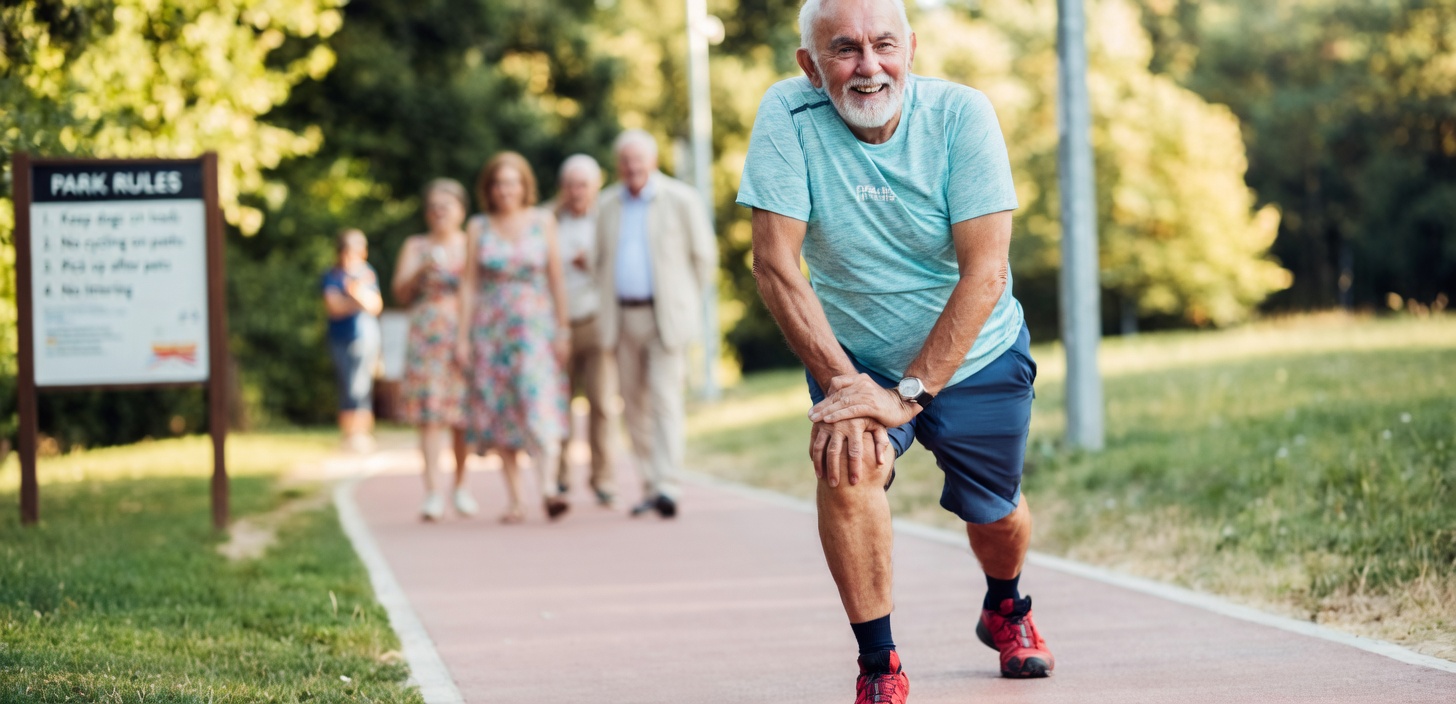
Best Weight-Bearing Exercises for Osteoporosis
1. Squats
Squats are excellent for building muscle and supporting healthy bones. Because they involve the ankles, knees, and hips, they are considered a compound exercise, meaning several joints and muscle groups work together at once.
Compound exercises are especially useful for improving core strength and coordination.
How to do squats:
- Stand with your feet about hip- to shoulder-width apart.
- Keep your chest lifted and look forward.
- Begin by hinging slightly at the hips, then bend your knees.
- Lower yourself until your thighs are parallel to the floor, or slightly below if comfortable.
- Keep your knees tracking in line with your toes.
- Press through your heels and mid-foot as you stand back up.
- Squeeze your glutes as your knees and hips straighten.
Recommended volume:
- 4 sets of 10 to 12 repetitions
- Rest 1 minute between sets
Helpful tips:
- If the movement feels confusing, imagine sitting down into a very small chair.
- To make it harder, hold a dumbbell at your chest or a weight in each hand.
- Avoid heavy barbell loading, as excessive stress on the spine may increase fracture risk in people with osteoporosis.
2. Single-Arm Row
The single-arm row is another effective compound exercise. It works the lat muscles, shoulders, and upper back, helping improve posture and upper-body strength.
How to do a single-arm row:
- Hold a dumbbell in your right hand.
- Place your left knee and left hand on a bench for support.
- Keep your core engaged.
- Pull the dumbbell upward by bending your elbow and keeping it close to your side.
- At the top of the movement, the weight should be near your hip.
- Squeeze your shoulder blade toward your spine.
- Lower the weight slowly back to the starting position.
Recommended volume:
- 3 sets of 8 to 10 repetitions
- Change sides after each set
Helpful tips:
- No dumbbell? Use a resistance band, a household item like a milk jug, or a seated row machine if available.
3. Modified Side Plank
Isometric exercises can help support bone tissue while improving muscle strength. These movements involve holding a position rather than moving through repeated repetitions.
The modified side plank is a good example.
How to do a modified side plank:
- Lie on your side with your left elbow directly under your shoulder.
- Bend your knees so your feet point behind you.
- Tighten your abdominal muscles.
- Lift your hips toward the ceiling until your body forms a straight line from shoulders to knees.
- Your left elbow and left knee should remain in contact with the floor.
- Hold the position for 20 to 30 seconds.
Recommended volume:
- Repeat 3 times on each side
Helpful tip:
- Perform this exercise on a yoga mat, or place a pillow or towel under your elbow for comfort.
4. Box Step-Ups
Step-ups are a practical weight-bearing exercise that mimics climbing stairs. They strengthen the glutes and legs and may help reduce mineral loss in the knees and hips.
How to do box step-ups:
- Stand facing a sturdy box or bench about knee height.
- Step onto the box with your left foot.
- Keep your knee aligned over your toes.
- Press through your left foot to lift your body upward.
- Bring your right foot up to meet the left, if comfortable.
- Step back down slowly and with control.
- Repeat, then switch the leading leg.
Recommended volume:
- Perform 2 to 3 sets of 8 to 12 repetitions on each side
Helpful tips:
- Start with a lower step if knee-height feels too challenging.
- Use a railing, wall, or chair for balance if needed.
- Focus on controlled movement rather than speed.
Final Thoughts
Osteoporosis can develop quietly, but there are many ways to protect your bones and lower your risk of fractures. Exercise is one of the most powerful tools available, especially weight-bearing exercise, resistance training, and balance work.
Whether you are aiming to prevent bone loss or manage an existing diagnosis, staying active can improve strength, posture, mobility, and confidence. Starting early helps preserve bone mass, but it is never too late to benefit from movement.