Why Healthy Aging Matters More Than Simply Living Longer
Many people spend years trying to slow visible signs of aging. But looking younger is only part of the picture. What matters even more is your health span—the years you stay well enough to enjoy your life. Living longer feels far more meaningful when your body can still support the way you want to live.
The encouraging part is that when you put your health first, you often begin to look better and feel better too.
The Real Cause: Everyday Habits Shape How You Age
A longer, healthier life is usually built through small daily choices. Your regular habits can affect your quality of life more than you may think. When it comes to aging well, physical therapists offer valuable guidance because they focus on movement, mobility, and long-term function.
Instead of relying on occasional intense effort, the body responds best to what you do consistently each day.
The Solution: 6 Physical Therapist-Recommended Habits for Aging Well
1. Build Strength to Support and Protect Your Joints
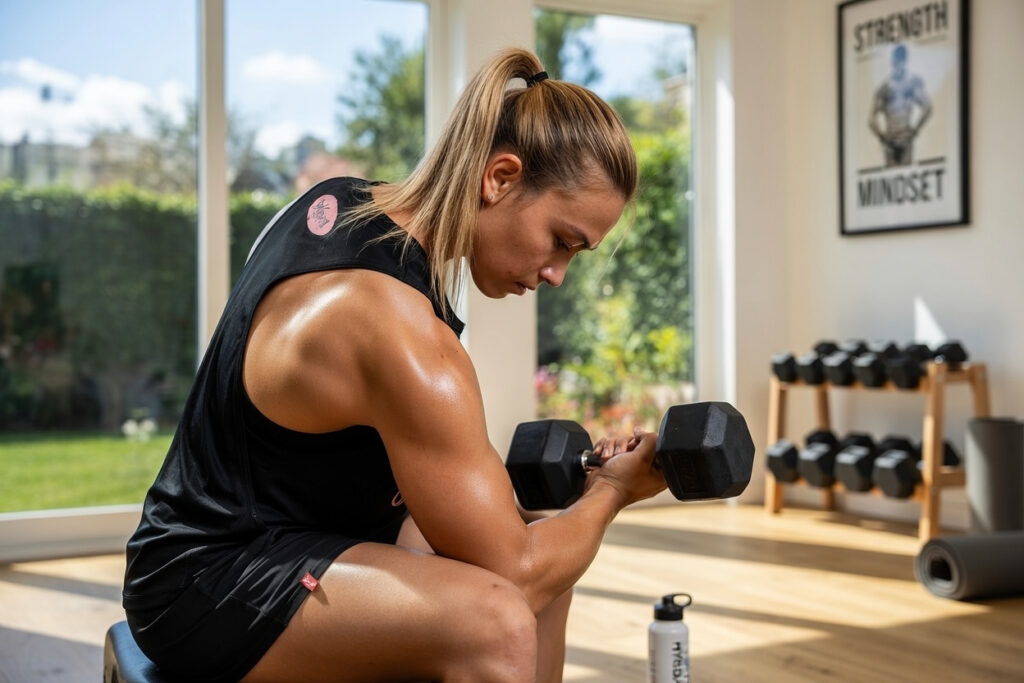
Your joints may be aging faster than you realize, even if you do not notice it right away. That is one reason physical therapists place such a strong focus on strength training as you get older.
Muscles help support your joints and act like shock absorbers for areas such as the knees, hips, and shoulders. When you improve muscle strength, you can reduce some of the daily wear and tear placed on the body. Strength also supports bone density and helps lower the risk of injury.
Building muscle can become more difficult with age, but it is still possible. The key is to start where you are and keep going.
2. Make Daily Mobility a Priority
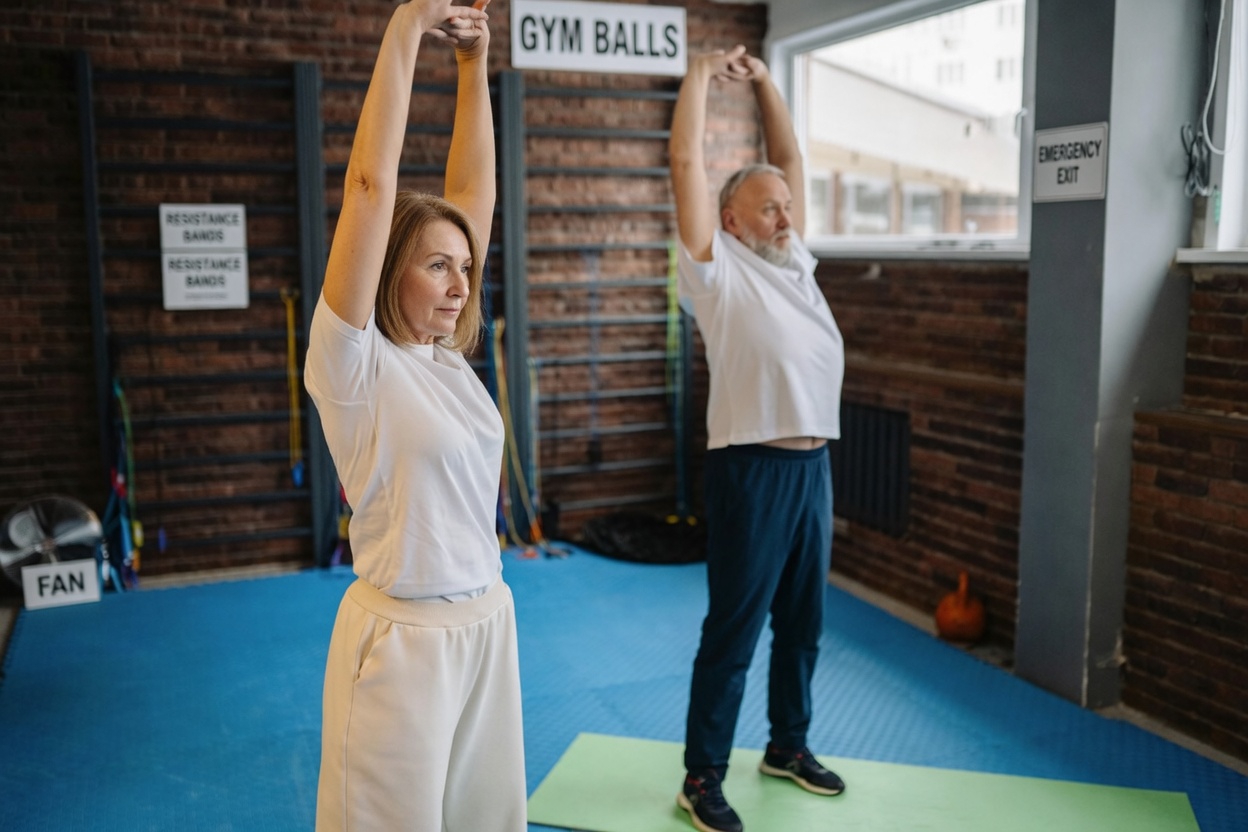
One of the biggest issues physical therapists notice with aging is stiffness. Mobility helps keep the body moving well over time, and it does not need to involve long or intense routines.
Simple movement during the day is often enough to help reduce joint tightness and discomfort. The more your joints move, the better their circulation and lubrication. Over time, these short mobility sessions can make a real difference.
You may begin to notice better walking ability, more confidence, and fewer limits from tight hips and shoulders.
3. Walk More for Long-Term Health
Walking is one of the most recommended forms of exercise, yet it is often overlooked. A daily walk can offer lasting benefits and help your body age in a healthier way.
Unlike some forms of exercise that may strain your joints or leave you exhausted, walking is easier to adapt for different ages and fitness levels. It supports circulation and overall health while placing minimal impact on the body.
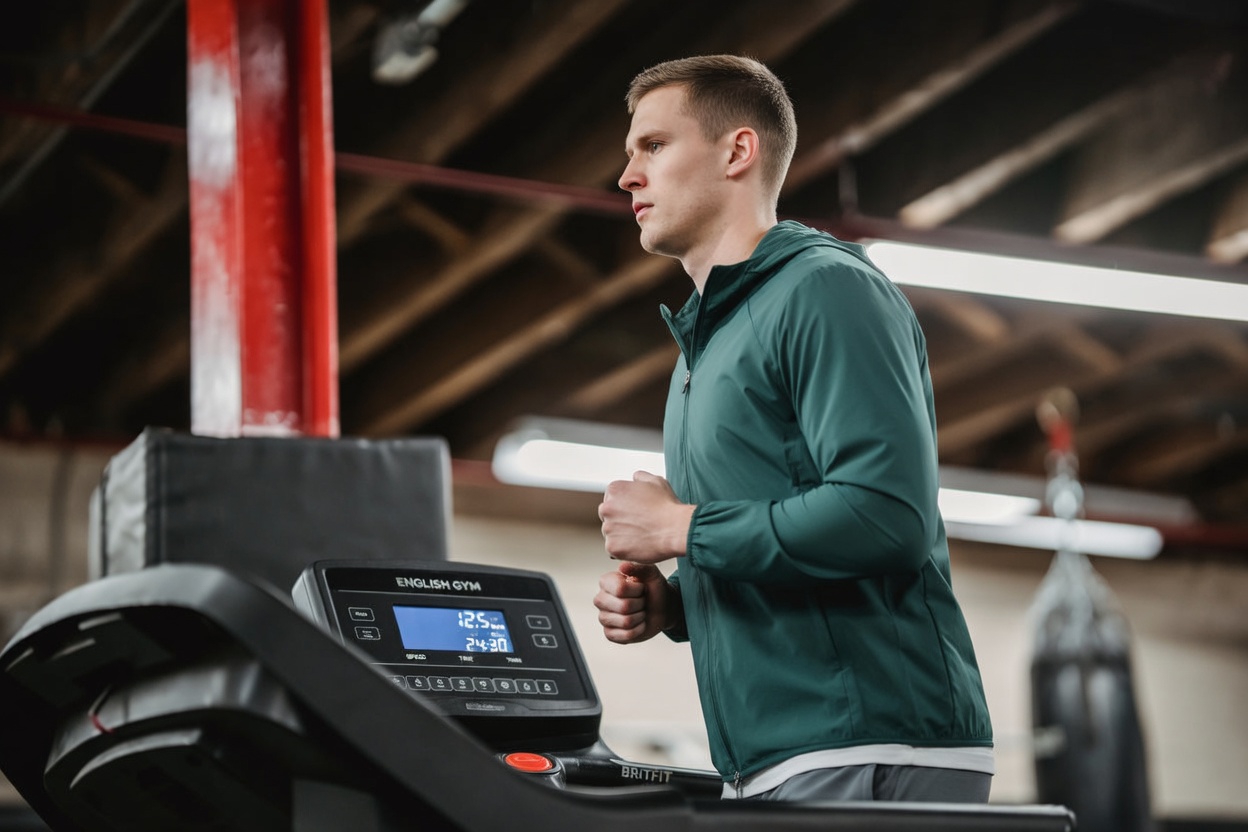
Walking outside can also help improve mood and focus. And if the weather is too hot or too cold, that does not mean you have to stop. A treadmill can be a practical alternative, and many treadmill workouts are designed to support long-term health.

4. Train Your Balance to Stay Independent
When you are young, a fall may not seem like a big deal. As you get older, it can become much more serious. Falls are a leading cause of injury in many older adults, which is why balance training matters.
You cannot always avoid every fall, but you can work on reducing the risk of injury. Balance depends on muscle strength, vision, and the nervous system. Practicing balance exercises helps strengthen stabilizing muscles and improve coordination.
Better balance can also build confidence and ease the fear of falling. In the long run, it plays an important role in maintaining independence.

5. Strengthen Your Core for Everyday Movement
Your core is involved in nearly everything you do each day. A stronger core supports the spine, improves posture, and can help reduce the risk of back pain.
Core training is not just about crunches. A functional core helps stabilize your body during movement, supports daily activities, and may help protect you against falls. Adding controlled core exercises at least twice a week can provide long-term benefits and help protect the lower back.
6. Recover Well to Stay Consistent
Recovery may seem unimportant when you are younger, but it becomes more essential over time. Without enough rest, the body eventually feels the effects. Exercise matters, but so does recovery, and overtraining increases the risk of injury.
Active recovery can help reduce chronic inflammation and support joint health. Sleep also plays a major role by giving the body time to reset for the next day. When you recover properly, it becomes easier to stay consistent with your workouts.
If your energy is low, mind-body workouts can support both physical and mental well-being.

Final Thoughts
There is no single perfect way to age well. The most effective approach is usually consistency. Small habits repeated every day can gradually change your lifestyle and help keep your body moving well.
Your routine should support movement and help your joints stay resilient. Occasional hard workouts may bring short-term results, but daily movement has a greater effect over time. Aging better is not about doing more. It is about training smarter, not harder.
Consult a healthcare professional before making changes.