Build Strong Abs and Burn Belly Fat: The Ab Exercises That Actually Work
Want visible six-pack abs, less belly fat, and better posture? Then it is important to know which ab exercises deliver results and which ones simply waste your effort.
Whether your goal is to slim your waist, strengthen your core, or improve overall body tone, core training should be a key part of your routine.
Still, not every ab workout is equally effective.
One of the best things about abdominal training is that many core exercises can be done anywhere, often with no equipment at all. With the right movements, you can create an effective home ab workout using only your bodyweight.
High-intensity interval training, or HIIT, also pairs well with ab training. Research suggests that combining fat-burning workouts with smart core exercises is one of the most effective ways to improve your midsection.
In this guide, you’ll learn which ab exercises are most effective for building core strength and developing a defined waistline. Most of these movements can be included in a bodyweight routine at home or added to your gym training plan.
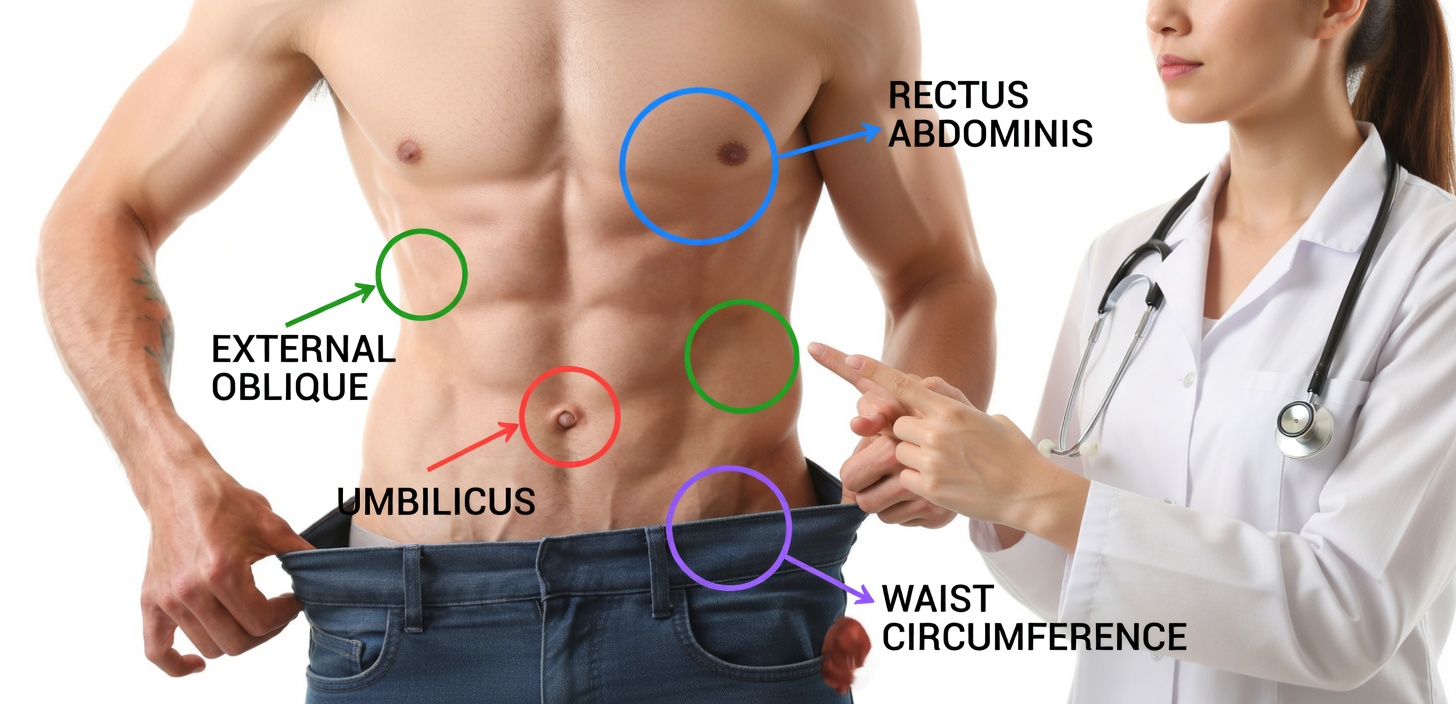
Important Truths About Ab Workouts
Before starting any abs routine, keep these key points in mind.
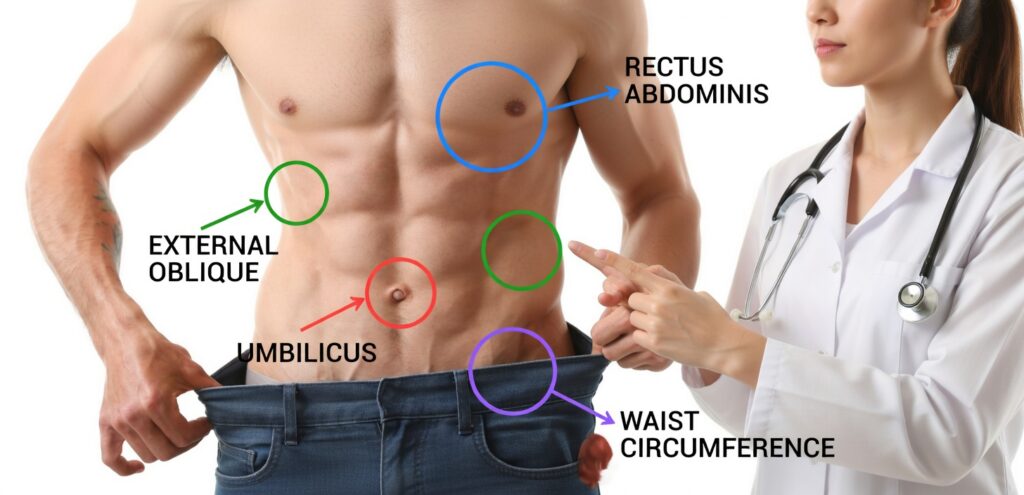
Training the rectus abdominis, the front abdominal muscles, does not automatically create a visible six-pack.
Lowering body fat does.
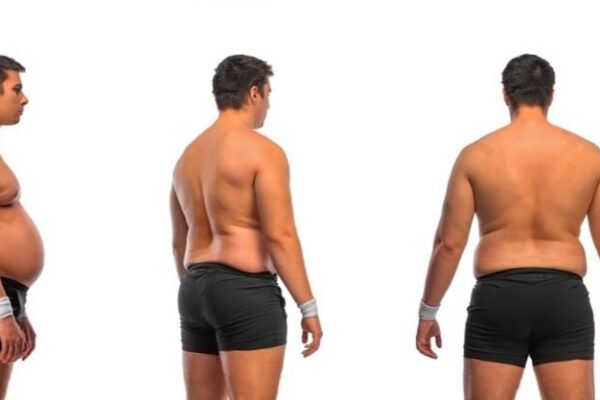
Doing ab exercises alone is not enough to significantly reduce belly fat. In most cases, getting leaner comes down mainly to nutrition.
A good rule of thumb is:
- 80% nutrition
- 20% exercise
The same idea applies to building a lean-looking midsection. Most of your effort should go toward fat loss, while ab training should support that process.
The exercises below are most effective when combined with a solid fat-loss plan. They can help reveal your abs, but they also do much more than that. A strong core includes:
- Rectus abdominis
- Obliques
- Transverse abdominis
- Lower back
- Diaphragm
Strengthening all of these areas improves posture, supports movement, and can even help reduce lower back pain. So ab training is not just about appearance—it is also important for long-term health and function.
The Best Ab Workouts for Six-Pack Abs
With those basics covered, let’s get into the workout itself.
Wear comfortable clothes that allow full movement, especially for floor exercises. Since some of these moves are done on the ground, using an exercise mat or another soft surface will help you stay focused and comfortable during each set.
1. Hanging Leg Raise
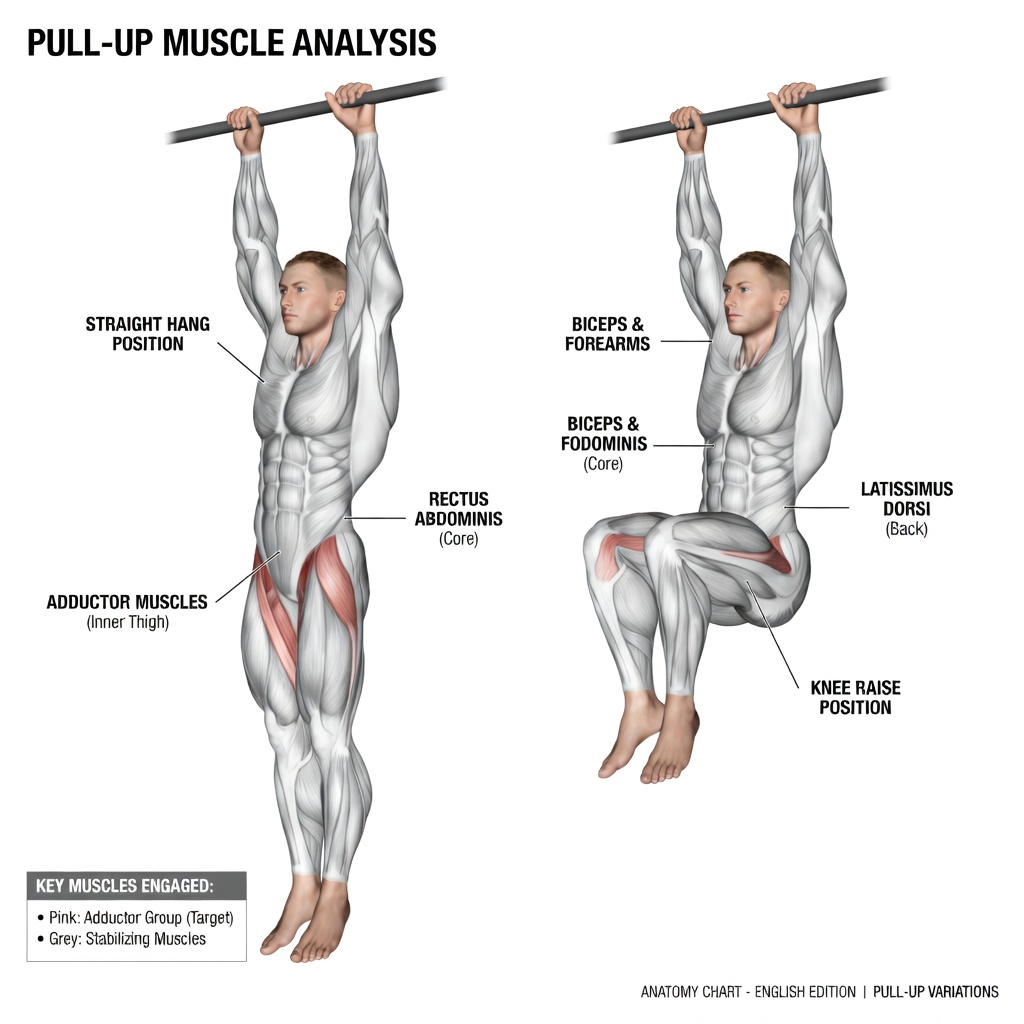
The hanging leg raise is an advanced core exercise that challenges your abs from top to bottom. It is especially effective for the lower abdominal area and requires a stable pull-up bar.
To perform it, hang from the bar and raise your legs upward using your core rather than momentum. Ideally, your feet should travel all the way up toward the bar. This movement trains both the upper and lower abs and also demands upper-body control.
If the full version feels too difficult, start with an easier variation:
- Lift your knees instead of straight legs
- Alternate one knee at a time if needed
- Focus on bringing the knees, thighs, and ankles up with control
Once you can complete 10 clean reps easily, you can increase the challenge with extra resistance such as a medicine ball or dumbbell. After that, progress to full hanging leg raises.
Another beginner-friendly option is to use a dip and leg raise station, which is common in most gyms.
Tips for Better Form
To get the most from this exercise:
- Use a full range of motion
- Begin from a dead hang
- Raise your legs with control instead of swinging
- Aim to bring your feet up until they gently touch the bar
A dead hang matters because it stretches the abdominal wall before the contraction. This makes the movement more effective and also helps strengthen your grip, wrists, forearms, and lats.
Think about tilting your pelvis correctly and lifting with intention. Shortened reps and poor form reduce muscle engagement and slow your progress.
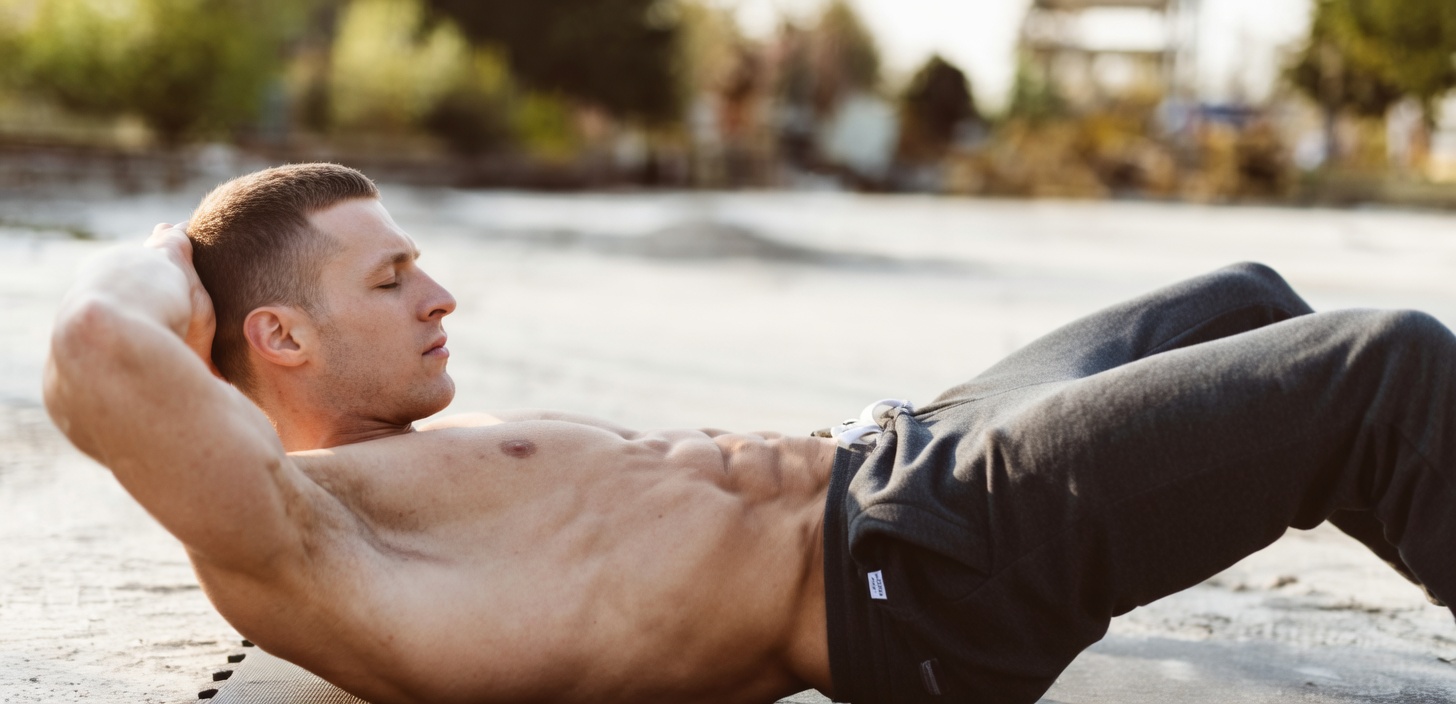
2. Ab Wheel Rollout
The ab wheel rollout is another highly effective exercise, but like the hanging leg raise, it is not ideal for complete beginners. The good news is that you can scale it down and improve gradually.
This movement trains the abs through a powerful anti-extension pattern. To return to the starting position, your rectus abdominis has to work hard to pull your torso back in line.
How to Do It
You can use either:
- A standard ab roller
- A barbell with weight plates on each side
If you choose a barbell, place a thick mat under your knees for comfort.
Follow these steps:
- Kneel on the mat.
- Grip the ab wheel or barbell firmly.
- Slowly roll forward until your torso gets close to parallel with the floor.
- Keep your hips down and your pelvis tucked.
- Use your abs to return to the starting position.
Try to avoid overusing your lats and forearms on the way back. The goal is to make your abs do the work. Some people find it helpful to train pull-ups first so the lats are slightly fatigued before doing rollouts.
This exercise also targets the transverse abdominis, a deep core muscle that plays a major role in stability. When performed through a full range, the rollout becomes one of the best exercises for building serious core strength.
Form Tips
- Keep your wrists straight
- Do not bend or extend the wrists during the movement
- Move slowly and stay in control
- Use a mat if you need more support
3. Plank
The plank may look simple, but it is far more challenging than it appears. If holding a plank for 45 seconds feels difficult, this movement deserves a place in your routine.
Planks train much more than just the front of the abs. They activate the entire core, as well as the lower body and quadriceps.
Unlike crunches or leg raises, the plank relies on an isometric contraction, meaning your abs work without changing length. This is one of the core’s most important functions.
Isometric exercises teach your body to stabilize. That ability helps you keep your torso strong while your arms and legs move. It also targets the transverse abdominis, which sits beneath the rectus abdominis and contributes heavily to core stability.
How to Do It
The most effective basic version is the forearm plank.
- Place your forearms on the floor.
- Clasp your hands if comfortable.
- Keep your body in a straight line from head to heels.
- Tuck your pelvis slightly.
- Hold the position.
Make It More Challenging
To increase the difficulty:
- Lift one foot slightly off the floor
- Move the foot out to the side, then return it
- Repeat on the other side
- Try suspending your feet in TRX straps if available
Plank Guidelines
- Hold for at least 30 seconds
- Beginners can start with 20 seconds
- Focus on time, not reps
- Keep your shoulder blades relaxed
- Position your feet about hip-width apart
This is one of the easiest and most effective exercises to include in a home workout. It is also excellent for improving posture.
4. Side Plank
The side plank is the next exercise in your routine, and it is often harder than the standard plank. Because fewer muscles are helping stabilize your body, the challenge increases quickly.
This move is especially good for the obliques and side core muscles, which are essential for rotational strength, balance, and posture.
You can move into a side plank directly from a standard plank by rotating your body to one side. Your supporting arm should create roughly a 90-degree angle with the floor.
How to Do It
Here is one way to set it up:
- Start on your hands and knees.
- Extend your right leg and place the outside of your right foot on the floor.
- Lower onto your right elbow and forearm.
- Stack your left leg on top of your right leg.
- Place your left hand on your hip or extend it upward.
- Lift your body into a straight line and hold.
Make sure your supporting elbow is cushioned with a mat for comfort.
Hold the position for 30 seconds if possible, then switch sides.
Side Plank Form Tips
- Keep your upper and lower body aligned in a straight line
- Support your weight through the elbow and foot
- Avoid letting the hips drop
- Repeat the same hold on the opposite side
Like the regular plank, the side plank strengthens both the upper and lower body while building serious core stability.
Final Thoughts
If your goal is a flatter stomach, stronger abs, and better posture, focus on the exercises that truly matter.
The most effective approach is to combine:
- Smart core training
- Consistent fat-loss nutrition
- Strategic HIIT or full-body exercise
Ab workouts alone will not melt belly fat, but they will help build a stronger, more functional core. When paired with healthy eating and overall training, these exercises can help you create a leaner, more defined midsection while also supporting posture and reducing lower back discomfort.
Choose quality movements, use proper form, and stay consistent. That is how real results happen.