
It’s Never Too Late to Start Exercising
Maybe you recently celebrated a milestone birthday. Whether you are 50, 60, 70, or beyond, you might be asking yourself an important question: Is it still possible to begin exercising now?
In most cases, the answer is absolutely yes.
Regular physical activity helps protect against many illnesses and age-related conditions. It can also support mental well-being, memory, and overall brain health. In reality, there are very few situations in which a person should not be active in some way.

You may also like:
- Over 60? Here Are 3 Hip Exercises You Should Be Doing
- Over 65? Here Are 5 of the Best Exercises You Can Ever Do
- Lose Your Belly in Your 50s With These Expert Tips
Why Exercise Matters More as You Age
If the benefits of exercise could be turned into a pill, it would be one of the most powerful treatments available.
Staying active offers a long list of health advantages, including:
- Better heart health
- Stronger lungs
- Lower risk of certain cancers
- Improved memory and cognitive function
- A more positive mood
- Stronger muscles and bones
Health concerns can appear at any age, but they often have a greater impact on older adults. That is why adding movement to your routine is so important, no matter when you begin.
Starting to Exercise Later in Life
If you have spent most of your life without a workout routine, getting started may feel intimidating.
The good news is that exercise does not have to mean intense gym sessions or exhausting workouts. Many enjoyable activities count as exercise and can help you meet recommended activity levels.
Examples include:
- Hiking
- Cycling
- Tennis
- Golf
- Brisk walking
- Swimming
To meet basic exercise recommendations, aim for 150 minutes of cardio each week. That could look like:
- One 3-set tennis match
- One short hike
- One easy bike ride
- A few walks spread throughout the week

Important Exercise Considerations for Older Adults
As people age, certain health conditions become more common. These issues should be taken into account before starting a new fitness plan.
Below are some of the most common concerns.
Osteopenia and Osteoporosis
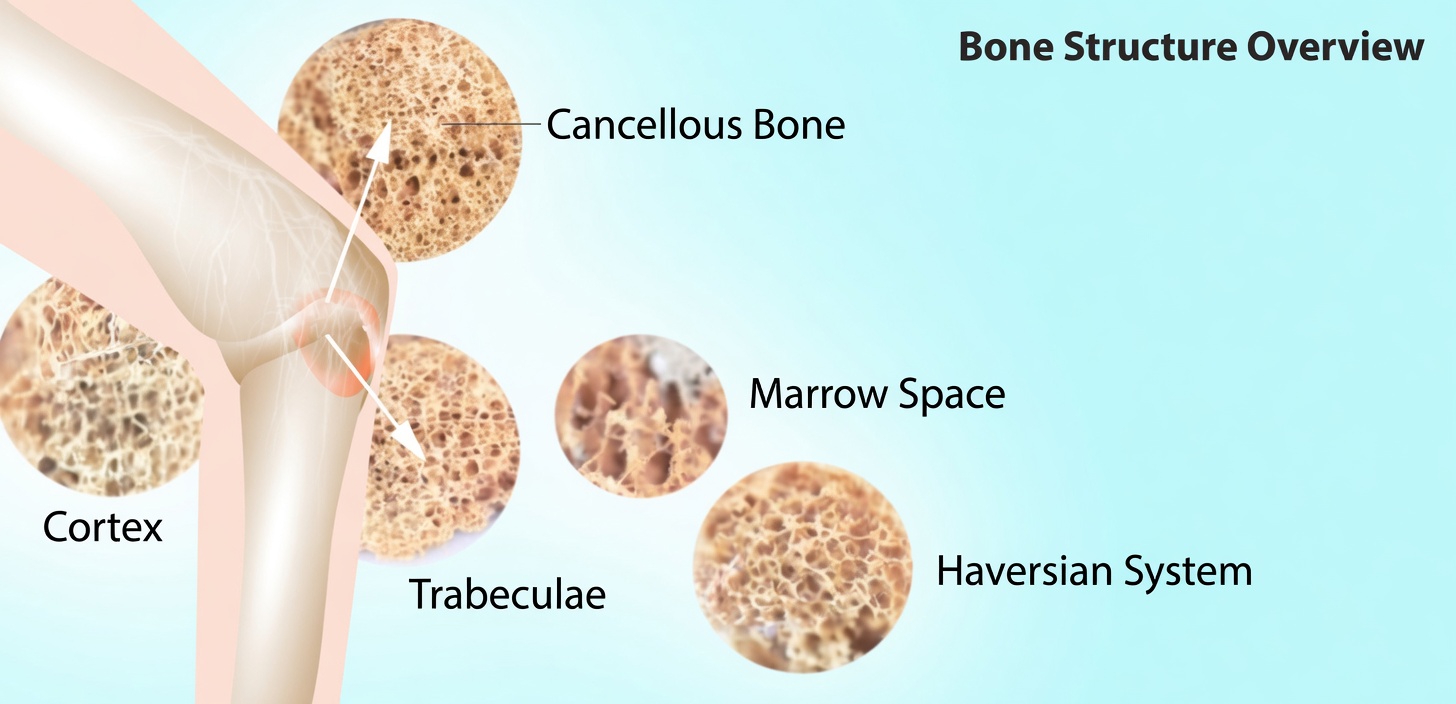
Osteopenia means the bones have become weaker than normal. When bone loss reaches a more severe level, it is diagnosed as osteoporosis.
With osteoporosis, the risk of fractures becomes much higher. In severe cases, even a small movement or sudden strain may lead to injury.
Because of this, exercise choices must be made carefully. People with low bone density should usually avoid:
- High-impact exercise such as jumping or jogging
- Excessive twisting or rotation, especially movements that stress the spine
- Heavy lifting unless supervised closely by a qualified professional
Safe movement is still possible, but it should be adjusted to protect fragile bones.
Heart Conditions and High Blood Pressure
Heart and blood vessel problems become more common with age. One of the most frequent issues in older adults is high blood pressure, also called hypertension.
Hypertension can be difficult to notice because it often has no obvious symptoms. That is why regular blood pressure checks are so important.
While high blood pressure may not cause immediate problems, over time it can place extra strain on the heart and increase the risk of:
- Stroke
- Heart attack
- Other cardiovascular complications
If you have high blood pressure and want to begin exercising, it may be wise to work with a trained fitness professional. A knowledgeable trainer can help you:
- Pace yourself properly
- Rest when needed
- Choose safe exercise intensity
- Monitor how your body responds
When it comes to heart health, caution is always important.
Arthritis
There are several types of arthritis, but the most common is osteoarthritis (OA). This condition develops over time as joints experience wear and tear.
Older adults are more likely to have osteoarthritis because their joints have been exposed to years of movement and stress.
If you have arthritis, start slowly and pay attention to discomfort. In general, people with arthritis should be cautious with:
- High-impact activities
- Exercises that increase joint pain
- Heavy weight-bearing lifts
Gentle, controlled movement is often a better choice and can still improve strength, mobility, and quality of life.
When to Talk to Your Doctor
If you are beginning an exercise routine later in life, it is a smart idea to keep your doctor informed.
Your physician can help by advising you on:
- Exercises to avoid
- Safe ways to manage medications around activity
- Health conditions that may affect your training
- Warning signs to watch for
Your doctor wants to help you become healthier. Before starting a new fitness program, scheduling a checkup is often the best first step.

Who Should Avoid Exercise?
Almost everyone can do some form of physical activity.
There are a few rare medical situations in which exercise may temporarily need to be avoided, but in most cases, restrictions do not last forever.
For example, someone who has just had open-heart surgery would not be expected to exercise immediately afterward. However, after a recovery period, that person may be able to begin a supervised and gradual rehabilitation program.
So while some people may need to delay exercise for a short time, very few need to avoid it completely for life.
Sample Exercise Plan for Older Adults
The following example is not a one-size-fits-all routine. Instead, think of it as a simple template that can be adjusted to fit your needs, ability level, and health history.
1. Resistance Training
You might schedule strength training on:
- Monday
- Wednesday
- Friday
Exercises could include:
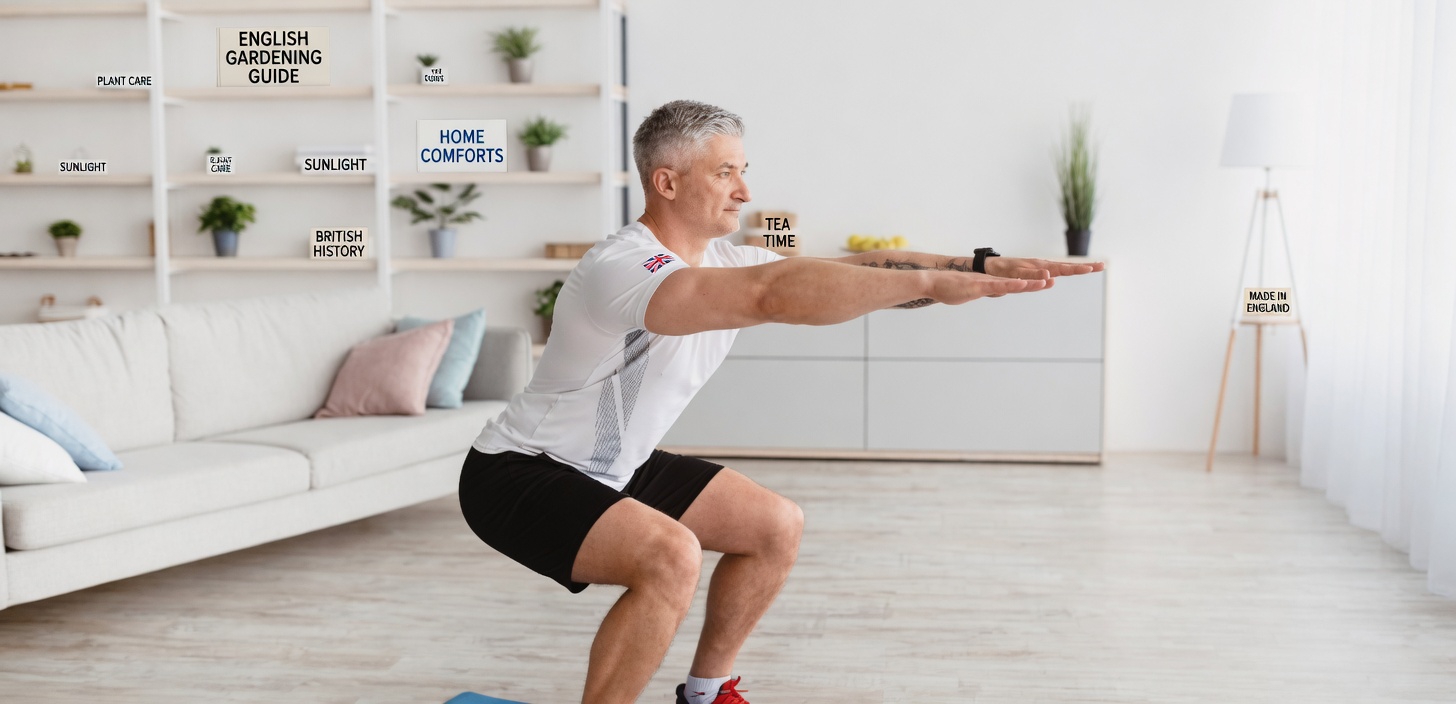
- Sit-to-stands
- Wall push-ups
- Dumbbell rows or rows using a household weighted object
For each exercise, try:
- 3 sets
- 10 repetitions
- Rest as much as needed between sets
These movements can help build muscle, improve balance, and support everyday function.
2. Cardio
To reach the recommended minimum of 150 minutes per week, you could do:
- A 30-minute moderate walk
- 5 days per week
You can choose whichever days work best for your schedule.

3. Flexibility and Mobility
Ideally, mobility and stretching should be done every day. At a minimum, aim for 3 days per week.
A simple routine might include:
- Seated double hamstring stretch
- Piriformis stretch while lying on your back
- Cat-cow stretch
You can perform this routine 3 to 7 times per week. Hold each stretch for:
- 30 seconds
- 4 repetitions per stretch
Mobility work can help reduce stiffness and improve comfort during daily movement.
How to Progress Safely
This beginner plan is a great way to maintain fitness and improve overall health. But over time, it is helpful to make gradual progress.
You can do that by slowly increasing:
- The number of repetitions
- The amount of time you exercise
- The intensity of your activity
The key is simple: do just a little more than you did before.
Small, steady improvements are often the safest and most effective approach.
Yes, You Can Do This
If starting exercise later in life feels overwhelming, you are not alone. Many older adults feel nervous in the beginning.
But the most important thing to remember is this: it is not too late.
You do not need to become an athlete overnight. You just need to begin. With the right plan, the right pace, and the right support, exercise can help you become stronger, healthier, and more confident at any age.