Vitamin C for Age Spots: How It Helps Brighten and Even Skin Tone
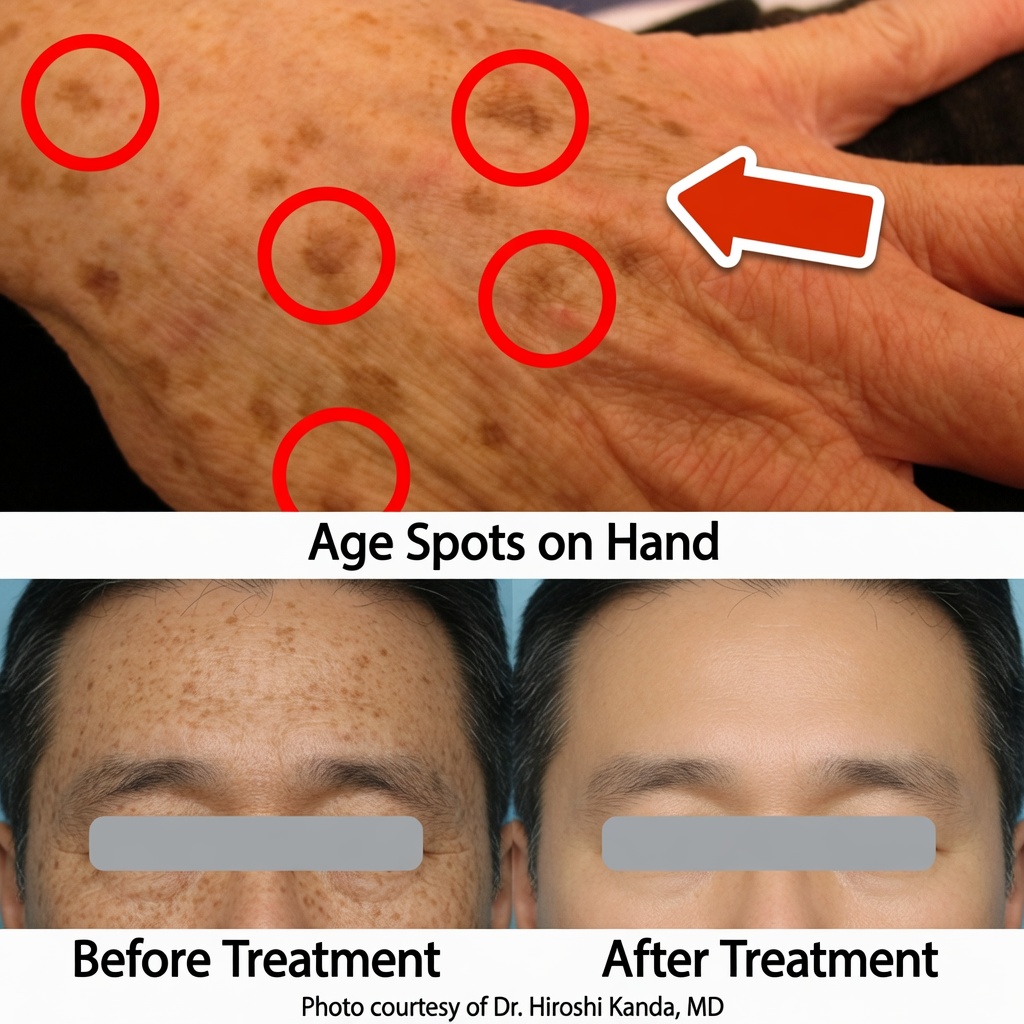
Vitamin C (ascorbic acid) is a well-known antioxidant that can gradually reduce the look of age spots, improve uneven skin tone, and support a brighter, healthier-looking complexion. Age spots—often called sun spots or liver spots—typically develop after repeated sun exposure and ongoing oxidative stress. Adding Vitamin C to your skincare routine can help fade these marks with consistent use.
Why Vitamin C Can Help Fade Age Spots
-
Helps reduce excess melanin
- Vitamin C can slow down tyrosinase, an enzyme involved in melanin production. This may lighten existing dark spots and help limit new discoloration.
-
Supports collagen production
- By encouraging collagen synthesis, Vitamin C can improve firmness and elasticity, which helps soften visible signs of skin aging.
-
Protects against free radical damage
- UV rays and pollution create free radicals that accelerate oxidative stress—one of the drivers behind age spots. Vitamin C helps neutralize these unstable molecules.
-
Boosts overall radiance
- Regular use often leads to a brighter, more even-looking skin tone and a fresher appearance.
How to Use Vitamin C for Age Spots
1) Apply a Vitamin C Serum
How to use it
- Cleanse your face thoroughly.
- Apply 3–4 drops of Vitamin C serum, concentrating on areas with visible spots.
- Follow with moisturizer and then sunscreen (essential for preventing additional darkening).
When to apply
- Morning and/or evening, depending on the product instructions and your skin’s tolerance.
2) Make a DIY Vitamin C Face Mask
Ingredients
- 1 teaspoon Vitamin C powder (L-ascorbic acid)
- 2 teaspoons aloe vera gel
- 1 teaspoon rose water
Directions
- Mix everything into a smooth paste.
- Apply to the face, focusing on age spots.
- Leave on for 15–20 minutes, then rinse with lukewarm water.
- Use 1–2 times per week.
3) Increase Vitamin C Through Diet
Vitamin C-rich foods
- Oranges, lemons, grapefruit
- Strawberries
- Bell peppers
- Kiwi
- Guava
Daily intake goal
- Most adults should aim for about 75–90 mg per day.
Additional Vitamins That Can Support Results
Vitamin E
- Works well alongside Vitamin C to help defend against sun-related damage and support skin recovery.
- Food sources: almonds, sunflower seeds, spinach.
Vitamin A (Retinol)
- Encourages faster skin cell turnover, which can help dark spots fade over time.
- Food sources: sweet potatoes, carrots, leafy greens.
Niacinamide (Vitamin B3)
- Helps reduce the appearance of hyperpigmentation and strengthens the skin barrier.
- Commonly found in non-prescription creams and serums.
Precautions and Best Practices
- Patch test first: Test any new Vitamin C product on a small area to check for irritation or allergy.
- Wear sunscreen daily: Vitamin C works best with consistent UV protection. Use a broad-spectrum SPF 30+.
- Store it correctly: Keep Vitamin C products in a cool, dark place to slow oxidation and maintain effectiveness.
Final Thoughts
Vitamin C is a practical, science-backed option for fading age spots, improving skin brightness, and supporting a more youthful look. With regular use and strong sun protection, it can help restore a clearer, more radiant complexion.