DASH Diet: A Top-Ranked Eating Plan for Healthy Living
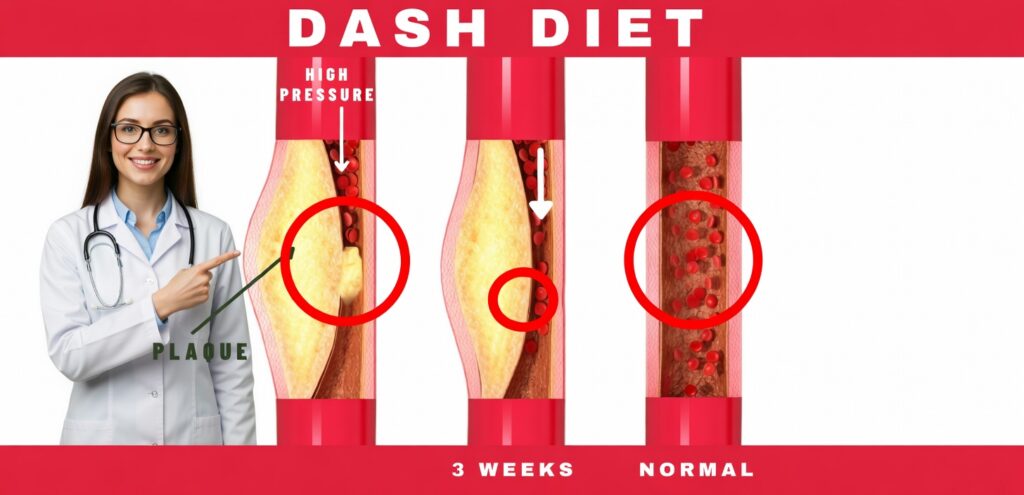
The DASH diet was ranked #1 for “Best Diets for Healthy Eating” by U.S. News & World Report. DASH stands for Dietary Approaches to Stop Hypertension, a nutrition plan widely recognized for supporting heart health and helping prevent disease.
The National Heart, Lung, and Blood Institute recommends the DASH diet for people with high blood pressure. Beyond hypertension, research also links this eating pattern to lower inflammation, better blood sugar control, and a reduced risk of certain cancers.
Understanding Blood Pressure
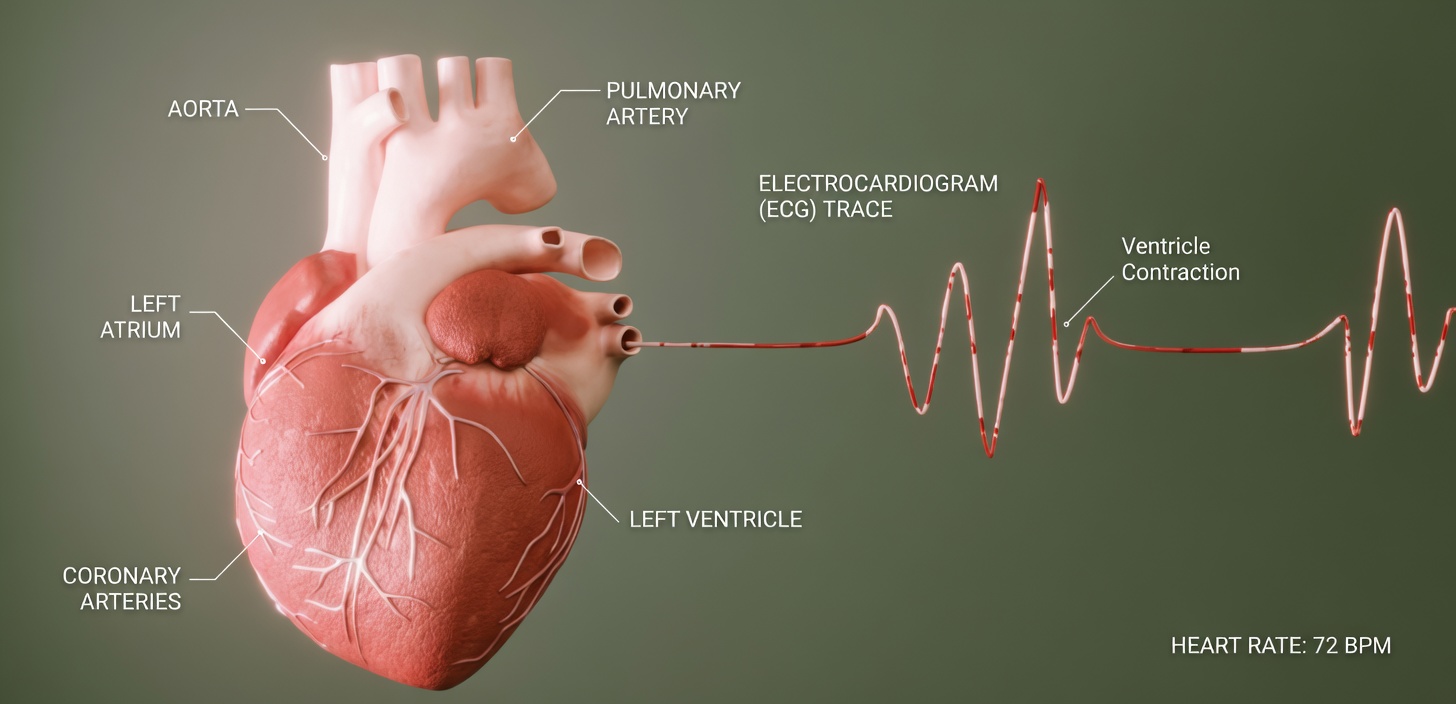
Blood pressure measures the force of blood against your blood vessels. A reading is shown as two numbers, such as 120/80 mm Hg.
- The top number is systolic blood pressure. It shows how much pressure is placed on the arteries when the heart beats.
- The bottom number is diastolic blood pressure. It reflects the pressure in the arteries when the heart rests between beats.
Although both values matter, many healthcare providers pay especially close attention to the systolic number.
According to the American Heart Association, blood pressure categories are:
- Normal: less than 120 / less than 80
- Elevated: 120–129 / less than 80
- High Blood Pressure Stage 1: 130–139 / 80–89
- High Blood Pressure Stage 2: 140 or higher / 90 or higher
- Hypertensive crisis: higher than 180 / higher than 120
A hypertensive crisis is a medical emergency and requires immediate medical attention.
People with elevated or high blood pressure face a greater risk of:
- Heart attack
- Heart disease
- Kidney damage
- Stroke
What Is the DASH Diet?
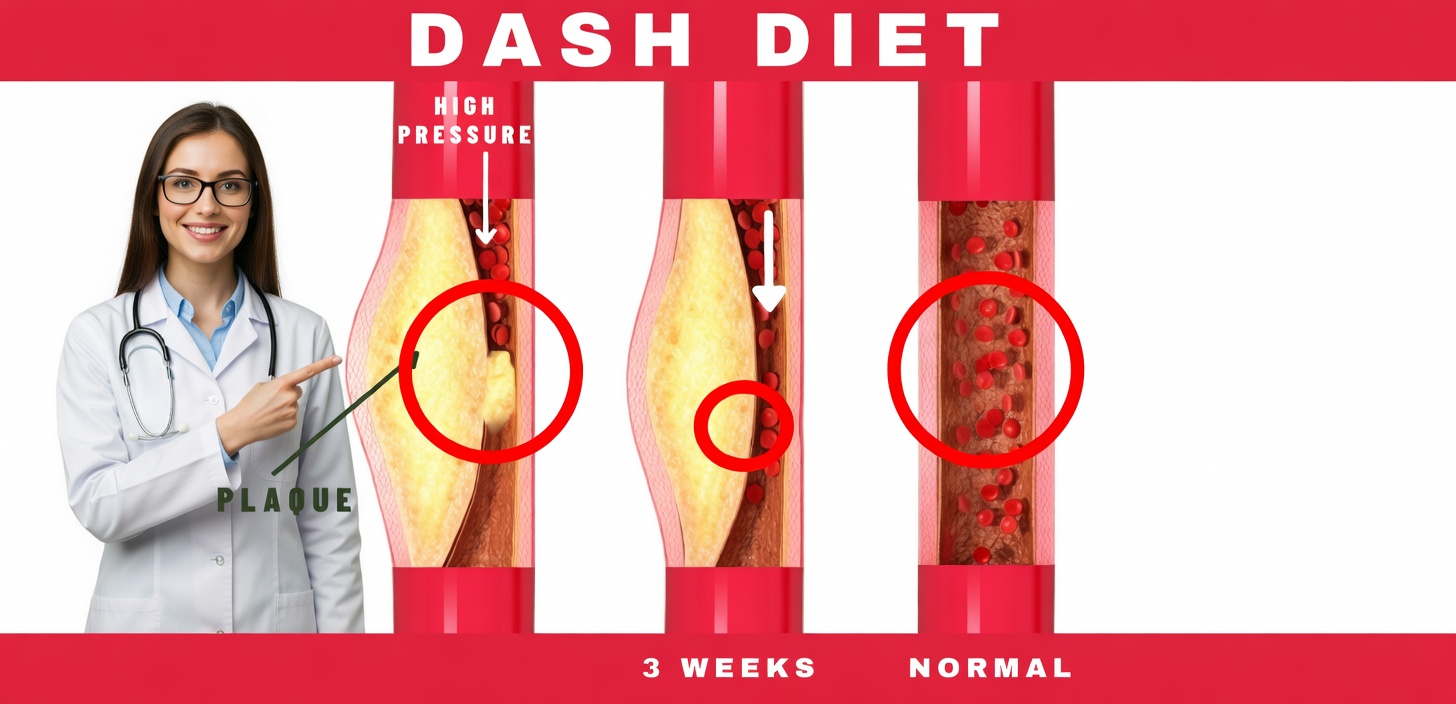
The DASH diet is a healthy eating plan designed to lower blood pressure. Hypertension affects nearly one billion people worldwide, making it a major global health concern.
Because diets high in sodium are associated with high blood pressure, doctors often advise limiting salt intake. The DASH plan recommends keeping sodium to 2,300 mg per day or less, which is about one teaspoon of salt.
The diet focuses on nutrient-rich foods, including:
- Vegetables
- Fruits
- Whole grains
- Low-fat or fat-free dairy
- Fish
- Poultry
- Beans
- Nuts
- Vegetable oils
These foods provide important nutrients such as potassium, magnesium, and calcium, all of which play a role in supporting healthy blood pressure.
The DASH diet also encourages limiting:
- Fatty meats
- Full-fat dairy products
- Sugary drinks
- Sweets
- High-sodium processed foods
Health Benefits of the DASH Diet
Helps Lower Blood Pressure
The best-known advantage of the DASH diet is its ability to reduce blood pressure.
In one study, people who followed the DASH eating plan lowered their:
- Systolic blood pressure by an average of 5 points
- Diastolic blood pressure by an average of 3 points
These improvements appeared within just a few weeks.
In another study involving people with blood pressure readings above 140/90, participants followed the DASH diet for only three weeks and experienced:
- An 11-point drop in systolic pressure
- A 7-point drop in diastolic pressure
Supports Heart Health
The DASH diet is also associated with a lower risk of cardiovascular disease. Research reviews have found that following this eating pattern may reduce the risk of:
- Cardiovascular disease by 20%
- Coronary heart disease by 21%
- Stroke by 19%
- Heart failure by 29%
May Lower Cancer Risk
People who follow the DASH diet may also have a lower chance of developing colorectal cancer. In one study, men following the DASH plan had a 33% lower risk of this type of cancer.
Improves Metabolic Health and Reduces Diabetes Risk
The DASH diet is not only helpful for blood pressure. It also supports metabolic health. People who follow this eating plan often show healthier levels of:
- Blood sugar
- Insulin resistance
- C-reactive protein
- HDL cholesterol
Even though DASH was created for hypertension, it is also a smart choice for people at risk of type 2 diabetes. Research suggests it may lower the risk of developing type 2 diabetes by 20%.
The American Diabetes Association also recognizes the DASH diet as a healthy option for people with diabetes. In one study, participants with diabetes who followed DASH experienced:
- A 1.7% reduction in A1C
- A 29% drop in fasting blood sugar
What Foods Can You Eat on the DASH Diet?
The DASH diet centers on vegetables, fruits, whole grains, low-fat dairy, and lean protein. A simple way to build a DASH-friendly plate is:
- Fill half your plate with vegetables
- Use one-quarter for whole grains
- Use the final one-quarter for lean meat or plant protein
It also helps to eat a variety of colors, sometimes called “eating the rainbow,” to get a broader range of nutrients from fruits and vegetables.
For a 2,000-calorie diet, the National Heart, Lung, and Blood Institute recommends the following daily or weekly servings.
DASH Diet Serving Guide
Vegetables: 4–5 Servings Per Day
One serving of vegetables can be:
- 1 cup raw leafy vegetables such as spinach, kale, arugula, collard greens, turnip greens, romaine, or mixed salad greens
- 1/2 cup raw or cooked vegetables such as tomatoes, carrots, sweet potatoes, bell peppers, onions, mushrooms, cabbage, Brussels sprouts, broccoli, zucchini, squash, snap peas, cauliflower, eggplant, beets, asparagus, parsnips, green peas, or green beans
Vegetables are rich in:
- Potassium
- Magnesium
- Fiber
Fruits: 4–5 Servings Per Day
One serving of fruit can be:
- 1 medium fruit such as a banana, apple, orange, or pear
- 1/4 cup dried fruit such as raisins, prunes, figs, or cranberries, preferably with no added sugar
- 1/2 cup fresh, frozen, or canned fruit such as strawberries, blueberries, raspberries, peaches, mango, pineapple, or grapes
Fruits, like vegetables, provide:
- Potassium
- Magnesium
- Fiber
Berries are especially valued for their antioxidants, which support overall health.
Grains: 6–8 Servings Per Day
Choose whole grains as often as possible. One serving may include:
- 1 slice of bread
- 1 ounce dry cereal, such as unsweetened shredded wheat
- 1/2 cup cooked brown rice
- 1/2 cup cooked quinoa
- 1/2 cup cooked whole-grain or plant-based pasta
- 1/2 cup cooked plain oatmeal or steel-cut oats
- 6 whole-grain crackers
- 3 cups plain popcorn
- 1/2 cup corn
Whole grains provide:
- Fiber
- Vitamins
- Minerals
Refined grains are more processed and usually contain fewer nutrients.
Lean Meat, Poultry, and Fish: 6 or Fewer Servings Per Day
One serving equals:
- 1 ounce cooked meat, poultry, or fish
Examples include:
- Chicken
- Turkey
- Salmon
- Tuna
- Halibut
- Shrimp
- Tilapia
To estimate portions:
- 1 ounce of cooked meat is about the size of a matchbox
- 3 ounces is about the size of a deck of cards
Fat-Free or Low-Fat Dairy: 2–3 Servings Per Day
One serving includes:
- 1 cup fat-free or low-fat milk
- 1 cup low-fat yogurt
- 1 1/2 ounces reduced-fat cheese
Low-fat dairy offers key nutrients like:
- Calcium
- Protein
Nuts, Seeds, and Legumes: 4–5 Servings Per Week
One serving may be:
- 1/3 cup nuts such as peanuts, almonds, walnuts, pecans, pistachios, or cashews
- 2 tablespoons nut butter such as peanut, almond, or cashew butter
- 2 tablespoons seeds such as sunflower or pumpkin seeds
- 1/2 cup cooked beans or legumes such as black beans, kidney beans, pinto beans, lentils, or chickpeas
These foods add:
- Plant protein
- Healthy fats
- Fiber
- Minerals
Why the DASH Diet Works
The DASH diet is effective because it emphasizes whole, minimally processed foods while limiting excess sodium, added sugar, and unhealthy fats. It is not a fad diet. Instead, it is a balanced, sustainable eating pattern that supports long-term health.
For people with high blood pressure, heart disease risk, or concerns about diabetes prevention, the DASH diet is one of the most trusted and research-backed options available.
Final Thoughts
The DASH diet is more than a plan for lowering blood pressure. It is a practical, science-based way to improve overall wellness. With its focus on fruits, vegetables, whole grains, low-fat dairy, and lean proteins, it can help protect against hypertension, heart disease, diabetes, and even some cancers.
If you want a simple and effective approach to healthy eating, the DASH diet remains one of the best choices for long-term health.