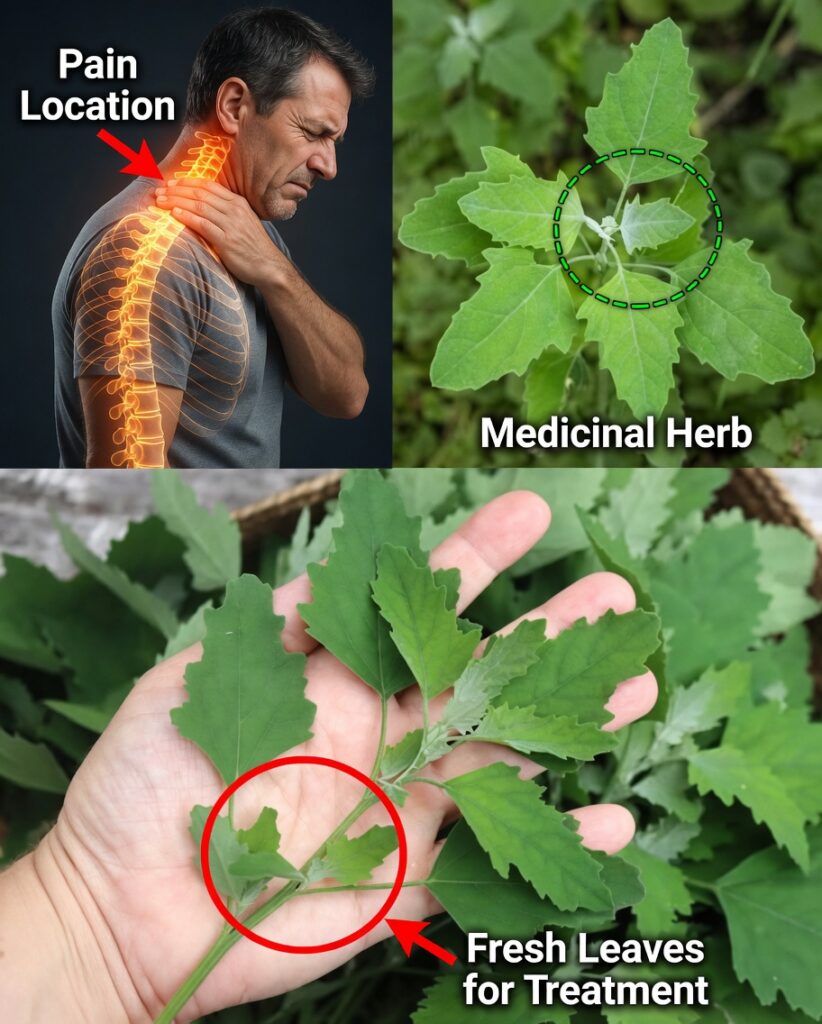
Wild Mallow (Malva): The Overlooked Wild Superfood Growing Right Under Your Feet
Kale, quinoa, and acai often steal the spotlight, but one nutrient-rich wild plant has quietly supported people for centuries—used in traditional healing and everyday survival cooking. It grows readily in many regions, offers impressive natural benefits, and is still frequently dismissed as a simple “weed.”
That forgotten superfood is Wild Mallow (Malva).
Known across Mediterranean, Middle Eastern, and Indigenous food traditions, wild mallow is valued for its soothing, immune-supporting, anti-inflammatory, and cleansing properties. If you want a free (or low-cost), natural, and versatile edible green, wild mallow is worth rediscovering.
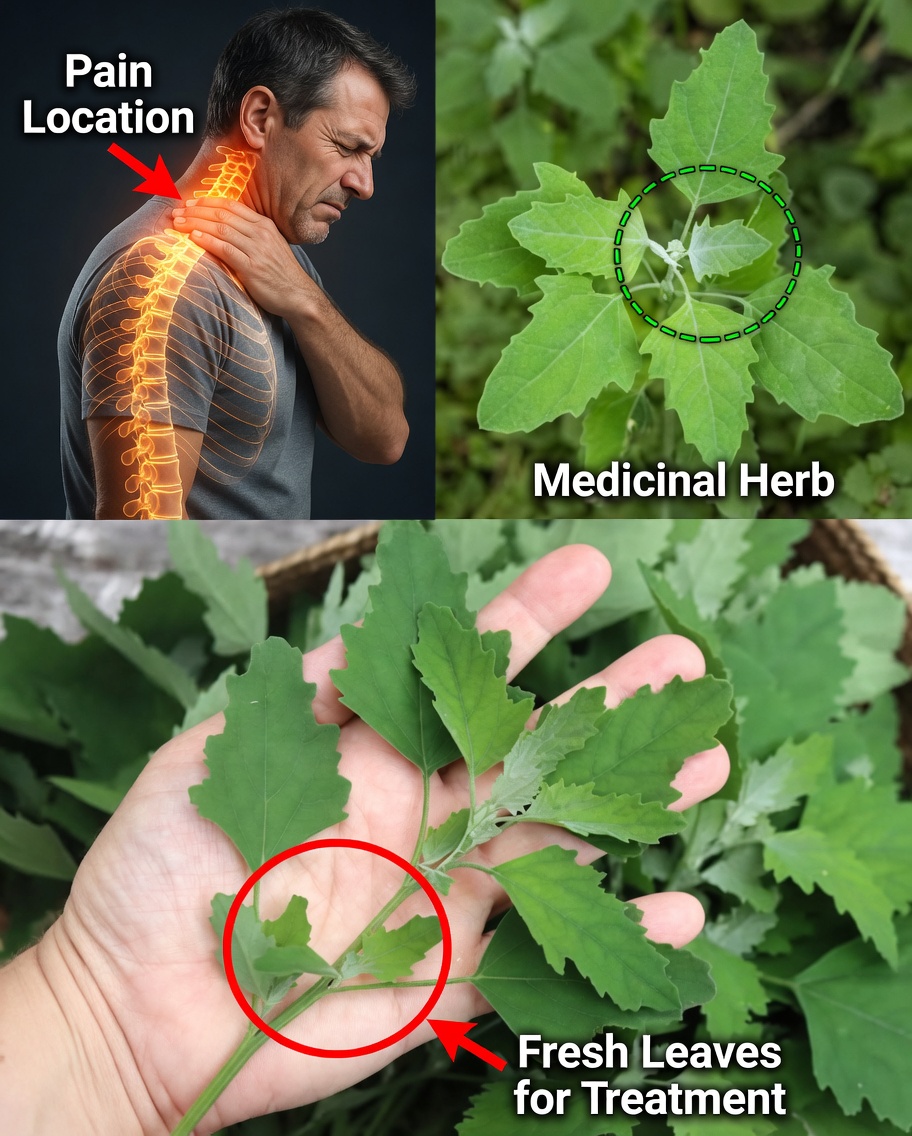
What Is Wild Mallow (Malva)?
Wild mallow (Malva sylvestris) is an edible plant commonly found in fields, roadsides, gardens, and uncultivated ground. In herbal traditions, it has long been used to calm the digestive system, ease irritation, and support overall wellness.
One of its best features is that nearly the entire plant is edible—including the leaves, flowers, stems, and seeds—making it both practical and highly nutritious.
Historical note: Ancient civilizations, including the Romans and Egyptians, used mallow as a staple plant for common complaints such as throat discomfort and digestive issues.
Why Wild Mallow Is Considered a Nutritional Powerhouse
Wild mallow is low in calories but rich in helpful compounds that support the body in multiple ways. Here’s what makes it stand out as a wild superfood:
- Vitamins and minerals: A source of Vitamin A, Vitamin C, and Vitamin E, which contribute to immune function, skin health, and vision.
- Antioxidant support: Contains antioxidants that help the body manage oxidative stress and support healthy aging.
- Digestive comfort: Naturally high in mucilage, a gel-like fiber that can coat and soothe the gut, supporting relief from bloating and constipation.
- Immune-friendly properties: Traditionally associated with antiviral and antibacterial support, often used during seasonal challenges.
- Skin and hair benefits: Known for hydrating and calming effects, which may help with dryness, irritation, or blemish-prone skin.
- Natural cleansing support: Often used as a gentle diuretic, helping the body flush excess fluid and waste.
How to Eat Wild Mallow: Simple Ways to Add It to Your Diet
Wild mallow is easy to use in everyday meals, whether you prefer it raw or cooked:
-
Fresh in salads
Use young leaves and flowers for a mild, nutrient-boosting addition. -
Cooked like spinach
Sauté with olive oil and garlic, or stir into soups, stews, and savory dishes. -
Wild mallow tea (herbal infusion)
Steep dried leaves and flowers in hot water for a gentle, soothing drink. -
Blended into smoothies
Add fresh leaves to a fruit smoothie for an easy green boost. -
Wild mallow pesto
Blend mallow with olive oil, garlic, and nuts for a flavorful spread or pasta sauce.
Where to Find Wild Mallow
Wild mallow often grows in open fields, along paths and roadsides, and in home gardens. If you plan to forage, choose areas that are:
- Free from pesticides and herbicides
- Away from heavy traffic or polluted runoff
- Clean and safe for harvesting edible plants
If foraging isn’t practical, look for wild mallow as dried leaves, dried flowers, or tea blends at farmers’ markets, herbal shops, and specialty grocery stores.
Final Thoughts: A “Weed” Worth Rediscovering
Wild mallow is a forgotten superfood that’s affordable, widely available in many regions, and surprisingly easy to use. Whether your goal is better digestion, stronger immune support, or healthier-looking skin, this traditional edible plant can be a smart addition to a natural wellness lifestyle.