Garlic and Black Pepper for Leg Pain, Rheumatism, Varicose Veins, and Arthritis: Traditional Uses and Practical Guidance
Across many cultures, garlic and black pepper have been used in folk remedies to support circulation, ease minor aches, and help with inflammation-related discomfort. People often turn to these spices for concerns such as leg pain, rheumatism, varicose veins, and arthritis.
That said, these approaches are not a replacement for medical care, especially if symptoms are severe, persistent, or getting worse. For ongoing pain, swelling, or mobility issues, it’s important to seek professional healthcare advice.
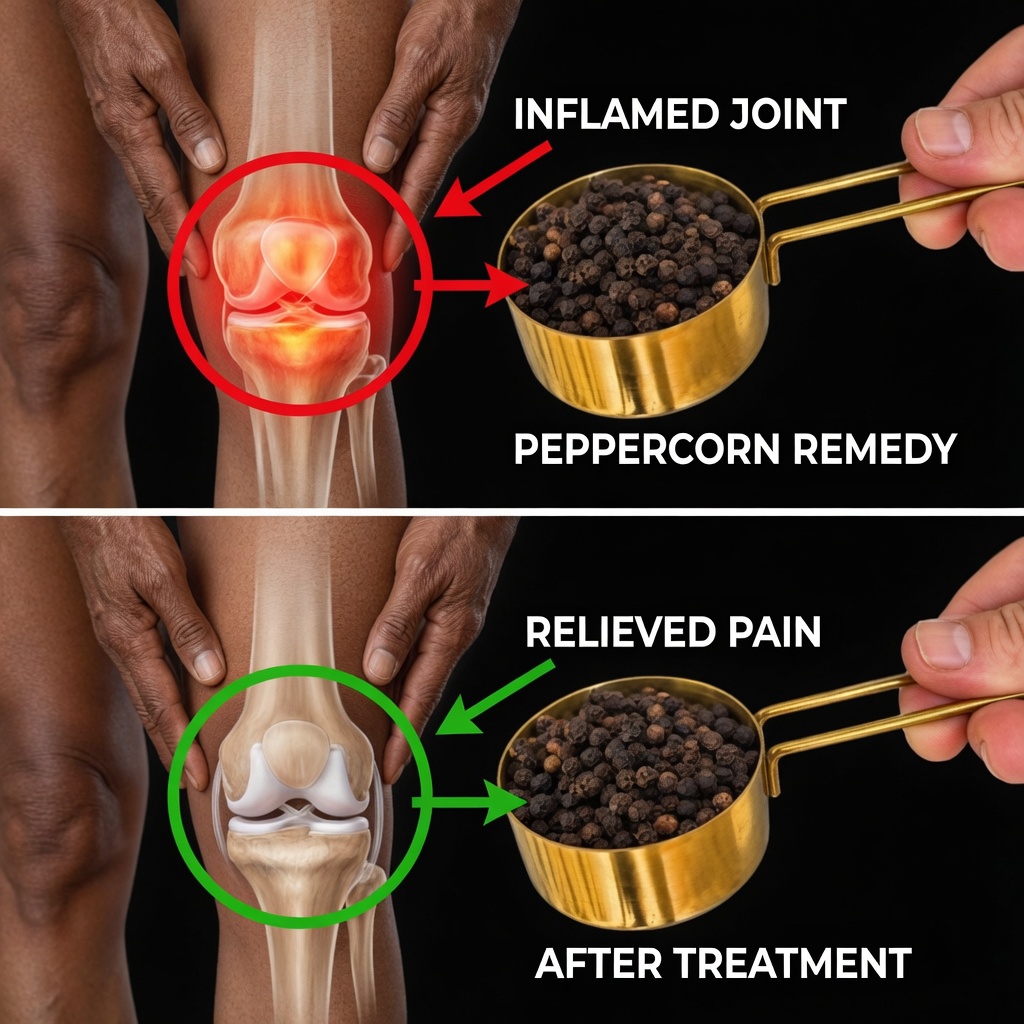
Why Garlic and Black Pepper Are Used in Traditional Remedies
Garlic
-
Key compound: Allicin
When fresh garlic is crushed, it forms allicin, a sulfur-based compound studied for its antimicrobial and anti-inflammatory activity in laboratory research. -
May support healthy blood flow
Garlic is often linked with circulatory support, including potential benefits for maintaining normal blood pressure and helping blood vessels stay more flexible. -
Antioxidant and anti-inflammatory potential
Garlic’s natural antioxidants may help the body manage inflammatory processes involved in conditions like arthritis and rheumatism.
Black Pepper
-
Main active compound: Piperine
Piperine is the best-known bioactive component in black pepper and is associated with mild anti-inflammatory effects in some research contexts. -
Helps improve absorption (bioavailability)
Black pepper is commonly paired with other foods and herbs because piperine may help the body absorb and use certain beneficial compounds more efficiently. -
Natural warming sensation
When applied topically (in carefully diluted preparations), black pepper can create a gentle warming feeling, which some people find soothing for mild stiffness or aches.
Potential Benefits by Condition (Traditional and Supportive Uses)
Leg Pain and Rheumatism
-
How garlic may help
- May assist with inflammation reduction in tissues and joints.
- Could support circulation, which some people associate with less stiffness and mild swelling.
-
How black pepper may help
- The warming effect may ease minor muscle tightness or stiffness.
- May support the effectiveness of other anti-inflammatory ingredients by improving absorption.
Varicose Veins
-
Circulation-focused support
- Garlic is sometimes included in natural routines for varicose vein discomfort due to its reputation for supporting blood flow.
- Better circulation may help with heaviness or swelling, but noticeable varicose veins often require clinical strategies such as compression therapy or medical procedures.
-
Inflammation-related comfort
- Reducing irritation and inflammation may indirectly help with discomfort associated with vein issues, though it will not “cure” varicose veins.
Arthritis
-
Support for inflammatory pathways
- Garlic and black pepper both contain compounds traditionally associated with helping the body manage inflammatory responses that contribute to joint pain.
-
Possible help with stiffness and mobility
- Some individuals report less morning stiffness or improved movement when using anti-inflammatory spices regularly, but results vary and arthritis typically needs a multifaceted treatment plan.
How to Use Garlic and Black Pepper Safely and Effectively
1) Add Them to Your Diet
- Garlic (raw or cooked)
- Chop or crush fresh garlic, then let it rest for a few minutes before cooking—this can support allicin formation.
- Black pepper in meals
- Freshly ground pepper generally retains more active compounds than pre-ground versions.
- Pair with healthy fats
- Using these spices with fats like olive oil can help the body absorb certain nutrients more effectively.
2) Make a Simple Garlic–Pepper Infusion (Tea-Style)
Basic method:
- Crush 1 garlic clove.
- Add a small pinch of freshly ground black pepper.
- Pour hot water over the mixture and steep for 5–10 minutes.
- Optional: add lemon or a small amount of honey for taste.
Traditional intent: gentle warming, mild circulatory stimulation, and light anti-inflammatory support.
3) Topical Use (Anecdotal)
Garlic oil with black pepper (diluted):
- Warm a carrier oil (such as olive oil) with 1–2 crushed garlic cloves and a small amount of black pepper.
- Let it cool, then strain.
- Massage a small amount into areas with minor joint or muscle discomfort.
Skin caution: garlic and black pepper can irritate skin.
- Do a patch test first.
- Stop use if you notice burning, redness, itching, or discomfort.
4) Supplements (With Professional Guidance)
- Garlic supplements
- Options include aged garlic extract or “odorless” formulas for convenience.
- Black pepper extract (piperine)
- Often added to supplement blends to improve absorption (for example, products combining piperine with other plant compounds).
Important: If you take blood thinners, blood pressure medication, or have medical conditions, consult a healthcare professional before adding supplements due to possible interactions.
Extra Precautions and Helpful Tips
-
Watch for sensitivities
- Garlic may cause digestive upset in some people—start with small amounts.
- Excess black pepper may irritate the stomach or intestines in sensitive individuals.
-
Not a stand-alone solution
- While these spices may support comfort, long-term issues like arthritis, rheumatism, varicose veins, or persistent leg pain often require broader care (medication, physical therapy, compression garments, or other medical treatments).
-
Support results with lifestyle choices
- Consider an overall anti-inflammatory eating pattern (fruits, vegetables, whole grains, lean proteins).
- Add regular movement, especially low-impact exercise to support joints and circulation.
-
Know when to seek medical help
- Severe pain, swelling, worsening symptoms, significant varicose veins, or limited mobility should be evaluated by a healthcare professional. Relying only on home remedies can delay necessary diagnosis or treatment.
Conclusion
Garlic and black pepper are widely used in traditional wellness practices because they contain natural compounds linked to anti-inflammatory support and circulatory benefits. Including them in meals—or using gentle, well-diluted topical preparations—may offer modest relief for mild discomfort or early symptoms. However, chronic or significant conditions such as advanced arthritis, serious vein disease, or ongoing leg pain usually require a comprehensive medical approach. Monitor your body’s response and consult a qualified professional for advice tailored to your situation.