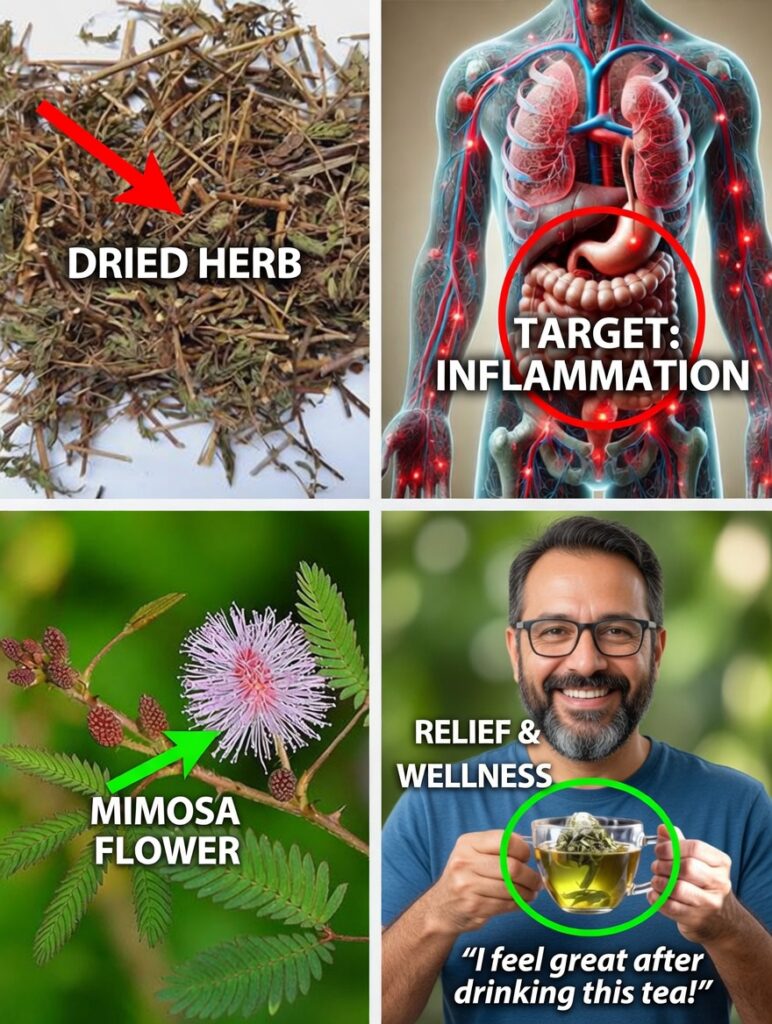
Mimosa Pudica (Sensitive Plant): Uses, Benefits, and How to Take It
Mimosa pudica—often called the sensitive plant, touch-me-not, or “dormideira”—is famous for folding its leaves when touched. But this fascinating movement is only part of its story. Native to Central and South America, this small herb has a long history in traditional medicine, where it has been valued for a wide range of natural healing properties.
From helping calm inflammation and supporting digestion to promoting liver health and aiding skin repair, Mimosa pudica is used in many wellness traditions. Below are 10 potential health benefits and practical ways to include it in your routine.
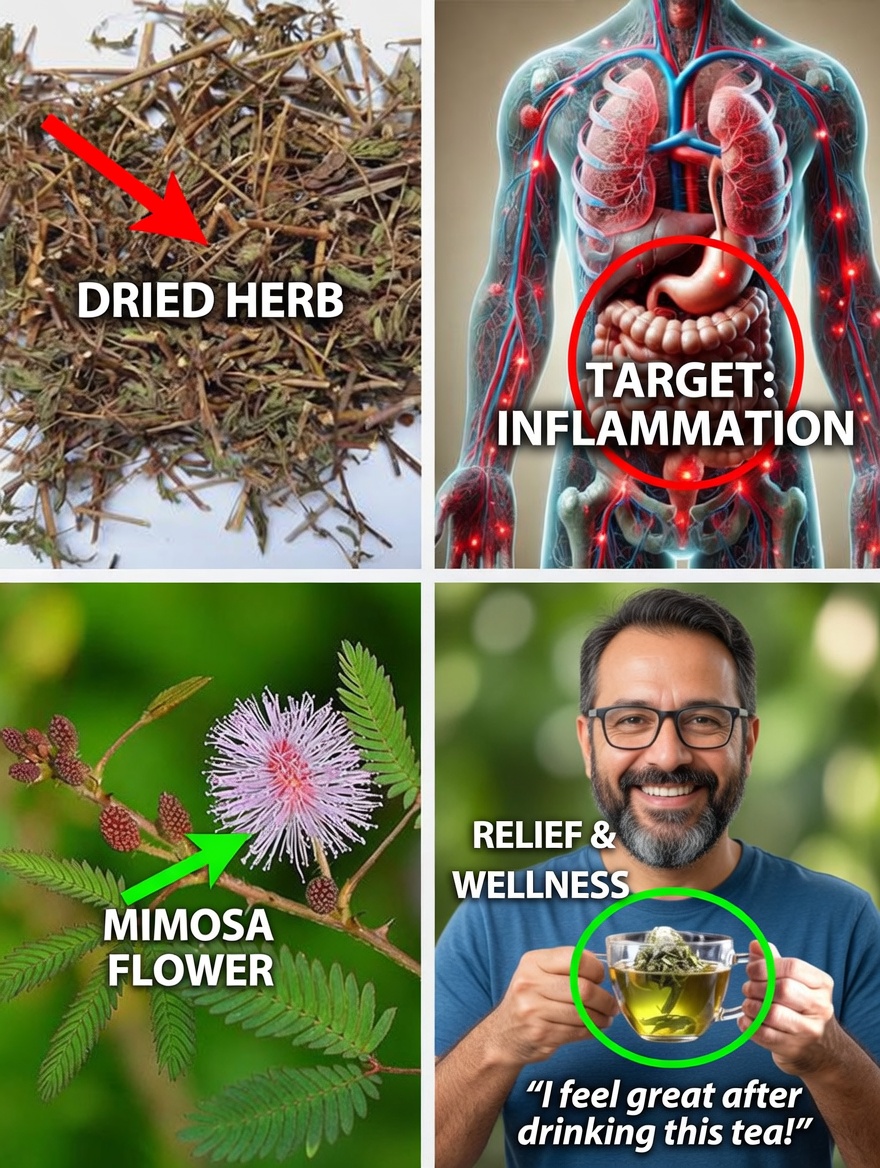
10 Potential Health Benefits of Mimosa Pudica
1. Helps Reduce Inflammation Naturally
Long-term inflammation is linked with discomfort and many chronic conditions. Mimosa pudica is widely used for its anti-inflammatory effects.
- May ease arthritis symptoms, joint discomfort, and muscle soreness
- Can help lower swelling and redness when used on the skin
- Supports the body’s natural recovery process
How to use: Sip Mimosa pudica tea or apply a topical poultice to the affected area.
2. Supports Liver Function and Detox Pathways
The liver plays a key role in the body’s detox system. Mimosa pudica is often described as hepatoprotective, meaning it may help protect and support the liver.
- Assists the body in clearing unwanted substances
- May encourage healthy liver function and repair
- Commonly used in wellness routines focused on fatty liver support
How to use: Consider powder or capsules as part of a liver-support routine.
3. Promotes Digestive Comfort and Gut Balance
For people dealing with bloating, constipation, or digestive irregularity, Mimosa pudica is used to support a calmer gut.
- Helps soothe the digestive tract, which may reduce gas and bloating
- Traditionally used to support a cleaner, more balanced gut environment
How to use: Drink it as an herbal tea or take capsules for digestive support.
4. Offers Antimicrobial and Antiviral Support
Mimosa pudica is often mentioned for its antimicrobial and antiviral activity in traditional use.
- May help the body resist bacterial challenges
- Supports immune defenses against viral threats
- Can be applied topically to help reduce risk of wound contamination
How to use: Try a herbal mouth rinse for oral issues, or use a poultice on minor skin concerns.
5. May Ease Stress and Support Better Sleep
Many herbal traditions use Mimosa pudica for its gentle calming and sedative-like properties.
- May reduce nervous tension and occasional anxiety
- Encourages relaxation and improved sleep quality
- Can be helpful during periods of high stress
How to use: Drink a warm cup of Mimosa pudica tea in the evening.
6. Supports Oral Hygiene and Gum Comfort
Because it combines anti-inflammatory and antibacterial qualities, Mimosa pudica is used to support oral wellness.
- May help with gum irritation and gingivitis-related discomfort
- Traditionally used for mouth ulcers and throat irritation
- Supports fresher, cleaner oral hygiene routines
How to use: Gargle with a cooled Mimosa pudica rinse.
7. Helps Speed Up Wound Healing and Skin Recovery
In folk medicine, Mimosa pudica is a well-known herb for cuts, burns, sores, and minor skin infections.
- May help protect against infection due to antimicrobial properties
- Can reduce visible redness and swelling
- Supports faster healing of minor skin damage
How to use: Crush fresh leaves and apply directly as a poultice.
8. Traditional Support for Menstrual Discomfort
For women experiencing PMS or menstrual cramps, Mimosa pudica is sometimes used as a gentle botanical option.
- May reduce cramping and discomfort
- Traditionally used to support more regular cycles
- Can help ease mood swings and irritability for some people
How to use: Drink tea during menstruation as needed.
9. Soothes Hemorrhoids and Related Irritation
Thanks to its astringent and anti-inflammatory profile, Mimosa pudica is often used externally for hemorrhoid discomfort.
- May reduce swelling, pain, and irritation
- Supports healing of minor anal fissures
- Can ease discomfort when used topically
How to use: Apply a paste to the area for short-term soothing relief.
10. Provides Antioxidants for Daily Wellness
Mimosa pudica contains compounds associated with antioxidant activity, which supports overall health.
- Helps fight oxidative stress caused by free radicals
- Supports long-term wellness and may reduce chronic disease risk factors
- Promotes healthy aging and cellular support
How to use: Enjoy it as a daily tea or use capsules as directed.
How to Use Mimosa Pudica: 5 Simple Methods
1. Herbal Tea (Digestion + Relaxation)
Steps:
- Boil 1 teaspoon of dried leaves in 1 cup of water for about 10 minutes
- Strain and drink once or twice per day
2. Poultice for Skin Irritation or Minor Wounds
Steps:
- Crush fresh leaves into a paste
- Apply directly to cuts, sores, bites, or inflamed skin
3. Gargle or Mouth Rinse (Gums + Mouth)
Steps:
- Boil a small handful of leaves in water
- Let cool, then use as a rinse or gargle
4. Bath Soak for Relaxation and Skin Support
Steps:
- Add dried leaves or a few drops of extract to warm bathwater
- Soak for 20–30 minutes
5. Capsules or Powder (Internal Use)
- Widely available as supplements for digestion, inflammation support, and immune wellness
- Follow the label directions for dosage and timing
Precautions and Safety Tips
Although Mimosa pudica is used traditionally in many cultures, it’s still important to use it responsibly.
- Avoid use during pregnancy and breastfeeding
- Speak with a healthcare professional if you take prescription medications
- Use moderately—too much may lead to digestive discomfort
Conclusion: Is Mimosa Pudica Worth Trying?
Mimosa pudica is more than a plant that reacts to touch. It’s a widely used medicinal herb with potential anti-inflammatory, antimicrobial, digestive-supporting, and immune-friendly benefits. Whether you choose tea, topical application, or supplements, it can be a valuable addition to a natural wellness routine.
Have you used Mimosa pudica before? Share your experience in the comments.